
Photo by benketaro on Openverse
Your gut does far more than digest food. It influences how you absorb nutrients, how steady your energy feels, how often cravings hit, and even how confident you feel in your own body. That is why choosing organic food can be more than a trend; it can be a practical way to support a healthy diet, improve digestion, and make clean eating feel easier to maintain. When the foods on your plate are grown with fewer synthetic pesticides and handled with more attention to quality, you are often giving your body a cleaner starting point for wellness. And if your goal includes weight loss, better nutrition, or simply feeling lighter and less bloated, that difference can matter more than many people realize.
Think about the last time your stomach felt calm after a meal. What did you eat? Was it fresh vegetables, fiber-rich grains, fermented foods, or a balanced plate that left you satisfied without heaviness? Those moments are not random. They are clues. They show how much your digestive system responds to the quality of food, the variety of nutrients, and the overall rhythm of your eating habits. In this guide, we will explore how organic food can support gut health, which ingredients deserve a place in your kitchen, and how to build a clean eating routine that fits real life—not just a perfect plan on paper.
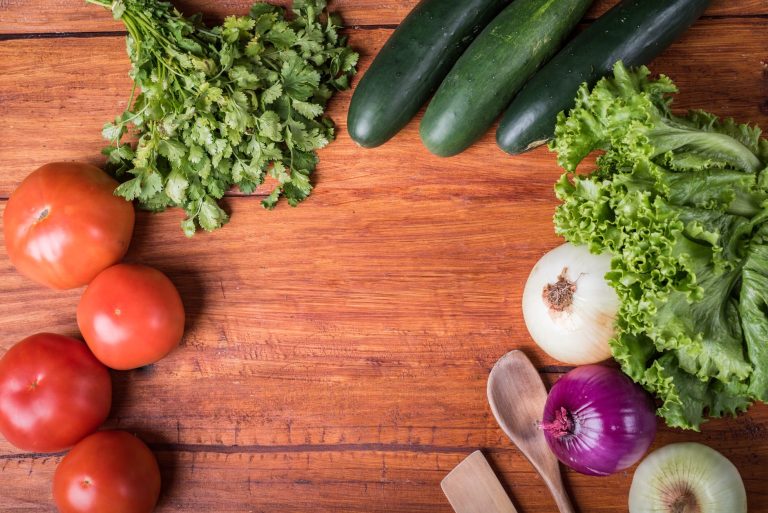
[IMAGE: organic vegetables]
Why Gut Health Shapes Everything From Digestion to Weight Loss
The gut is often called the body’s second brain, and for good reason. It helps regulate digestion, immune function, inflammation, and even mood. When your digestive system is balanced, your body can process nutrition more efficiently, and that can support steady energy, fewer cravings, and a healthier relationship with food. When it is not balanced, the signs can show up in surprisingly visible ways: bloating, discomfort after meals, sluggishness, skin issues, irregular bowel movements, or stubborn appetite swings.
Many people start a healthy lifestyle focused only on calories, but gut health adds a deeper layer. If the body is inflamed, undernourished, or constantly reacting to ultra-processed foods, weight loss can become frustratingly difficult. Clean eating helps by removing some of the noise. Organic food can help even more by reducing unnecessary exposure to synthetic residues and by encouraging a more nutrient-dense, whole-food pattern.
How the microbiome affects your daily energy
Your microbiome is the community of bacteria and other microorganisms living in your digestive tract. Some of these microbes support digestion, help break down fiber, and contribute to healthy nutrient absorption. Others become problematic when they outnumber the beneficial species. The foods you eat help determine which microbes thrive.
A diet rich in organic vegetables, fruits, legumes, seeds, and fermented foods can feed the beneficial bacteria your body wants more of. That matters because a healthy microbiome is closely linked to reduced inflammation and improved metabolic function. In simple terms, if your gut is happier, your body often feels better at almost every level.
Why digestion and appetite are connected
Have you ever eaten a meal and still felt unsatisfied twenty minutes later? Or eaten too quickly and felt uncomfortably full? Digestion is not just about breaking food down; it is also about how your body signals fullness and hunger. A well-balanced gut can help your appetite feel more stable, which may support weight loss without the constant battle of intense cravings.
That is one reason clean eating works so well when it is built around organic food: it tends to combine fiber, protein, healthy fats, and natural flavor in a way that supports satiety. Instead of chasing quick energy, you are building meals that keep your system calm and steady.
Why Organic Food Is a Smart Choice for a Clean Eating Routine
Organic food is not automatically perfect, but it often gives you a cleaner foundation for a healthy diet. Organic farming standards typically limit synthetic pesticides, herbicides, genetically modified ingredients, and some artificial additives. For many people, that means fewer unwanted residues and a greater sense of trust in what they are eating.
From a nutrition perspective, the bigger win may be this: organic eating often shifts attention back to whole, minimally processed foods. That is where the real health benefits start to build. The more your meals look like real ingredients rather than packaged formulas, the easier it becomes to support digestion, manage weight, and create a sustainable healthy lifestyle.
What makes organic produce especially appealing
Organic fruits and vegetables are often purchased for two reasons: quality and peace of mind. Many shoppers also find that organic produce encourages more mindful eating. If you are investing in fresh berries, leafy greens, squash, herbs, or root vegetables, you are more likely to cook at home, plan meals better, and create more nourishing routines.
- Reduced exposure to some synthetic pesticide residues
- Support for more intentional food choices
- Better alignment with clean eating habits
- Greater focus on seasonal, whole ingredients
- Easy integration into a gut-friendly nutrition plan
Does organic food help with weight loss?
Organic food is not a magic weight loss solution, and it should never be treated as one. Still, it can support weight loss indirectly by making healthy choices more appealing and by reducing dependence on ultra-processed foods. When you fill your cart with organic vegetables, fruit, legumes, eggs, yogurt, or grains, you are naturally building meals that are lower in empty calories and higher in fiber and nutrients.
That matters because sustainable weight loss is usually not about restriction alone. It is about food quality, satiety, digestion, energy, and consistency. Organic food can help you stay closer to that balanced sweet spot.
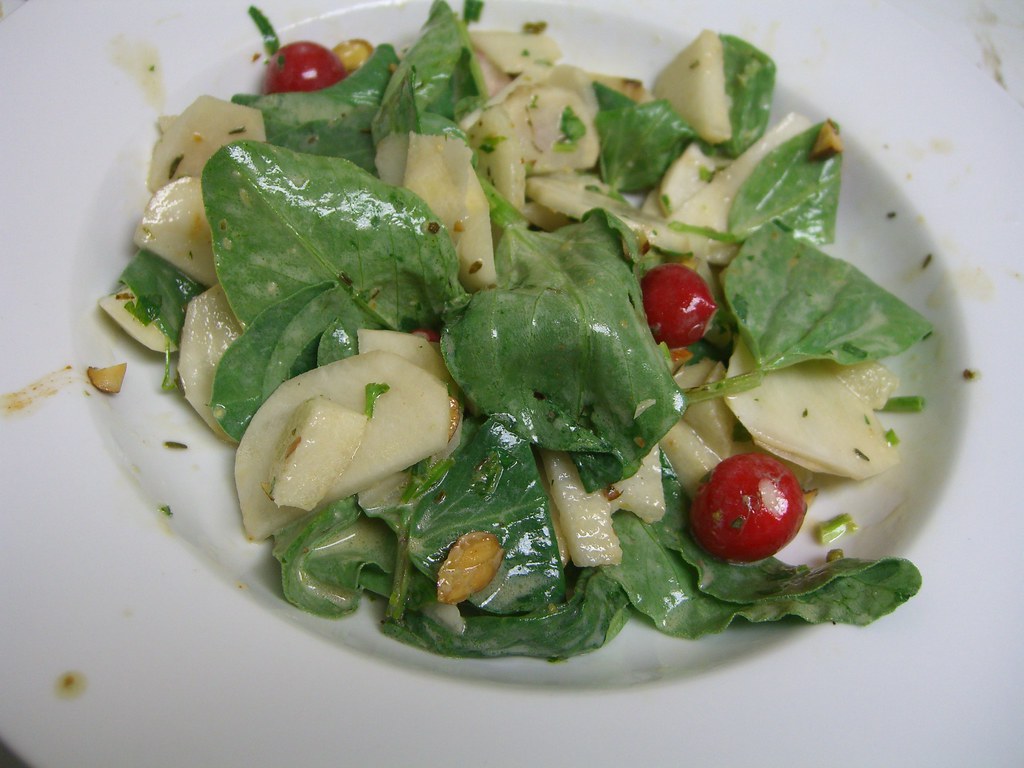
[IMAGE: healthy meal]
The Best Organic Foods for Gut Health
Not every organic food supports the gut in the same way. Some ingredients nourish beneficial bacteria, some support regularity, and some soothe digestive discomfort. The best approach is to combine them rather than rely on one so-called superfood. A diverse plate usually creates better results than a narrow menu.
1. Organic leafy greens
Spinach, kale, arugula, Swiss chard, and romaine are nutrient-dense, easy to use, and packed with fiber. Leafy greens help bulk up meals without adding heaviness, which is useful if you want to feel satisfied without overeating. They also provide magnesium, folate, and plant compounds that support overall nutrition.
Try adding leafy greens to:
- Morning omelets or tofu scrambles
- Lunch salads with seeds and olive oil
- Soups and stews
- Green smoothies with organic fruit
2. Organic fermented foods
Fermented foods introduce live cultures that can help support a healthy microbiome. Organic yogurt, kefir, sauerkraut, kimchi, miso, and tempeh can all be powerful additions to a gut-friendly routine. Start slowly if you are new to them, especially if your digestive system is sensitive.
The key is consistency. A spoonful of sauerkraut here and a serving of yogurt there may not feel dramatic, but over time those foods can contribute to a more diverse gut environment.
3. Organic prebiotic foods
Prebiotics are fibers that feed beneficial bacteria. Without them, probiotics do not have much to work with. Excellent organic prebiotic foods include onions, garlic, leeks, asparagus, oats, apples, bananas, and flaxseeds. These ingredients help create a gut environment where beneficial bacteria can flourish.
Easy prebiotic combinations
- Organic oats with banana and flaxseed
- Roasted asparagus with garlic and olive oil
- Apple slices with almond butter
- Soup with leeks, carrots, and celery
4. Organic berries
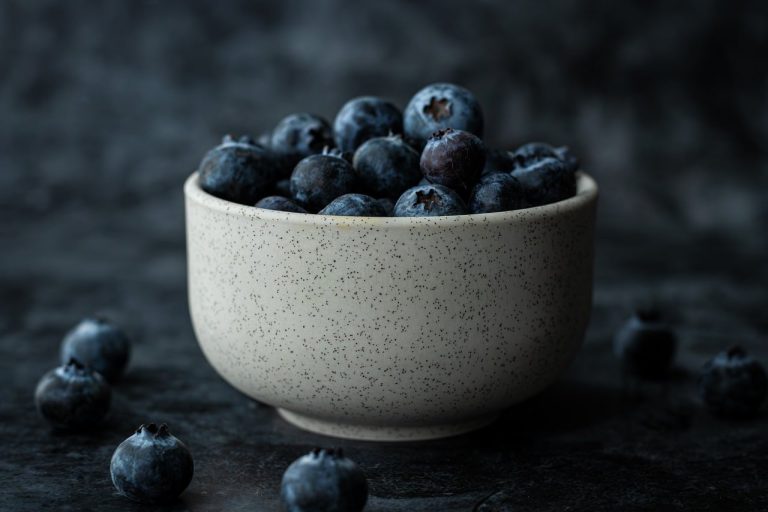
Blueberries, raspberries, blackberries, and strawberries are rich in fiber and antioxidants. They are also naturally sweet, which makes them useful when you want to satisfy cravings without turning to refined sugar. For many people, berries are one of the easiest foods to include in a clean eating plan because they work at breakfast, in snacks, or even on a salad.
Why are berries so valuable for gut health? Their fiber supports digestion, while their plant compounds may help reduce inflammation. That combination can be especially useful if your diet has been heavy in processed foods and low in fresh produce.
5. Organic chia seeds and flaxseeds
These tiny seeds are nutritional heavyweights. Chia and flax provide fiber, omega-3 fats, and a gentle bulking effect that can support regular bowel movements. They are especially helpful in a healthy diet that needs more structure without more processed ingredients.
Try them in:
- Overnight oats
- Smoothies
- Yogurt bowls
- Homemade energy bites
6. Organic oats and whole grains
Whole grains are often overlooked when people start a detox diet or a weight loss journey, but they can be essential for balance. Organic oats, quinoa, brown rice, and buckwheat offer fiber and steady energy. They are less likely to cause the blood sugar spikes associated with refined carbohydrates, and they help meals feel complete.
If you often feel hungry shortly after eating, ask yourself: are you including enough fiber-rich grains, or are your meals too light to sustain you? Sometimes the answer is not to eat less, but to eat smarter.
7. Organic legumes
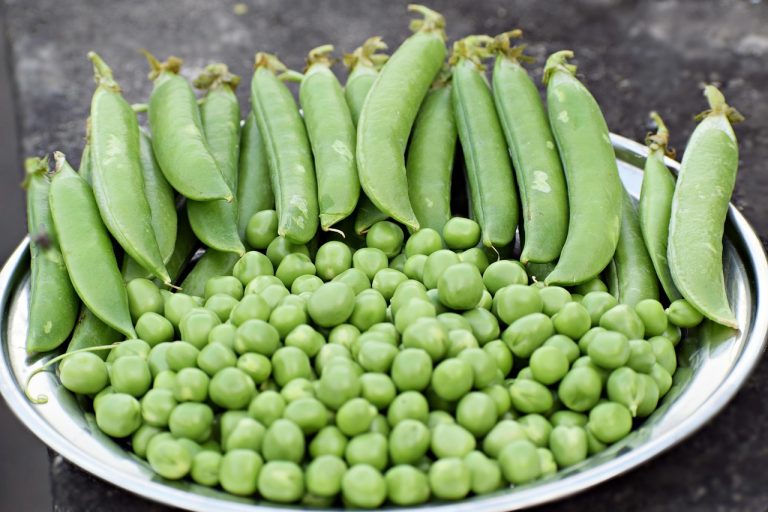
Lentils, chickpeas, black beans, and kidney beans provide plant protein and substantial fiber. They may take a little more preparation, but they are worth it. Legumes support fullness, digestion, and nutrient diversity. For anyone building a healthy lifestyle around clean eating, they are among the most practical foods to keep in rotation.
If legumes feel hard to digest at first, start with smaller portions and rinse canned organic beans thoroughly. Pair them with herbs, spices, and a little healthy fat for better comfort and flavor.
8. Organic herbs and spices
Fresh ginger, turmeric, parsley, basil, cilantro, fennel, and mint can elevate meals and support digestion. Ginger and mint are especially known for easing stomach discomfort, while turmeric offers anti-inflammatory properties that fit beautifully within an organic diet and detox diet approach.
Even a simple cup of warm water with ginger or a herb-rich salad can help your meals feel more intentional and soothing.
How to Build a Clean Eating Plate That Supports Digestion
The best gut-friendly meals do not need to be complicated. In fact, the more complex a plan becomes, the harder it is to stick with it. Instead of aiming for perfection, build a repeatable structure. When you know how to assemble a balanced plate, healthy eating becomes much easier.
The simplest plate formula
- Half the plate: organic vegetables, especially leafy greens and colorful produce
- One quarter: clean protein such as eggs, yogurt, tofu, fish, chicken, or legumes
- One quarter: whole grains or starchy vegetables for steady energy
- Plus: healthy fats like avocado, olive oil, nuts, seeds, or tahini
This formula is simple, but it works. It keeps meals balanced, supports digestion, and helps prevent the energy crashes that can make you reach for snacks out of habit rather than hunger.
What a gut-friendly day might look like
Breakfast could be organic oats with chia seeds, cinnamon, blueberries, and almond butter. Lunch might be a large salad with leafy greens, chickpeas, cucumber, grated carrots, pumpkin seeds, and olive oil dressing. Dinner could be roasted vegetables with quinoa and salmon or tofu. Snacks might include kefir, an apple with nut butter, or a handful of walnuts.
Ask yourself: does my current routine nourish me, or does it leave me chasing energy all day? That one question can change the way you approach food.
Organic Foods and the Detox Diet: A Smarter Way to Reset
The phrase detox diet is often used in dramatic ways, but your body already has built-in detoxification systems. The liver, kidneys, lungs, skin, and digestive tract work constantly to remove waste and maintain balance. What organic food can do is support those systems by reducing dietary stress and supplying the nutrients they need to function well.
A smart detox diet is not about starving yourself, drinking only juice, or chasing quick fixes. It is about creating a cleaner, more nourishing environment for your body. That means fewer ultra-processed foods, more hydration, more fiber, and more antioxidants.
What a healthy detox diet actually includes
- Organic vegetables and fruit
- Fiber-rich whole grains and legumes
- Plenty of water and herbal teas
- Lean proteins and healthy fats
- Fermented foods for microbiome support
Notice what is missing: extreme restriction, crash tactics, and unrealistic rules. That is because a real reset should help your body feel safer, not more stressed. When stress drops, digestion often improves too.
Gentle detox habits that fit real life
Small daily habits often create better results than a short, intense detox challenge. Try adding one extra serving of vegetables to lunch, replacing sugary drinks with water or herbal tea, and including a fermented food a few times a week. These changes may sound modest, but they can support a healthy lifestyle in a powerful way.
[IMAGE: fitness lifestyle]
Common Mistakes That Undermine Gut Health and Weight Loss
Many people eat
About the Author