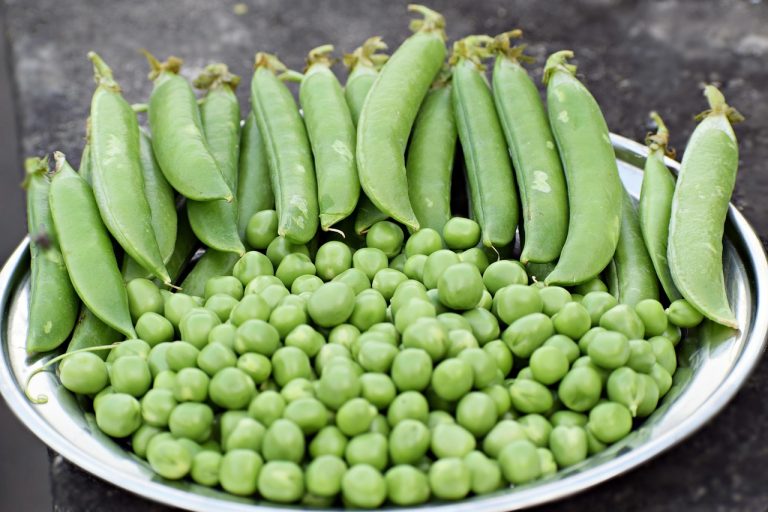


Photo by Istvan Szabo on Pexels
Your gut is doing far more than digesting lunch. It is quietly shaping your energy, your cravings, your immune response, your mood, and even how easily your body maintains a healthy weight. That is why more people are turning to organic food and clean eating not as a trend, but as a practical way to support better digestion and lasting wellness. If you have ever wondered whether the right foods can help you feel lighter, stronger, and more in control of your appetite, the answer is often yes.
A gut-friendly diet does not have to be complicated or extreme. In fact, the most effective approach is often the simplest: choose nutrient-dense foods, reduce unnecessary additives, and build meals around ingredients your body can recognize and use well. Organic food can play an important role here because it helps you create a cleaner food environment, one with fewer synthetic pesticides, fewer artificial ingredients, and more room for real nutrition to work. Could that make a difference in the way you feel day to day? For many people, it absolutely can.
[IMAGE: organic vegetables]
Why Gut Health Deserves Your Attention
The digestive system is home to trillions of bacteria, fungi, and other microorganisms that make up the gut microbiome. These microbes influence how you break down food, absorb nutrients, manage inflammation, and regulate metabolism. When the gut is balanced, you often notice smoother digestion, steadier energy, and fewer unwanted food cravings. When it is out of balance, bloating, irregular bowel movements, fatigue, and stubborn weight gain can become more common.
Gut health matters for more than comfort. It affects how efficiently your body converts food into fuel, how well it handles stress, and how resilient you feel during busy seasons. This is why a healthy lifestyle is not just about counting calories or chasing quick results. True wellness starts with nutrition that supports your internal systems every single day.
What the Gut Has to Do with Weight Loss
If you are focused on weight loss, gut health may be the missing link you have overlooked. A less balanced microbiome can increase cravings for ultra-processed foods, reduce satiety after meals, and make it harder to maintain stable blood sugar. Over time, this can create a cycle of overeating, energy crashes, and frustration.
Clean eating helps interrupt that cycle. When you replace highly processed foods with organic food choices rich in fiber, antioxidants, healthy fats, and natural probiotics, your body often responds with better appetite control and improved digestion. This is not a miracle fix, but it is a powerful foundation. The body tends to work better when it receives food in a form close to nature.
How Organic Food Supports a Healthier Digestive System
Organic food is grown and produced with standards that limit synthetic pesticides, herbicides, and genetically modified ingredients in many cases. While organic labels do not automatically make a food healthy, they can reduce exposure to additives and chemicals that some people prefer to avoid as part of a clean eating approach.
For gut health, the value of organic food often comes from two main benefits: higher-quality ingredients and fewer unwanted extras. Fresh organic fruits, vegetables, beans, grains, seeds, and fermented foods can become the backbone of a diet that feels lighter and more nourishing. If your goal is to improve digestion and support a detox diet naturally through food, choosing cleaner ingredients is a sensible place to begin.
Less Exposure, More Nourishment
Many processed foods contain emulsifiers, added sugars, refined oils, and preservatives that may not support digestive comfort when eaten frequently. By shifting toward organic and minimally processed options, you reduce the clutter and make room for what your body actually needs: fiber, minerals, plant compounds, and hydration-rich foods.
Think of it this way: your gut thrives when meals are simple, balanced, and varied. Organic vegetables, fruit, legumes, and whole grains can help feed beneficial bacteria, while fermented foods can introduce helpful microbes. Together, these choices can create a more supportive environment for digestion and long-term wellness.
Fiber Is the Foundation
Fiber is one of the most important nutrients for gut health, yet many people still fall short. Organic food makes it easier to build high-fiber meals because fresh produce, beans, seeds, and whole grains naturally fit into a clean eating pattern. Fiber helps move food through the digestive tract, supports regularity, and nourishes the microbes that live in the gut.
- Leafy greens such as spinach, kale, and arugula
- Cruciferous vegetables like broccoli, cauliflower, and Brussels sprouts
- Organic berries, apples, pears, and citrus fruit
- Beans, lentils, and chickpeas
- Chia seeds, flaxseeds, and pumpkin seeds
- Whole grains such as oats, quinoa, and brown rice
Best Organic Foods for Gut Health and Weight Loss
Not all healthy foods work the same way for every person, but some categories are consistently helpful when your goal is better digestion and weight loss support. These ingredients provide a combination of fiber, hydration, antioxidants, and natural compounds that support your microbiome and help you feel satisfied after meals.
1. Leafy Greens
Spinach, kale, Swiss chard, and romaine lettuce are excellent organic food choices for a healthy diet. They are low in calories, rich in fiber, and packed with vitamins and minerals that support overall nutrition. Their mild volume also makes them useful for weight loss because they help you feel full without creating heaviness.
Try adding greens to omelets, soups, smoothies, grain bowls, and side salads. If you are new to clean eating, start with a handful a day and build up gradually.
2. Fermented Foods
Fermented foods are often described as natural allies for gut health because they can contain live cultures that support microbial diversity. Organic yogurt, kefir, sauerkraut, kimchi, miso, and tempeh can all have a place in a healthy lifestyle when tolerated well.
Not everyone digests fermented foods the same way, so listen to your body. Start slowly, especially if you are sensitive to histamines or new to probiotics. A spoonful of sauerkraut or a small serving of yogurt may be enough to begin with.
3. Berries
Organic berries are among the smartest choices for clean eating because they are naturally sweet, rich in antioxidants, and usually lower in sugar than many other fruits. Blueberries, raspberries, blackberries, and strawberries deliver fiber and plant compounds that support both gut health and metabolic balance.
They are perfect for breakfast, post-workout snacks, or desserts that feel indulgent without derailing your nutrition goals. What could be better than a food that tastes good and supports your healthy lifestyle at the same time?
4. Avocados
Avocados provide healthy fats and fiber, making them one of the most satisfying organic foods you can add to your routine. They help meals feel complete and can reduce the temptation to snack too soon after eating. Because healthy fats support the absorption of fat-soluble vitamins, avocados also help your body make better use of the nutrients in other foods.
5. Legumes
Lentils, black beans, chickpeas, and white beans are affordable, filling, and remarkably useful in a weight loss plan. They are rich in fiber and plant protein, which means they help stabilize appetite and support digestive health. If you want a detox diet built around real food rather than restriction, legumes are a smart staple.
6. Ginger and Turmeric
Both ginger and turmeric are known for their soothing, anti-inflammatory properties. Ginger may help calm the stomach, while turmeric is often used as part of a healthy diet that aims to reduce everyday inflammation. Add them to teas, soups, stir-fries, and golden milk-style drinks for a warm, comforting boost.
7. Oats and Quinoa
Whole grains such as oats and quinoa can be excellent for gut health if they work well for your body. Oats provide beta-glucan, a soluble fiber that supports satiety and blood sugar balance. Quinoa adds complete plant protein and makes meals feel more substantial without requiring heavy sauces or processed additives.
How to Build Gut-Friendly Meals Without Overthinking It
One reason people struggle to maintain a healthy lifestyle is that they believe clean eating must be complicated. In reality, the best meals are often the most straightforward. If you can follow a simple formula, you can create satisfying organic food meals all week long.
The Plate Method That Works
Use this easy structure when assembling meals:
- Half the plate: non-starchy vegetables
- One quarter: protein from fish, eggs, yogurt, tofu, legumes, or poultry
- One quarter: smart carbohydrates such as quinoa, oats, sweet potato, or brown rice
- Add healthy fats: avocado, olive oil, seeds, or nuts
This method supports weight loss because it encourages balance rather than deprivation. It also makes nutrition simpler by ensuring your meals contain fiber, protein, and fats that slow digestion and help you stay satisfied longer.
Meal Ideas That Support Digestion
You do not need complicated recipes to eat well. Try these combinations:
- Organic Greek yogurt with berries, chia seeds, and walnuts
- Quinoa bowl with roasted vegetables, chickpeas, and tahini dressing
- Scrambled eggs with spinach and avocado on whole-grain toast
- Lentil soup with carrots, celery, turmeric, and olive oil
- Salmon with steamed broccoli and brown rice
These are the kinds of meals that can support a detox diet naturally, not by starving yourself, but by giving your body what it needs to function smoothly. When meals are steady and satisfying, cravings tend to calm down.
[IMAGE: healthy meal]
Foods That May Work Against Your Gut Goals
It is just as important to know what to reduce as it is to know what to add. If your digestion feels sluggish, bloated, or unpredictable, certain foods may be part of the problem. That does not mean you need to avoid them forever, but it does mean paying attention is wise.
Common Gut Disruptors
- Ultra-processed snacks with long ingredient lists
- Added sugars in sodas, desserts, and sweetened beverages
- Refined flours and white bread consumed in excess
- Fried foods that are heavy and difficult to digest
- Artificial sweeteners that may trigger digestive discomfort in some people
- Alcohol, especially when consumed frequently
A clean eating plan does not require perfection. It simply asks you to make most of your choices from foods that are closer to their natural state. When the majority of your meals come from organic food and minimally processed ingredients, your gut usually has less work to do.
Organic Food Shopping Strategy for Better Digestion
Walking into the store with a plan can save time, reduce stress, and keep your nutrition goals on track. A smart shopping list is one of the most underrated tools in any healthy lifestyle routine. Instead of wondering what to eat each day, you give yourself an organized system that supports good habits.
What to Buy First
- Organic leafy greens and salad ingredients
- Seasonal fruits, especially berries and apples
- Root vegetables such as sweet potatoes and carrots
- Beans, lentils, and chickpeas
- Eggs, plain yogurt, kefir, tofu, or fish for protein
- Oats, quinoa, brown rice, and whole-grain bread
- Olive oil, nuts, seeds, and avocado
- Herbs, ginger, turmeric, garlic, and lemon
Labels Matter More Than Marketing
Organic packaging can look impressive, but the ingredient list is what truly matters. Choose foods with short, recognizable ingredient panels whenever possible. Ask yourself: does this food look like something that could have come from a kitchen rather than a factory?
That simple question can help you avoid hidden sugars, excess sodium, and additives that may not fit your weight loss or detox diet goals. Clean eating is not about fear; it is about clarity.
Can Organic Food Help With Bloating?
For many people, yes, but the answer depends on the cause of the bloating. If bloating comes from overeating, excess sodium, high amounts of processed food, or poor fiber balance, shifting to a cleaner diet can make a noticeable difference. Organic food may help because it encourages fresher ingredients and fewer common irritants.
However, bloating can also be influenced by food intolerances, stress, eating speed, hormone fluctuations, or medical conditions. If your discomfort is persistent or severe, it is important to speak with a qualified professional. Food can be powerful, but it is not a substitute for medical care.
Helpful Habits for Reducing Bloating
- Eat slowly and chew thoroughly
- Drink water throughout the day, not just at meals
- Keep meals balanced rather than overly large
- Increase fiber gradually instead of all at once
- Limit carbonated drinks if they trigger discomfort
- Pay attention to your personal food triggers
Small changes often bring the most sustainable results. When you listen carefully to how your body responds, you begin to notice patterns that make clean eating more personalized and effective.
Organic Meal Prep Ideas for a Busy Week
One of the easiest ways to stay consistent with nutrition is to prepare a few components ahead of time. Meal prep does not need to mean eating the same thing every day. Instead, it can mean setting up ingredients so your healthy choices become effortless during the week.
Prep Once, Mix and Match All Week
- Roast a tray of organic vegetables such as zucchini, carrots, and cauliflower
- Cook a pot of quinoa or brown rice
- Prepare lentils or chickpeas with herbs and olive oil
- Wash and dry leafy greens for quick salads
- Make a simple dressing with lemon, olive oil, garlic, and mustard
- Portion snacks such as berries, nuts, and yogurt
With these basics ready, you can build breakfast bowls, lunch salads, and dinner plates in minutes. This approach supports weight loss because it reduces the chances of impulsive food choices when you are tired or stressed.
Three Smart Prep Combos
Breakfast: Overnight oats with chia seeds, almond milk, blueberries, and cinnamon.
Lunch: Quinoa salad with cucumbers, arugula, chickpeas, avocado, and pumpkin seeds.
Dinner: Baked salmon, steamed greens, and sweet potato with olive oil and herbs.
How Lifestyle Habits Affect Gut Health More Than You Think
Food is central, but it is not the only piece of the puzzle. Stress, sleep, movement, and hydration all influence digestion and the way your body handles nutrients. If you are trying to improve gut health while losing weight, you need a full-picture approach.
Stress and the Digestive System
The gut and brain are closely connected, which means emotional stress can show up physically as bloating, appetite changes, or stomach discomfort. A clean eating routine can be much more effective when paired with basic stress management practices such as walking, breathing exercises, time outdoors, or a regular sleep schedule.
Movement Supports Digestion
You do not need intense workouts to support gut health. Even a daily walk after meals can help stimulate digestion and improve blood sugar control. That is one reason fitness lifestyle habits matter so much in any weight loss journey. Movement helps the whole system work more smoothly.
[IMAGE: fitness lifestyle]
Sleep Shapes Cravings
Poor sleep often increases hunger, reduces willpower, and makes processed food more tempting. If you want organic food choices to feel easy instead of forced, make rest a priority. A body that is well-rested usually makes better decisions around food.
A Sample Day of Organic Eating for Gut Health
Sometimes the best way to make a new plan feel realistic is to see it in action. Here is an example of a day built around clean eating, nutrient balance, and digestive support.
Breakfast
Organic Greek yogurt topped with berries, chia seeds, hemp seeds, and a drizzle of honey. Add a cup of green tea or warm water with lemon if it suits you.
Mid-Morning
An apple with almond butter or a small handful of walnuts.
Lunch
A large bowl with mixed greens, quinoa, chickpeas, roasted carrots, avocado, cucumber, and olive oil-lemon dressing.
Afternoon Snack
Kefir or a small serving of sauerkraut with a few whole-grain crackers, depending on your tolerance and preferences.
Dinner
Baked salmon with steamed broccoli, sweet potato, and herbs. Finish with a cup of ginger tea if you enjoy it.
This kind of menu is satisfying without being heavy. It supports nutrition while keeping ingredients simple enough to digest comfortably. Does that sound easier to sustain than a restrictive detox diet built on rules and confusion? For most people, it is.
Common Organic Diet Mistakes to Avoid
Even the best intentions can go off track if the plan is too rigid or unbalanced. Organic food can support better health, but only when it is part of a varied and realistic routine.
1. Assuming Organic Automatically Means Healthy
An organic cookie is still a cookie. Organic soda is still soda. Focus on food quality first, but do not forget to consider sugar, fiber, protein, and portion size.
2. Forgetting Protein
Some people eat plenty of produce but not enough protein, which can lead to hunger and poor satiety. Include protein at every meal to support stable energy and weight loss.
3. Overdoing Raw Foods
While vegetables are beneficial, too many raw cruciferous vegetables or huge salads can be hard to digest for some people. Balance raw and cooked foods depending on what feels best.
4. Changing Too Much at Once
If you overhaul your diet overnight, your digestive system may protest. Begin with small, sustainable changes such as swapping one processed snack for fruit and nuts, or replacing one takeout meal with a homemade bowl.
5. Ignoring Hydration
Fiber needs water to do its job. If you increase your intake of vegetables, legumes, and whole grains, increase fluids as well. Good nutrition works best when hydration keeps pace.
Why This Approach Supports Long-Term Weight Loss
Quick-fix diets often fail because they create temporary enthusiasm rather than lasting habits. A gut-friendly organic food plan is different. It focuses on the way you eat most of the time, which is where real change happens.
When your meals are built from clean eating staples, you are more likely to feel satisfied, maintain better digestion, and avoid the energy crashes that lead to overeating. Healthy lifestyle choices accumulate. Over weeks and months, they can influence your metabolism, your hunger signals, and your ability to stick with your goals.
Weight loss becomes less about punishment and more about alignment. You start choosing foods that support your body instead of working against it. That shift in mindset can be just as important as the food itself.
Simple Ways to Start Today
You do not need a perfect pantry or a complicated plan to begin. Start where you are and make your next meal a little better than the last one. Small steps are often the most sustainable way forward.
- Add one serving of vegetables to lunch and dinner
- Replace one processed snack with fruit, nuts, or yogurt
- Choose organic food for the items you eat most often
- Drink a glass of water before each meal
- Walk for 10 to 15 minutes after eating when possible
- Prepare one lunch at home each day instead of buying it out
These habits may seem small, but together they can reshape your nutrition in meaningful ways. The goal is not to be perfect. The goal is to feel better, think more clearly, and build confidence through steady progress.
When you look at your plate, ask yourself whether it supports the life you want: calmer digestion, better energy, easier weight management, and a more balanced relationship with food. If the answer is no, the next choice can still be a better one. That is the real power of organic food and clean eating; it gives you a practical path toward feeling well, one meal at a time. If you found this helpful, keep exploring DietOrganic for more articles on healthy diet strategies, detox diet ideas, and nutrition tips that make a healthy lifestyle feel both realistic and rewarding.
About the Author