
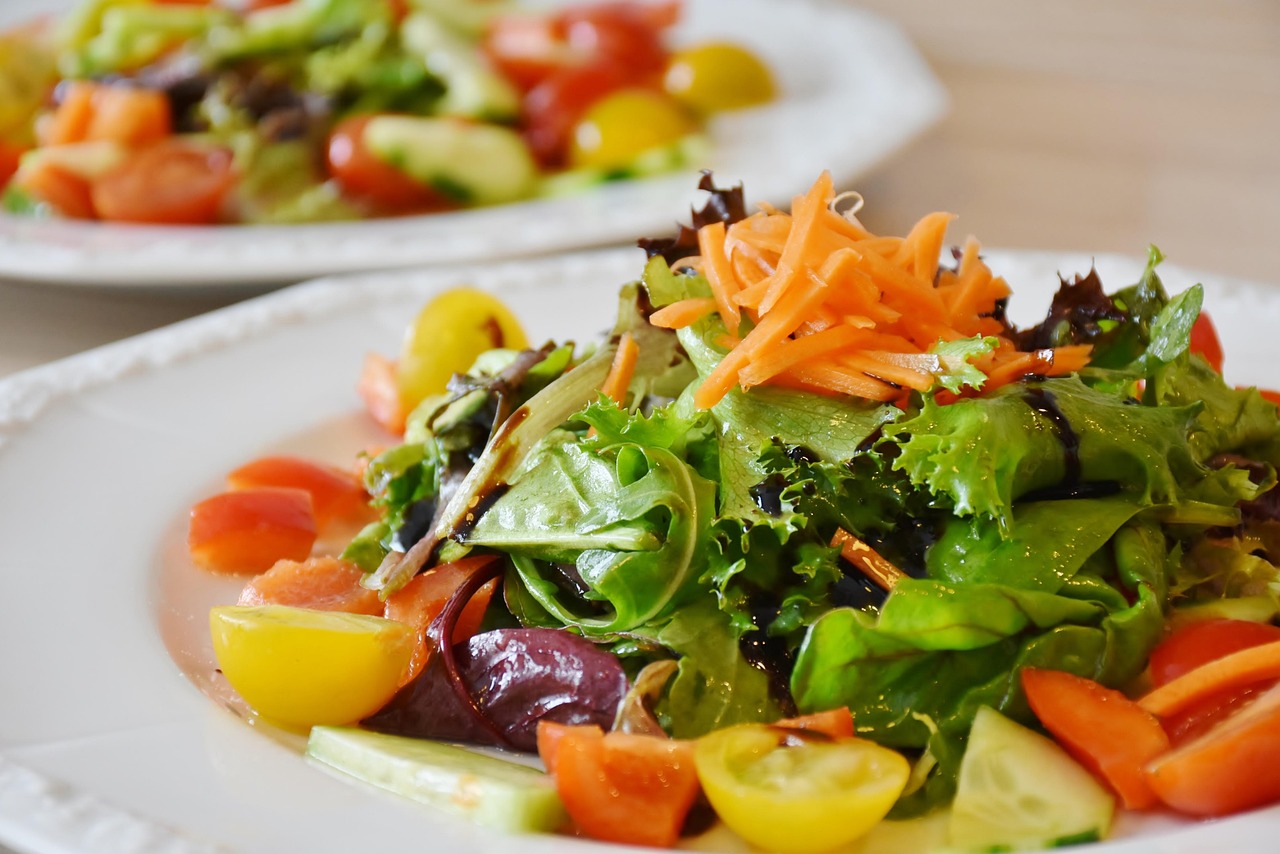
Photo by RitaE on Pixabay
Your gut does far more than digest food. It influences how energized you feel, how well your body absorbs nutrition, how balanced your appetite stays, and even how confidently you move through daily life. When your digestion is working smoothly, healthy eating feels easier, clean eating becomes more sustainable, and weight loss often becomes less of a struggle. So what happens when your meals are built around organic food that supports your microbiome instead of disrupting it? You give your body a better chance to function the way it was designed to.
This is where a thoughtful organic diet can make a real difference. The right foods can nourish beneficial bacteria, calm bloating, support regular digestion, and help you feel lighter without falling into extreme restriction. If you have ever wondered whether your food choices could improve not just your digestion but your overall healthy lifestyle, the answer is yes. The key is knowing which organic foods deserve a place on your plate, how to combine them, and how to make those choices fit into busy modern life.
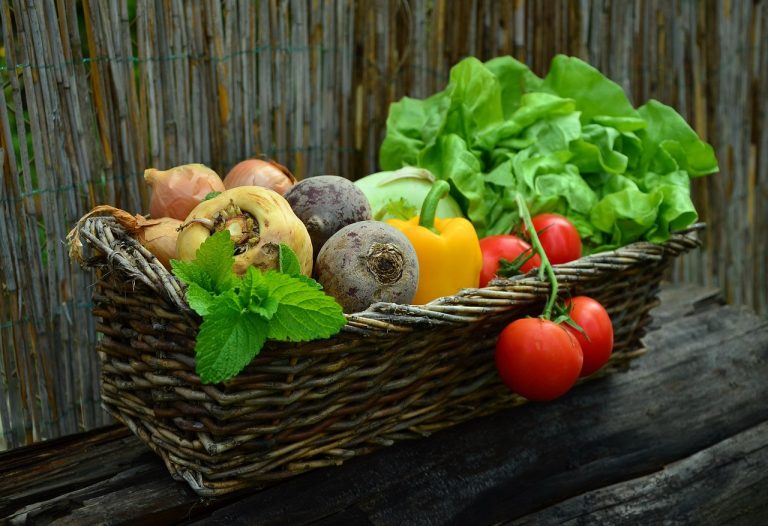
[IMAGE: organic vegetables]
In this guide, we will explore the best organic foods for gut health, how they support digestion, and how to turn them into everyday meals that feel practical rather than complicated. You will also find actionable tips for building a cleaner plate, managing cravings, and using nutrition strategically to support weight loss without depriving yourself. Ready to eat in a way that helps your body feel calmer, lighter, and more balanced?
Why Gut Health Matters More Than Most People Realize
Your gut is home to trillions of microbes that affect digestion, immunity, metabolism, and mood. When this ecosystem is well nourished, it can help you break down food efficiently, produce important compounds, and keep inflammation under better control. When it is out of balance, you may notice bloating, irregular digestion, cravings, low energy, and a general feeling that your body is not quite cooperating.
Organic food is especially valuable here because it often helps you reduce exposure to synthetic pesticide residues and unnecessary additives while encouraging a more nutrient-dense eating pattern. That does not mean every organic product is automatically healthy, but it does mean that a well-designed organic diet can support a cleaner, more intentional approach to nutrition. And if you are looking at clean eating as a long-term habit rather than a short-lived detox diet, this matters.
Have you ever felt that your meals were healthy on paper but still left you bloated or unsatisfied? That is often a sign that your food choices need more fiber, more real ingredients, and more diversity. Gut health thrives on variety, especially from plant foods that feed beneficial bacteria. The more color, texture, and natural fiber you add to your plate, the more support your digestive system tends to receive.
What Makes Organic Foods Helpful for Digestion?
Organic foods can support a healthy lifestyle in several ways, especially when they replace highly processed convenience foods. They often encourage people to cook more at home, eat more vegetables, and choose simpler ingredients. That shift alone can improve digestion and make weight loss more manageable because it naturally reduces excess sugar, refined starches, and artificial additives.
They often come with fewer unnecessary extras
Many packaged foods are loaded with emulsifiers, stabilizers, excess sodium, and sugar. These ingredients can be convenient, but they do not always support a calm digestive system. Organic whole foods like oats, leafy greens, berries, beans, seeds, and plain yogurt give you more control over what you are actually eating.
They encourage more fiber-rich meals
Fiber is one of the most important nutrients for gut health. It helps move food through the digestive tract and feeds beneficial bacteria. Organic vegetables, fruits, legumes, whole grains, nuts, and seeds can all contribute to a more fiber-rich diet. If you want better digestion, look at fiber first.
They make clean eating easier to sustain
Clean eating does not have to feel strict or trendy. It simply means choosing foods that are close to their natural state most of the time. Organic foods often fit this style well because they are usually minimally processed and can be turned into meals that feel both nourishing and satisfying.
Best Organic Foods for Gut Health
Not all gut-friendly foods serve the same purpose. Some help feed beneficial bacteria, some support regularity, and some reduce the likelihood of digestive discomfort. The most effective approach is to combine several kinds of organic foods across your week so your gut gets a broad range of support.
1. Organic leafy greens
Spinach, kale, arugula, Swiss chard, and romaine are excellent additions to an organic diet. They are rich in fiber, water, and micronutrients that help support digestion. Leafy greens also work well in smoothies, salads, soups, and simple sautéed dishes. If you want easy nutrition with minimal effort, greens are a smart starting point.
2. Organic fermented foods
Fermented foods can introduce beneficial bacteria and may support a more diverse gut environment. Choose organic versions when possible to keep your clean eating routine more aligned with whole-food priorities. Examples include plain organic yogurt with live cultures, kefir, sauerkraut, kimchi, and miso. Start with small portions if your digestion is sensitive.
3. Organic berries
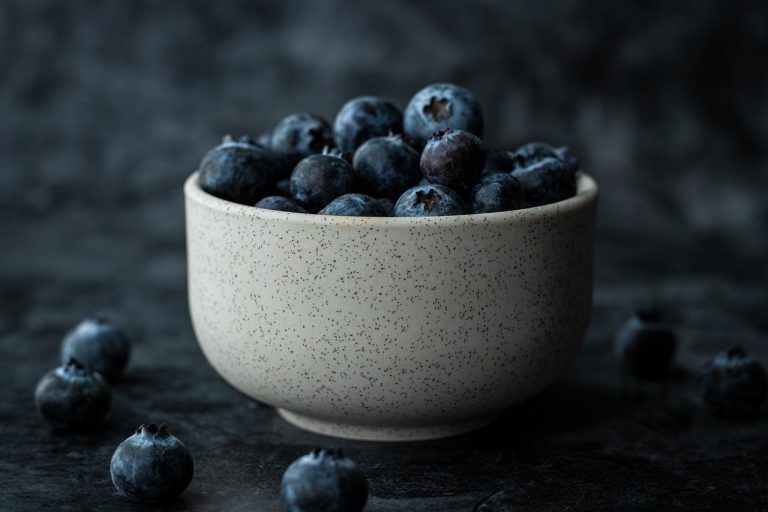
Blueberries, raspberries, strawberries, and blackberries provide antioxidants and fiber with relatively low sugar compared with many other fruits. They are easy to add to breakfast, snacks, or even salads. Their bright color is more than beautiful; it often signals the presence of protective plant compounds that help support a healthy lifestyle.
4. Organic oats
Oats contain soluble fiber, which can help support regular digestion and a feeling of fullness. A warm bowl of organic oats can also make mornings feel more grounded, especially if your digestive system tends to dislike heavy or greasy breakfasts. Add chia seeds, berries, or yogurt for even more gut support.
5. Organic apples and pears
These fruits contain natural fiber, especially when eaten with the skin on. They make excellent portable snacks and can help satisfy sweet cravings in a way that supports better nutrition. Pair them with nut butter for a more balanced option that can help steady energy and support weight loss goals.
6. Organic legumes
Lentils, chickpeas, black beans, and white beans are rich in fiber and plant-based protein. They are powerful for gut health, but they also need to be introduced carefully if you are not used to them. Soaked, well-cooked legumes are often easier to digest and can become the backbone of a filling, clean eating meal.
7. Organic seeds
Chia, flax, pumpkin, and hemp seeds offer fiber, healthy fats, and trace minerals. Ground flaxseed, in particular, is a simple way to support digestion. Sprinkle seeds over oats, yogurt, salads, or smoothies to add texture and nutrition without much effort.
8. Organic bone broth or plant-based broth
For people who enjoy warm, soothing meals, broth-based dishes can be comforting and easy on the stomach. Organic broth can be used in soups, stews, and grain bowls. While it is not a magic cure, it can support a gentle detox diet style when combined with plenty of vegetables and whole foods.
How Gut-Friendly Organic Foods Support Weight Loss
People often think weight loss is only about calories, but your digestion plays a major role in how full you feel and how well you stick with your plan. If meals are not satisfying, you are far more likely to snack impulsively, overeat later, or abandon your healthy diet altogether. That is why gut-friendly organic foods can be so helpful.
Fiber-rich foods increase fullness, slow digestion, and help stabilize appetite. Fermented foods and whole plant foods may also support more consistent digestion, which can reduce the discomfort that sometimes leads people to make less supportive food choices. A calmer gut often makes it easier to stay on track with clean eating, and that consistency matters more than perfection.
Weight loss becomes more realistic when your meals are built around volume, nutrient density, and steady energy. Think about it: would you rather rely on tiny portions that leave you hungry, or on nutrient-dense meals that keep you satisfied for hours? Organic vegetables, legumes, fruit, seeds, and lean proteins can create that satisfying balance without making food feel restrictive.
Better digestion can reduce mindless snacking
When your blood sugar is steadier and your meals are more filling, you are less likely to search for quick fixes. That means fewer late-night snacks and less grazing. This is one of the subtle ways a gut-focused organic diet can support weight loss.
A healthier gut can improve your food choices
When bloating and discomfort decrease, many people naturally feel more motivated to keep eating well. You begin to notice how different foods affect your body. That awareness is powerful because it transforms nutrition from a guessing game into a practical daily skill.
Organic Foods That Support a Gentle Detox Diet
The phrase detox diet is often overused, but the body already has its own detoxification systems. Your liver, kidneys, digestive tract, skin, and lungs work continuously to process and remove waste. What you can do is support those natural systems with better food choices, adequate hydration, and less processed intake.
Organic vegetables, herbs, fruits, and whole grains can be part of that support. Instead of chasing dramatic cleanses, focus on foods that encourage regular elimination and reduce the burden of highly processed ingredients. That is a far more sustainable approach and one that fits real life.
Foods to prioritize in a gentle cleanse-style routine
- Leafy greens such as spinach and kale
- Cucumbers, celery, zucchini, and asparagus
- Berries and citrus fruits
- Chia seeds and ground flaxseed
- Plain organic yogurt or kefir
- Garlic, ginger, and turmeric
- Lentils and other easy-to-digest legumes
These foods are not about punishment or deprivation. They are about giving your digestive system simpler, cleaner inputs so it can do its job more efficiently. Isn’t that what a healthy lifestyle should feel like?
How to Build Gut-Friendly Meals Without Overcomplicating Them
A lot of people know which foods are healthy, but they still struggle to combine them into meals that actually feel good. The solution is to use a simple structure. Every meal does not need to be elaborate. It just needs to include the right elements in a way that supports digestion and satiety.
The ideal plate formula
Try building meals with these parts:
- One source of fiber-rich vegetables
- One source of protein
- One source of healthy fat
- One satisfying whole-food carbohydrate if desired
This formula works because it helps keep your meal balanced. For example, a bowl with organic greens, quinoa, chickpeas, avocado, and pumpkin seeds can be both digestively supportive and satisfying. You do not need to eat less food to feel lighter; you need to eat smarter combinations.
Examples of easy gut-friendly meals
- Organic oatmeal topped with berries, chia, and almond butter
- Quinoa salad with arugula, cucumber, chickpeas, and olive oil
- Plain kefir with flaxseed and sliced pear
- Lentil soup with carrots, celery, and leafy greens
- Salmon or tofu with roasted vegetables and brown rice
[IMAGE: healthy meal]
Simple Breakfast Ideas That Support Digestion and Energy
Breakfast can shape how the rest of your day feels. If you start with heavy, sugary, or highly processed foods, your energy may crash quickly. But when you choose organic food that combines fiber, protein, and healthy fats, you give your body a steadier start.
Breakfast options worth repeating
Some mornings call for something fast, while others allow a little more time. Either way, breakfast can be both nourishing and practical.
- Organic overnight oats with berries and chia seeds
- Greek yogurt with walnuts, cinnamon, and sliced apple
- Green smoothie with spinach, banana, flaxseed, and kefir
- Egg scramble with kale and tomatoes
- Tofu breakfast bowl with vegetables and avocado
If you tend to skip breakfast because you are too busy, ask yourself why. Would a simple prep routine make it easier to protect your energy? A five-minute breakfast that supports your gut is much better than a skipped meal followed by a chaotic lunch.
Organic Snack Choices That Help Rather Than Hinder
Snacking is not the enemy. In fact, smart snacks can help keep blood sugar balanced and prevent overeating later. The problem is that many snacks are low in fiber, low in protein, and high in sugar or refined starches. Those choices can leave you hungry again within an hour.
Gut-friendly snacks should work with your body, not against it. Choose options that are simple, portable, and satisfying.
Better snack ideas
- Organic apple slices with almond butter
- Carrot sticks with hummus
- Plain yogurt with berries
- Pumpkin seeds and a small pear
- Homemade trail mix with nuts, seeds, and unsweetened coconut
- Celery with avocado and sea salt
These snacks fit a clean eating pattern because they offer something useful to your body. They also support a healthy diet that feels livable, not rigid. If a snack helps you stay consistent, it is doing its job.
Foods and Habits That May Disrupt Gut Health
Supporting your gut is not only about what to add. It is also about what to limit. You do not need to be perfect, but awareness matters. Some foods and habits can make digestion more difficult, especially if they show up often.
Common troublemakers
- Highly processed snacks and fast food
- Large amounts of added sugar
- Excess alcohol
- Artificial sweeteners for some people
- Poor hydration
- Eating too quickly or while stressed
Notice that this is not about fear. It is about pattern recognition. If you repeatedly feel bloated after certain meals, your body is giving you information. Paying attention to that feedback is one of the smartest nutrition habits you can develop.
Meal Prep Strategies for a Busy Organic Lifestyle
One of the biggest reasons people drift away from healthy eating is time. They start with good intentions, then work gets busy, meals become irregular, and convenience takes over. Meal prep can solve much of that problem, especially when you keep it simple.
What to prep once a week
- Washed and chopped organic vegetables
- A grain such as quinoa, brown rice, or oats
- A protein source like lentils, eggs, tofu, chicken, or yogurt
- A homemade dressing or sauce
- Two fruits for snacks and breakfast
With these basics ready, you can assemble meals in minutes. That is what makes an organic diet realistic. You are not depending on motivation every day; you are relying on systems that support your goals.
Want to make clean eating easier during the week? Create two go-to bowls, two snack options, and one breakfast option you genuinely enjoy. Repetition is not boring when it saves you from poor choices and helps you stay consistent with weight loss or maintenance goals.
How to Support Your Gut Beyond Food
Nutrition matters, but digestion is influenced by more than food alone. Stress, sleep, movement, and hydration all play important roles in how your body processes meals and manages inflammation. If your goal is long-term wellness, you need to treat your gut like part of a bigger system.
Hydration
Water helps support digestion and regular bowel movements. If you eat more fiber but do not drink enough, you may actually feel more sluggish. A simple rule: drink steadily throughout the day, and include water-rich foods like cucumbers, melons, oranges, and leafy greens.
Movement
Gentle physical activity can help keep digestion moving. Walking after meals, stretching, yoga, and regular exercise all support a healthy lifestyle. You do not need an intense routine to benefit. Even 10 to 15 minutes of movement after eating can make a difference.
Stress management
Stress affects digestion more than many people realize. When you eat in a rushed or anxious state, your body may not process food as comfortably. Slow down. Breathe. Sit down for meals when possible. These small habits can improve not only digestion but also your relationship with food.
[IMAGE: fitness lifestyle]
Myths About Organic Food and Gut Health
There is a lot of confusion around organic food, and some of it creates unrealistic expectations. Let’s separate useful facts from marketing myths so you can make choices with confidence.
Myth 1: Organic food automatically cures digestive problems
No food fixes everything on its own. Organic foods can support gut health, but chronic symptoms may still require medical evaluation, stress management, or deeper dietary changes. Organic is a tool, not a miracle.
Myth 2: You have to eat only organic to be healthy
Eating more vegetables, fruits, legumes, and whole grains matters more than chasing perfection. If buying all organic is not realistic, start where you can. A healthy diet built from mostly whole foods is still a meaningful improvement.
Myth 3: Gut-friendly eating has to be expensive
Some organic items cost more, but many budget-friendly choices exist. Oats, beans, lentils, carrots, cabbage, bananas, and seasonal produce can all support nutrition without breaking the bank. Smart planning matters more than luxury packaging.
Sample One-Day Organic Gut Health Plan
Sometimes the easiest way to understand a healthy diet is to see it in action. Here is a simple example of a day centered on organic foods for digestion, energy, and steady appetite.
Breakfast
Organic oats with chia seeds, blueberries, cinnamon, and a spoonful of almond butter.
Lunch
Mixed green salad with chickpeas, cucumber, avocado, grated carrots, pumpkin seeds, and olive oil dressing.
Snack
Plain organic yogurt with raspberries and ground flaxseed.
Dinner
Roasted vegetables with quinoa and grilled salmon or tofu, plus a side of sauerkraut if tolerated.
Optional evening drink
Warm ginger tea or peppermint tea for a soothing end to the day.
This kind of menu is simple, flexible, and supportive of weight loss if portions and total energy intake fit your needs. More importantly, it gives your gut a variety of textures, fibers, and nutrients that work together instead of competing with one another.
When to Be Careful and Seek Professional Advice
While food can do a great deal, it is important to recognize when symptoms need more attention. Persistent bloating, abdominal pain, unexplained weight changes, blood in the stool, or severe digestive discomfort should not be ignored. An organic diet may help you feel better, but it is not a substitute for medical care when something is wrong.
If you have conditions such as IBS, celiac disease, inflammatory bowel disease, or food allergies, your gut health strategy may need to be more personalized. The same is true if you are pregnant, recovering from illness, or managing a chronic condition. Real nutrition is individualized, and a trustworthy approach always respects that.
Building a Healthy Lifestyle That Lasts
The most effective nutrition strategy is the one you can actually maintain. That is why the best organic food plan is not the most complicated one. It is the one that helps you feel better, eat more mindfully, and stay consistent without stress. Clean eating works best when it feels natural, flexible, and rooted in real enjoyment.
As you make choices that support your gut, pay attention to how your body responds. Do you feel fuller longer? Do you experience less bloating? Do you have more energy in the afternoon? These are meaningful signs that your habits are working. Healthy eating should create positive change you can feel, not just rules you can follow.
And if you are using food as part of a weight loss journey, remember that patience is part of the process. The goal is not to eat perfectly for a week. The goal is to create a steady pattern of nourishment that supports digestion, confidence, and long-term well-being. That is where real transformation happens, meal by meal.
When you choose organic foods that support gut health, you are doing more than filling your plate. You are investing in better digestion, better energy, and a healthier relationship with food. Keep exploring, keep experimenting, and keep refining your routine until it feels like a lifestyle you can truly live with, and when you are ready for more inspiration, read more articles on DietOrganic to keep building a stronger, cleaner, and more nourishing way to eat.
About the Author