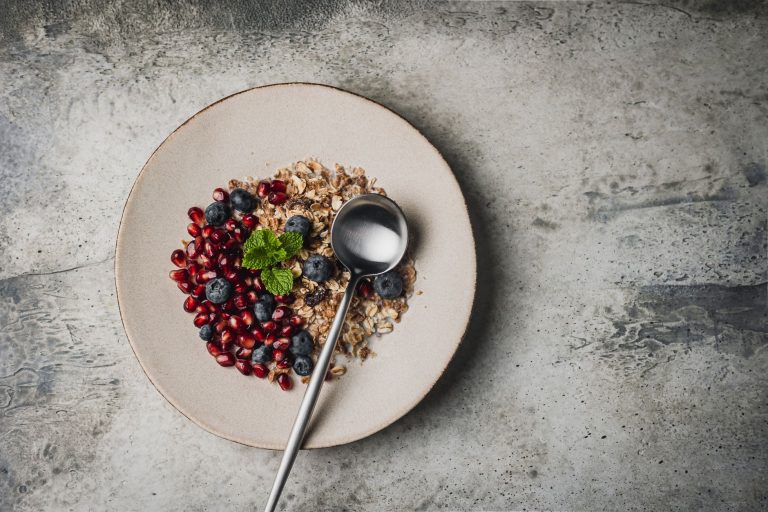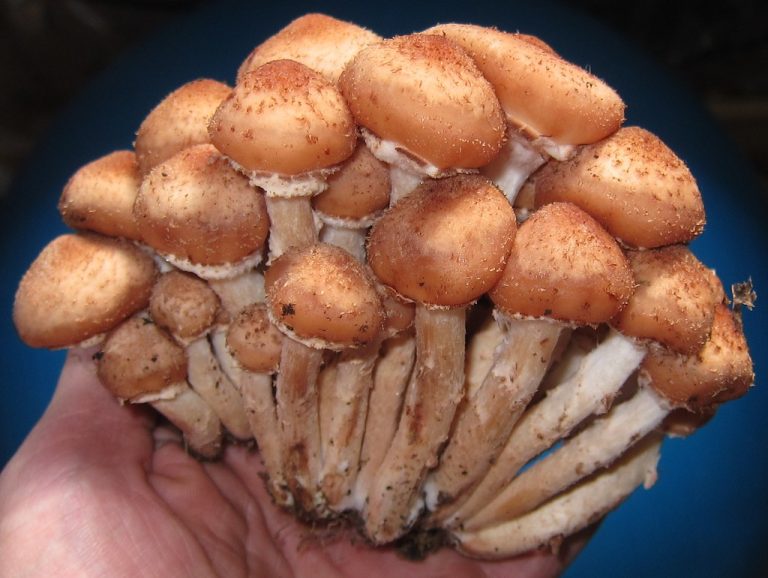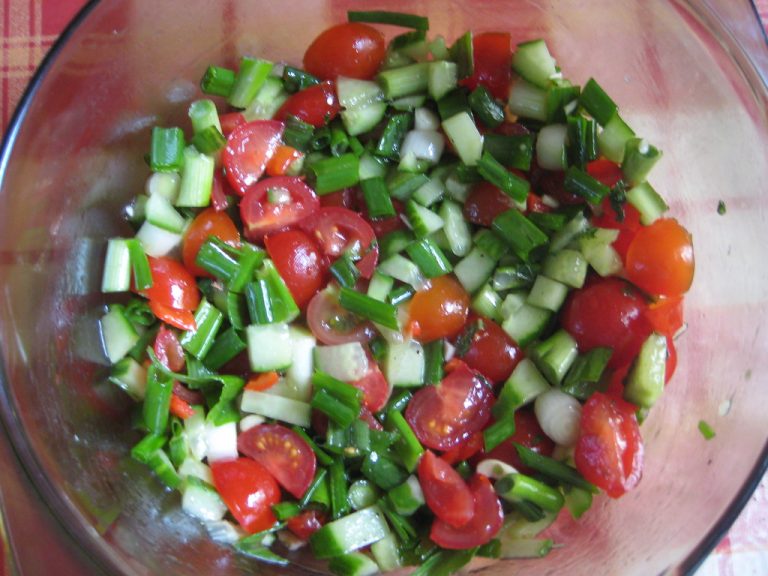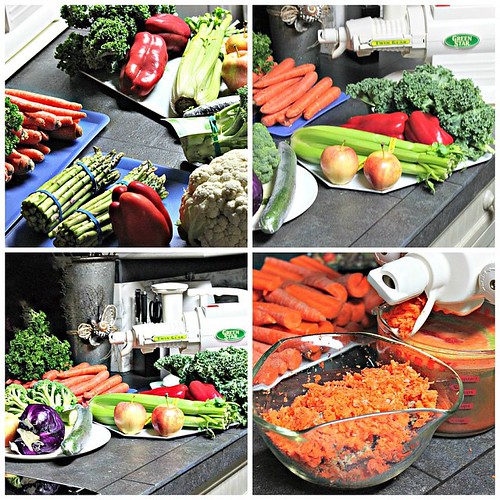

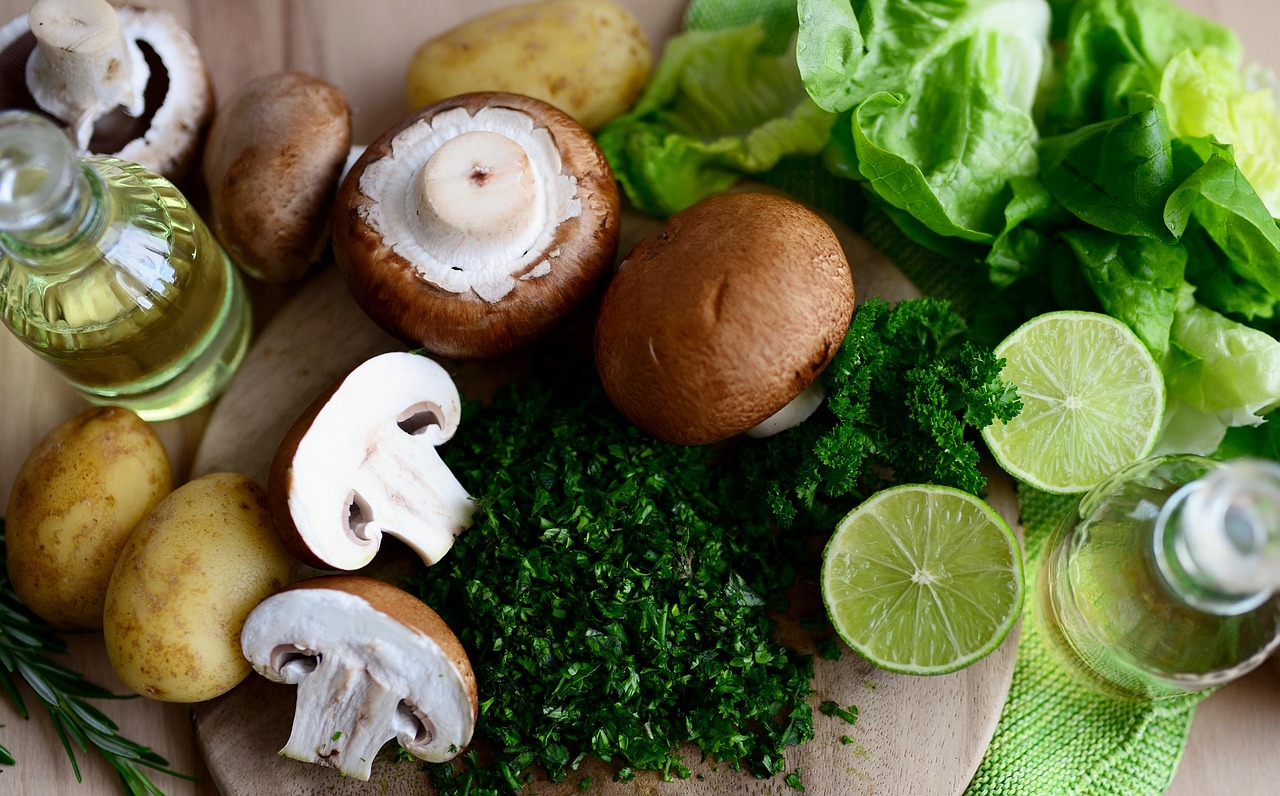
Photo by congerdesign on Pixabay
If you have ever felt bloated after a meal, sluggish in the afternoon, or strangely hungry only a few hours after eating, your gut may be trying to tell you something. Digestive wellness is not just about avoiding discomfort; it shapes how your body absorbs nutrition, manages cravings, supports immunity, and even regulates mood. That is why more people are turning to organic food as part of a healthy lifestyle that feels sustainable, not restrictive.
Clean eating is often discussed as a weight loss strategy, but the real power of a gut-friendly approach is much broader. When your meals are built around organic vegetables, fiber-rich plants, fermented foods, and simple ingredients you can trust, digestion tends to become smoother, energy becomes steadier, and eating starts to feel less like a battle. Could your next nutrition upgrade be as simple as changing what is on your plate?
This guide explores how organic food supports gut health, which foods deserve a regular place in your kitchen, and how to create a practical clean eating routine that works in everyday life. You will also see how a gentle detox diet can fit into the picture without extremes, fad rules, or unrealistic expectations.
Why Gut Health Is at the Center of Clean Eating
The gut does far more than process food. It is the command center for digestion, nutrient absorption, and many of the signals that influence appetite and energy. A balanced gut environment helps the body break down meals efficiently, use vitamins and minerals properly, and maintain a healthier response to stress and inflammation.
When your digestive system is working well, you are more likely to feel satisfied after meals, experience fewer sugar crashes, and keep your metabolism moving in the right direction. That is why clean eating is not only about avoiding processed ingredients. It is about feeding the gut in a way that supports the whole body.
The Microbiome and Your Daily Wellness
Your gut microbiome is the community of bacteria and other microorganisms living in your digestive tract. Some of these microbes support digestion, help produce certain vitamins, and influence immune function. Others can become problematic when the balance shifts too far in the wrong direction.
Organic food can play a meaningful role here because it often fits naturally into a diet rich in plants, fiber, and minimally processed meals. While no single food creates a perfect microbiome, your everyday choices can encourage beneficial bacteria to thrive. That means more than just feeling lighter after eating; it can also mean better regularity, improved comfort, and stronger long-term nutrition.
Why Gut Imbalance Can Affect Weight Loss
Have you ever wondered why some people seem to eat reasonably well and still struggle with stubborn weight? Digestive health may be part of the answer. When the gut is irritated, inflamed, or out of balance, the body may be more likely to store water, trigger cravings, or send mixed signals about fullness.
That does not mean weight loss is determined by gut health alone, but the connection is real. A well-nourished digestive system can make a healthy diet feel easier to follow. It may also help reduce the false hunger that appears when blood sugar is unstable or when meals are low in fiber and protein.
Signs Your Digestion Needs More Support
Not all digestive issues are dramatic. In fact, many people normalize symptoms that are actually signs of imbalance. If any of these sound familiar, your gut may benefit from more attention:
- Frequent bloating after meals
- Irregular bowel movements or constipation
- Cravings for sugar, salt, or processed snacks
- Feeling tired even after eating
- Discomfort after greasy or heavily processed foods
- Brain fog or lack of concentration
These symptoms do not automatically point to one issue, but they often improve when the diet becomes more organic, more balanced, and less dependent on ultra-processed products.
How Organic Food Supports Digestive Wellness
Choosing organic food is not a magic fix, but it can simplify clean eating in a way that makes sense. Organic produce, grains, legumes, dairy, and proteins are grown or raised under standards that limit many synthetic inputs. For people trying to build a more mindful healthy lifestyle, that can feel reassuring and practical at the same time.
For digestion, the biggest benefits usually come from the quality of the whole diet. Organic meals tend to be built around plants, simple recipes, and fewer additives. That combination supports the gut in a way that highly processed convenience foods often do not.
Fewer Synthetic Residues, Simpler Choices
Many people choose organic food because they want fewer synthetic pesticide residues in their meals. While the research continues to evolve, this preference can matter especially for families, frequent fruit-and-vegetable eaters, and anyone trying to reduce the overall chemical load in their daily routine.
From a clean eating perspective, the benefit is not just about what is absent. It is also about what is present: fresh produce, recognizable ingredients, and a meal pattern that feels closer to nature. When food is simpler, it is often easier to digest, plan, and enjoy consistently.
More Nutrient-Dense Meals Start Here
Organic foods can be a strong base for nutrient density because they naturally lend themselves to meals built around vegetables, fruits, whole grains, legumes, and healthy fats. Instead of relying on packaged snacks, you build plates that carry fiber, antioxidants, and minerals your body can actually use.
Fiber is especially important for gut health. It helps keep digestion moving, nourishes beneficial bacteria, and contributes to fullness after meals. If your current diet is low in plant foods, adding more organic vegetables and fruits can be one of the simplest ways to improve both nutrition and satiety.
Cleaner Ingredient Lists Make Eating Easier
One of the hidden advantages of organic food is how often it pushes you toward shorter ingredient lists. A snack made from oats, seeds, nuts, and dried fruit is easier to understand than one packed with stabilizers, flavor enhancers, and artificial sweeteners. That matters when your goal is a cleaner, calmer digestive routine.
Does every processed ingredient harm the gut? Of course not. But the more your diet depends on whole foods, the more likely it is that your meals will support the digestive system rather than constantly challenge it.
[IMAGE: organic vegetables]
The Best Organic Foods for Gut Health
Gut-friendly eating does not have to be complicated. In fact, some of the most effective foods are the simplest. The goal is to combine fiber, hydration, beneficial microbes, and anti-inflammatory nutrients in a way your body can tolerate and enjoy.
If you want to improve digestion while also supporting weight loss, focus on foods that satisfy without overwhelming the gut. Think texture, balance, and freshness rather than restriction.
Organic Leafy Greens and Cruciferous Vegetables
Spinach, kale, romaine, arugula, broccoli, cauliflower, cabbage, and Brussels sprouts are especially useful in a gut-supportive diet. They provide fiber, antioxidants, and plant compounds that can support overall nutrition. When cooked well, many of them become easier to digest.
Try roasting broccoli with olive oil and sea salt, lightly steaming kale into soups, or adding shredded cabbage to grain bowls. Small changes like these can make clean eating feel far more doable.
- Use leafy greens in salads, omelets, and soups
- Roast cruciferous vegetables instead of deep-frying them
- Pair them with healthy fats for better satisfaction
Organic Berries and Low-Sugar Fruits
Berries are among the most helpful fruits for a balanced diet because they deliver fiber and antioxidants without overwhelming the body with sugar. Blueberries, raspberries, blackberries, and strawberries fit beautifully into a clean eating plan focused on digestion and weight loss.
Apples, pears, kiwis, and citrus fruits also support the gut in different ways. Their natural fiber can help with regularity, while their bright flavor makes healthy meals feel more enjoyable. Why reach for a packaged dessert when a bowl of organic berries with yogurt can satisfy just as well?
Fermented Foods That Feed the Gut
Fermented foods are a cornerstone of many gut-friendly diets because they contain live cultures or traditional fermentation byproducts that can support microbial diversity. Organic yogurt, kefir, sauerkraut, kimchi, miso, and tempeh are excellent options if they agree with your system.
Start slowly if fermented foods are new to you. A spoonful of sauerkraut or a small serving of kefir may be enough at first. The goal is consistency, not excess. If you introduce them gradually, you are more likely to notice the benefits without discomfort.
Prebiotic Foods That Nourish Beneficial Bacteria
Prebiotics are fibers that feed the good bacteria in the gut. Organic onions, garlic, asparagus, bananas, oats, flaxseeds, and Jerusalem artichokes can help create an environment where beneficial microbes thrive. Think of them as fuel for your internal ecosystem.
Prebiotic foods are especially valuable because they work behind the scenes. You may not notice them immediately, but they can quietly support better digestion over time. A diet rich in both prebiotics and probiotics is a smart long-term nutrition strategy.
Healthy Fats and Quality Proteins
The gut needs more than plants. Healthy fats from organic avocados, extra-virgin olive oil, walnuts, and chia seeds can support satiety and smooth meal composition. Likewise, quality proteins from organic eggs, Greek yogurt, lentils, beans, wild-caught fish, and pasture-raised poultry can help stabilize appetite.
If you often feel hungry soon after eating, the issue may not be willpower. It may be that your meals are too light on protein or healthy fat. Once those are balanced, clean eating becomes far more satisfying.
Build a Clean Eating Plate That Supports Digestion
Meal structure matters almost as much as food choice. A gut-friendly plate should include enough fiber to nourish the microbiome, enough protein to support fullness, and enough healthy fat to keep the meal satisfying. Too much raw food can be a problem for some people, while too little plant variety may leave the gut underfed.
One of the most useful strategies is to think in terms of balance. Your plate does not need to be perfect; it just needs to be consistent enough that your body knows what to expect.
A Simple Plate Formula
Try this flexible structure for lunch or dinner:
- Half the plate: non-starchy organic vegetables
- One quarter: quality protein
- One quarter: whole grains or starchy vegetables
- Addition: healthy fats and herbs for flavor
This formula supports steady energy, better digestion, and a more natural calorie balance for weight loss without forcing you to count every bite.
Breakfast That Feeds the Gut
Morning meals can shape the rest of the day. A clean eating breakfast might include organic oats with chia seeds, Greek yogurt with berries, a veggie omelet, or a smoothie with spinach, flaxseed, and kefir. These combinations are easy to digest and rich in nutrition.
If breakfast often makes you feel heavy, it may be time to reduce sugar and increase protein or fiber. A better morning meal can prevent the energy dip that leads to snacking later.
Lunch That Keeps You Steady
Lunch should give you a practical, satisfying reset. A bowl with quinoa, roasted vegetables, avocado, beans, and a light lemon-olive oil dressing can be both calming and energizing. It is the kind of meal that supports productivity without leaving you sluggish.
Ask yourself: does your usual lunch support your goals, or does it create an afternoon crash? That simple question can reveal a lot about where your nutrition needs adjustment.
Dinner That Helps You Recover
Dinner is often where people overeat or under-nourish. A balanced organic dinner might include baked salmon, roasted sweet potatoes, steamed greens, and a side of fermented vegetables. If you prefer plant-based meals, tofu stir-fry with brown rice and vegetables works beautifully too.
Keeping dinner moderate, flavorful, and easy to digest can support sleep and reduce late-night cravings. That alone can make weight loss feel more natural.
[IMAGE: healthy meal]
A Gentle Detox Diet Using Organic Foods
The phrase detox diet is often used in extreme ways, but a realistic detox approach is much simpler. Your body already detoxifies through the liver, kidneys, skin, and digestive system. What you can do is support those natural processes by reducing the burden of highly processed foods and increasing hydration, fiber, and nutrient-rich organic food.
A gentle detox diet is not about starvation, juice-only days, or dramatic cleanses. It is about creating a quieter, cleaner environment inside the body so digestion can function well.
What a Supportive Detox Diet Looks Like
Supportive detox eating emphasizes whole organic foods, light preparation, and plenty of fluids. Instead of trying to force rapid change, you focus on removing common irritants and adding nourishing basics.
- Choose organic vegetables at most meals
- Reduce alcohol, soda, and ultra-processed snacks
- Drink enough water throughout the day
- Use herbs like ginger, mint, parsley, and turmeric
- Eat regular meals to keep blood sugar stable
This approach can feel surprisingly refreshing. Many people notice less bloating and more mental clarity within a few days when they replace heavy, processed meals with simple clean eating choices.
Hydration Matters More Than People Realize
Water helps move fiber through the digestive tract and supports the body’s natural elimination pathways. If your fiber intake increases but your water intake stays low, digestion may become more uncomfortable rather than less. That is why hydration belongs in every conversation about gut health and nutrition.
Try starting the day with a glass of water, keeping a reusable bottle nearby, and adding herbal teas such as ginger, peppermint, or fennel when you want something soothing. Small habits often create the most lasting results.
Foods That Can Make Detox Feel Easier
Some organic foods are especially useful when you want to feel lighter and less inflamed:
- Cucumber and celery for hydration
- Lemon for flavor and freshness
- Leafy greens for fiber and micronutrients
- Beets for earthy, nutrient-dense meals
- Ginger for digestive comfort
- Chia seeds for soluble fiber
None of these foods are miracle cures, but they can make your meals feel cleaner, brighter, and more supportive of digestive balance.
Organic Meal Prep Ideas for Busy People
Healthy eating gets much easier when the food is ready before hunger hits. Meal prep is one of the simplest ways to stay committed to clean eating, especially if your schedule is full. The key is not to prep a week of complicated recipes. Instead, prepare versatile components that can be mixed into different meals.
When your fridge holds real ingredients, the odds of choosing nutritious food rise dramatically. That is especially important for anyone using organic food as part of a weight loss or gut health plan.
Prep Once, Eat Well All Week
A good prep session might take 60 to 90 minutes and save hours of decision-making later. Here are a few smart moves:
- Roast a tray of organic vegetables
- Cook quinoa, brown rice, or oats in bulk
- Wash and chop greens for salads and bowls
- Prepare a protein source such as eggs, beans, tofu, or chicken
- Mix a homemade dressing with olive oil, lemon, and herbs
Once these elements are ready, you can assemble meals in minutes. That convenience makes healthy choices much easier to repeat.
Make Grain-and-Greens Bowls
Grain bowls are one of the best tools for clean eating because they are flexible and satisfying. Start with a base of whole grains, add organic vegetables, choose a protein, and finish with seeds or avocado. You can change the flavor profile with spices, dressings, or fermented toppings.
A bowl like this works for lunch, dinner, or even a hearty post-workout meal. It is proof that nutrition does not need to be boring.
Build Smoothie Packs for Fast Mornings
If breakfast is your biggest challenge, prepare freezer smoothie packs with organic spinach, berries, banana, flaxseed, and maybe a bit of ginger. In the morning, blend with kefir, yogurt, or a plant-based milk. The result is a quick, nutrient-rich option that supports digestion without much effort.
Would you rather reach for a packaged pastry or a smoothie you prepared in advance? The answer usually becomes clear on busy mornings.
[IMAGE: fitness lifestyle]
Foods and Habits That Can Slow Digestive Progress
Even the healthiest plan can lose its power if a few hidden habits are working against it. Gut health is not only about adding the right foods; it is also about reducing the things that interfere with digestion. This is where many people accidentally stall their progress.
The good news is that these obstacles are often easy to correct once you recognize them.
Too Much Fiber Too Fast
Fiber is essential, but adding too much too quickly can cause bloating, gas, or discomfort. If you are new to clean eating, increase vegetables, beans, and seeds gradually. Let your digestive system adapt instead of overwhelming it.
That slow progression is especially important if your current diet is low in plant foods. A sudden jump from highly processed meals to a very high-fiber pattern can feel rough even when the foods are healthy.
Eating in a Rush
Digestion begins before food reaches the stomach. When you eat too quickly, chew poorly, or stay highly stressed during meals, your body may not process food efficiently. You may feel full but not satisfied, or you may experience bloating soon after eating.
Try slowing down enough to notice flavors, textures, and satiety. This simple shift supports digestion more than many people realize. It can also improve your relationship with food, which matters just as much as the nutrients on the plate.
Heavy Reliance on Packaged Healthy Foods
Many products are marketed as healthy but still contain a long list of additives, sugar alcohols, gums, and refined ingredients. These foods are not always bad, but if they dominate your diet, your gut may not get the simplicity it needs.
Whenever possible, choose foods you can recognize immediately. An organic apple, a handful of walnuts, plain yogurt, or a bowl of soup made at home will usually serve digestion better than a bar loaded with emulsifiers and sweeteners.
Neglecting Sleep and Stress
Nutrition is only one part of the story. Poor sleep and chronic stress can alter digestion, increase cravings, and make weight loss harder. If your gut feels sensitive, do not overlook your schedule, your evening habits, or the amount of pressure you carry each day.
A healthy lifestyle includes rest. Your digestion often reflects how well you recover, not only how well you eat.
What a Week of Gut-Friendly Organic Eating Can Look Like
If you like structure, a simple weekly pattern can make clean eating feel much easier. You do not need to follow a rigid detox diet or a complicated meal chart. Instead, use a framework that repeats reliable choices and leaves room for flexibility.
Consider the following rhythm as inspiration rather than a strict rulebook:
- Breakfast: Oats with berries and seeds, yogurt with fruit, or eggs with greens
- Lunch: Grain bowl, vegetable soup, or salad with protein
- Snack: Apple with nut butter, kefir, carrots with hummus, or a small handful of nuts
- Dinner: Roasted vegetables with fish, tofu, beans, or chicken
Across the week, rotate vegetables, proteins, and grains to keep nutrition diverse. Variety matters because the gut benefits from different fibers, textures, and plant compounds.
How to Know If the Plan Is Working
Progress is not always dramatic. Often, the signs are subtle at first. You may notice fewer cravings, better morning energy, less bloating, or more predictable digestion. You may also feel calmer around food, which can be just as important as a smaller number on the scale.
If you are trying to lose weight, pay attention to consistency rather than perfection. Are you making choices you can repeat next week? Are your meals satisfying enough to keep you away from random snacking? Those answers matter more than any trend.
How Gut Health Supports Weight Loss and a Healthy Lifestyle
People often assume weight loss depends mainly on discipline, but the body is more complex than that. When digestion is balanced, the body tends to handle meals more efficiently. Hunger feels more manageable, energy is steadier, and you are less likely to bounce between restriction and overeating.
Organic food supports this process by making clean eating more natural. You are not relying on gimmicks; you are building a lifestyle that works with your body instead of against it.
Better Satiety Means Less Grazing
Meals rich in fiber, protein, and healthy fats can help you feel fuller for longer. That can reduce the urge to snack constantly, especially on highly processed foods that are engineered to be hard to stop eating. If you have ever wondered why you keep reaching for more food even after a full meal, the answer may lie in the quality of what you ate.
Organic meals built from whole ingredients often create a more stable sense of satisfaction. That can make a healthy diet feel surprisingly effortless over time.
Stable Blood Sugar Supports Better Decisions
When blood sugar swings too widely, cravings often become stronger and self-control feels weaker. Balanced meals help prevent that pattern. By combining organic vegetables, quality protein, and smart carbs, you give your body a steadier fuel source.
This is one reason why clean eating often leads to better adherence. You are less likely to feel deprived, and more likely to make food choices based on intention rather than impulse.
Less Bloating Can Improve Motivation
Sometimes the biggest reward is not visible fat loss right away. It is the feeling of being less puffy, more comfortable, and more confident in your body. When bloating decreases, motivation often increases too. Suddenly, healthy habits feel worth the effort because you can feel them working.
That emotional reinforcement matters. A plan that improves how you feel is much easier to keep than one that only promises distant results.
Common Questions People Ask About Organic Food and Gut Health
There is no shortage of nutrition advice online, but not all of it is useful. A few common questions come up repeatedly when people start exploring organic food, clean eating, and digestive support.
Do I Need to Eat 100 Percent Organic?
Not necessarily. A mostly organic approach can still be very effective. Start with the foods you eat most often or the produce you consume in larger quantities. The goal is progress, not pressure.
If going fully organic creates stress, you may end up abandoning the plan altogether. A practical, balanced strategy is usually the most sustainable.
Can Organic Food Help with Weight Loss on Its Own?
Organic food alone does not guarantee weight loss. What matters more is the overall pattern: calorie balance, protein intake, fiber, sleep, movement, and consistency. Still, organic food can make weight loss easier because it often comes packaged in more whole, less processed forms.
Think of it as an advantage, not a shortcut.
Are Fermented Foods Safe for Everyone?
Many people tolerate fermented foods well, but not everyone does. If you have a sensitive stomach or a medical condition affecting digestion, introduce them slowly and pay attention to how you feel. When in doubt, seek guidance from a qualified health professional.
The best gut health plan is the one your body can comfortably maintain.
Is a Detox Diet Necessary for Gut Health?
Not in the extreme sense. Your body already detoxifies naturally. A sensible detox diet simply means removing excess junk, alcohol, and artificial overload while adding nutrient-rich organic food, hydration, and rest. That is far more effective than any crash cleanse.
In other words, support the body rather than trying to force it.
Making Organic Eating Feel Realistic Every Day
The most successful nutrition plans are the ones that fit real life. You do not need a perfect kitchen, a long list of expensive supplements, or a complicated schedule to support gut health. You need a repeatable system built around good food, simple routines, and awareness of how your body responds.
Start with one change if that is easier. Maybe you add organic vegetables to lunch. Maybe you swap sugary snacks for berries and yogurt. Maybe you cook at home twice more per week. Small shifts add up faster than most people expect.
- Choose one organic food upgrade each week
- Keep gut-friendly snacks visible and convenient
- Plan meals before hunger makes the choice for you
- Track how you feel, not just what you weigh
- Stay patient as your digestion adapts
Over time, these habits can transform how you experience food. Meals become less chaotic, your body feels more supported, and clean eating starts to feel like a normal part of your healthy lifestyle instead of a temporary project.
When you build your diet around organic food, gut-friendly ingredients, and simple routines that you can actually keep, you create more than a meal plan. You create a foundation for better digestion, more stable energy, and sustainable weight loss that does not depend on extremes. If this approach resonates with you, keep exploring more organic food and nutrition articles on DietOrganic, and use what you learn to turn each meal into a quiet act of self-care.
About the Author