
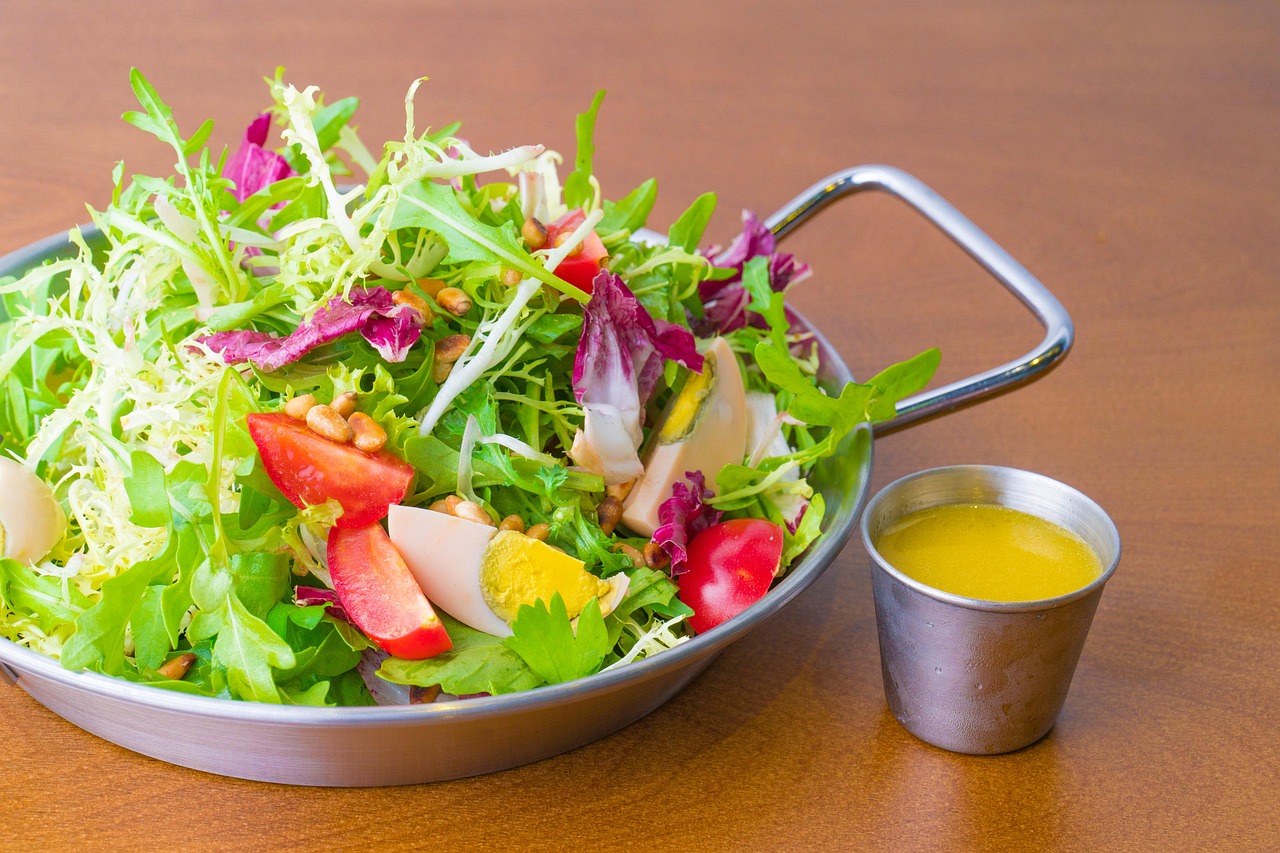
Photo by WillyGo503 on Pixabay
Your gut does far more than digest dinner. It influences energy, mood, cravings, immunity, and even how easily you maintain a healthy weight. That is why so many people are turning to organic food as part of a cleaner, more intentional approach to nutrition. When your meals are built around whole, minimally processed ingredients, your body gets a better chance to thrive, and your digestive system can finally breathe a little easier.
But what does a gut-friendly organic diet actually look like in real life? Is it only about eating more vegetables, or is there a smarter way to combine fiber, fermented foods, hydration, and clean eating habits so your body feels lighter and more balanced? If you have been looking for a practical path toward better digestion, less bloating, and sustainable weight loss, this guide will walk you through the essentials in a clear, approachable way.
[IMAGE: organic vegetables]
Rather than chasing extreme detox diet trends or restrictive rules, think of this as a long-term strategy for a healthier microbiome and a more stable lifestyle. The goal is not perfection. The goal is to create meals that nourish your gut, support your metabolism, and make healthy choices feel natural instead of forced. That shift alone can change the way you experience food, hunger, and energy throughout the day.
Why Gut Health Matters in a Healthy Diet
Gut health has become one of the most talked-about topics in modern nutrition, and for good reason. The digestive tract is home to trillions of bacteria, fungi, and other microorganisms that help break down food, produce certain vitamins, and communicate with the rest of the body. A balanced gut environment can support smoother digestion, stronger immune function, and more predictable appetite control.
When the gut is out of balance, you may notice common signs such as bloating, sluggish digestion, irregular bowel movements, food sensitivities, or intense sugar cravings. Have you ever eaten a meal that looked healthy on paper but still left you feeling heavy and uncomfortable? That can happen when the food lacks the right mix of fiber, enzymes, or beneficial compounds that support digestive ease.
Organic food can play an important role here because it often encourages a cleaner overall pattern of eating. People who choose organic produce, organic protein sources, and minimally processed pantry staples tend to consume fewer additives and more whole ingredients. Over time, that pattern can create a more supportive environment for gut bacteria and a healthier relationship with food.
The gut-weight connection
A healthy gut is not a magic trick for weight loss, but it can make it easier to stay consistent with a healthy diet. When digestion is steady, blood sugar is more stable, cravings are often easier to manage, and the body can better recognize fullness. If you are constantly bloated, inflamed, or running on sugar spikes and crashes, even the best exercise plan can feel like an uphill battle.
Think of gut health as the foundation under everything else. If your digestion improves, your sleep may improve. If sleep improves, your appetite may become more stable. If appetite becomes more stable, your healthy lifestyle habits become easier to maintain. That chain reaction is exactly why so many nutrition experts now recommend a gut-first approach to clean eating.
What Makes Organic Food Helpful for Digestion?
Organic food is not automatically healthier in every single scenario, but it can be a smart choice when your goal is to reduce exposure to certain pesticides and focus on foods closer to their natural form. In practical terms, an organic diet often means more fruits, vegetables, grains, legumes, nuts, seeds, and quality proteins that have been grown or produced with stricter standards.
For the digestive system, the advantage is often less about one dramatic nutrient and more about the overall pattern. When your kitchen is stocked with organic vegetables, whole grains, and fresh proteins, you are more likely to cook from scratch, eat more fiber, and avoid highly processed products that can be harder on the gut.
That matters because your microbiome thrives on variety. A healthy diet for gut support usually includes different fibers, resistant starches, fermented foods, and plant compounds that feed beneficial bacteria. Organic food can make that pattern easier to follow because it naturally points you toward fresher, more nutrient-dense meals.
Why whole foods usually win
Many digestive issues are not caused by the presence of one specific food. More often, they show up when the diet is too low in fiber, too high in refined sugar, or too dependent on packaged convenience foods. Whole organic foods can help you move away from that pattern in a satisfying way.
- They usually contain more natural fiber, which supports bowel regularity.
- They are often less dependent on additives, emulsifiers, and artificial flavors.
- They encourage home cooking, which gives you more control over ingredients.
- They make it easier to build balanced meals with protein, healthy fats, and complex carbs.
That is a major advantage if you are trying to create a sustainable healthy lifestyle instead of following a short-lived detox diet. Real gut support happens through daily choices, not temporary extremes.
The Best Organic Foods for Gut Health and Clean Eating
Not all organic food works the same way for every person, but some categories consistently support digestion, comfort, and long-term wellness. If your goal is weight loss, a flatter-feeling stomach, or simply a more reliable digestive rhythm, these foods deserve a place on your plate.
1. Organic vegetables with plenty of fiber
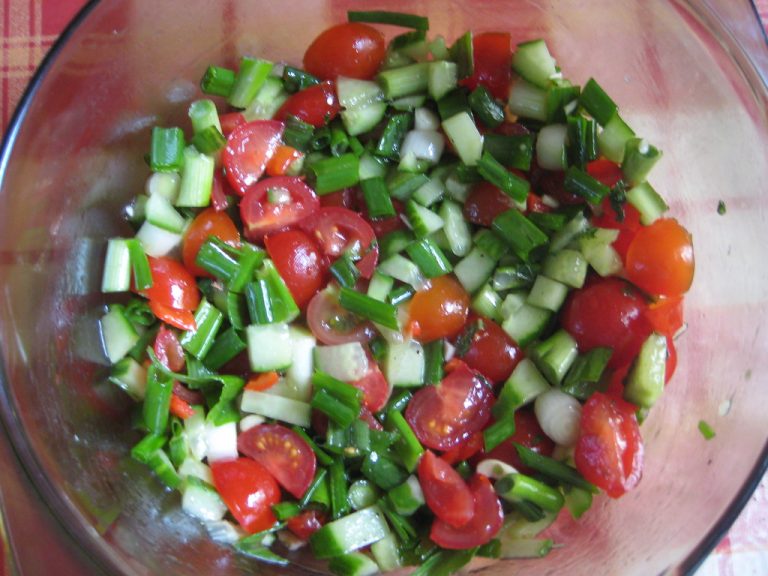
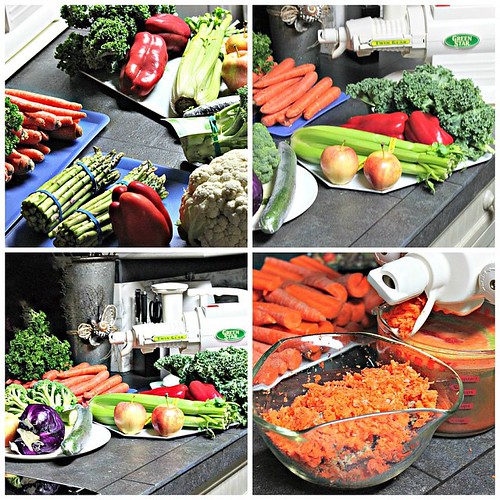
Organic vegetables are the backbone of a gut-friendly clean eating plan. Leafy greens, carrots, zucchini, broccoli, cauliflower, bell peppers, cucumbers, and asparagus all bring different fibers and plant compounds that your microbiome can use. Fiber helps bulk up stool, supports regularity, and feeds beneficial bacteria.
For people who feel heavy after meals, starting with vegetables can make a remarkable difference. Try roasting a tray of organic vegetables with olive oil, sea salt, garlic, and herbs, then pair them with a protein source and a whole grain. It is simple, satisfying, and easy to repeat.
[IMAGE: healthy meal]
2. Fermented foods for microbial balance
Fermented foods are a smart addition to a healthy diet because they provide live cultures or fermentation byproducts that may support a balanced gut environment. Organic yogurt, kefir, sauerkraut, kimchi, miso, and tempeh are common examples. These foods can be especially helpful if your digestive system needs a little extra support after a period of processed eating.
Start small. A spoonful of sauerkraut or a few tablespoons of kefir is often enough at first. Too much too quickly can be uncomfortable for some people. Would you rather overwhelm your system or teach it gradually to handle more beneficial bacteria? Slow, steady changes tend to be more sustainable and more comfortable.
3. Organic fruits with prebiotic power
Organic fruits like berries, bananas, apples, pears, and kiwi can support gut health in different ways. Some provide soluble fiber, while others offer polyphenols that may help beneficial bacteria flourish. Berries are especially popular in a clean eating plan because they are naturally lower in sugar than many other fruits and pair well with yogurt, oats, or chia pudding.
Bananas, especially when slightly green, contain resistant starch that acts like food for the gut microbiome. Apples and pears bring pectin, a type of fiber often associated with better digestive regularity. Kiwi is frequently used by nutrition professionals as a gentle option for supporting bowel movement comfort.
4. Organic whole grains and resistant starches
Not everyone realizes that gut health and weight loss can coexist beautifully when whole grains are chosen wisely. Organic oats, quinoa, brown rice, buckwheat, and barley provide fiber and slow-digesting carbohydrates that can help keep you full and energized. If you avoid grains because they feel heavy, try changing the format rather than eliminating them completely.
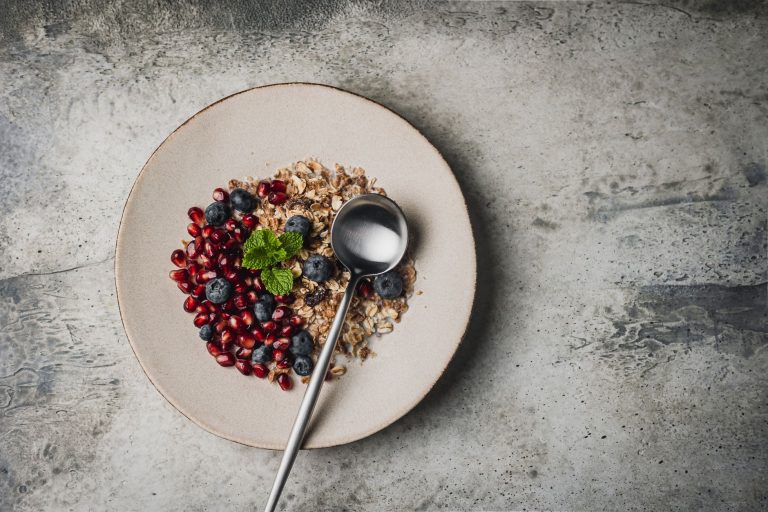
For example, overnight oats with chia, flax, and berries can feel much easier on digestion than a processed breakfast pastry. Cooked and cooled rice or potatoes can also contain resistant starch, which may support a healthier microbiome. These foods are not trendy because they are flashy; they are useful because they work.
5. Organic seeds, nuts, and healthy fats
Chia seeds, flaxseeds, pumpkin seeds, walnuts, and almonds bring fiber, plant-based fats, and minerals that support a healthy lifestyle. They also help meals feel satisfying, which is important if you are trying to reduce snacking or manage appetite during weight loss. Healthy fats help you absorb fat-soluble vitamins from vegetables and can make meals more nourishing overall.
Flax and chia are especially valuable for digestion because they can help create a more comfortable stool texture when consumed with enough water. Sprinkle them over yogurt, blend them into smoothies, or stir them into oatmeal. Even small amounts can make a meaningful difference over time.
6. Organic protein sources that are easy to digest
Protein is essential for muscle repair, metabolism, and satiety, but some sources are easier on digestion than others. Organic eggs, plain organic Greek yogurt, wild fish, tofu, tempeh, lentils, and chicken can fit into a gut-friendly plan depending on your tolerance and preferences. If you follow an organic vegan diet plan, lentils, chickpeas, tofu, tempeh, hemp seeds, and quinoa can cover a lot of ground.
The key is to pair protein with vegetables and healthy fats instead of building meals around protein alone. That way, you get a more balanced nutrient profile and less of the blood sugar roller coaster that can trigger cravings later.
How Organic Eating Supports Weight Loss Without Feeling Restrictive
Many people associate weight loss with cutting calories aggressively, but that approach often backfires. A better path is to focus on foods that naturally support fullness, digestion, and steady energy. Organic food can help because it often leads you toward meals that are less processed and more nutrient-dense.
When your food contains more fiber, protein, and healthy fats, you are less likely to feel deprived. That matters more than most people realize. A diet that feels punishing is difficult to sustain, while one that feels supportive can quietly produce better results over time.
Here is the bigger picture: gut health influences appetite hormones, inflammation, and how you experience hunger. If your meals stabilize your digestion, you may find it easier to make choices that align with your goals. That is why a clean eating approach built around organic food can be effective without being extreme.
Practical weight loss benefits of a gut-friendly organic diet
- You naturally eat more whole foods and fewer ultra-processed snacks.
- Meals become more filling because of the fiber-protein-fat combination.
- Cravings may be easier to manage when blood sugar is steadier.
- You are more likely to cook at home and control portion sizes.
- Your digestion may feel lighter, which can improve consistency and motivation.
Weight loss does not have to mean living in a state of constant restriction. Often, the most effective changes are also the most livable. Can your current eating pattern support your goals without making you miserable? If not, it may be time to design meals that work with your body instead of against it.
Building a Gut-Friendly Plate: The Simple Formula
You do not need complicated meal plans to eat well. In fact, simplicity often works best. A gut-friendly plate usually includes a source of fiber, a quality protein, a healthy fat, and in many cases a fermented or probiotic-rich food. That combination supports fullness, digestion, and stable energy.
A practical plate structure
- Half the plate: organic vegetables or a mix of vegetables and fruit
- One quarter: organic protein such as eggs, tofu, fish, lentils, or yogurt
- One quarter: whole grains or starchy vegetables
- Plus: healthy fats like avocado, olive oil, nuts, or seeds
- Optional: a fermented side such as kefir, kimchi, or sauerkraut
This structure makes it easier to create balanced meals without obsessive tracking. It also reduces the likelihood of grazing on random foods throughout the day, which can disrupt digestion and make weight loss more difficult.
Meal examples that actually feel realistic
Breakfast could be organic oats with chia seeds, blueberries, and plain yogurt. Lunch might be a grain bowl with roasted vegetables, chickpeas, avocado, and sauerkraut. Dinner could feature salmon, quinoa, and steamed broccoli with olive oil and lemon. These are not complicated recipes, but they are carefully built to support your gut from multiple angles.
If that sounds too plain, remember that flavor matters too. Fresh herbs, garlic, ginger, turmeric, lemon, and vinegar can turn simple food into something exciting. Clean eating does not have to be boring; it just needs to be intentional.
Gut-Supportive Foods That Also Fit a Detox Diet Mindset
The word detox gets used in many different ways, and not all of them are helpful. Your body already has built-in detoxification systems through the liver, kidneys, skin, and digestive tract. The real job of a detox diet should not be starvation or juicing for days on end. Instead, it should be about reducing the burden of highly processed foods and adding more foods that support natural elimination.
Organic food fits beautifully into that mindset because it tends to be whole, fresh, and nutrient-rich. Rather than forcing the body through an extreme reset, you are simply giving it better raw materials. That is a much more realistic path toward long-term wellness.
Foods and habits that support gentle detoxification
- Leafy greens such as spinach, kale, and arugula
- Cruciferous vegetables like broccoli, cabbage, and cauliflower
- Hydrating foods such as cucumber, celery, and melon
- Fiber-rich foods that support elimination
- Water and herbal teas throughout the day
- Mindful meals eaten slowly and without distraction
Notice that none of these require you to buy a trendy cleanse kit. A true detox diet, when viewed through a nutrition lens, is really about consistent nourishment and elimination support. That is where organic vegetables, clean proteins, and whole grains become valuable tools rather than short-term fixes.
Common Gut Health Mistakes in a Clean Eating Routine
Many people try to improve digestion and weight loss but accidentally create more stress for the body. They may remove too many foods too quickly, rely on too much raw produce, or forget that the gut needs gradual adjustment. A healthy lifestyle is built on sustainability, not shock therapy.
1. Eating too little fiber
Fiber is essential, yet some people avoid it because they think it will cause bloating. In reality, a low-fiber diet can often make digestion slower and less efficient. The key is increasing fiber gradually and drinking enough water to support it. Jumping from highly processed food to giant salads overnight is rarely comfortable.
2. Overdoing raw foods
Raw vegetables have a place in a healthy diet, but not every gut thrives on them in large quantities. Some people feel better when vegetables are steamed, roasted, or lightly sautéed. Cooking can make nutrients easier to absorb and reduce digestive strain. If your stomach is sensitive, warm meals may be far more supportive than cold bowls every day.
3. Ignoring protein and healthy fats
Meals built only around produce often leave you hungry an hour later. That can lead to overeating later in the day, which works against weight loss and digestion. Protein and healthy fats help slow digestion, support satiety, and make meals more balanced. A bowl of fruit is refreshing, but a bowl of fruit with yogurt, seeds, and nuts is often far more satisfying.
4. Treating every issue like a detox problem
Sometimes bloating, fatigue, or cravings are linked to stress, sleep, or eating patterns rather than a need for a special cleanse. If you are constantly on a detox diet cycle, ask yourself whether your body may actually need routine, enough food, and less food anxiety. The most powerful nutrition strategy is often the one that calms the system instead of confusing it.
5. Expecting instant results
Gut health changes gradually. You may notice improvements in a few days, but deeper shifts often take weeks of consistency. The good news is that each meal is an opportunity to reinforce a healthier pattern. Small adjustments, repeated often, can create meaningful change.
A Sample Day of Organic Eating for Gut Health and Weight Loss
If you like practical examples, here is a simple way to structure a day of meals that supports clean eating, digestion, and steady energy. You can adjust the portions to match your needs, but the overall balance is what matters most.
Breakfast
Organic oats cooked with almond milk, topped with chia seeds, blueberries, and a spoonful of plain organic yogurt. Add cinnamon for flavor and a handful of walnuts for crunch. This breakfast is rich in fiber, gentle on the stomach, and satisfying enough to keep morning cravings under control.
Lunch
A bowl of quinoa with roasted organic vegetables, chickpeas, avocado, lemon juice, and a small serving of sauerkraut. This meal delivers protein, fiber, healthy fats, and a fermented element that supports the microbiome. It is colorful, filling, and easy to prepare in advance.
Snack
An organic apple with almond butter, or plain kefir with ground flaxseed. The best gut-friendly snack is one that prevents you from arriving at dinner overly hungry. If you often reach for sweets in the afternoon, this is a smart place to intervene.
Dinner
Wild salmon or tofu with steamed broccoli, roasted sweet potato, and olive oil. Add herbs, garlic, and a squeeze of lemon. This is the kind of dinner that feels calming rather than heavy, which is ideal if you want to support digestion at night.
Evening habit
A cup of ginger or peppermint tea, followed by a short walk or a quiet wind-down routine. Digestion is influenced by stress, so relaxing after dinner can be just as valuable as what you ate.
[IMAGE: fitness lifestyle]
How to Transition Into a Gut-Friendly Organic Diet
Switching your food routine does not have to feel overwhelming. In fact, the easiest path is often the one where you change a few habits at a time and let those changes settle before adding more. Have you ever tried to overhaul your entire pantry in one weekend, only to feel lost by Tuesday? Most people do better with a gradual approach.
Start with your grocery list
Before focusing on recipes, create a grocery list centered on organic vegetables, fruits, whole grains, fermented foods, and simple protein sources. If you keep the right ingredients at home, healthy meals become much easier to assemble. A pantry full of organic staples naturally encourages clean eating and reduces the urge to rely on processed convenience food.
Replace one meal a day first
Instead of changing everything, begin with breakfast or lunch. Pick one meal that you can make more gut-friendly for a week. Once that feels natural, move on to the next meal. This approach is more sustainable and helps you notice how different foods affect your digestion.
Pay attention to how you feel
Nutrition is personal. One person may feel amazing on more fermented foods, while another may need to go slowly. One person may thrive on oats, while another prefers eggs and vegetables. The best healthy diet is the one that gives you energy, comfort, and consistency without constant stress.
Keep meals simple, then refine
Simple does not mean dull. It means giving your body what it needs without excess noise. Over time, you can experiment with seasoning, textures, and recipes. But first, build the habit of regular, balanced meals. The foundation matters more than the decoration.
Organic Snacks That Support Digestion Between Meals
Snacking is not the enemy. In fact, the right snack can prevent overeating and support steady blood sugar. The trick is choosing foods that fit your goals instead of undermining them. Organic snacks can be especially helpful because they often contain fewer additives and more natural nutrients.
- Plain organic yogurt with berries
- Apple slices with nut butter
- Carrot sticks with hummus
- Pumpkin seeds and a small pear
- Hard-boiled organic eggs with cucumber
- Chia pudding made with almond milk
These options are easy to pack, simple to prepare, and much more supportive than sugary snacks that spike and crash your energy. If your afternoons often turn into a snack raid, this is one of the fastest areas to improve.
What to Drink for Better Digestion and Less Bloating
Hydration is one of the most overlooked parts of a healthy lifestyle. Water supports digestion, nutrient transport, and elimination. If you are increasing fiber, hydration becomes even more important because fiber needs fluid to do its job effectively. The right drinks can also make a gentle difference in how your stomach feels throughout the day.
Simple drink ideas
- Water with lemon or cucumber
- Ginger tea after meals
- Peppermint tea for a calming evening routine
- Kefir smoothies for a probiotic boost
- Herbal infusions with fennel or chamomile
If you enjoy a detox diet concept, think of drinks as supportive rather than magical. A glass of lemon water will not erase unhealthy habits, but it can help you stay hydrated and more aware of your body’s needs. That awareness is often what leads to better choices over time.
Why Clean Eating Feels Better When It Is Flexible
One of the biggest mistakes people make is assuming clean eating must be rigid. In reality, the healthiest approach is the one you can keep doing without resentment. Flexibility allows you to eat out, enjoy social events, and adapt to your schedule while still prioritizing organic food and nutrient-rich meals.
Maybe one day you have a perfect homemade lunch, and the next day you need a simple market salad or a quick soup. That still counts. A healthy diet is defined by patterns, not a single meal. The more flexible your system is, the less likely you are to swing between all-or-nothing thinking and burnout.
Ask yourself this: can your current way of eating survive a busy week, a travel day, or a stressful deadline? If the answer is no, it may be too complicated to support real life. The best gut-friendly plan is the one that follows you into your routine, not the one that only works on paper.
Making Organic Food Part of a Long-Term Healthy Lifestyle
The real value of organic food shows up when it becomes part of an everyday lifestyle, not just a temporary reset. You are not trying to be perfect. You are trying to give your body more of what it can use and less of what leaves it struggling. That shift helps digestion, supports weight loss, and creates a calmer relationship with food.
For many people, this process starts with a few deliberate changes: swapping sugary cereal for oats, replacing fried snacks with fruit and nuts, adding more organic vegetables to dinner, or introducing one fermented food each week. Those choices may seem small, but they build a different rhythm in the body.
Over time, you may notice that your meals feel more satisfying, your energy becomes steadier, and your cravings lose some of their intensity. That is the quiet power of clean eating done well. It does not demand attention with dramatic claims. It simply supports you, meal after meal, in a way that feels sustainable and humane.
If you want better digestion, a healthier gut, and a more balanced path toward weight loss, start with food that respects your body. Choose ingredients that look close to the way they grew, build meals that include fiber and protein, and make room for habits that reduce stress instead of adding to it. That is how a healthy diet becomes a real healthy lifestyle, and it is exactly the kind of approach worth returning to whenever you want more practical guidance, more inspiration, and more expert ideas from DietOrganic.
About the Author