
Photo by YourCastlesDecor on Openverse
When people talk about better digestion, they often focus on one product, one supplement, or one so-called miracle cleanse. But gut health is rarely improved by a shortcut. It is shaped by the everyday choices on your plate: the quality of your organic food, the balance of your meals, the way you combine fiber with hydration, and the consistency of your clean eating habits. If you have ever wondered why some weeks your body feels light and energized while other weeks you feel bloated, sluggish, or unusually hungry, your digestive system may be asking for a calmer, more nourishing routine.
nn
That is where organic foods can make a meaningful difference. A healthy diet built around minimally processed ingredients gives your gut more of what it needs and less of what it has to work against. The result is not just better digestion, but often a stronger healthy lifestyle overall: steadier energy, fewer cravings, a more balanced appetite, and support for long-term weight loss. Could a few thoughtful changes in the kitchen be the missing piece between feeling okay and feeling genuinely well? For many people, the answer is yes.
nn
[IMAGE: organic vegetables]
nn
Why Gut Health Matters More Than Most People Realize
n
Your gut is not simply a place where food is broken down. It is a complex system that influences nutrient absorption, immune response, hormone balance, and even your daily mood. When digestion is working smoothly, your body can extract vitamins, minerals, and energy more efficiently. When it is not, even a nutritious meal can leave you uncomfortable or tired. That is why gut health belongs at the center of any serious nutrition plan, whether your goal is clean eating, a more effective detox diet, better focus, or sustainable weight loss.
nn
The gut microbiome, made up of trillions of bacteria and other microorganisms, thrives on variety, fiber, and consistency. In practical terms, that means your digestive system benefits when you eat a wide range of organic food such as leafy greens, fermented vegetables, beans, seeds, herbs, fruits, and whole grains. It also benefits when you reduce the burden of highly processed foods, artificial additives, excess sugar, and overly refined ingredients that can disturb your gut balance.
nn
Many people assume digestion problems are normal, but frequent bloating, irregularity, heavy meals, or constant sugar cravings are signs worth paying attention to. Ask yourself: do you wake up feeling light and clear, or do you start the day already feeling behind? Do meals energize you, or do they leave you searching for coffee, snacks, or a nap? These clues can reveal more about your gut than a scale ever could.
nn
Common signs your gut may need support
n
- n
- Frequent bloating after meals
- Irregular bowel movements
- Cravings that feel difficult to control
- Low energy after eating
- Uncomfortable fullness from simple meals
- Skin flare-ups linked to food choices
- Feeling mentally foggy or sluggish
n
n
n
n
n
n
n
nn
These symptoms do not always mean something serious is wrong, but they do suggest that your daily nutrition deserves a closer look. A gut-friendly approach is often less about restriction and more about creating an environment where digestion can do its job efficiently.
nn
Organic Foods That Support a Healthier Gut
n
Not all healthy ingredients play the same role in digestion. Some foods feed beneficial bacteria, some calm inflammation, some support regularity, and some help the body absorb nutrients more effectively. The best organic food choices for gut health tend to be simple, recognizable, and rich in natural compounds that support the microbiome.
nn
1. Fermented organic foods
n
Fermented foods are among the most powerful allies for digestive balance because they naturally contain beneficial microbes. Organic sauerkraut, kimchi, kefir, yogurt, miso, and tempeh can help diversify the gut environment when they are eaten regularly and tolerated well. The key is to choose versions with little or no added sugar and minimal processing. Not every fermented food tastes glamorous, but your gut does not care about glamour. It cares about consistency.
nn
If you are new to fermented foods, start slowly. A spoonful of sauerkraut with lunch or a small serving of kefir in a smoothie is often enough at first. More is not always better, especially if your digestion is sensitive.
nn
2. Prebiotic-rich organic vegetables and fruits
n
Prebiotics are the fibers that feed beneficial bacteria. Think of them as the fuel that keeps your gut ecosystem thriving. Organic onions, garlic, leeks, asparagus, artichokes, bananas, apples, and oats are excellent examples. When these foods are eaten regularly, they can help create a more resilient digestive system and support better regularity.
nn
One advantage of choosing organic food here is that you are often increasing the quality of your produce while reducing exposure to unnecessary residues. For a clean eating routine, that can make your meals feel both more wholesome and more intentional.
nn
3. Fiber-rich leafy greens and cruciferous vegetables
n
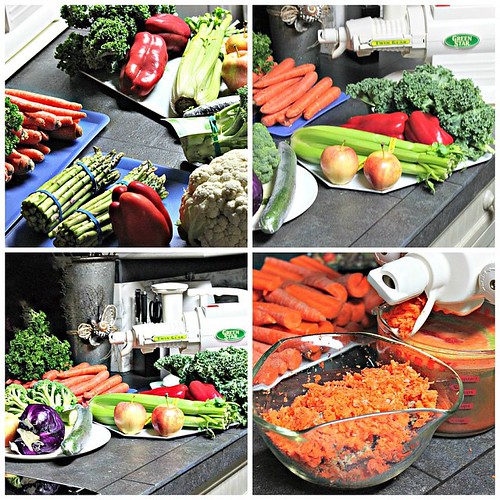
Leafy greens like spinach, kale, arugula, and Swiss chard are gentle, versatile, and packed with micronutrients. Cruciferous vegetables such as broccoli, cauliflower, Brussels sprouts, and cabbage offer fiber and beneficial plant compounds that support the body’s natural detox pathways. If your idea of a detox diet has always been juice-only, it may be time to upgrade that thinking. Real detox support comes from the foods that help your body process and eliminate waste efficiently, not from deprivation.
nn
[IMAGE: healthy meal]
nn
Cooked greens are often easier to digest than very large raw salads, especially for people prone to bloating. If you want to be kind to your gut, try steaming, sautéing, or roasting these vegetables instead of serving them raw every time.
nn
4. Organic seeds and healthy fats
n
Chia seeds, flaxseeds, hemp seeds, walnuts, avocado, and extra-virgin olive oil offer healthy fats and fiber that can support satiety and digestion. Many people overlook fats when thinking about gut health, but the right fats can help you feel satisfied after meals and reduce the urge to graze endlessly. That matters if you are trying to support weight loss without feeling deprived.
nn
Flax and chia are especially useful because they form a gel-like texture when soaked, which can be soothing and supportive for regularity. A spoonful added to oatmeal, yogurt, or a smoothie can be a small habit with a surprisingly strong payoff.
nn
5. Whole grains that nourish without overwhelming
n
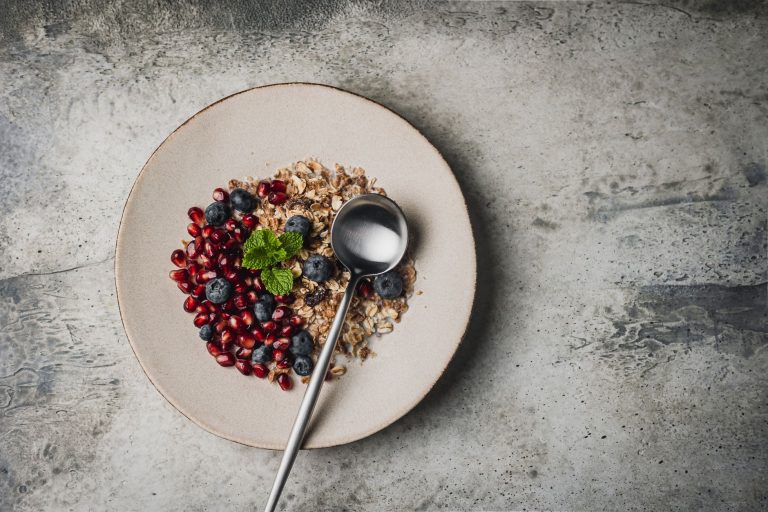
Organic oats, quinoa, brown rice, buckwheat, and millet can be excellent choices for people who want a healthy diet that still feels satisfying. Whole grains provide fiber, steady energy, and a fuller feeling after meals, which can make healthy lifestyle habits easier to maintain. For some people, a bowl of oats with berries and seeds is the difference between a calm morning and a day of cravings.
nn
That said, your gut may prefer cooked grains over large portions or heavily processed grain products. Portion size matters. So does the way grains are prepared. A warm bowl of oats is often easier to digest than a dry, packaged cereal loaded with sweeteners.
nn
6. Gentle herbs and digestion-friendly flavor boosters
n
Fresh ginger, turmeric, peppermint, fennel, parsley, and cilantro are simple additions that can make organic food more digestible and more satisfying. They also make healthy meals taste better, which is no small thing. A healthy diet is easier to maintain when your food actually feels enjoyable. Why force yourself through bland meals when a little ginger, lemon, or fennel can transform the experience?
nn
Herbs are not a cure-all, but they are a beautiful example of how small details can elevate both flavor and function.
nn
Why Organic Choices Matter for a Gut-Friendly Clean Eating Routine
n
Organic food is not automatically healthier in every situation, but it can be a smart foundation for anyone who wants to simplify their nutrition and support better digestion. One reason is ingredient quality. Many organic foods are less likely to contain synthetic pesticides, artificial colors, or unnecessary additives that can complicate an already sensitive system. Another reason is behavioral: when people choose organic ingredients, they often become more intentional about cooking, planning, and eating whole foods rather than relying on ultra-processed convenience items.
nn
Clean eating is not about perfection. It is about reducing noise in the diet so your body can respond more predictably. That means fewer mystery ingredients, fewer sugary snacks disguised as health foods, and fewer meals that leave you wondering why you feel tired afterward. Organic produce, grains, legumes, dairy, and proteins can help you build a cleaner base without making meals feel restrictive.
nn
There is also a subtle psychological benefit. When you choose quality ingredients, you often slow down and pay more attention to what you are eating. That alone can improve digestion. Chewing more thoroughly, eating more calmly, and sitting down to real meals instead of rushing through snacks are all simple habits that support your gut in ways people often underestimate.
nn
What to prioritize when shopping organic
n
- n
- Leafy greens and produce you eat often
- Foods with thin skins, such as berries and apples
- Ingredients that make up the base of your meals
- Fermented foods with minimal sugar
- Whole grains and legumes you use regularly
- Cooking oils and pantry staples with simple labels
n
n
n
n
n
n
nn
If organic shopping feels expensive at first, start where it matters most to your routine. You do not need to buy everything at once. A thoughtful transition is still a powerful one.
nn
The Gut-Weight Connection: Why Better Digestion Often Supports Weight Loss
n
Weight loss is often discussed as a matter of calories alone, but anyone who has struggled with bloating, cravings, and unstable energy knows the story is more complicated. A gut that is well-fed and calm tends to support more balanced hunger cues. A gut that is irritated or undernourished can send mixed signals, making you feel hungry soon after eating or drawn to quick energy from sugar and refined carbs.
nn
When your meals contain enough fiber, protein, healthy fats, and phytonutrients, they are more likely to stabilize blood sugar and keep you satisfied. That can reduce the pattern of over-snacking that quietly sabotages a healthy diet. In that sense, gut health supports weight loss not through punishment, but through better regulation.
nn
How poor digestion can affect your progress
n
- n
- Constipation can create a feeling of heaviness and discomfort
- Bloating can make it hard to recognize true changes in body composition
- Cravings can push you toward processed foods
- Low energy can reduce motivation to move
- Inflammation can make healthy routines feel more difficult to sustain
n
n
n
n
n
nn
In other words, the goal is not to force your body into submission. The goal is to support the systems that already know how to regulate appetite, energy, and elimination. When digestion improves, many people notice that healthy habits feel easier rather than harder.
nn
Why bloating is not just a cosmetic issue
n
Bloating can be uncomfortable, distracting, and emotionally frustrating. It can also affect your food choices the next day. People who feel puffy or overly full often compensate by eating less than they need or by reaching for foods that are easy to digest but low in nutrients. That cycle does not support long-term nutrition. Addressing bloating through smart organic food choices can help break the loop.
nn
How to Build a Gut-Friendly Organic Plate Every Day
n
You do not need a complicated meal plan to improve your digestion. You need a repeatable framework. One of the simplest approaches is to build each plate around four elements: fiber, color, protein, and healthy fat. When those components are present, meals tend to feel more balanced and satisfying.
nn
The organic plate formula
n
- n
- Half the plate: colorful vegetables, cooked or raw as tolerated
- One quarter: quality protein such as beans, eggs, fish, tofu, yogurt, or chicken
- One quarter: whole grains or starchy vegetables
- Plus: healthy fats, herbs, and fermented foods in small amounts
n
n
n
n
nn
This structure works because it is simple enough to repeat, yet flexible enough to suit different preferences. If you are vegetarian, you can lean on legumes, tempeh, quinoa, and seeds. If you eat animal products, you might include organic eggs, yogurt, fish, or poultry. The most important factor is not rigidity. It is consistency.
nn
Breakfast ideas that support digestion
n
Breakfast can set the tone for the whole day, especially if your mornings are typically rushed. Choose something that feels steady rather than sugary. A gut-friendly breakfast may look like oatmeal with chia seeds, cinnamon, and berries; yogurt with flax and sliced banana; or scrambled eggs with sautéed greens and avocado. What do these breakfasts have in common? They are simple, satisfying, and less likely to spike hunger an hour later.
nn
A good breakfast should not leave you searching for a snack before you have even answered your first email. If it does, the meal may need more protein, fiber, or fat.
nn
Lunch ideas that avoid the afternoon crash
n
Lunch is where many healthy routines begin to drift. You may start the day with good intentions, then end up at midday with an underwhelming salad or a convenient but empty-calorie sandwich. A more reliable approach is to anchor lunch around a grain bowl, soup, or hearty salad built from organic ingredients. Add roasted vegetables, lentils, grilled chicken, hemp seeds, or fermented toppings. Then notice the difference in your afternoon focus.
nn
A well-composed lunch can prevent the cycle of late-day snacking that often derails clean eating. It can also support a more stable mood, which is one reason nutrition and productivity are so closely linked.
nn
Dinner ideas that are easy on the gut
n
For many people, dinner should be nourishing without being heavy. Think roasted salmon with asparagus and quinoa, lentil soup with carrots and herbs, or tofu stir-fry with ginger, broccoli, and brown rice. If your evenings often end with indigestion, pay attention to portion size and cooking method. A giant late-night meal may feel indulgent in the moment but can leave the gut working overtime when it should be resting.
nn
Cooking vegetables until just tender, seasoning with mild herbs, and avoiding excess grease can make dinner feel more soothing. The goal is not to eat tiny meals forever. The goal is to give your body enough support to repair and recover overnight.
nn
[IMAGE: fitness lifestyle]
nn
A Gentle 3-Day Organic Reset for a Busier Week
n
If your digestion has been off track, a short reset can help you reconnect with clean eating without turning it into a harsh detox diet. This is not about starvation, juice fasting, or extreme rules. It is about simplifying your meals, increasing hydration, and removing common irritants for a few days so your gut can catch up.
nn
Day 1: Simplify
n
Focus on basic organic food that is easy to digest: oatmeal, bananas, cooked vegetables, rice, broth-based soups, and a protein source you tolerate well. Drink water throughout the day and avoid grazing constantly.
nn
Day 2: Add fiber and color
n
Introduce more leafy greens, berries, chia seeds, and fermented foods in small portions. Keep meals regular. Ask yourself whether you are eating because you are hungry or because you are bored, stressed, or distracted.
nn
Day 3: Build balance
n
Round out the day with a stable mix of protein, fat, and fiber at each meal. Include prebiotic vegetables, a whole grain, and plenty of fluid. Notice whether your stomach feels calmer, your energy steadier, or your cravings less intense.
nn
A reset like this can be especially useful after travel, celebrations, or a week of irregular meals. It is not magic. It is simply a way to get back in rhythm.
nn
Common Gut Health Mistakes People Make Even When Eating Healthy
n
Many people want to eat well but still unknowingly make choices that keep digestion under pressure. Some of these mistakes are subtle. Others are obvious but easy to ignore when life gets busy. The good news is that they are fixable.
nn
1. Eating too much raw food too quickly
n
Raw vegetables are healthy, but not everyone digests them well in large quantities. If salads make you feel overly full or gassy, try cooked vegetables instead.
nn
2. Relying on trendy health foods
n
Many packaged snacks market themselves as clean eating products, yet they still contain gums, excess sweeteners, and highly refined ingredients. Always read labels. Organic food is still food, not a magic shield.
nn
3. Drinking too little water
n
Fiber without fluids can backfire. If you increase your intake of vegetables, seeds, and whole grains, make sure you are also drinking enough water to help everything move smoothly.
nn
4. Eating in a rush
n
Your digestive system begins processing food before the first bite is swallowed. When meals are eaten in a hurry, you are more likely to overeat and less likely to notice fullness cues. Slow down. Breathe. Chew thoroughly. Could something so simple really matter? Yes, often it does.
nn
5. Ignoring stress
n
The gut and nervous system are closely connected. If your body is under constant stress, even excellent nutrition may not feel enough. Sleep, movement, quiet moments, and realistic expectations all play a role in digestion.
nn
Organic Meal Prep Ideas for Real Life
n
The healthiest plan in the world will not help if it is too complicated to follow. Meal prep is one of the easiest ways to support a healthy lifestyle without spending every evening in the kitchen. The key is to prepare building blocks instead of fixed, boring meals.
nn
Prep once, combine often
n
- n
- Wash and chop leafy greens and vegetables
- Cook a grain such as quinoa, rice, or oats
- Roast a tray of mixed vegetables
- Prepare one protein source or legume dish
- Make a simple dressing with olive oil, lemon, and herbs
- Keep fermented toppings ready in the fridge
n
n
n
n
n
n
nn
With these basics on hand, you can build bowls, salads, soups, wraps, and quick dinners without starting from zero each time. That alone can make clean eating feel far more realistic.
nn
How to build a week of gut-friendly meals
n
Think in categories rather than exact recipes. A breakfast might be oatmeal with flax and berries. Lunch could be a quinoa bowl with roasted vegetables and sauerkraut. Dinner might be salmon, spinach, and sweet potato. Snacks can include an apple with nut butter, yogurt, or cucumber with hummus. This approach protects you from decision fatigue while keeping your meals nutrient-dense.
nn
For busy people, simplicity is not a downgrade. It is a strategy.
nn
Budget-Friendly Ways to Eat Organic Without Losing Balance
n
One of the most common objections to organic food is cost. That concern is valid, but it does not have to become an excuse to abandon your goals. You can support gut health on a budget by being strategic about what you buy organic and how you use it.
nn
Smart ways to save money
n
- n
- Buy frozen organic vegetables and berries
- Choose store-brand organic pantry staples
- Use organic ingredients in your most frequent meals first
- Cook larger batches and freeze portions
- Build meals around whole foods instead of specialty products
- Shop seasonal produce when possible
n
n
n
n
n
n
nn
Frozen organic produce is especially useful for smoothies, soups, stir-fries, and quick sides. It is often just as nutritious as fresh produce and can be more affordable and less wasteful.
nn
When Gut Support Should Be More Than a Self-Help Experiment
n
Most digestion issues can improve with better food choices, stress management, and a more consistent routine. However, persistent or severe symptoms should not be ignored. If you experience ongoing pain, unexplained weight changes, blood in the stool, or major digestive disruption, you should speak with a qualified healthcare professional.
nn
It is wise to remember that nutrition supports health, but it does not replace medical care. The best healthy diet is one that works in partnership with your body and your personal needs. Sometimes that includes testing, individualized advice, or treatment that goes beyond food alone.
nn
What a Better Gut Can Change in the Rest of Your Life
n
When digestion improves, people often notice changes far beyond the bathroom. Energy becomes steadier. Meals feel more satisfying. Cravings become easier to understand. The emotional experience of eating changes, too, because food starts to feel like support instead of confusion. This is one reason organic food and gut health are such a powerful combination: they create an environment where your body can function with less friction.
nn
Better gut health can also influence movement and exercise. If you feel lighter, less bloated, and more comfortable, you are more likely to stay active. That creates a positive loop. Better nutrition supports better movement, and better movement supports better digestion. Before long, healthy lifestyle habits stop feeling like separate tasks and start feeling like one coherent system.
nn
If you want a healthy diet that actually lasts, it helps to focus on what feels sustainable. Choose foods that your body accepts well. Cook in ways that are simple. Eat at times that support your schedule. Use clean eating as a foundation, not as a punishment. And remember that weight loss, when it is appropriate for you, tends to be more sustainable when your digestion is stable and your meals leave you nourished rather than depleted.
nn
The most elegant nutrition plans are not the most extreme ones. They are the ones you can repeat on a busy Tuesday, a stressful Friday, and a quiet Sunday without feeling trapped. That is what makes organic food for gut health so compelling: it is practical, calming, and quietly transformative. If you are ready to keep refining your routine, explore more expert articles on DietOrganic for fresh ideas on clean eating, detox diet support, weight loss, and the kind of healthy lifestyle that feels both elevated and achievable.
About the Author