
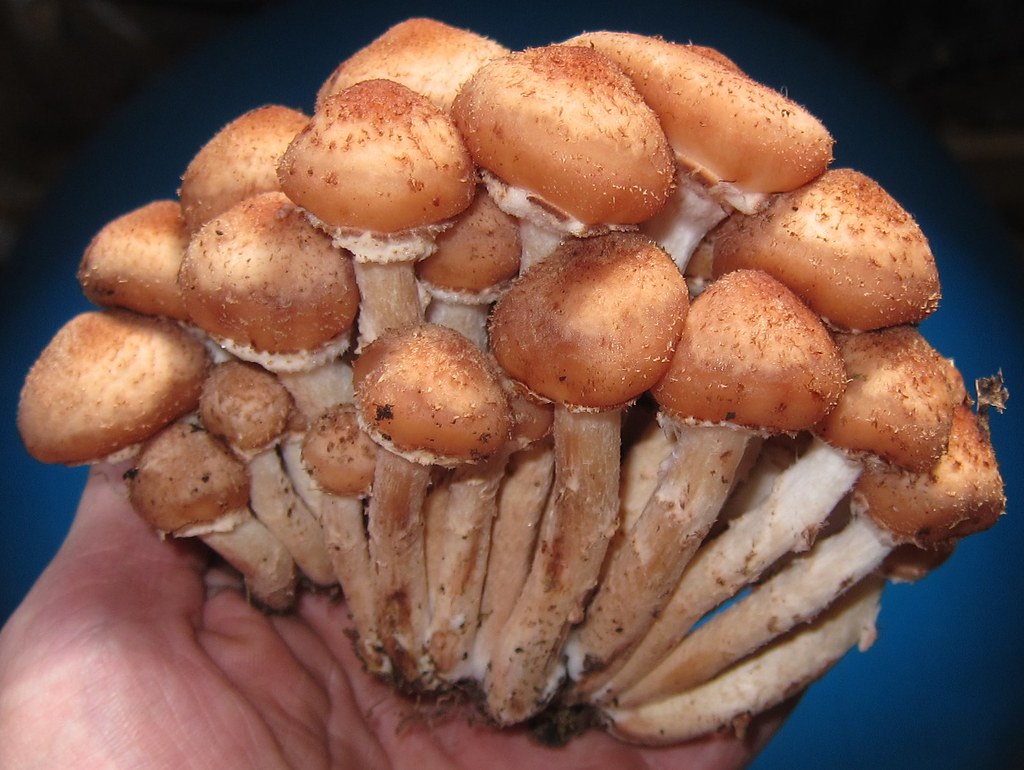
Photo by Charles de Mille-Isles on Openverse
Good digestion is often the quiet foundation of a healthy lifestyle. When your gut feels balanced, everything else tends to feel more manageable: energy is steadier, cravings are less intense, meals feel satisfying, and weight loss becomes less of a battle and more of a natural result of better habits. That is why so many people are turning to organic food as part of a cleaner, more intentional approach to nutrition. Organic ingredients are not a miracle cure, but they can support a cleaner eating pattern that gives your digestive system a better chance to work smoothly.
If you have ever wondered why some meals leave you feeling light and energized while others cause bloating, fatigue, or random snacking an hour later, the answer is often in the quality and balance of the food itself. A healthy diet built around organic vegetables, fiber-rich plants, nourishing proteins, and minimally processed staples can support the gut in ways that are both practical and sustainable. And yes, that matters whether your goal is better digestion, a stronger immune system, or gradual weight loss.
This guide takes a close look at organic food for gut health through the lens of clean eating. You will find practical food choices, meal-building strategies, and smart habits that make a real difference over time. If you want a healthier routine that feels realistic rather than restrictive, this is where to start.
Why gut health deserves attention in a healthy diet
Your digestive system does far more than process meals. It helps absorb nutrients, influences your immune response, and communicates with the brain in ways that affect mood and appetite. When the gut is overwhelmed by ultra-processed foods, poor hydration, stress, and irregular eating, the body often responds with bloating, sluggishness, cravings, or discomfort. That is why nutrition is never just about calories. It is about how your food makes you feel and function.
Clean eating is especially useful here because it shifts the focus away from complicated rules and back to quality. A plate built around organic food tends to feature fewer additives, less pesticide exposure, and more fresh ingredients that are naturally rich in fiber and micronutrients. Does that mean every organic product is automatically healthy? Not at all. But it does mean that organic choices can make a healthy lifestyle easier to maintain, especially when you are trying to support gut balance and steady energy.
For people who are also thinking about weight loss, gut health can be a game changer. When digestion is uncomfortable, it is harder to stay consistent with meals, exercise, and mindful choices. When digestion improves, people often notice that they are less likely to overeat, graze aimlessly, or reach for heavy processed snacks. That is one reason a gut-friendly detox diet approach should be gentle and food-based rather than extreme.
The microbiome and digestion
The gut microbiome is the collection of bacteria and other microorganisms living in your digestive tract. Some of them help break down food, some assist with nutrient production, and others support overall digestive balance. A diverse microbiome tends to thrive on variety, especially fiber-rich plant foods. That is where organic vegetables, fruits, seeds, legumes, and fermented foods can be especially helpful.
Think of the microbiome as a garden. If you feed it with a wide range of clean, minimally processed foods, it becomes more resilient. If you feed it mostly refined sugar, greasy fast food, and artificial ingredients, it may struggle to stay balanced. Have you noticed how your body sometimes reacts immediately after a long stretch of indulgent eating? That reaction is often the gut asking for better inputs.
Organic food is helpful here because it makes a clean eating pattern easier to build. It encourages you to choose ingredients with shorter labels and more recognizable forms. In practical terms, that means more whole vegetables, more fresh fruit, more legumes, more plain dairy or plant-based alternatives, and fewer hidden sugars or unnecessary additives.
What organic food changes in everyday eating
Choosing organic food does not automatically solve digestive issues, but it can reduce some of the common barriers that get in the way of better nutrition. Many people feel more confident preparing meals when the ingredients are fresh and simple. They are less likely to rely on packaged products that are high in sodium, refined flour, and emulsifiers that may not support a sensitive gut.
Organic food also tends to encourage more seasonal eating. That is good news for digestion because seasonal produce often tastes better, offers excellent nutrient density, and makes it easier to build variety into your meals. Variety matters because the gut usually responds well to a broad spectrum of plant fibers and phytonutrients.
In other words, organic food is not only about what is missing. It is about what is present: color, freshness, texture, and a more natural rhythm of eating. That is the kind of foundation that supports clean eating long term.
Best organic foods for gut health and clean eating
When people hear the phrase gut-friendly food, they often think of bland food or complicated health recipes. In reality, the best choices are usually simple, colorful, and easy to find. The goal is not to follow a rigid detox diet. The goal is to create a nourishing pattern that supports digestion every day.
Fermented foods that bring helpful bacteria to the table
Fermented foods are some of the most talked-about options in gut health, and for good reason. They contain live cultures that may help maintain a balanced digestive environment. Organic versions are especially appealing because they are usually made with more straightforward ingredients and fewer unnecessary additives.
Useful examples include:
- Organic plain yogurt
- Organic kefir
- Sauerkraut made with simple ingredients
- Kimchi with minimal added sugar
- Miso added to soups and broths
- Tempeh as a plant-based protein option
A little goes a long way. You do not need to load every meal with fermented foods. Start with a small serving and see how your body responds. If you are sensitive to certain fermented items, choose one that feels comfortable and build from there.
Fiber-rich organic vegetables
Fiber is one of the most reliable tools for better digestion. It helps keep bowel movements regular, supports satiety, and feeds beneficial gut bacteria. Organic vegetables are ideal because they can be eaten in generous portions without complicated preparation. Some of the best choices include leafy greens, carrots, zucchini, asparagus, beets, broccoli, cauliflower, and cucumbers.
[IMAGE: organic vegetables]
Try thinking in colors. The more variety you include, the more likely you are to get a broader range of nutrients. A clean eating plate might include spinach for folate, carrots for beta-carotene, red cabbage for antioxidants, and zucchini for light, easy digestion. This is how a healthy diet becomes colorful instead of repetitive.
For people new to a fiber-rich routine, increase intake gradually. Too much fiber too quickly can cause gas or bloating. A smarter approach is to add one extra serving of vegetables to lunch or dinner and then continue building from there.
Prebiotic foods that feed beneficial bacteria
Prebiotics are a type of fiber that feeds the good bacteria in the gut. While probiotics add helpful organisms, prebiotics help those organisms thrive. This partnership matters if you are trying to improve digestion and support long-term wellness.
Great organic prebiotic foods include:
- Onions
- Garlic
- Leeks
- Asparagus
- Bananas, especially slightly underripe
- Oats
- Apples with the skin on
These foods are easy to incorporate into breakfast, lunch, or dinner. Garlic and onions create a strong flavor base for soups and sautés, oats make a balanced breakfast, and apples can be added to snacks or blended into smoothies. If you want a simple nutrition upgrade without complicated recipes, prebiotic foods are a smart place to begin.
Gentle fruits that are easy on the stomach
Many organic fruits provide hydration, fiber, and antioxidants without feeling heavy. Berries are especially useful because they are lower in sugar than many other fruits and still bring strong nutritional value. Blueberries, raspberries, strawberries, and blackberries are all excellent additions to a clean eating plan.
Bananas are another practical choice, especially for people looking for gentle fuel before or after exercise. They are easy to digest and convenient for busy mornings. Kiwi, papaya, and peeled apples are also popular for digestive comfort. Some people find that citrus works well, while others prefer sweeter fruit. The best choice is the one your body tolerates comfortably.
If you are aiming for weight loss, fruit can still be part of the plan. The key is to combine it with protein or healthy fats so that the snack feels balanced. For example, berries with plain yogurt or apple slices with almond butter are more satisfying than fruit alone.
Organic whole grains and legumes for steady digestion
Whole grains and legumes often get unfairly criticized in diet culture, yet they can be some of the most gut-supportive foods available when tolerated well. Oats, quinoa, brown rice, lentils, and chickpeas provide fiber and slow-release energy. They are also more filling than refined grains, which can help with healthy weight loss over time.
Legumes in particular offer a powerful combination of fiber and plant protein. They may take some people time to adapt to, so beginning with smaller portions can help the digestive system adjust. Soaking, rinsing, and cooking them well can also improve comfort. If you want a truly sustainable organic diet, do not ignore these foods. They are practical, affordable, and deeply nourishing.
Quick gut-friendly staples to keep on hand
- Organic rolled oats
- Plain organic yogurt or kefir
- Organic spinach or kale
- Carrots, cucumbers, and zucchini
- Apples, berries, bananas, and kiwi
- Lentils, chickpeas, and black beans
- Chia seeds and ground flaxseed
- Extra virgin olive oil
- Herbs such as ginger, parsley, and turmeric
A pantry built on these basics makes clean eating much easier. You do not need a different menu every day. You need a dependable set of ingredients that can turn into breakfasts, lunches, dinners, and snacks without stress.
How organic food can support weight loss without aggressive dieting
Weight loss tends to become more manageable when the body feels nourished rather than deprived. That is one reason people who switch to more organic food often notice a shift in appetite and energy before they even try to count calories. When meals are built with fiber, protein, and healthy fats, the body usually stays satisfied longer. That makes it easier to reduce mindless snacking and stay aligned with your goals.
Stable blood sugar means fewer cravings
Rapid spikes and crashes in blood sugar can lead to sudden hunger, irritability, and stronger cravings for sugar or refined carbohydrates. A clean eating approach that includes organic food, balanced proteins, and slow-digesting carbohydrates can help smooth out those swings. That is especially important if you are trying to lose weight without feeling constantly hungry.
A breakfast made with oats, chia seeds, berries, and plain yogurt is more likely to keep you steady than a pastry or sweetened cereal. Lunch built around vegetables, beans, and avocado may help you stay focused longer than a meal with little fiber. Small decisions like these add up in a big way.
More nutrient density, less overeating
One reason ultra-processed food can sabotage a healthy lifestyle is that it often delivers a lot of calories without enough nutrients or satiety. You may eat a lot and still feel unsatisfied. Organic food, especially when it is whole or minimally processed, usually works differently. It gives your body more of the nutrients it actually needs.
That nutrient density can support weight loss because it reduces the urge to keep searching for food. When your meals contain enough protein, healthy fats, and fiber, you are less likely to feel like you need a snack soon after eating. This is not about restriction. It is about eating in a way that lets your body settle.
Digestive comfort makes consistency easier
Many people abandon a diet not because they lack willpower, but because the plan feels physically uncomfortable. Bloating, sluggishness, or unpredictable digestion can make even a good plan difficult to follow. Organic food and cleaner ingredients may help reduce some of that friction. When the gut feels better, sticking to your routine becomes easier.
Consistency matters more than intensity. A moderate, balanced way of eating usually outperforms dramatic short-term changes. That is why a gentle detox diet mentality, focused on nourishing the body rather than punishing it, is often more effective over the long run.
A clean eating day built for gut health
Sometimes the easiest way to put a strategy into action is to see what it looks like in real life. Below is a sample day of eating that keeps digestion in mind while still feeling satisfying and realistic. It is not a strict meal plan, but it can be a helpful template.
Breakfast: Oats cooked with cinnamon, chia seeds, and berries, topped with plain organic yogurt. This gives you fiber, protein, and probiotic support in one bowl.
Mid-morning option: An apple with a handful of almonds or a banana with a spoonful of nut butter. This can help prevent the crash that leads to overeating later.
Lunch: A large salad with organic greens, cucumber, shredded carrots, chickpeas, avocado, and olive oil dressing. Add grilled chicken, salmon, tofu, or tempeh for protein.
Afternoon refresh: Green tea, herbal tea, or water with lemon and fresh mint. Hydration matters more than many people realize.
Dinner: Roasted vegetables, quinoa or brown rice, and a protein source such as fish, lentils, or eggs. Keep the meal simple and satisfying rather than overly complicated.
Optional evening snack: A small serving of kefir, a few berries, or cucumber slices with hummus if you genuinely feel hungry.
[IMAGE: healthy meal]
What makes this day effective is not perfection. It is the balance between fiber, protein, hydration, and simplicity. Clean eating works best when it feels doable, not dramatic.
Organic meal prep ideas that make healthy habits easier
One of the biggest reasons healthy plans fail is lack of preparation. When you are tired, hungry, or rushed, you will almost always choose the easiest available option. That is why meal prep is one of the most underrated tools for organic food success. It removes decision fatigue and protects your nutrition when life gets busy.
Try prepping a few core ingredients once or twice a week. Roast a tray of organic vegetables, cook a grain like quinoa or brown rice, wash leafy greens, prepare a batch of beans or lentils, and keep a few snacks ready in portioned containers. This approach saves time and makes it much easier to build a gut-friendly plate.
Some people worry that meal prep has to be rigid, but it does not. You are simply building components that can be mixed and matched. One bowl can become a salad at lunch and a warm grain bowl at dinner. That flexibility is a major reason meal prep supports a healthy lifestyle.
Simple prep sequence for a full week
- Choose three vegetables you enjoy roasted or sautéed
- Cook one grain and one legume
- Prepare one protein for lunches and dinners
- Wash and store snackable produce like carrots, cucumbers, and berries
- Mix one dressing or sauce with olive oil, herbs, and citrus
- Keep one fermented food ready to add in small portions
This kind of prep does more than save time. It also makes healthy diet choices feel automatic. When the fridge is stocked with organic ingredients that are already washed, cooked, and ready to use, clean eating becomes a lot more realistic.
Common organic diet mistakes that can still upset digestion
It is easy to assume that once food is organic, all digestive concerns disappear. In reality, gut comfort depends on how foods are combined, how quickly changes are introduced, and how your overall routine looks. Even the healthiest ingredients can cause discomfort if they are not used wisely.
Changing too much too quickly
If you suddenly triple your fiber intake, your gut may respond with gas or bloating. That does not mean fiber is bad. It means your digestive system needs time to adapt. Add one or two improvements at a time instead of overhauling everything overnight.
Drinking too little water
Fiber works best when hydration is adequate. Without enough water, digestion can slow down and stool can become harder to pass. If you are increasing vegetables, legumes, and seeds, make water a priority. A good rule of thumb is to sip consistently throughout the day rather than waiting until you feel thirsty.
Choosing organic but still heavily processed foods
Organic cookies, organic chips, and organic frozen desserts may have a place in a balanced life, but they are not the same as nutrient-dense whole food. Organic is not a free pass to ignore quality or portion size. For gut health and weight loss, the most useful choices are still vegetables, fruits, grains, legumes, proteins, and healthy fats.
Skipping protein and healthy fats
Some people focus so heavily on produce that they end up with meals that are low in staying power. This can lead to overeating later in the day. Protein helps preserve satiety, while healthy fats support fullness and satisfaction. Together with fiber, they create a more stable eating pattern.
Relying on juice cleanses
A detox diet should not mean stripping the body of the very things it needs most. Juice-only approaches often leave out protein and too much fiber, which can make blood sugar less stable and hunger more intense. A better detox diet is just clean eating done consistently: whole foods, adequate hydration, and enough variety to nourish rather than deprive.
Daily habits that support digestion beyond the plate
Food matters, but digestion is influenced by more than what is on your plate. Stress, sleep, movement, and eating pace all affect how well the body processes food. If you are trying to improve gut health, it helps to think of your routine as a whole system rather than a single meal.
Stress management and the gut-brain connection
The gut and the brain are closely connected. When stress is high, digestion can slow down or become more sensitive. Even nutritious food may not feel as comfortable if you are constantly rushed or tense. This is one reason mindful meals matter. Sitting down, breathing deeply, and eating with focus can make your food easier to digest.
Sleep as a digestive tool
Poor sleep can increase cravings, affect appetite regulation, and make it harder to follow a healthy diet. If you are sleeping too little, your body may want quick energy from sugary or processed foods. A regular bedtime routine can support both your mood and your digestion.
Movement that keeps things moving
Gentle physical activity, like walking after meals, can support digestion and help with blood sugar stability. Exercise also helps reduce stress, which indirectly benefits the gut. You do not need a punishing workout routine to get results. Consistent movement is often enough to improve how you feel day to day.
[IMAGE: fitness lifestyle]
That is why a healthy lifestyle works best when food and movement support one another. Organic food can give you a strong nutritional base, and regular activity helps the body use that nutrition well.
How to build a sustainable organic grocery list
Successful clean eating often begins in the grocery aisle. If your cart is filled with the right basics, the rest of the week becomes much easier. A smart organic grocery list does not need to be complicated. It needs to reflect real meals you can actually prepare and enjoy.
Start by choosing foods that cover the major categories: vegetables, fruits, proteins, grains, fats, and flavor builders. Fresh herbs, lemons, garlic, ginger, and spices may seem small, but they make healthy food taste much better. That matters because food you enjoy is food you are more likely to repeat.
- Leafy greens such as spinach, arugula, and kale
- Colorful vegetables such as carrots, beets, broccoli, and peppers
- Fruits such as berries, apples, bananas, and kiwi
- Protein choices such as eggs, yogurt, salmon, tofu, lentils, and chickpeas
- Whole grains such as oats, quinoa, and brown rice
- Healthy fats such as avocado, olives, nuts, seeds, and olive oil
- Fermented foods such as kefir, sauerkraut, and plain yogurt
- Herbs and spices such as turmeric, cinnamon, parsley, ginger, and cumin
With this kind of list, you can build breakfasts, lunches, snacks, and dinners without constantly starting from scratch. That is the beauty of a simple organic diet. It saves energy while improving nutrition.
When a detox diet helps, and when it does not
People often search for a detox diet because they want to feel lighter, clearer, and more in control after a period of indulgence. There is nothing wrong with that intention. In fact, a gentle detox diet can be a useful reset if it means returning to whole foods, cutting back on excess sugar, drinking more water, and improving sleep.
What does not help is a harsh detox plan that eliminates entire food groups, leaves you hungry, or relies on powders and quick fixes. The body already has natural detox systems, and your role is to support them with nutrition, hydration, rest, and movement. Organic food makes that easier because it tends to be cleaner, simpler, and more aligned with whole-food eating.
If you want a reset, focus on things you can sustain for more than a few days. Build your meals around vegetables, fruit, protein, and fiber. Remove as much ultra-processed food as you comfortably can. That is often enough to create a noticeable shift in energy and digestion without going to extremes.
A simple approach that keeps working long after the first week
The best nutrition strategy is the one you can repeat without resentment. Organic food supports gut health because it naturally encourages cleaner choices, better ingredient quality, and more attention to how meals are built. A healthy diet does not need to be flashy. It needs to be reliable.
When people ask how to improve digestion, lose weight, and feel better in a sustainable way, the answer is usually not one dramatic change. It is a series of small decisions made consistently: choosing organic vegetables more often, eating enough protein, staying hydrated, walking after meals, and avoiding the trap of all-or-nothing dieting. Wouldn’t it be better if healthy eating felt like support instead of pressure?
If you are ready to keep going, begin with one meal this week and make it cleaner, calmer, and more balanced. Then build from there. The more you practice this style of eating, the more natural it becomes. And if you want more practical guidance, recipe inspiration, and premium clean eating ideas, read more articles on DietOrganic and keep building the kind of healthy lifestyle your body can actually trust.
About the Author