
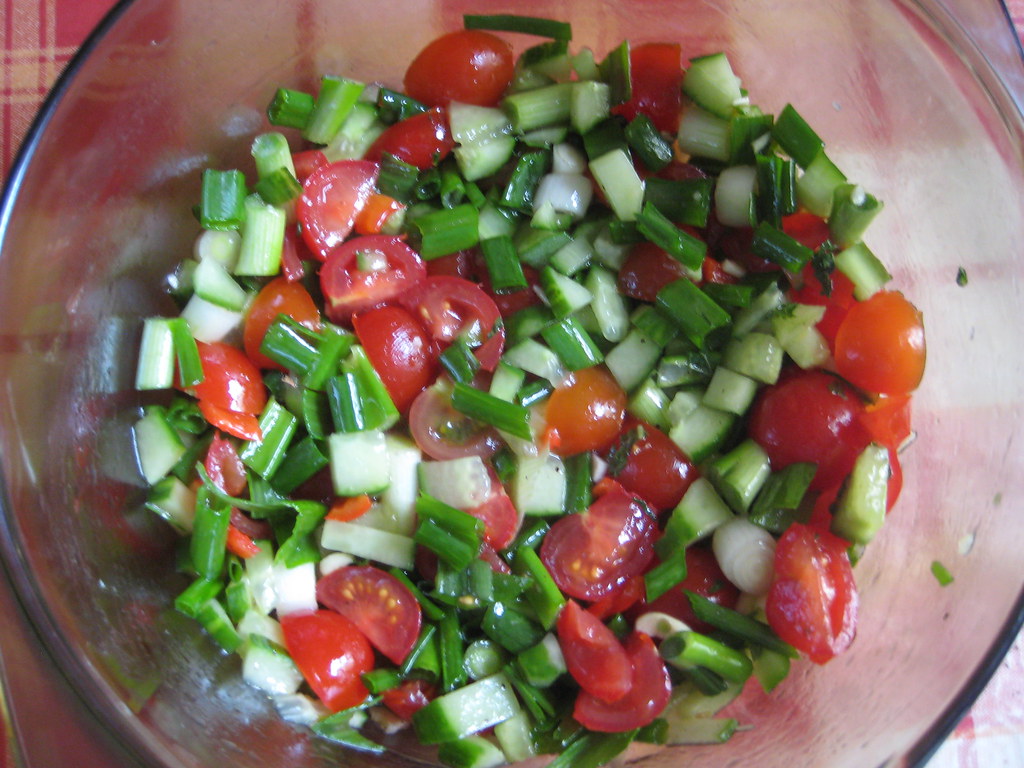
Photo by AndyRobertsPhotos on Openverse
If you have been trying to improve digestion, feel lighter after meals, and build a healthier relationship with food, you may not need a dramatic reset or a complicated diet plan. Sometimes, the most effective change is also the simplest: choosing more organic food, eating in a cleaner and more intentional way, and supporting the gut with meals that truly nourish. Could your daily plate be working harder for your energy, metabolism, and overall wellness than you realize?
This is where clean eating becomes more than a trend. When built around organic food, it can support a healthier digestive system, reduce the burden of ultra-processed ingredients, and make weight loss feel less like a struggle and more like a steady, sustainable shift. A balanced organic diet is not about perfection. It is about giving your body the kind of nutrition that helps it function well, from the inside out.
The gut is deeply connected to many aspects of health, including appetite, mood, immunity, and how efficiently your body uses energy. That means the foods you choose every day matter far beyond the dinner table. In this guide, you will learn how organic food can support gut health, why it can be a smart part of a healthy diet, and how to use clean eating principles to support digestion and weight loss without feeling deprived.
Why Gut Health Matters in Clean Eating and Weight Loss
When people talk about health, they often focus on calories, exercise, or the latest detox diet. But the digestive system deserves much more attention. Your gut is where food is broken down, nutrients are absorbed, and many signals related to hunger and fullness begin. If digestion is not functioning smoothly, even the most disciplined healthy lifestyle plan can feel frustrating.
A balanced gut environment supports regular bowel movements, better nutrient absorption, and fewer uncomfortable symptoms like bloating or sluggishness. It also plays a role in how stable your energy feels throughout the day. Have you ever eaten a meal that was technically healthy but still left you tired, puffy, or hungry soon after? That experience often points to a need for better food quality, more fiber, and more supportive nutrition choices.
Clean eating works best when it is practical and satisfying. That is why organic food can be such an effective part of the picture. Many organic whole foods are naturally rich in fiber, antioxidants, and water content, all of which support digestion. At the same time, they help reduce your reliance on heavily processed meals that may contribute to cravings and energy swings.
Signs Your Gut May Need More Support
Before changing your routine, it helps to notice how your body is responding right now. Gut health issues do not always look dramatic. Sometimes they show up as subtle daily discomforts that people learn to ignore.
- Bloating after meals
- Irregular bowel movements
- Frequent cravings for sugar or refined carbs
- Low energy after eating
- Feeling heavy, sluggish, or foggy during the day
- Digestive discomfort when eating rich or processed foods
- Difficulty feeling satisfied with meals
If several of these sound familiar, your body may be asking for a cleaner, simpler, more nutrient-dense way of eating. That does not mean you need to overhaul everything overnight. A gradual shift toward organic food and better meal structure can make a meaningful difference.
Why Organic Food Can Make a Difference
Organic food is not a magic solution, and it is important to stay realistic. Still, choosing organic more often can be a meaningful part of a healthy diet because it encourages better ingredient quality and more whole foods. When you build meals from ingredients that are closer to their natural state, it becomes easier to support digestion and maintain healthy habits.
For many people, the real value of organic eating is not just about what is absent, but what is present. Organic fruits, vegetables, grains, legumes, and proteins often become the foundation of meals that are simpler, fresher, and more satisfying. That style of eating naturally supports clean eating and can help reduce the temptation to rely on packaged foods that are low in nutrition.
Less Exposure to Unwanted Additives
One reason people prefer organic food is that it can reduce exposure to certain pesticides and synthetic additives. While no food choice is perfect, choosing organic produce for items you eat often can be a smart way to lower the overall chemical load in your daily routine. For someone focused on detox diet principles, that matters. Detox does not mean starving or drinking only liquids. It means making it easier for the body to handle everyday stressors while giving it nutrient-rich support.
When your meals are centered around organic vegetables, fruits, herbs, and whole grains, the result is often a cleaner plate with fewer hidden ingredients. That can be especially helpful for people who notice that heavily processed foods leave them bloated or fatigued.
More Whole Foods, Less Guesswork
An organic diet often leads people toward better shopping habits. Instead of reaching for ready-made snacks or sugary convenience foods, you may find yourself stocking up on ingredients that require a little more preparation. That small shift changes your relationship with food. You start building meals from real ingredients instead of opening packages and hoping for the best.
That is one reason organic food supports a healthy lifestyle so well. It encourages awareness. It keeps you connected to what you are eating. And when you know what is on your plate, you are more likely to stay consistent with clean eating and weight loss goals.
What Organic Actually Means
To shop more confidently, it helps to understand the basics. Organic certification typically means food has been produced without many synthetic pesticides, most genetically modified ingredients, or certain artificial additives. In practical terms, this often translates to more carefully grown produce, more transparent sourcing, and a stronger emphasis on whole ingredients.
That does not mean every organic product is healthy. Organic cookies are still cookies. Organic chips are still chips. The most powerful approach is to prioritize organic whole foods first, then use packaged products with discernment. This is where true clean eating lives: not in labels alone, but in daily choices.
Best Organic Foods for Gut Health
Some foods are especially helpful when your goal is better digestion, steadier energy, and long-term weight loss support. These foods tend to provide fiber, prebiotic compounds, healthy fats, or live cultures that nourish the gut in different ways. A strong organic food routine does not need to be complicated. It just needs to be consistent.
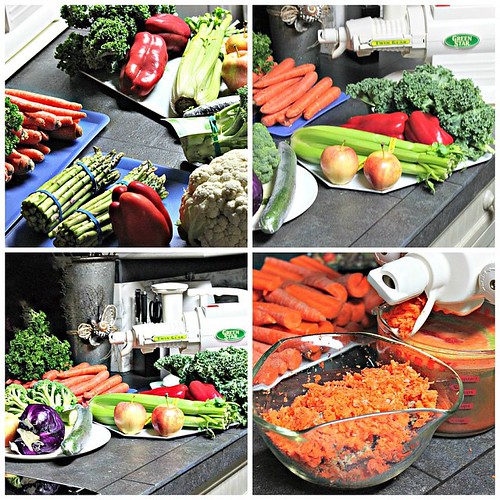
[IMAGE: organic vegetables]
Leafy Greens
Organic leafy greens like spinach, kale, arugula, romaine, and Swiss chard are staples for a reason. They are light, nutrient-dense, and easy to include in salads, bowls, smoothies, and sautés. Their fiber supports regularity, while their vitamins and minerals help the body function efficiently.
For weight loss, leafy greens are especially valuable because they add volume without a large calorie load. That means you can eat a satisfying portion while still keeping meals balanced. Try building meals with a generous base of greens, then add protein, healthy fats, and a modest portion of complex carbohydrates.
Cruciferous Vegetables
Broccoli, cauliflower, cabbage, Brussels sprouts, and broccoli sprouts are all excellent organic options for a healthy diet. These vegetables support digestion through fiber and offer plant compounds that many nutrition experts associate with overall wellness. They are also incredibly versatile.
Roast cauliflower with olive oil and herbs. Add shredded cabbage to salads for crunch. Steam broccoli and pair it with salmon or tofu. These kinds of meals feel simple but deeply nourishing, which is exactly what a sustainable organic food plan should feel like.
Fermented Foods
Fermented foods are a cornerstone of gut-friendly nutrition. Organic yogurt with live cultures, kefir, kimchi, sauerkraut, miso, and certain fermented vegetables can help support a more diverse microbiome. That matters because the gut thrives on variety.
Fermented foods are often best used in small daily amounts rather than enormous servings. A spoonful of sauerkraut with lunch or a serving of kefir at breakfast can be enough to support your routine. If you are sensitive to fermentation, begin slowly and pay attention to how your body responds.
Fiber-Rich Fruits
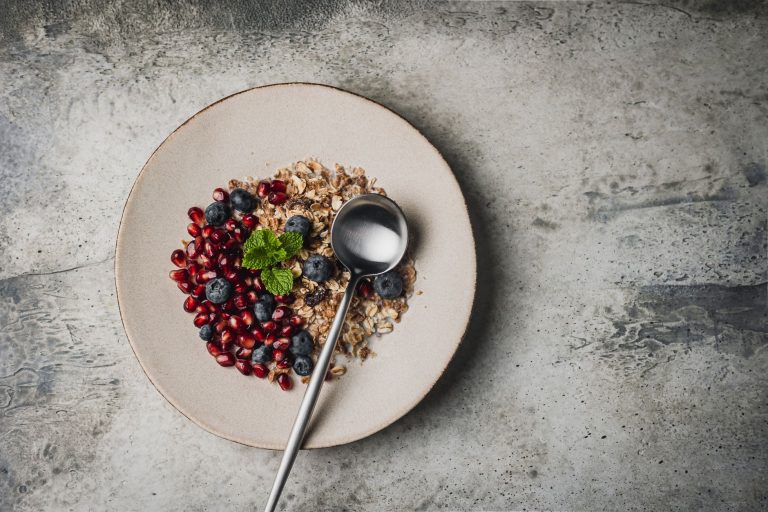
Apples, pears, berries, kiwi, oranges, and pomegranates are all strong choices in a clean eating plan. Organic versions can be especially appealing if you eat them often, since these fruits are easy to snack on and often appear in rotation throughout the week.
Fruit supports digestion by adding fiber and hydration, and it can also help reduce the desire for sugary desserts. Instead of reaching for something heavily sweetened, you might enjoy berries with yogurt, sliced apple with nut butter, or kiwi after dinner. These options feel satisfying without overwhelming your system.
Healthy Fats and Seeds
Avocados, chia seeds, flaxseeds, walnuts, hemp seeds, and extra-virgin olive oil are excellent additions to an organic diet. Healthy fats help you absorb fat-soluble vitamins, and they also make meals more satisfying. When meals keep you full, you are less likely to snack impulsively.
For digestion, chia and flax are especially useful because they provide soluble fiber. Add them to smoothies, oatmeal, chia pudding, or yogurt bowls. The goal is not to overload every meal with fat, but to use the right amount to support stable appetite and steady energy.
Whole Grains and Legumes
Brown rice, quinoa, oats, lentils, chickpeas, and black beans can be powerful allies in a healthy diet. They offer fiber, plant protein, and a slower release of energy than refined grains. When chosen in organic form, they can fit beautifully into a clean eating plan that supports digestion and weight loss.
If legumes tend to feel heavy at first, start with small portions and prepare them well. Soaking, rinsing, and cooking them thoroughly can improve tolerance. Pairing them with herbs and vegetables can also help make them easier to digest.
Simple Gut-Friendly Pairings
Sometimes it is not the ingredient alone that matters most, but the way you combine it. A well-structured plate can make organic food more satisfying and easier on digestion.
- Spinach, grilled chicken, avocado, and cucumber
- Quinoa, roasted broccoli, chickpeas, and tahini
- Greek yogurt, berries, chia seeds, and walnuts
- Salmon, sautéed greens, and sweet potato
- Oats, flaxseed, apple slices, and cinnamon
These combinations support fullness, help stabilize blood sugar, and keep your meals aligned with a healthy lifestyle. They also make it easier to stay committed because they are practical, colorful, and genuinely enjoyable.
How to Build a Clean Eating Plate for Digestion and Weight Loss
One of the biggest mistakes people make with a detox diet or healthy diet plan is overcomplicating it. You do not need dozens of supplements or extreme restrictions. You need a structure that is easy to repeat. The best meals are often simple, balanced, and built from organic food that you already enjoy.
[IMAGE: healthy meal]
The Ideal Plate Formula
A helpful way to think about meals is to divide the plate into parts:
- Half the plate: non-starchy vegetables
- One quarter: quality protein
- One quarter: slow-digesting carbohydrates
- A small portion: healthy fats
This formula supports blood sugar balance, keeps meals satisfying, and works well for weight loss because it encourages volume from vegetables rather than excess calories from processed foods. It is also flexible enough for breakfast, lunch, and dinner.
What This Looks Like in Real Life
Picture a dinner plate with roasted broccoli, mixed greens, grilled salmon, quinoa, and olive oil lemon dressing. Or think about a lunch bowl with brown rice, black beans, avocado, cabbage, tomatoes, and fresh herbs. Both are built for energy, digestion, and satisfaction.
The beauty of clean eating is that it does not have to feel strict. It can be colorful and comforting. It can be warm and filling. It can support weight loss without making every meal feel like a sacrifice.
Breakfast That Starts the Gut Right
Breakfast sets the tone for the rest of the day. A sugary, low-protein breakfast can leave you hungry and irritable by mid-morning. A smarter organic breakfast can help you feel steady and focused.
- Greek yogurt with berries and chia
- Oatmeal with flaxseed, cinnamon, and walnuts
- Veggie omelet with spinach and mushrooms
- Smoothie with greens, protein, berries, and almond milk
These meals are gentle, nutrient-dense, and easy to prepare. They support clean eating and can help you avoid the crash that often follows pastries, sweetened cereals, or refined snack bars.
Lunch That Keeps Energy Stable
Lunch should prevent the afternoon slump, not cause it. A balanced organic lunch can help you stay focused and reduce mindless snacking later in the day. If your meals are too light, you may end up overeating at dinner. If they are too heavy, you may feel sluggish. The sweet spot is a balanced, satisfying plate.
Try building lunch around greens, vegetables, a quality protein, and a smart carb like quinoa or sweet potato. Add fermented vegetables if you enjoy them. A small serving of soup can also be a soothing addition, especially if you struggle with bloating or irregular digestion.
Dinner That Supports Recovery
Evening meals should be nourishing without being overly rich. Many people eat too much late at night because they underate earlier, then wonder why their digestion feels off. A gentle, well-planned dinner can help your body settle into a better rhythm.
Examples include roasted vegetables with chicken and herbs, lentil soup with a side salad, or baked salmon with cauliflower mash. Keeping dinner clean and simple gives your digestive system a more comfortable overnight window.
What to Avoid on an Organic Clean Eating Plan
Organic food can be powerful, but it cannot fully overcome a diet built around convenience foods, excess sugar, and chronic overeating. If your goal is better gut health and healthy weight loss, it helps to identify the common obstacles that interfere with progress.
Ultra-Processed Foods
Even when labeled natural or organic, heavily processed snacks can still be problematic. They often contain refined flours, added sugars, seed oils, and long ingredient lists that do little to support digestion. These foods may taste convenient, but they rarely support lasting fullness or a healthy microbiome.
Ask yourself: does this food nourish me, or does it merely fill a gap for a few minutes? That simple question can help you choose better options more consistently.
Too Much Sugar
Excess sugar can disrupt appetite, increase cravings, and make it harder to stay satisfied after meals. It may also crowd out the nutrient-dense foods that your gut needs. A detox diet should not be about punishment, but about reducing the foods that work against your goals.
Start by cutting back on sweetened drinks, desserts, and flavored snacks. Then replace them with fruit, yogurt, dark chocolate in moderation, or homemade treats built from whole ingredients. This approach feels more realistic and far more sustainable.
Skipping Meals
Some people think skipping meals will speed up weight loss, but that strategy often backfires. Long gaps without eating can lead to intense hunger, poor choices, and digestive stress. For many people, consistent meals support both metabolism and gut comfort.
If you know your schedule is busy, plan ahead. A small snack with protein and fiber can be better than waiting until you are ravenous. Clean eating works best when it fits your real life.
Too Many Liquid Calories
Smoothies can be healthy, but they can also become oversized calorie bombs if they contain too much fruit, nut butter, sweeteners, or extras. The same applies to specialty coffees, juices, and bottled wellness drinks. Even on an organic food plan, drinks can quietly derail weight loss goals.
Use beverages strategically. Choose water, sparkling water, herbal tea, or unsweetened options most of the time. If you enjoy a smoothie, keep it balanced with greens, protein, and fiber rather than turning it into dessert in a glass.
Organic Detox Diet: What It Is and What It Is Not
The phrase detox diet is often used in ways that create confusion. Real detoxification is something your body does every day through the liver, kidneys, digestive tract, lungs, and skin. Your role is not to force detox. Your role is to support it. And organic food can help do exactly that.
Instead of extreme cleanses, think of detox-supporting eating as a reset toward better nutrition. By eating cleaner, reducing processed foods, and focusing on hydration and fiber, you allow your natural systems to do their job more efficiently.
Gentle Detox-Supporting Habits
These habits can support the body without turning your week into a restrictive challenge:
- Eat more organic vegetables at every meal
- Drink water consistently throughout the day
- Include fiber-rich foods like oats, berries, and legumes
- Limit alcohol and sugary beverages
- Choose simple meals with fewer additives
- Get enough sleep to support appetite regulation
- Move your body regularly to help circulation and digestion
These habits may seem basic, but basic is often what works. The body responds well to routine, quality food, and consistency.
Detox Without Deprivation
A healthy detox diet should feel supportive, not punishing. If you are hungry all day, you are not detoxing; you are under-fueling. If you feel weak, dizzy, or obsessed with food, your plan is too extreme. A smarter approach focuses on nourishment first and weight loss as a natural result of better habits.
This mindset shift matters because it makes clean eating more enjoyable. You are not trying to survive on a trendy cleanse. You are building a lifestyle that you can actually maintain.
How Organic Food Supports Sustainable Weight Loss
Weight loss is not only about eating less. It is about eating in a way that helps your body feel balanced enough to stop fighting you. Organic food can make that easier by shifting your attention toward real ingredients, stable meals, and better satiety. When people eat better, they often find that cravings soften, digestion improves, and energy becomes more reliable.
More Fiber, More Fullness
Many organic foods are naturally high in fiber, which helps you feel full for longer. This matters because one of the biggest reasons people overeat is not lack of willpower, but poor satiety. If your meals are too refined or too light, your body will keep asking for more.
Vegetables, fruit, legumes, and whole grains can help create the feeling of enough. That is one of the most powerful advantages of clean eating for weight loss.
Better Blood Sugar Balance
Meals that combine protein, fiber, and healthy fats are more likely to keep blood sugar steady. When blood sugar swings wildly, cravings and fatigue often follow. Organic food can support more stable eating patterns because it encourages whole ingredients rather than refined shortcuts.
Stable blood sugar also supports clearer thinking and better mood. When you feel better, you are more likely to make better choices. It is a positive loop that reinforces itself over time.
Less Craving, More Control
People often think they need more discipline when what they really need is better food structure. A diet based on organic food can reduce the mental noise around eating. When meals are satisfying and meals happen on a regular schedule, the urge to graze constantly often decreases.
That does not mean cravings disappear forever. It means they become easier to manage. You learn the difference between real hunger and habit-driven snacking. And that awareness is a major advantage for long-term weight loss.
More Energy for Movement
Movement supports weight loss, but it also supports digestion and mood. The tricky part is that low-quality food can make exercise feel exhausting. Cleaner meals can help you feel lighter and more capable, whether your workout is a long walk, strength training, or a yoga session.
[IMAGE: fitness lifestyle]
When your nutrition supports your movement, the whole routine becomes easier to sustain. You are not forcing yourself through the day. You are giving your body the fuel it needs to participate fully in your life.
Smart Organic Meal Prep Ideas for a Busy Week
One of the best ways to stay committed to clean eating is to make healthy food easy to reach. That means planning ahead. Meal prep does not have to be a Sunday marathon. Even a small amount of preparation can prevent last-minute takeout and processed snack choices.
Prep Once, Mix Often
Instead of cooking entirely separate meals, prepare components you can combine in different ways. For example, roast a tray of vegetables, cook a pot of quinoa, wash greens, and grill a source of protein. From there, you can create bowls, salads, wraps, or warm dinner plates.
This method reduces decision fatigue and keeps your organic food routine interesting. Variety matters, especially if you want to stay engaged for the long term.
Easy Prep Staples
- Washed mixed greens
- Roasted broccoli, carrots, and zucchini
- Cooked quinoa or brown rice
- Hard-boiled eggs
- Grilled chicken or baked tofu
- Chia pudding or overnight oats
- Sliced fruit and vegetables
These staples can be assembled quickly into meals and snacks. The more accessible your food is, the more likely you are to eat in line with your goals.
Build a Better Snack Routine
Snacking can either support your healthy lifestyle or sabotage it. The difference usually comes down to planning. If you wait until you are starving, convenience foods start to look irresistible. A better approach is to keep a few reliable organic snacks available.
- Apple slices with almond butter
- Plain yogurt with berries
- Carrot sticks with hummus
- Roasted chickpeas
- A small handful of walnuts and pumpkin seeds
These options are easy to prepare and far more supportive than sugar-heavy packaged snacks. They help you stay on track without making food feel monotonous.
How to Save Money on Organic Food
Many people assume organic food is automatically too expensive. While organic groceries can cost more, smart shopping can make them much more manageable. You do not need to buy everything organic at once. Start where it matters most to you, and build from there.
Buy Organic Strategically
Focus first on foods you eat often and those that matter most to your habits. For some people, that means leafy greens, berries, apples, and dairy. For others, it may mean oats, eggs, or staples used in weekly meal prep. The goal is not to chase perfection. It is to improve your overall quality of nutrition.
Choose Seasonal Produce
Seasonal organic produce is often fresher and less expensive. It also tends to taste better. When your fruits and vegetables are at their peak, you are more likely to eat them regularly, which supports gut health and clean eating over time.
Use Frozen Organic Options
Frozen organic vegetables and fruit can be a budget-friendly lifesaver. They are convenient, versatile, and often just as nutritious as fresh options. Keep frozen broccoli, spinach, berries, and cauliflower rice on hand for quick meals that support weight loss and nutrition.
Reduce Waste
One hidden cost of healthy eating is food waste. Buy what you will use, store it properly, and plan meals around ingredients that can be repurposed. Leftover roasted vegetables can become lunch bowls. Extra greens can go into smoothies or soups. Smart use of ingredients is part of a truly sustainable healthy diet.
Common Myths About Organic Food and Gut Health
With so much nutrition advice online, it is easy to get pulled into extremes. A balanced perspective helps you avoid disappointment and stay focused on what really works. So let us clear up a few common myths.
Myth 1: Organic Food Is Always Healthier
Organic food can be a great choice, but health still depends on the whole food itself. Organic candy is still candy. Organic pastries are still pastries. The most useful approach is to prioritize organic whole foods rather than relying on the label alone.
Myth 2: Detox Diets Need to Be Extreme
Your body does not need a crash plan. It needs support. That means fiber, hydration, rest, movement, and nourishing food. A gentle detox diet based on organic food is often far more effective than any extreme cleanse.
Myth 3: Weight Loss Should Happen Overnight
Healthy weight loss is usually gradual. That is not a flaw. That is a feature. Slow progress is often more sustainable, easier to maintain, and better for your energy, digestion, and overall wellness. A good clean eating routine should feel realistic enough to repeat next week and next month.
Myth 4: Gut Health Is Only About Probiotics
Probiotics matter, but they are only one piece of the puzzle. Fiber, hydration, stress management, sleep, and food quality matter too. Organic food supports the gut in many ways beyond fermented products alone.
A Simple 3-Day Organic Reset for Better Digestion
If you want to start small, a short reset can help you build momentum. This is not a punishment plan. It is a practical way to return to clean eating and notice how your body responds when meals are more balanced.
Day One
- Breakfast: Oats with chia, berries, and walnuts
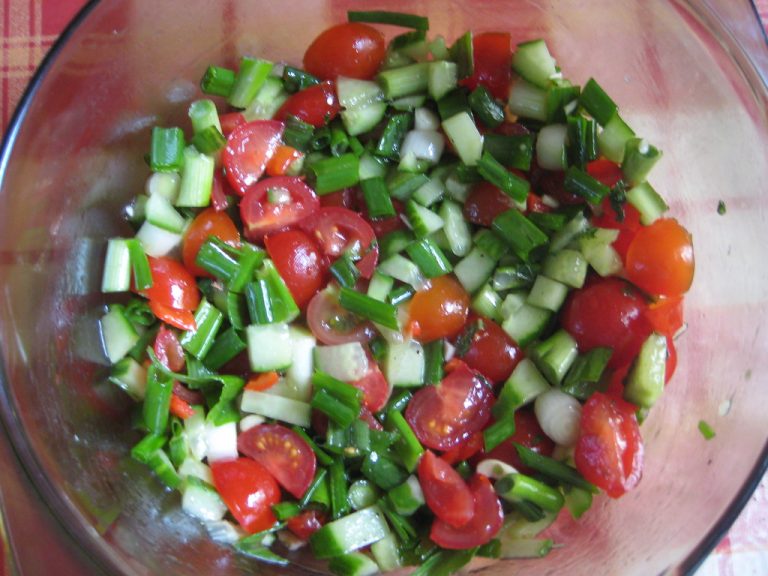
- Lunch: Large salad with greens, cucumber, chicken, avocado, and olive oil dressing
- Dinner: Salmon, broccoli, and quinoa
- Snack: Apple with almond butter
Day Two
- Breakfast: Yogurt with flaxseed and kiwi
- Lunch: Lentil soup with mixed greens
- Dinner: Turkey or tofu stir-fry with cabbage and brown rice
- Snack: Carrots with hummus
Day Three
- Breakfast: Veggie omelet with spinach and mushrooms
- Lunch: Quinoa bowl with chickpeas, roasted vegetables, and tahini
- Dinner: Baked chicken with sweet potato and sautéed greens
- Snack: Berries with plain yogurt
After three days, pay attention to your digestion, cravings, energy, and mood. Often, small shifts in food quality create noticeable changes that motivate even better habits.
Questions to Ask Yourself Before Your Next Grocery Trip
A healthier routine begins long before you cook. It begins in the store, where choices are made almost automatically. Slowing down and asking a few questions can change the entire direction of your week.
- What foods make me feel energized instead of sluggish?
- Which organic foods do I actually enjoy eating?
- What healthy meals am I most likely to prepare when I am busy?
- Which packaged foods should I reduce this week?
- How can I make clean eating easier, not harder?
These questions matter because sustainable change depends on fit. The best healthy diet is the one you can follow consistently without feeling overwhelmed.
Bringing It All Together in Real Life
When organic food becomes part of your everyday routine, it can do more than improve your grocery list. It can simplify your meals, support your digestion, and help you create a cleaner relationship with food. Over time, that can translate into steadier energy, fewer cravings, better nutrition, and more confidence in your body.
There is a reason clean eating remains such a powerful approach. It focuses on the basics that truly matter: real food, thoughtful preparation, and consistency. You do not need to chase extremes to feel better. You need meals that work with your body instead of against it. That is what makes organic food such a valuable ally in a healthy lifestyle.
Start with one shift. Add more vegetables. Swap one processed snack for fruit and nuts. Make lunch more balanced. Cook dinner a little earlier. The body responds to small acts of care with remarkable intelligence, and once you begin to feel the difference, you may find that healthy eating stops feeling like a task and starts feeling like a standard you want to keep. If you want more practical ideas for clean eating, organic nutrition, and a balanced weight loss journey, explore more articles on DietOrganic and keep building a routine that feels as good as it looks.
About the Author