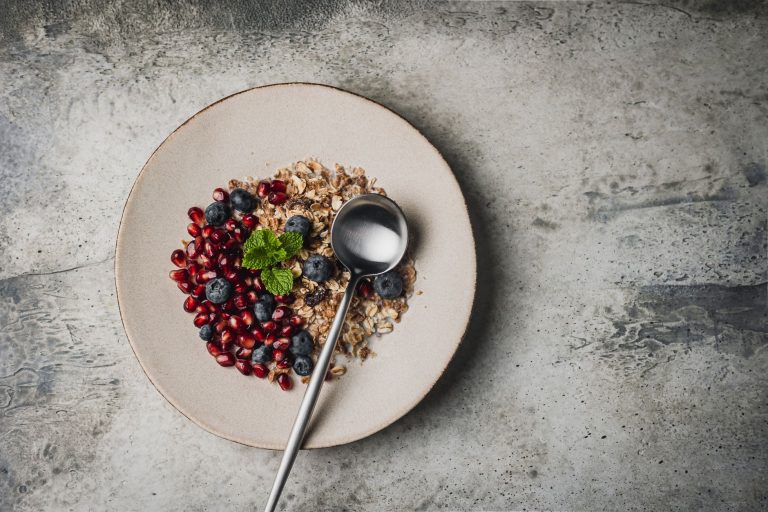

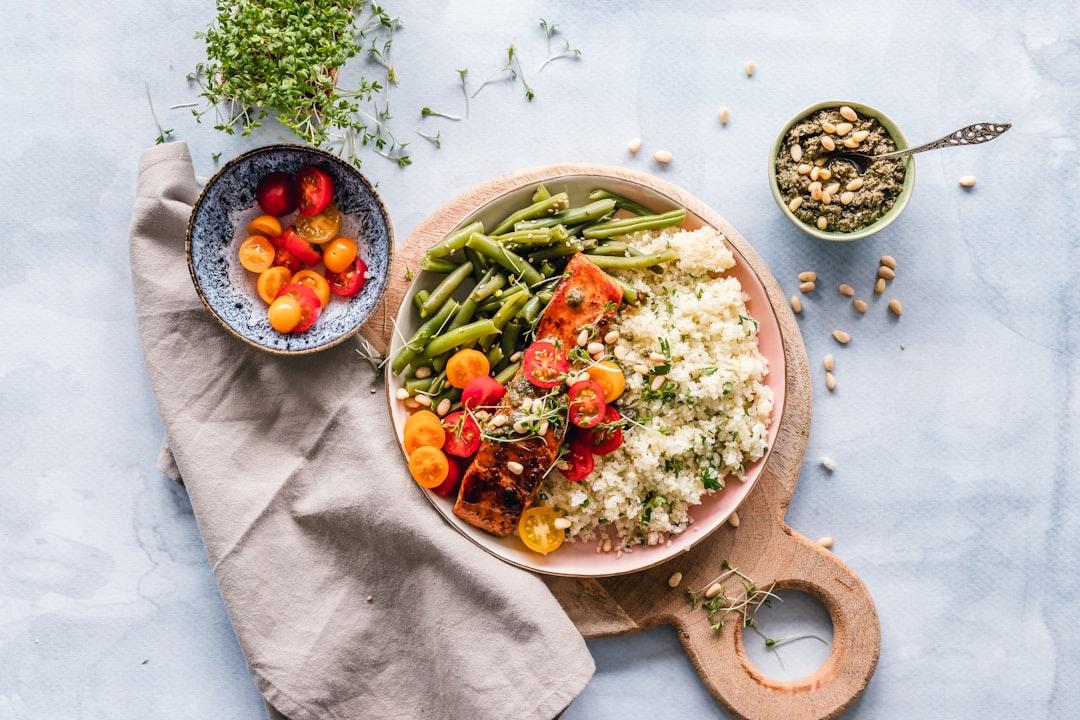
Photo by Ella Olsson on Unsplash
When people talk about feeling lighter, more energetic, and more in control of their appetite, they are often describing a gut that is finally working with them instead of against them. That is why organic food has become such a powerful part of the modern healthy lifestyle conversation. It is not only about avoiding pesticides or choosing prettier produce. It is about creating an internal environment that supports better digestion, steady energy, cleaner nutrition, and a more sustainable path to weight loss.
Think about the last time your meals left you bloated, sluggish, or strangely hungry an hour later. Was it really hunger, or was it your body asking for better fuel? Clean eating begins with that question. If you have been searching for a practical way to improve gut health without falling into restrictive trends, an organic food strategy may be the most elegant answer. It can support a gentle detox diet, reduce digestive stress, and help you build a way of eating that feels as good as it looks.
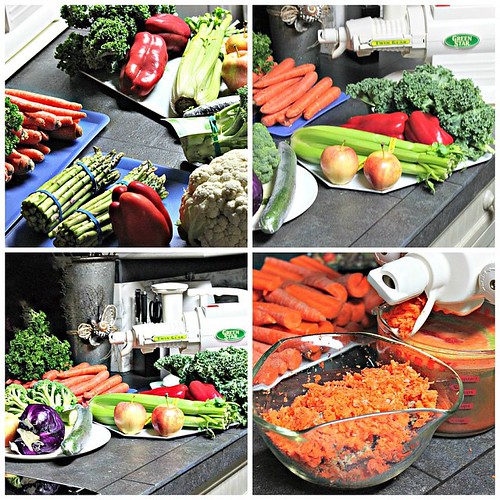
[IMAGE: organic vegetables]
In this guide, we will explore how organic food supports gut health, which foods deserve a place on your plate, and how to use clean eating habits to improve digestion while supporting healthy weight loss. The goal is not perfection. The goal is to make smart, nourishing choices that fit real life. After all, what is the point of nutrition advice if you cannot live with it every day?
Why Gut Health Deserves More Attention
Your gut does far more than break down food. It influences nutrient absorption, immune response, mood, cravings, and even how efficiently your body manages weight. When digestion is smooth, the rest of your system can function with less strain. When it is disrupted, even the healthiest-looking diet may not feel satisfying or effective.
A healthy gut microbiome is made up of trillions of microbes that help process food, produce important compounds, and keep harmful bacteria in check. These microbes thrive when they are fed with fiber-rich, nutrient-dense foods. They struggle when the diet is dominated by refined sugar, highly processed ingredients, and low-quality fats. That is why a clean eating approach built around organic food can be so valuable. It gives your microbiome the raw material it needs to flourish.
Have you noticed how some people can eat a heavy meal and move on with their day, while others feel uncomfortable for hours? Digestion is highly individual, but it is also highly responsive to food quality. Better nutrition often means less bloating, fewer cravings, improved bowel regularity, and a calmer relationship with food.
What Makes Organic Food So Helpful for Digestion?
Organic food is not a magic solution, but it can be a meaningful part of a gut-friendly diet. Organic farming standards limit synthetic pesticides, herbicides, and many artificial additives, which matters because the digestive system is sensitive to what it receives repeatedly over time. If you are trying to reduce irritation and support your body with cleaner inputs, organic ingredients are a sensible starting point.
Lower exposure to unnecessary chemicals
Some people are more sensitive than others to residues that may remain on conventionally grown produce. Choosing organic food can lower your exposure and help you feel more confident about what you are eating. That peace of mind matters. Stress at mealtime can affect digestion just as much as ingredients can.
Better alignment with clean eating habits
Clean eating is not about fear. It is about simplicity, clarity, and quality. Organic produce, whole grains, legumes, seeds, herbs, and proteins fit naturally into that mindset because they are closer to their original form. The fewer unnecessary processing steps food has undergone, the easier it becomes to build balanced meals that support nutrition and gut health.
Support for a gentler detox diet
The word detox is often overused, but the body does rely on the liver, kidneys, digestive tract, and lymphatic system to process and eliminate waste every day. A detox diet should never mean starvation or liquid-only extremes. Instead, it should emphasize hydration, fiber, antioxidants, and whole organic food that helps the body do its job efficiently. That is where organic vegetables, fruits, herbs, and seeds can shine.
Best Organic Foods for Gut Health and Weight Loss
If you want better digestion and a healthier waistline, the smartest approach is to focus on foods that do two things at once: nourish the gut and keep you satisfied. These are the foods that belong in a long-term healthy lifestyle, not a short-lived challenge.
Leafy greens
Spinach, kale, arugula, romaine, and Swiss chard are excellent organic staples for a gut-friendly diet. They are rich in fiber, water, magnesium, and plant compounds that support digestion. Their volume also makes meals feel abundant without becoming heavy. A large salad with organic greens, avocado, seeds, and protein can keep hunger under control for hours.
Cruciferous vegetables
Broccoli, cauliflower, cabbage, Brussels sprouts, and bok choy offer sulfur-containing compounds and fiber that support healthy digestion and the body’s natural cleansing systems. Some people need to cook them well to avoid gas or bloating, especially when increasing fiber intake. That is not a sign to avoid them. It is a sign to prepare them wisely.
Fermented organic foods
Fermented foods bring beneficial microbes into your routine and can complement the probiotics already present in your gut. Look for organic sauerkraut, kimchi, unsweetened yogurt, kefir, and miso. Start with small servings if your digestive system is sensitive. A tablespoon of sauerkraut on a meal can be enough to begin with. Too much too soon may overwhelm a sensitive stomach.
Organic berries
Blueberries, raspberries, blackberries, and strawberries are rich in fiber and antioxidants, making them an ideal choice for clean eating. They are naturally sweet, which can help reduce cravings for dessert-like processed snacks. They also pair well with protein and healthy fat, helping you stay fuller for longer. If weight loss is your goal, this matters more than many people realize.
Apples and pears
These fruits are portable, affordable, and supportive of digestion thanks to their fiber content, especially if eaten with the skin on. Organic versions are a smart choice because these fruits are often higher on pesticide-residue lists. Sliced apples with almond butter or pear with yogurt can make a satisfying snack that works with your energy levels instead of against them.
Oats and other whole grains
Organic oats, quinoa, buckwheat, brown rice, and millet provide stable energy and fuel the microbes that support digestive health. Whole grains are especially useful in a weight loss plan because they can reduce the dramatic ups and downs that lead to overeating later in the day. The key is portion balance, not avoidance.
Seeds and nuts
Chia seeds, flaxseeds, pumpkin seeds, walnuts, almonds, and hemp seeds provide healthy fats, protein, and fiber. They are small, but they do big work. Flax and chia, in particular, can support bowel regularity because they form a gel-like texture when hydrated. Sprinkle them into oatmeal, smoothies, or salads for a simple nutrition upgrade.
Ginger, turmeric, and herbs
Fresh ginger can be calming for the stomach and is often used to ease nausea and bloating. Turmeric, basil, parsley, mint, fennel, and coriander add flavor while contributing plant compounds that complement a detox diet and a clean eating plan. When meals taste good, consistency becomes easier. When consistency improves, results follow.
Plain organic protein sources
Eggs, tofu, tempeh, beans, lentils, wild-caught fish, and plain Greek yogurt can help stabilize blood sugar and reduce the urge to snack constantly. Protein is not just for athletes. It supports satiety, muscle maintenance, and metabolic health. If weight loss is on your mind, protein should be treated as a foundational nutrient, not an afterthought.
[IMAGE: healthy meal]
How to Build a Clean Eating Plate That Supports Digestion
You do not need a complicated meal plan to benefit from organic food. You need a structure that feels intuitive and repeatable. The most effective healthy lifestyle changes are the ones you can sustain on a busy Tuesday, not just during a perfect week.
Use the balanced plate method
For most meals, aim to include:
- Half a plate of organic vegetables, especially leafy greens or colorful non-starchy vegetables
- One-quarter plate of protein from eggs, fish, poultry, tofu, tempeh, legumes, or yogurt
- One-quarter plate of whole grains or starchy vegetables such as quinoa, sweet potato, or brown rice
- A small amount of healthy fat from avocado, olive oil, seeds, nuts, or tahini
This structure keeps blood sugar steadier, helps digestion feel more predictable, and supports weight loss without making you feel deprived.
Make breakfast do more work
Many people start the day with a breakfast that is too sweet and not filling enough. A better approach is to combine protein, fiber, and fat. Consider oatmeal with chia seeds and berries, eggs with sautéed greens, or yogurt with flaxseed and walnuts. These choices can support a calm stomach and reduce the cravings that tend to appear midmorning.
Keep lunch simple and satisfying
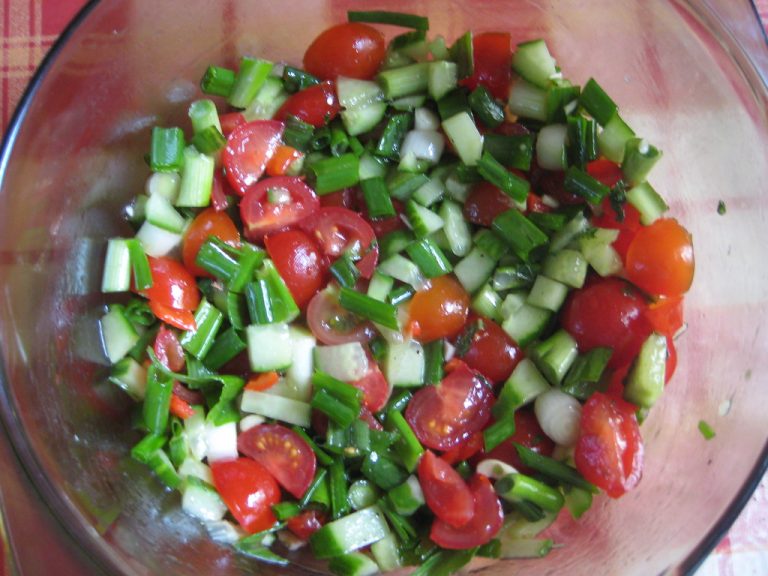
A well-built lunch should not leave you sleepy. Try a grain bowl with organic greens, roasted vegetables, chickpeas, cucumber, avocado, and a lemon-tahini dressing. Or choose a soup with lentils, carrots, celery, and herbs. Meals like these are easy on digestion while still feeling substantial.
Make dinner lighter, not smaller
Light dinners are often easier on the digestive system, especially if you are prone to bloating. That does not mean you should eat less food overall. It means dinner can be built around vegetables, lean protein, and moderate portions of carbs. Think salmon with roasted broccoli and quinoa, or tofu stir-fry with ginger, bok choy, and brown rice.
Why timing can matter
Eating very large meals late at night can interfere with sleep quality and digestion. If you often wake up feeling heavy or sluggish, consider finishing dinner earlier and keeping evening snacks light. A small bowl of yogurt, a handful of berries, or herbal tea may be enough.
[IMAGE: fitness lifestyle]
Foods That Can Disrupt Gut Health, Even in a
About the Author

About the Author