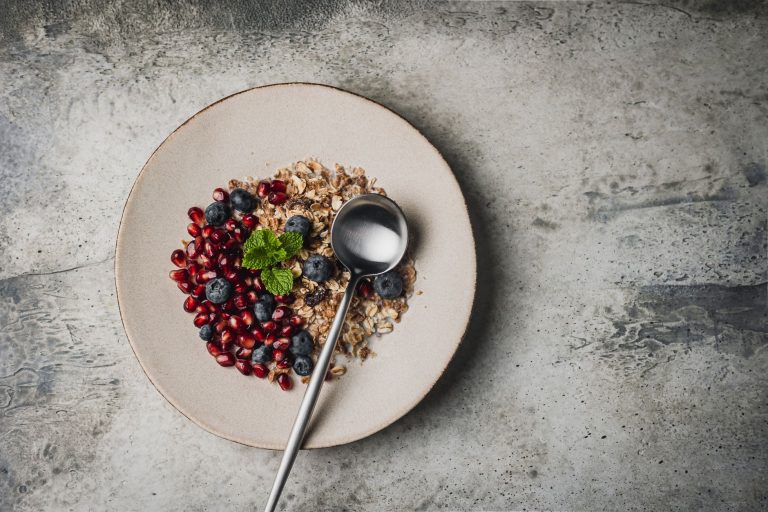

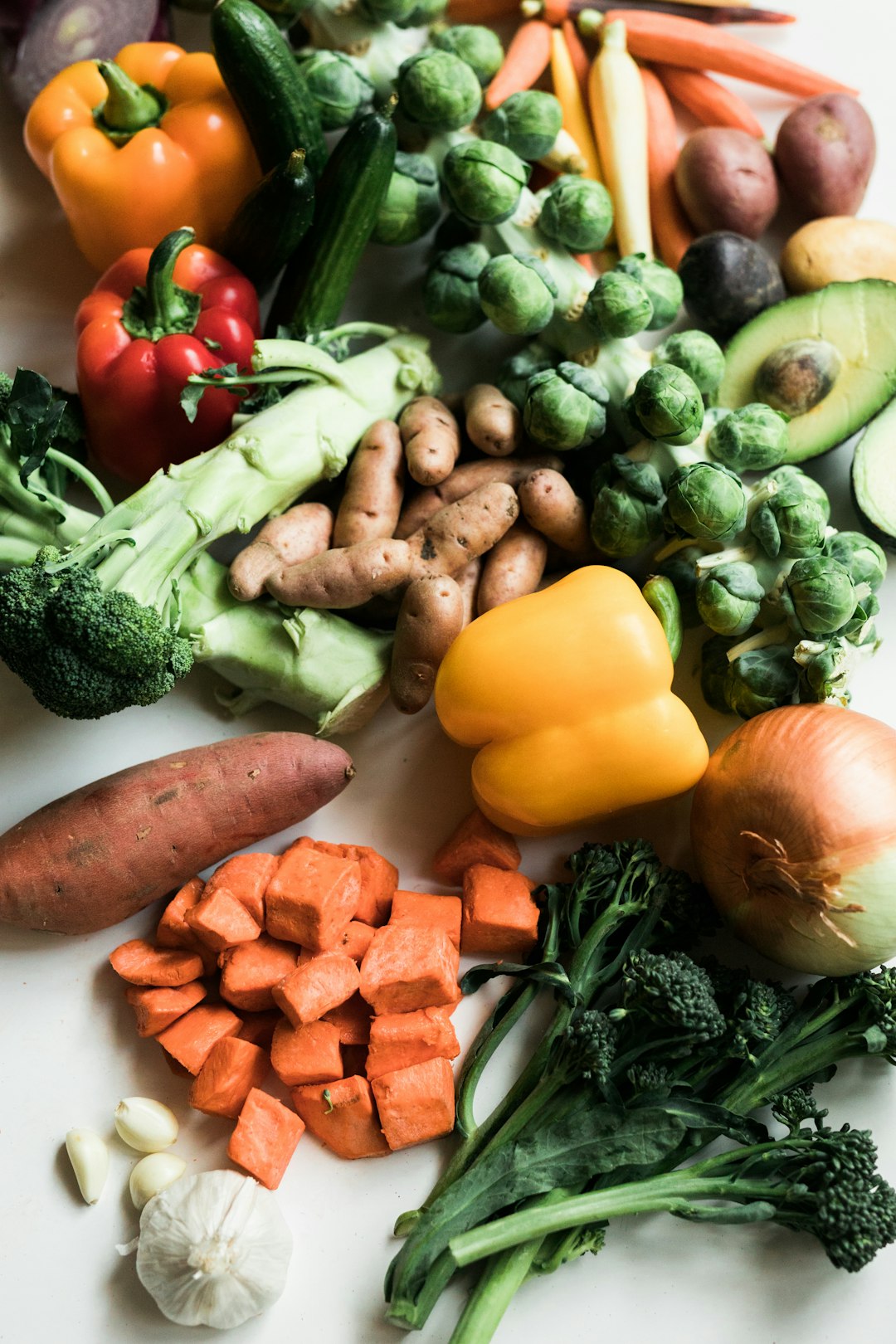
Photo by Nathan Dumlao on Unsplash
What if the path to easier digestion, more stable energy, and sustainable weight loss started with the food on your plate rather than another extreme plan? That is the promise of a well-designed organic food routine: not deprivation, not obsession, but a cleaner, more nourishing way to eat that supports the body from the inside out. For many people, the turning point is not a dramatic detox diet or a short burst of discipline; it is learning how clean eating, organic ingredients, and smarter daily habits work together to improve nutrition and make a healthy lifestyle feel natural. Have you ever noticed that when your meals are simpler and fresher, your body seems to respond more calmly? That is not a coincidence.
Why the digestive system responds so well to organic food
Your digestive system is remarkably sensitive to food quality, meal timing, and even stress. When meals are built around organic vegetables, fruits, whole grains, legumes, and clean proteins, the body often has an easier job breaking things down and absorbing nutrients. That matters because digestion is not just about comfort after eating; it affects immunity, mood, skin health, and how efficiently your body uses energy. If you are trying to lose weight, improve nutrition, or simply feel lighter throughout the day, gut-friendly eating is one of the most powerful places to begin.
The microbiome connection
Inside the digestive tract lives a vast community of bacteria known as the gut microbiome. Some microbes help digest fiber, produce beneficial compounds, and support healthy metabolism. Others become less helpful when the diet is overloaded with refined sugar, low-quality oils, and heavily processed foods. Organic food can make a real difference here because it often comes in a form closer to nature: fewer additives, more plant diversity, and less exposure to unnecessary chemical residues. While no single ingredient can
About the Author