

Photo by Alexas_Fotos on Pixabay
If your week tends to unravel by Wednesday, the problem may not be discipline. It may be the lack of a system that makes healthy choices easy to repeat. Organic meal prep gives you that system. It turns organic food into something practical, portable, and ready when life gets busy, which is exactly what a modern healthy diet should do.
When your fridge is stocked with washed greens, roasted vegetables, cooked grains, and quality proteins, clean eating becomes less about resisting temptation and more about following a plan. That shift matters if your goals include better nutrition, more stable energy, or gradual weight loss without the crash-and-burn cycle of strict dieting. Instead of asking what you should eat at the end of a long day, you simply choose from meals you already trust.
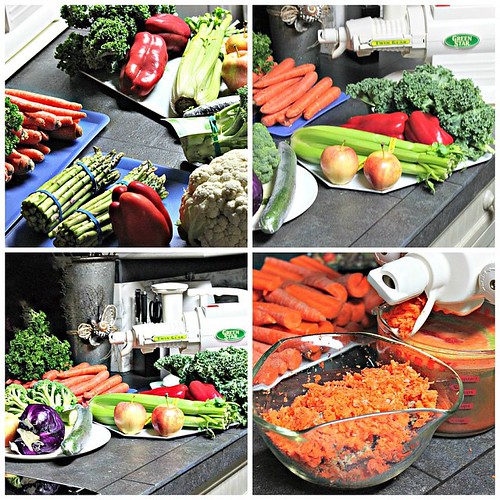
That is the beauty of meal prep: it removes friction. It also makes a detox diet approach feel calmer and more realistic, because you are not relying on processed snacks or random takeout to fill the gaps. You are giving your body real food, in balanced portions, with enough variety to stay interested. [IMAGE: organic vegetables]
What if your weekly routine could feel as polished as a high-end wellness magazine spread and still fit into a normal life? That is the promise of organic meal prep done well. It is not about perfection, and it is not about eating the same bland container every day. It is about building a flexible pattern that supports a healthy lifestyle, protects your nutrition goals, and makes clean eating feel natural instead of forced.
Why Organic Meal Prep Works So Well for Clean Eating and Weight Loss
There is a reason so many people struggle to stay consistent with a healthy diet even when they know what to do. The issue is rarely knowledge. It is convenience. If your healthiest options require too much effort in the moment, you will naturally drift toward whatever is fastest. Meal prep solves that problem by shifting effort into one focused session, then letting the rest of the week run on autopilot.
Organic food can make that system even more satisfying. Fresh produce, minimally processed ingredients, and thoughtfully sourced proteins often taste better and feel more nourishing. When meals are more flavorful, more colorful, and more satisfying, you are less likely to keep searching for something else an hour later. That can support weight loss because fewer random cravings tend to appear when meals are balanced and complete.
For many people, organic meal prep also fits neatly into a detox diet mindset without becoming extreme. You are not chasing harsh cleanses or liquid-only resets. You are simply reducing the clutter: fewer ultra-processed ingredients, fewer hidden sugars, fewer impulse decisions, and more real nutrition. That is the kind of clean eating strategy that can hold up in the long term.
Less Decision Fatigue, More Consistency
One of the biggest advantages of meal prep is psychological. Every time you open the fridge and already know what lunch looks like, you save decision-making energy for other parts of the day. That matters because fatigue often leads to poor food choices, especially late in the afternoon when hunger and stress collide.
Consistent routines also make healthy habits feel easier to maintain. You do not need to reinvent breakfast every morning or negotiate with yourself over dinner. The plan is already in place. That kind of structure is especially useful if you are trying to improve nutrition while still working, commuting, parenting, training, or managing a packed calendar.
- Fewer decisions mean fewer excuses.
- Prepared meals help you stay on track when stress rises.
- Consistency makes weight loss habits more realistic.
- Healthy choices become automatic instead of reactive.
Organic Meals Often Feel More Satisfying
Satisfaction matters more than most people realize. A healthy diet is not successful if it leaves you feeling deprived, distracted, or constantly hungry. Organic ingredients can improve the sensory experience of eating, especially when produce is seasonal and freshly prepared. Sweet carrots, peppery greens, ripe tomatoes, and fragrant herbs can turn an ordinary bowl into something you actually look forward to.
That matters because enjoyment can support consistency. When meals taste vibrant and feel nourishing, you are more likely to repeat them. The goal is not to make every meal extravagant. The goal is to create enough pleasure that clean eating feels like a reward rather than a restriction.
It Supports Better Nutrition Without Overcomplication
People often assume that eating well has to be complicated. In reality, a balanced organic meal can be built from a few simple elements: a protein, a fiber-rich carbohydrate, a healthy fat, and plenty of plants. That formula is easy to repeat, easy to shop for, and easy to adjust based on your goals.
For example, a roasted chicken bowl with quinoa, broccoli, and avocado can be just as practical as a salad jar or a stir-fry. The exact ingredients may change, but the structure stays the same. That structure is what helps you keep nutrition steady through busy weeks, travel days, and moments when motivation is not at its best.
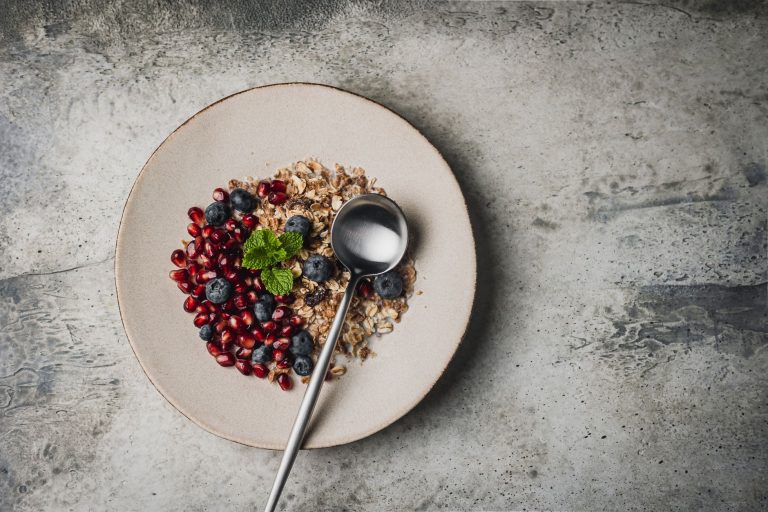
[IMAGE: healthy meal]
The Core Building Blocks of an Organic Meal Prep Routine
The most effective meal prep plans are not the most elaborate. They are the ones that can be repeated without stress. If you want your organic food routine to support clean eating and weight loss, start by building a small set of dependable ingredients that you can mix and match in different ways. Think of it as creating a personal pantry of possibilities.
A strong foundation should include proteins that keep you full, carbohydrates that fuel energy, fats that support satiety, and fiber-rich plants that help your meals feel complete. Once these pieces are in place, you can create breakfasts, lunches, dinners, and snacks without starting from scratch every single day. That is where sustainable healthy lifestyle habits begin.
Choose Proteins That Work Across Multiple Meals
Protein is one of the most valuable tools in a clean eating plan because it helps meals feel satisfying and balanced. If your meals are built around enough protein, they are usually easier to portion and less likely to trigger unnecessary snacking. For meal prep, the best proteins are the ones that hold up well in the fridge and can be used in more than one recipe.
Consider options such as organic chicken, turkey, eggs, Greek yogurt, cottage cheese, lentils, tofu, tempeh, salmon, tuna, chickpeas, and black beans. You do not need all of them in one week. Choose three or four and rotate them so your meals stay interesting. That variety helps prevent boredom and supports a wider range of nutrition.
Smart protein prep options
- Roast a tray of chicken breasts or thighs with herbs and lemon.
- Hard-boil a dozen eggs for breakfasts, snacks, and salads.
- Cook a pot of lentils or chickpeas for bowls and wraps.
- Bake salmon in two portions so it stays fresh for midweek meals.
- Keep plain Greek yogurt ready for fast breakfasts and sauces.
Use Carbohydrates That Support Energy, Not Crashes
Carbohydrates are not the enemy of weight loss. The real issue is choosing carbs that leave you unsatisfied or overly dependent on sugar spikes. Organic meal prep gives you a chance to use smarter sources of energy that digest more steadily and pair well with vegetables and protein.
Great options include brown rice, quinoa, oats, sweet potatoes, barley, whole-grain pasta, whole-grain bread, and beans. These foods can anchor your meals and help you feel fueled for work, exercise, and daily movement. If you want to keep your healthy diet practical, select carbs that can be repurposed in several meals rather than buying one ingredient for one recipe only.
For a lighter detox diet style week, you might reduce portions of dense carbohydrates at dinner while keeping them in breakfast and lunch. For a more active week, increase them around workouts or longer workdays. The point is to adapt, not restrict.
Do Not Underestimate Healthy Fats and Fiber
Healthy fats and fiber are the quiet heroes of meal prep. They do not always get attention, but they are often what makes a meal feel complete. A spoonful of tahini, a few avocado slices, a handful of nuts, or a drizzle of olive oil can improve flavor and satiety at the same time.
Fiber deserves the same respect. Leafy greens, broccoli, cauliflower, berries, seeds, beans, and apples all help create volume and texture without making meals heavy. When fiber is present, your plate looks abundant and your stomach is more likely to feel satisfied. That is useful for clean eating and weight loss because satisfaction makes it easier to stay on plan.
Build a Seasonal Produce Base First
Seasonal organic produce is one of the smartest foundations for a meal prep routine because it tastes better and usually offers more variety throughout the year. In spring, that might mean asparagus, peas, radishes, and tender greens. In summer, it could be tomatoes, zucchini, cucumbers, peaches, and fresh herbs. In autumn, think squash, apples, beets, and cabbage. In winter, focus on root vegetables, citrus, kale, and Brussels sprouts.
Seasonality keeps shopping interesting and often saves money, which matters if you want your healthy lifestyle to be sustainable. Instead of forcing yourself to buy the same ingredients every week, let the season guide you. Your meals will taste fresher, and your prep routine will feel more alive.
A Practical Organic Pantry List
If you want meal prep to feel easy, your pantry should support spontaneous assembly. Keep a short list of staples that make organic food preparation faster and more reliable. The goal is not to stock everything. The goal is to stock enough to avoid starting from zero.
- Extra-virgin olive oil and avocado oil
- Apple cider vinegar and lemon juice
- Sea salt, black pepper, garlic powder, turmeric, cumin, paprika, and chili flakes
- Brown rice, quinoa, oats, and whole-grain wraps
- Canned beans and lentils
- Nut butter, seeds, and raw nuts
- Low-sugar marinades, mustard, and tahini
When the basics are already on hand, a clean eating meal can come together in minutes rather than hours. That is one of the main reasons meal prep works: it turns good intentions into a practical system.
How to Prep a Week of Organic Meals in 60 to 90 Minutes
Many people think meal prep must take an entire afternoon. It does not. If you have a plan, a shopping list, and a few versatile recipes, you can get a full week started in a single session. The secret is to prep components rather than trying to cook seven completely different meals. That approach saves time and reduces waste.
A streamlined prep session should focus on the ingredients that are most repetitive in your week: a couple of proteins, two or three vegetables, one or two grains, a sauce, and a few snack items. Once those building blocks are ready, you can assemble breakfasts, lunches, and dinners in different ways. Does that sound simple? It should. Simple is what makes habits stick.
Step One: Decide on Your Meal Framework
Before you turn on the oven, decide how many meals you want to cover. Are you preparing lunches only? Three days of breakfast and lunch? A full workweek? Clarity reduces waste and prevents overcooking. If you know your target, you can shop with purpose.
A smart framework might look like this:
- 2 breakfast options
- 2 lunch options
- 2 dinner options
- 3 snack choices
- 1 sauce or dressing that works on everything
This structure gives you variety without chaos. It also keeps your healthy diet aligned with real life, where most people want enough options to stay interested but not so many recipes that the prep becomes a second job.
Step Two: Cook in Layers
The most efficient prep sessions happen when the oven, stove, and cutting board are all working at once. Start with whatever takes the longest, such as roasting vegetables or baking protein. While that cooks, simmer grains, mix a dressing, wash greens, and portion snacks. Layering tasks keeps the whole process moving.
For example, a tray of organic sweet potatoes, carrots, and Brussels sprouts can roast while quinoa cooks and eggs boil. In another part of the kitchen, you might whisk together a lemon-tahini sauce or a yogurt herb dressing. By the time the vegetables are done, you have enough components to build several meals.
Step Three: Use the Mix-and-Match Method
Mix-and-match meal prep prevents boredom. Instead of prepping a full meal in every container, prep components that can be rearranged through the week. A bowl might become a salad at lunch, a grain bowl at dinner, or a warm breakfast with eggs if you choose the right ingredients.
Here is a simple formula that works well for organic food prep:
- 1 protein
- 1 grain or starchy vegetable
- 2 vegetables
- 1 sauce
- 1 crunchy topping or healthy fat
That formula keeps meals balanced while allowing enough variety to protect motivation. It is especially useful if you are trying to lose weight because balanced meals help control hunger without forcing you to count every bite.
Step Four: Portion With Intention
Portioning is where meal prep becomes a weight-loss tool rather than just a convenience strategy. You do not need tiny portions or rigid rules. You do need enough awareness to make meals satisfying without overloading them. A practical approach is to portion proteins first, then vegetables, then grains, and finally add fats more deliberately.
Using containers can help, but it is even better to learn visual balance. Picture half the container filled with vegetables, one quarter with protein, and one quarter with a quality carbohydrate. Add dressing or sauce separately when possible so textures stay fresh. That little detail makes a surprisingly big difference in how your meals taste by day three.
Step Five: Store Food the Right Way
Good storage protects flavor and texture. Greens should be dried thoroughly before packing. Sauces should be kept in sealed containers. Roasted vegetables do well in glass containers. Grains stay freshest when cooled before refrigeration. And some ingredients, such as avocado or cucumber, are best added just before eating.
Organization also reduces food waste. If you can see what you have, you are more likely to eat it. If your refrigerator feels like a mystery zone, even the best healthy diet plan can fade into forgotten leftovers. Keep it visible, simple, and easy to grab.
Organic Meal Prep Ideas for Breakfast, Lunch, Dinner, and Snacks
Meal prep only works if the food is something you genuinely want to eat. That is why the best organic meal prep ideas are not just healthy; they are also practical, flavorful, and adaptable. Below are several combinations that work beautifully for clean eating and can be adjusted depending on your nutrition goals, appetite, and schedule.
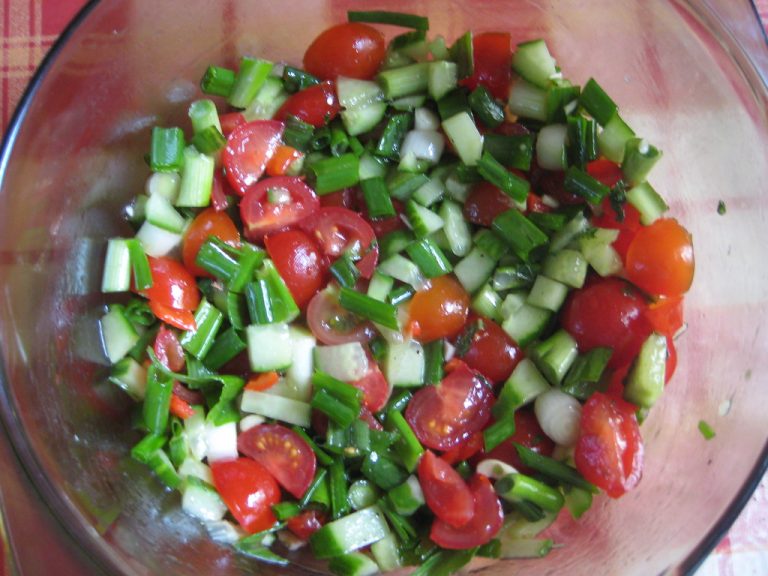
These ideas are designed to support a healthy lifestyle without making your kitchen feel like a laboratory. They are flexible enough for people who want weight loss support, but they are also satisfying enough for anyone who simply wants to eat better and feel more energized. [IMAGE: healthy meal]
Breakfast Ideas That Feel Fresh, Not Boring
Breakfast is often where good intentions go to die. You wake up rushed, hungry, and not exactly in the mood to make a balanced meal. That is why prep-friendly breakfasts are so valuable. They should be easy to grab, pleasant to eat, and rich enough to carry you into the morning.
- Overnight oats with organic oats, chia seeds, blueberries, and almond butter
- Egg muffins with spinach, peppers, onions, and goat cheese
- Greek yogurt bowls with berries, walnuts, hemp seeds, and cinnamon
- Chia pudding with unsweetened coconut milk and sliced kiwi
- Whole-grain toast with avocado, sliced tomato, and a boiled egg
If you want a breakfast that supports weight loss more directly, focus on protein and fiber first. That combination tends to keep hunger in check longer than a pastry, smoothie, or sugar-heavy cereal ever will. A better breakfast can change the tone of the whole day.
Lunch Ideas for the Middle of a Busy Day
Lunch is where meal prep truly earns its place. By midday, energy can dip, deadlines can pile up, and the temptation to order something fast becomes strong. A ready-made organic lunch helps you stay on track without depending on impulse decisions.
- Quinoa bowls with roasted broccoli, chickpeas, carrots, and tahini dressing
- Grilled chicken salads with mixed greens, cucumber, avocado, and pumpkin seeds
- Brown rice bowls with salmon, edamame, shredded cabbage, and sesame dressing
- Turkey lettuce wraps with shredded vegetables and hummus
- Lentil and vegetable soup paired with a slice of whole-grain bread
Lunch should feel energizing but not heavy. If you are following a detox diet or a lighter clean eating phase, this is a good place to emphasize vegetables, lean protein, and bright acids like lemon or vinegar. Those ingredients make meals feel fresh without needing extra calories from rich sauces.
Dinner Ideas That Close the Day Cleanly
Dinner is often where people either stay consistent or drift. After a long day, the kitchen can feel like one more task. Prepped dinners remove that barrier. They make it easier to sit down to something nourishing instead of raiding the pantry or settling for takeout.
- Sheet-pan salmon with asparagus, sweet potatoes, and dill yogurt sauce
- Chicken stir-fry with organic vegetables and brown rice
- Chickpea coconut curry with cauliflower rice
- Turkey meatballs with zucchini noodles and tomato basil sauce
- Stuffed bell peppers with quinoa, black beans, and herbs
These meals are practical because they reheat well. They also offer enough flavor to feel like real dinners, not just diet food. When healthy eating is enjoyable at night, you are less likely to chase snacks later.
Snacks That Support a Healthy Lifestyle
Snacking is not a problem when it is planned. In fact, the right snacks can stabilize energy and prevent overeating later. The key is to keep them simple, nutrient-dense, and easy to portion.
- Apple slices with almond butter
- Carrot sticks with hummus
- Hard-boiled eggs and cherry tomatoes
- A small handful of raw almonds and pumpkin seeds
- Plain yogurt with flaxseed and berries
- Cucumber slices with guacamole
These snacks work because they combine texture, satisfaction, and nutrition. They are easy to pack, quick to eat, and far better than reaching for something packaged and ultra-processed when hunger hits.
How to Use Organic Meal Prep for Weight Loss Without Feeling Deprived
If weight loss is one of your goals, meal prep can help you stay consistent without obsessive tracking. The point is not to eat less at all costs. The point is to eat in a way that keeps you satisfied, nourished, and aware of your choices. That is how progress becomes sustainable.
Many people fail because they try to make a healthy diet feel punishing. They cut too much, eliminate too much, and then rebound later. Organic meal prep offers a more grounded path. You can still enjoy satisfying meals while making portion sizes, ingredients, and timing work in your favor.
Build Plates, Not Rules
One of the easiest ways to support weight loss is to think in terms of plates rather than restrictions. A balanced plate should usually include vegetables, protein, and a portion of quality carbohydrate, with healthy fats added in moderation. That structure helps you eat enough to feel satisfied without sliding into mindless overeating.
Instead of banning foods, ask better questions: Does this meal have enough fiber? Is there enough protein? Will I feel full for a few hours? If the answer is yes, you are probably building a meal that supports your goals. That mindset is far more useful than trying to be perfect.
Use Protein and Fiber to Reduce Cravings
Protein and fiber are important because they influence fullness. If you have a lunch that is mostly refined carbohydrates, you may feel hungry again quickly. If you pair grains with vegetables and protein, the meal usually lasts longer in your system and feels more satisfying.
That is especially helpful in the afternoon and evening, when stress and fatigue often intensify cravings. A well-built organic meal can reduce that effect naturally. You do not need to force yourself to ignore hunger when the food itself is designed to keep you steady.
Watch the Hidden Extras
Even a very healthy meal can become more calorie-dense than expected if dressings, oils, nuts, and sauces are poured without intention. Those ingredients are valuable, but they work best when measured with awareness. A little can go a long way.
For example, a grain bowl may look light until it is topped with multiple handfuls of seeds, avocado, and a creamy dressing. That does not make it bad, but it does matter if your goal is weight loss. Smart meal prep keeps the nourishing elements while staying mindful of the extras.
- Use sauces on the side when possible.
- Measure calorie-dense toppings instead of free-pouring them.
- Choose one or two rich ingredients per meal, not five.
- Let vegetables carry more of the volume.
Pair Meal Prep with Movement
Food is only one part of a healthy lifestyle. Movement plays a major role in how you feel, how you manage appetite, and how you maintain energy. Meal prep makes it easier to stay active because you are not constantly dealing with energy crashes or skipped meals.
When you fuel consistently, workouts often feel better and recovery can improve too. A nourishing breakfast before a morning walk or a prepared lunch after an exercise session helps keep the day balanced. [IMAGE: fitness lifestyle]
Common Organic Meal Prep Mistakes to Avoid
Even the best intentions can falter if the system is too complicated. The most common meal prep mistakes are usually not about food quality. They are about planning, storage, and expectations. If you learn what tends to go wrong, you can avoid a lot of frustration early on.
Trying to Prep Too Many Recipes at Once
A beginner often thinks variety means success. In reality, too many recipes can turn a helpful routine into a stressful project. If you are constantly following five separate instructions, cleaning endless dishes, and juggling ingredients, you are more likely to quit.
Start with a few simple recipes and repeat them in different combinations. A roasted vegetable tray, one grain, one sauce, and two proteins can create more meal variety than a stack of complicated recipes. Consistency wins over complexity every time.
Skipping Seasoning
Healthy food should taste good. If your meals are bland, you will eventually lose interest. Fortunately, seasoning is easy to improve. Fresh herbs, citrus, garlic, cumin, paprika, turmeric, ginger, and black pepper can completely change the experience of organic food.
Use marinades, dressings, and finishing touches to bring meals to life. A little salt and acid can make roasted vegetables taste brighter, while a yogurt sauce or salsa can transform a grain bowl. Clean eating does not have to be dull.
Improper Storage and Food Waste
It is discouraging to prep a fridge full of meals only to watch them lose texture or spoil too quickly. Storage matters. Use airtight containers, cool food before sealing it, and keep wetter ingredients separate when possible. If you prep salads, store dressing apart and add delicate ingredients like avocado at the last minute.
Labeling containers with dates can also help. When you know what to eat first, fewer ingredients get forgotten. This small habit protects both your money and your nutrition plan.
Buying Organic Without a Plan
Buying organic food is great, but buying it randomly is not a strategy. If you want your healthy diet to work, you need a purpose for each ingredient. Decide what you will cook before you shop. Otherwise, even expensive produce can sit unused.
A good grocery list should lead directly to meals. It should answer practical questions such as: What can I roast together? Which vegetables can serve lunch and dinner? Which protein will keep me satisfied the longest? That level of clarity prevents waste and makes healthy eating feel more economical.
A Simple Organic Meal Prep Blueprint for a Busy Week
If you want a realistic starting point, use this simple blueprint for three to five days of organic meals. It is not designed to be fancy. It is designed to be repeatable. Once this feels easy, you can swap ingredients based on the season, your schedule, or your appetite.
Prep List for the Week
- 1 tray roasted mixed vegetables: broccoli, carrots, zucchini, and red onion
- 1 grain: quinoa or brown rice
- 2 proteins: baked salmon and roasted chickpeas
- 1 breakfast base: overnight oats or egg muffins
- 1 dressing or sauce: lemon-tahini or herb yogurt
- 2 snacks: cut vegetables with hummus and fruit with nuts
Example Day One
Breakfast: Overnight oats with berries and chia seeds. Lunch: Quinoa bowl with roasted vegetables, chickpeas, and tahini. Dinner: Salmon with green salad and sweet potato. Snack: Apple slices with almond butter.
Example Day Two
Breakfast: Egg muffins with spinach and tomatoes. Lunch: Chicken salad with avocado and cucumber. Dinner: Chickpea curry with cauliflower rice. Snack: Yogurt with flaxseed and cinnamon.
Example Day Three
Breakfast: Greek yogurt bowl with walnuts and blueberries. Lunch: Brown rice bowl with salmon and cabbage. Dinner: Turkey meatballs with zucchini noodles. Snack: Carrots and hummus.
Example Day Four
Breakfast: Chia pudding with coconut milk and kiwi. Lunch: Lentil soup with whole-grain toast. Dinner: Sheet-pan chicken with roasted vegetables. Snack: A handful of seeds and berries.
Example Day Five
Breakfast: Avocado toast with a boiled egg. Lunch: Chickpea salad with greens and pumpkin seeds. Dinner: Stuffed peppers with quinoa and black beans. Snack: Cucumber slices with guacamole.
This kind of framework is ideal if you want to stay on track without spending every night cooking from scratch. It also gives you room to adjust portions based on activity level, hunger, and your personal nutrition goals.
How to Keep Organic Meal Prep Sustainable Long Term
The best healthy lifestyle habits are the ones that survive real life. Travel happens. Schedules change. Appetite shifts. You may not prep every week in exactly the same way, and that is completely fine. Sustainability comes from flexibility, not rigidity.
If you want organic meal prep to last, make it seasonal, practical, and enjoyable. Let your plan evolve as your grocery budget changes, your work schedule shifts, or your taste preferences move toward new flavors. A routine that adapts is a routine that stays alive.
Rotate Recipes With the Seasons
Seasonal ingredients keep meal prep from feeling stale. They also give you a reason to look forward to the next grocery trip. In warmer months, use fresh salads, berries, tomatoes, and cucumbers. In colder months, lean into soups, roasted roots, and cozy grain bowls.
This is also one of the smartest ways to support your budget. Seasonal organic food often tastes better and can be easier to source. That means you can maintain a high-quality healthy diet without feeling like every week requires a premium spend.
Leave Room for Real Life
A plan becomes sustainable when it includes breathing room. Maybe you prep three lunches instead of five. Maybe you keep one dinner flexible for eating out with family. Maybe you prep components, not every meal. Those choices do not mean you failed. They mean you are building a system that understands how people actually live.
Healthy eating should fit your life, not force your life to shrink around it. If a routine is too strict to survive a busy week, it is not ready yet.
Keep Your Flavor Toolkit Fresh
Sometimes people lose interest in clean eating because they keep using the same seasonings and sauces. A better approach is to keep a small flavor toolkit and rotate it often. One week might feature Mediterranean herbs, while the next leans toward citrus and ginger. Another week might use smoky spices and a simple yogurt drizzle.
Flavor variety makes organic food feel exciting again. It also helps you stay consistent because you are less likely to feel trapped by repetition. That matters more than most people think when the goal is long-term nutrition improvement.
Respect Your Hunger and Your Schedule
Meal prep should not make you ignore your body. If you are more active one week, you may need larger portions or more carbs. If you are less active, you may want lighter dinners. Pay attention to how your body responds rather than following a rigid rule forever.
That flexible mindset is what transforms meal prep from a short-term project into a sustainable healthy lifestyle. It keeps the plan aligned with your energy, your goals, and your actual needs rather than an idealized version of your week.
When organic meal prep is done well, it does more than fill containers. It creates calm around food, makes clean eating easier to maintain, and gives your weight loss or wellness goals a realistic structure to stand on. The kitchen becomes a place of support instead of stress, and that change can ripple into the rest of your day. If you are ready for more practical nutrition ideas, more organic food inspiration, and more ways to build a cleaner routine without sacrificing taste, keep exploring the articles on DietOrganic and use each one to make your next week a little healthier than the last.
About the Author