
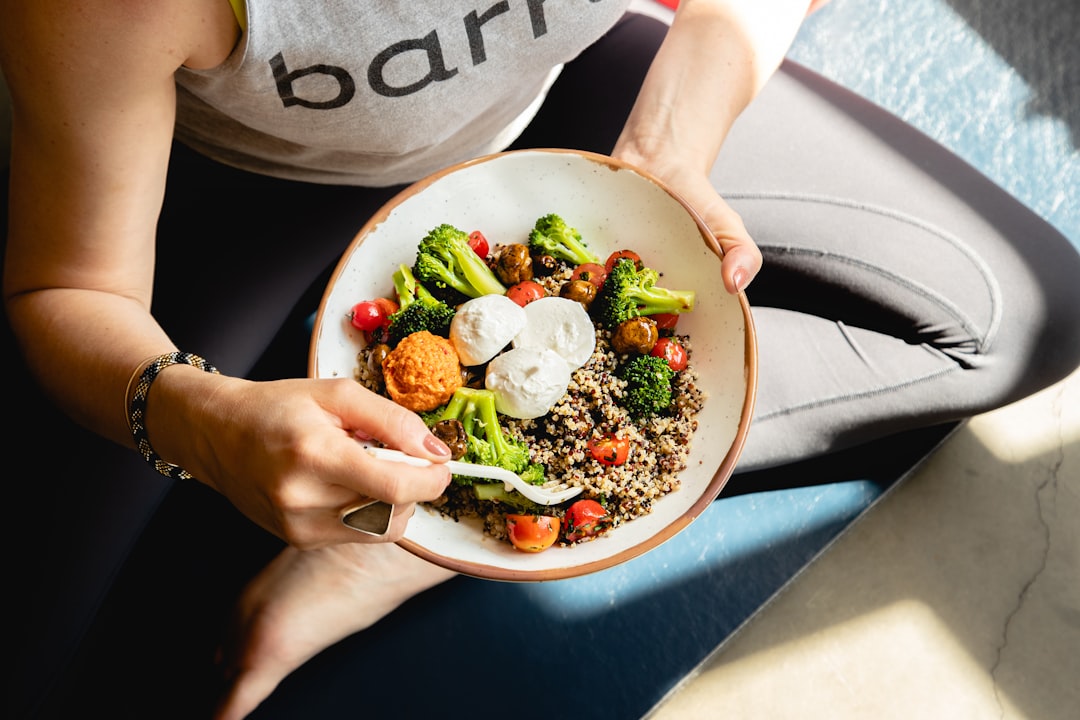
Photo by Clark Douglas on Unsplash
Gut health is one of the quiet foundations of a healthy lifestyle. When digestion feels smooth, everything else seems easier: energy is steadier, cravings are calmer, skin often looks clearer, and even weight loss can feel less like a battle and more like a natural result of daily habits. That is why so many people are turning to organic food and clean eating not as a trend, but as a practical way to support the body from the inside out. If you have ever wondered why some meals leave you light and focused while others create bloating, fatigue, or that heavy post-meal slump, the answer often begins in the gut.
This guide takes a realistic look at organic foods for gut health and shows how they can fit into a healthy diet without extreme rules or complicated detox diet claims. You will learn which foods are worth prioritizing, how to build balanced meals, and why the best approach for digestion is usually the simplest one. Can organic food really help with weight loss and better nutrition? In many cases, the answer is yes, not because it works like a miracle, but because it makes cleaner choices easier to maintain.
Why Gut Health Matters More Than You Think
Your digestive system does far more than process meals. It helps absorb nutrients, supports immune function, influences mood, and even plays a role in how satisfied you feel after eating. The gut is often called the body’s second brain for a reason: the communication between the digestive system and the rest of the body is constant. When your gut is in balance, healthy food tends to work better for you. When it is irritated or overloaded, even a sensible meal can feel uncomfortable.
Think about the last time you felt bloated after eating. Was it the food itself, the portion size, the speed of eating, or the overall pattern of your diet? These details matter. A healthy diet is not only about calories or restrictions. It is about how well your meals support digestion, steady energy, and a sense of ease. That is where organic food can become especially useful, because it often encourages fresher ingredients and fewer additives, two things that are friendly to long-term wellness.
What the Gut Microbiome Actually Does
The gut microbiome is the community of bacteria and other microorganisms living in your digestive tract. Some of them support digestion, help produce certain vitamins, and communicate with the immune system. Others can become problematic when your eating pattern lacks fiber, variety, or enough nutrient density. The goal is not to eliminate all bacteria, which would be impossible and unhealthy, but to support a diverse and balanced ecosystem.
That ecosystem thrives on the foods you choose consistently. A meal rich in vegetables, fermented ingredients, and whole-food fiber feeds beneficial bacteria and supports regular digestion. A meal that is heavily processed, low in fiber, and high in added sugar can make the microbiome less resilient over time. If you are aiming for clean eating, this is one of the strongest reasons to keep your plate colorful and minimally processed.
Signs Your Digestion May Be Out of Balance
Digestive imbalance does not always announce itself dramatically. Sometimes it starts with small signals that are easy to ignore. Have you noticed any of these patterns recently?
- Bloating after ordinary meals
- Irregular bowel movements
- Frequent cravings for sugar or refined snacks
- Low energy after eating
- Uncomfortable gas or stomach pressure
- Skin flare-ups that seem tied to food choices
- A feeling that you can never quite get satisfied by meals
These signs do not automatically mean something is seriously wrong, but they do suggest it may be time to improve nutrition and simplify your food routine. In many cases, a few weeks of better food quality, more hydration, and a more structured eating rhythm can make a noticeable difference.
Why Organic Food Can Support Digestive Wellness
Organic food is not a magic solution, and it is important to say that clearly. A bag of organic chips is still a processed snack, and a sugary dessert does not become health food because it has an organic label. Still, when you compare whole organic ingredients with highly processed alternatives, the benefits can be meaningful. Organic produce is grown without most synthetic pesticides and herbicides, and many people prefer that for both personal and environmental reasons. For digestion, the bigger win is often the quality of the ingredients themselves.
Choosing organic often nudges people toward a cleaner eating pattern. Instead of buying ready-made meals packed with excess sodium, artificial flavoring, and added sugar, you start choosing vegetables, fruit, legumes, eggs, yogurt, seeds, grains, and other minimally processed staples. That shift is powerful. It is easier to build a healthy diet when your kitchen is stocked with foods that actually nourish the body. And if you are trying to lose weight, that same shift can reduce mindless snacking and improve meal satisfaction.
[IMAGE: organic vegetables]
Fewer Synthetic Inputs, Fewer Surprises
Many people prefer organic food because it feels cleaner and more predictable. While nutrition is influenced by many factors, fewer synthetic additives in the growing process can make a meal feel more aligned with a natural healthy lifestyle. For sensitive eaters, this sense of simplicity matters. When meals are built from basic ingredients rather than long ingredient lists, digestion often becomes easier to manage.
That does not mean every organic product is perfect, and it does not mean non-organic foods are always harmful. It simply means organic choices can reduce one more layer of complexity. If you are already dealing with digestive discomfort, why make food decisions harder than they need to be?
A Cleaner Way to Practice Nutrition
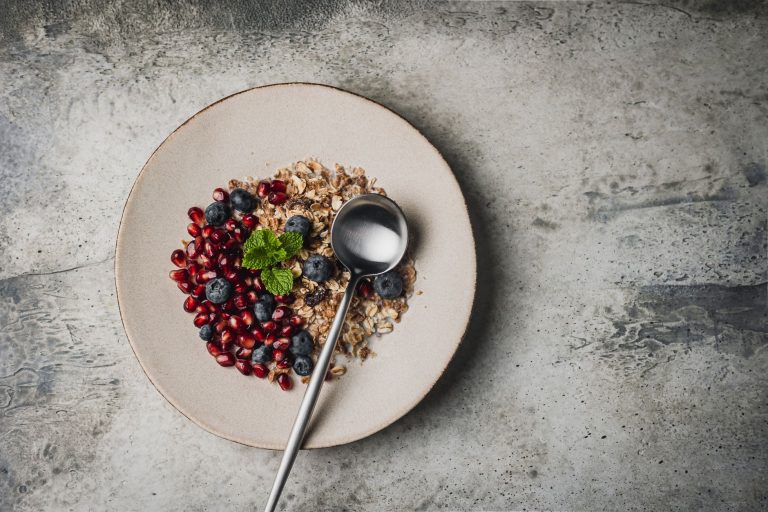
Good nutrition is about more than counting macros or chasing the latest detox diet. It is about giving your body enough fiber, protein, healthy fat, and micronutrients to function well every day. Organic ingredients often make that easier because they are commonly used in whole-food meals. A bowl of organic oatmeal with berries and chia seeds, for example, does more for gut health than a heavily sweetened breakfast bar marketed as healthy.
That is the beauty of clean eating when it is done well. It is not restrictive for the sake of restriction. It is simply a way to reduce noise and focus on foods that support digestion, metabolism, and long-term wellness.
The Best Organic Foods for a Happier Gut
When people ask which organic food choices matter most for digestion, the answer is usually not complicated. The best foods are the ones that feed beneficial bacteria, reduce inflammation, and keep bowel movements regular. The following categories deserve a regular place in your kitchen if you want better digestive health and more stable energy.
Fermented Foods That Bring in Beneficial Bacteria
Fermented foods are some of the most valuable additions to a gut-friendly organic diet. They contain live cultures or natural compounds created during fermentation that may support the microbiome. Organic yogurt, kefir, sauerkraut, kimchi, miso, and tempeh are especially useful because they combine tradition with practical nutrition.
How to Choose Them Wisely
Look for unsweetened yogurt and kefir with live active cultures. Choose sauerkraut and kimchi that are naturally fermented rather than heavily pasteurized, when possible. Read labels for added sugar, and do not assume every fermented product is automatically healthy. Some flavored versions contain more sugar than you may want in a clean eating plan.
A small serving daily can be enough to start. There is no need to overdo it. In fact, if your digestion is sensitive, begin slowly and let your gut adapt.
Fiber-Rich Vegetables and Fruits
Fiber is one of the strongest allies of digestive health. It supports regularity, helps feed beneficial bacteria, and can improve fullness after meals, which is useful for weight loss. Organic vegetables and fruit are especially valuable because they form the foundation of a nutrient-dense plate.
Some of the best choices include leafy greens, broccoli, Brussels sprouts, carrots, apples, pears, berries, and artichokes. These foods provide a mix of soluble and insoluble fiber, along with antioxidants and plant compounds that support a balanced body. If you struggle with cravings, increasing fiber may help more than you expect.
Prebiotic Foods That Feed Good Bacteria
While probiotics add beneficial bacteria, prebiotics help feed them. This is where foods like garlic, onions, leeks, asparagus, oats, flaxseed, chia seeds, and green bananas become especially important. They act like fuel for the good microbes already living in your gut.
Prebiotic foods are often overlooked because they are not flashy. But if your goal is lasting nutrition rather than a short-term fix, they matter a great deal. They help make a healthy diet more effective from the inside out. Why aim for a temporary detox diet when you can give your microbiome steady support every day?
Healthy Fats That Reduce Irritation
Healthy fat is essential for satiety, hormone balance, and absorption of fat-soluble vitamins. Organic avocados, extra-virgin olive oil, walnuts, almonds, chia seeds, and flaxseeds are smart choices. They can help meals feel more complete and satisfying, which often reduces the urge to snack on ultra-processed foods later in the day.
For some people, very low-fat eating leads to hunger and irritability. Balanced meals with healthy fat are usually more sustainable. That matters if you are trying to make clean eating a lifestyle instead of a short-term challenge.
A Clean Eating Day That Supports Digestion
It is easier to understand a healthy diet when you can picture it in real life. Rather than chasing a complicated plan, focus on a simple rhythm of meals that are easy to digest, rich in nutrients, and satisfying enough to keep cravings under control. A day built this way can support gut health, weight loss, and better energy without feeling overly strict.
[IMAGE: healthy meal]
Breakfast
Start with a meal that includes fiber and protein. For example, organic oatmeal topped with berries, chia seeds, and plain kefir can be both comforting and supportive of digestion. If you prefer savory options, try organic eggs with sautéed spinach and a side of avocado. The goal is to avoid a breakfast that spikes hunger one hour later.
- Organic oats with berries and flaxseed
- Greek yogurt or kefir with walnuts and cinnamon
- Eggs, greens, and avocado on whole-grain toast
Lunch
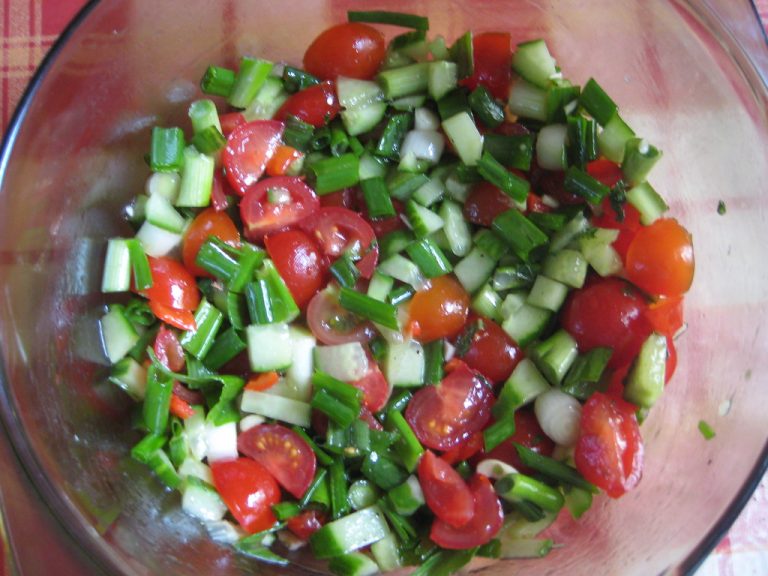
Lunch should be balanced, colorful, and satisfying. A salad is not enough unless it contains substantial protein and healthy fat. Think of a bowl with organic leafy greens, quinoa, roasted vegetables, chickpeas, olive oil, and a fermented side such as sauerkraut. This kind of meal supports digestion and helps prevent the afternoon slump many people blame on low energy when the real issue is an unbalanced meal.
- Quinoa bowl with roasted vegetables and chickpeas
- Organic chicken or tofu with greens and olive oil
- Whole-grain wrap with hummus, cucumbers, and sprouts
Snack
Snacks are where clean eating often falls apart, especially when schedules get busy. The key is to choose foods that are both convenient and useful. Instead of reaching for something random, keep prepped options in the fridge or pantry. Apple slices with almond butter, a small handful of nuts, or carrot sticks with hummus can hold you over without creating digestive chaos.
- Apple with almond butter
- Carrots with hummus
- Plain yogurt with berries
- Walnuts and pumpkin seeds
Dinner
Dinner is an opportunity to nourish the body and settle the digestive system before sleep. A simple plate of organic salmon or lentils, steamed greens, and roasted sweet potatoes is an excellent choice. If you want something lighter, vegetable soup with beans and herbs can work beautifully. Gentle, warm meals are often more comfortable for the gut than heavily fried or overly rich dishes late in the evening.
Ask yourself: does my dinner help me wake up refreshed, or does it leave me feeling weighed down? That one question can improve meal planning more than any trend-based rule.
A Gentle Reset Instead of a Harsh Detox Diet
Detox is one of the most overused words in wellness, and it is often misunderstood. Your body already has built-in detoxification systems, including the liver, kidneys, lungs, and digestive tract. That means the best way to support a detox diet is not through starvation or extreme cleansing. It is through consistency, hydration, fiber, sleep, and nutrient-dense organic food. A short reset can be helpful, but it should feel supportive, not punishing.
Think of a gentle reset as a way to reduce load on the digestive system while you refill it with better inputs. That could mean cutting back on alcohol, ultra-processed snacks, and excess sugar for a few days, while increasing vegetables, soups, fruit, protein, and water. The goal is to feel lighter and more aware of how food affects you, not to force the body into an unsustainable routine.
[IMAGE: fitness lifestyle]
What to Emphasize for Three Days
- Leafy greens and cruciferous vegetables
- Fruits with fiber, especially berries and apples
- Lean proteins such as eggs, fish, beans, or tofu
- Fermented foods in small portions
- Warm soups and simple grain bowls
- Plenty of water and herbal tea
What to Reduce Temporarily
- Alcohol and sugary drinks
- Highly processed snacks
- Large fried meals
- Excessive caffeine on an empty stomach
- Heavy desserts and late-night grazing
This is not about perfection. It is about giving your digestion a more peaceful rhythm. Many people notice that when meals become simpler, their stomach feels calmer almost immediately. Could a few days of cleaner eating reveal habits you want to keep long term?
Organic Meal Prep Ideas for Busy People
The biggest challenge in any healthy lifestyle is not knowing what is good to eat. It is finding a way to make good choices when your schedule is full. Meal prep solves that problem by removing decision fatigue. A little planning can transform organic food from a nice idea into a daily reality.
Build Once, Mix Twice
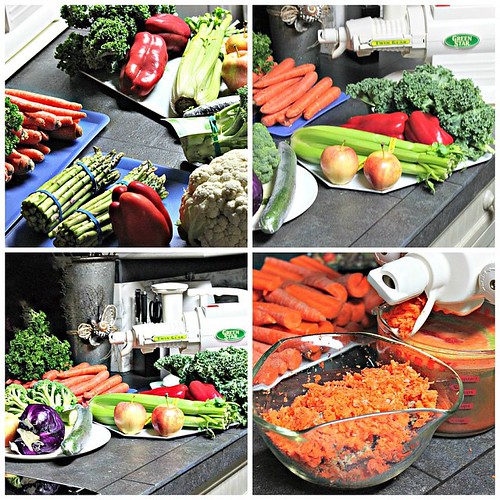
Choose ingredients that can be used in multiple meals. For example, roast a tray of organic vegetables, cook a grain such as quinoa or brown rice, prepare a protein source, and keep a jar of homemade dressing in the fridge. With those basics, you can create lunch bowls, wraps, salads, and quick dinner plates without starting from zero each time.
That is why clean eating is often easier when the kitchen is organized. The more prepared you are, the less likely you are to depend on convenience foods that do not support your goals.
A Sample Prep List
- Organic spinach, kale, or mixed greens
- Broccoli, zucchini, carrots, and bell peppers
- Quinoa, oats, or brown rice
- Eggs, tofu, chickpeas, or grilled chicken
- Kefir, yogurt, or sauerkraut
- Avocados, olive oil, nuts, and seeds
- Berries, apples, pears, and citrus fruit
The Plate Formula
A simple way to build meals is to divide the plate into three parts: half vegetables, one quarter protein, and one quarter smart carbohydrate or starchy vegetable. Then add a spoonful of healthy fat or fermented food. This formula supports digestion, energy, and satiety without requiring obsessive tracking. It also naturally supports weight loss because it keeps portions balanced and meals satisfying.
Organic Food and Weight Loss: Why the Approach Works
People often look for a specific food or supplement that will make weight loss effortless. In reality, sustainable results usually come from repeated habits that make it easier to eat less without feeling deprived. Organic food can help because it often replaces highly processed choices with whole ingredients that are more filling, more nutrient-dense, and less likely to trigger overeating.
When your meals are rich in fiber and protein, you tend to stay full longer. When your food is less processed, blood sugar is often easier to manage. And when digestion is calmer, you may feel less bloated and more motivated to stay active. That combination matters. Weight loss is not only about shrinking numbers on a scale. It is about creating a routine that supports energy, confidence, and consistency.
Better Satiety
Organic vegetables, whole grains, legumes, and lean proteins can all increase fullness. This makes it easier to avoid constant snacking, which is one of the most common reasons healthy plans stall. Ask yourself: are you truly hungry, or are you reacting to a meal that was too small or too low in protein?
Satiety is a powerful tool. When it is built into your meals, dieting becomes less stressful and much more sustainable.
Stable Blood Sugar
Meals that combine fiber, protein, and healthy fat help reduce the sharp blood sugar swings that can lead to energy crashes and cravings. That is one reason a clean eating pattern often works better than a strict detox diet. Instead of bouncing between restriction and rebound eating, you create a calmer metabolic rhythm.
If your afternoons tend to disappear into mindless snacking, the problem may not be willpower. It may be the structure of your lunch or breakfast.
Less Bloat, Better Confidence
Many people start paying more attention to organic food because they want weight loss, but the first thing they notice is less bloating. That change can feel incredibly motivating. When your stomach feels lighter and your clothes fit more comfortably, you are more likely to keep going. This is where nutrition and psychology intersect: better digestion can improve both comfort and commitment.
Sustainable Habits Beat Short-Term Restriction
Extreme restriction usually fails because it is not livable. You may lose a few pounds quickly, but once the plan becomes too demanding, old habits return. Organic food and clean eating work better as long-term strategies because they can be built into normal life. You can eat this way at home, at work, and even while traveling if you prepare a little in advance.
Would you rather follow a plan that is exhausting, or one that supports your body and still leaves room for real life? That answer usually reveals the best path forward.
Common Clean Eating Mistakes to Avoid
Even well-intentioned healthy eaters can make choices that backfire. Clean eating is useful, but it is not automatically balanced. The following mistakes are common and worth avoiding if you want better digestion, better nutrition, and a more realistic organic diet.
- Eating too little protein, which can leave you hungry and tired
- Relying on packaged organic snacks that are still high in sugar
- Going too low in calories and triggering rebound cravings
- Forgetting fiber and focusing only on green juices
- Assuming every organic product is healthy by default
- Trying an extreme detox diet instead of building everyday habits
- Not drinking enough water to help fiber do its job
If you have fallen into one of these habits, do not panic. The solution is usually simple: eat more real food, balance your meals, and stop treating healthy eating like a punishment. Good nutrition should make you feel stronger, not more stressed.
A Practical Grocery List for a Week
If you want a gut-friendly organic kitchen, start with a short list of versatile ingredients. You do not need to buy everything at once. In fact, a focused shopping list often leads to better meal planning and less waste. Use this as a starting point and adjust based on your preferences, budget, and schedule.
- Organic leafy greens
- Broccoli, cauliflower, carrots, zucchini, and sweet potatoes
- Berries, apples, pears, lemons, and avocados
- Eggs, kefir, yogurt, tofu, lentils, beans, chicken, or salmon
- Oats, quinoa, brown rice, and whole-grain bread
- Chia seeds, flaxseed, walnuts, almonds, and olive oil
- Garlic, onions, ginger, turmeric, and fresh herbs
- Sauerkraut, kimchi, or miso for fermented support
With just these items, you can build breakfasts, lunches, dinners, and snacks that support digestion and help you stay consistent. The simplicity is what makes the system work.
How to Keep This Routine Realistic
The best healthy lifestyle is the one you can actually live. Start small. Maybe you switch to an organic breakfast three days a week, add one fermented food to lunch, or prep vegetables every Sunday evening. Little wins build confidence, and confidence builds consistency. Over time, those small choices shape how your body feels every day.
If you want better gut health, cleaner nutrition, and a more natural path toward weight loss, focus less on perfection and more on repetition. Choose organic food when it makes sense, keep meals simple, and give your body ingredients it can use well. That is the real secret behind a sustainable healthy diet: not drama, not deprivation, just steady care that adds up over time. If this approach speaks to you, explore more articles on DietOrganic for more practical ideas that support clean eating, better digestion, and a healthier life you can genuinely enjoy.
About the Author