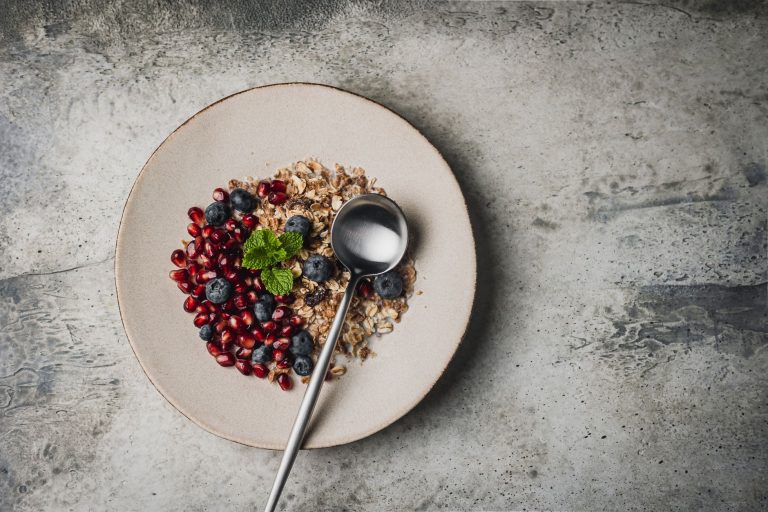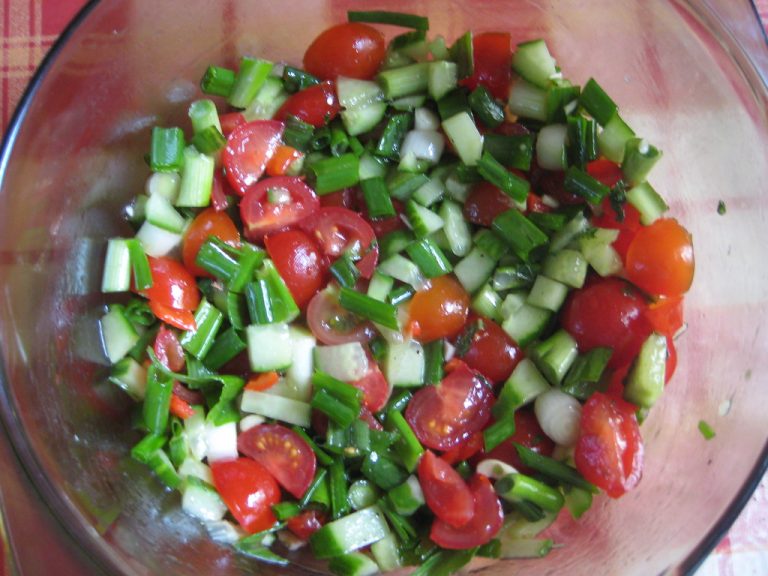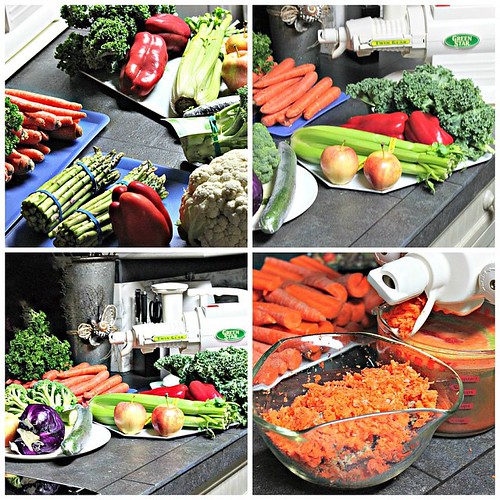

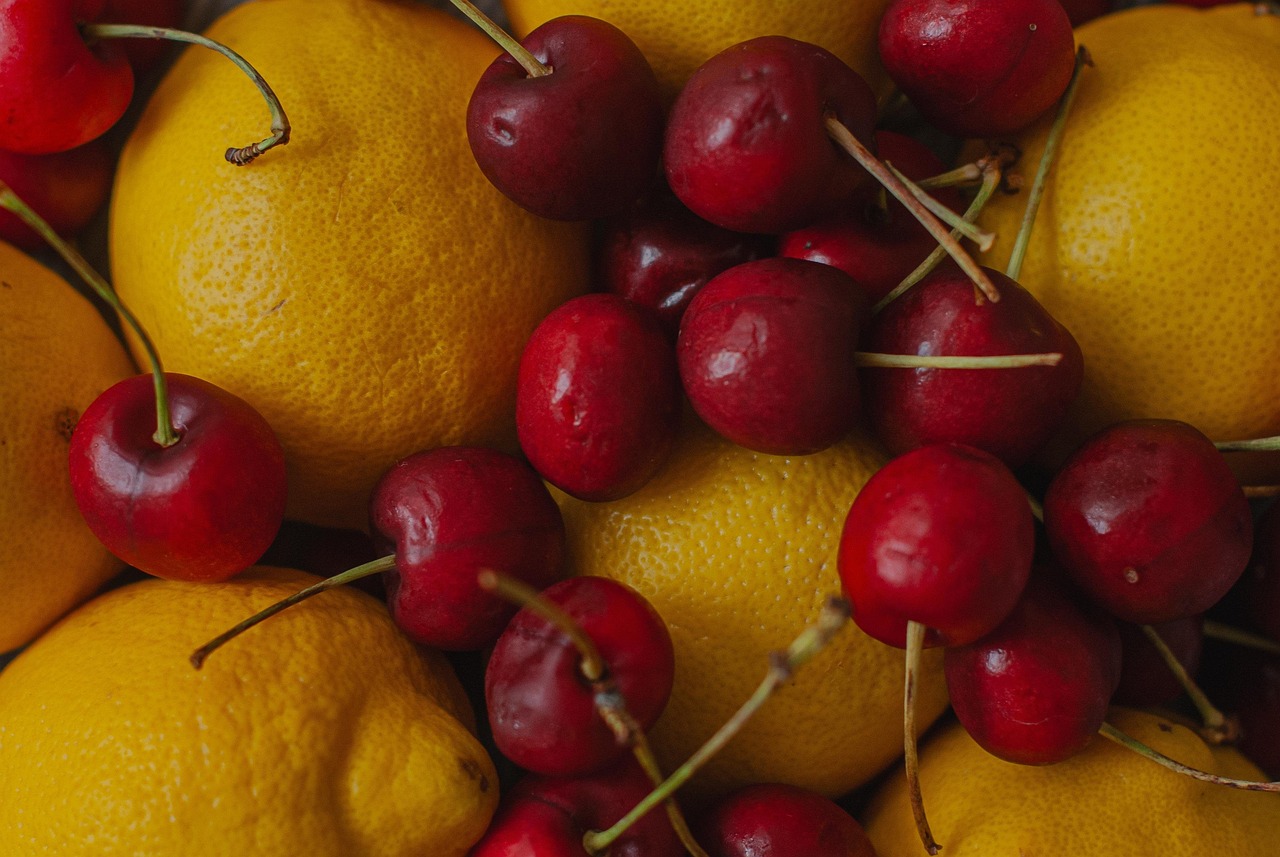
Photo by ClarissaBell on Pixabay
When people talk about changing their body, they often begin with calories, carbs, or the latest trend. Yet the real turning point is usually far more fundamental: how well the body digests food, absorbs nutrients, and manages inflammation. That is where organic food, clean eating, and gut health come together. If your meals are built on fresh, minimally processed ingredients, your digestion tends to feel calmer, your energy becomes more stable, and weight loss often feels less like a battle and more like a natural response to better nutrition.
A healthy lifestyle does not need to be extreme to be effective. In fact, the most sustainable results often come from simple daily choices: choosing organic produce when it matters most, eating enough fiber, supporting the microbiome with fermented foods, and avoiding the constant ups and downs of highly processed snacks. Have you ever noticed how one week of better meals can change your cravings, your bloating, or even your mood? That is not random. The gut and the brain are in constant conversation, and the foods you choose can shape both sides of that exchange.
This guide explores how organic food supports gut health, why clean eating can help with healthy weight loss, and how to build a practical routine that fits real life. It also explains how to use a gentle detox diet approach without falling for harsh cleanses or unrealistic promises. Whether your goal is better digestion, a flatter stomach, more energy, or simply a clearer plan for everyday nutrition, this is a place to start with confidence.
Why Gut Health Shapes Everything from Weight Loss to Energy
The gut is often described as the body’s hidden control center, and that description is more accurate than most people realize. Inside the digestive tract lives a complex ecosystem of bacteria, enzymes, and cells that influence how food is broken down, how nutrients are absorbed, and how efficiently the body responds to hunger and fullness. When that system is supported, weight loss becomes more manageable, bloating often decreases, and clean eating feels easier to maintain.
A balanced gut can influence blood sugar control, appetite regulation, immune function, and even the way the body stores fat. That is why two people eating similar meals may experience very different results. One may feel energized and satisfied, while the other feels sluggish, bloated, and constantly hungry. The difference is not always willpower. Sometimes it is digestion, inflammation, or a microbiome that needs better nourishment.
How the microbiome affects daily nutrition
Your microbiome thrives on diversity. The more variety you bring into your organic food routine, the more support you give those beneficial microbes. Fiber from vegetables, legumes, berries, seeds, and whole grains feeds the good bacteria that help protect the intestinal lining and reduce digestive discomfort. Fermented foods can introduce helpful cultures, while healthy fats and antioxidant-rich ingredients can support the gut environment in a different but equally important way.
When your microbiome is undernourished, cravings can become louder and digestion can become less efficient. You may feel tempted by sugar, salt, or ultra-processed foods because the body is searching for quick energy and comfort. Clean eating helps interrupt that cycle by delivering steady nourishment instead of temporary stimulation. The result is a more stable appetite and a more predictable relationship with food.
[IMAGE: organic vegetables]
Why digestion matters for healthy weight loss
Weight loss is not only about eating less. It is about helping the body function better so it can use food wisely. When digestion is smooth, the body tends to experience fewer spikes and crashes. That means fewer desperate cravings, less emotional eating, and a better chance of staying consistent. A meal based on organic food, fiber, protein, and healthy fats can keep you satisfied for hours, while a refined meal can trigger hunger again before your body has truly received what it needs.
This is one reason people who focus on nutrition rather than restriction often see better long-term progress. They are not starving the body into submission. They are feeding it in a way that supports balance. Isn’t that a more sustainable path than chasing every new fad?
Why Organic Food Deserves a Place in a Clean Eating Lifestyle
Organic food is not a miracle cure, but it can play a meaningful role in a healthy lifestyle. Choosing organic fruits, vegetables, grains, and proteins may reduce exposure to certain pesticide residues and support a more intentional way of eating. It also tends to steer people toward fresher, less processed ingredients, which naturally aligns with clean eating.
There is also the quality factor. Many people find that once they begin buying organic produce, they become more interested in how food is grown, where it comes from, and what is actually inside a packaged item. That shift in awareness matters. The more mindful you become, the easier it is to build habits that support nutrition rather than convenience alone.
What to buy organic first
If a fully organic pantry is not realistic right away, start with the foods that matter most. A smart organic strategy is often more effective than trying to replace everything at once. Focus on the ingredients you eat frequently, the produce you eat raw, and items that tend to carry more residue when conventionally grown.
- Berries such as strawberries, raspberries, and blueberries
- Leafy greens like spinach, kale, and romaine
- Apples, grapes, and cherries
- Celery, cucumbers, and peppers
- Organic eggs, yogurt, and milk if you use dairy
- Oats, beans, lentils, and grains you eat often
Buying organic does not need to be all or nothing. The goal is to reduce unnecessary exposure where it counts and create a cleaner foundation for your meals. If your budget is limited, prioritize the foods you consume every single week rather than the items that sit untouched in the kitchen.
How organic choices support cleaner nutrition
When a meal is built from recognizable ingredients, the body often handles it more efficiently. Organic vegetables, fruits, and whole foods usually contain fewer additives and more of what the body can actually use. That does not mean organic food is automatically better in every case, but it does make clean eating easier because the ingredients list becomes simpler and the meal itself becomes more transparent.
Transparency is an underrated part of nutrition. It is easier to make good choices when you know exactly what is going into your body. That clarity can reduce stress around food and make healthy eating feel calm instead of complicated.
Best Organic Foods for Gut Health and Better Digestion
Some foods support gut health especially well because they provide probiotics, prebiotics, fiber, or soothing nutrients that help the digestive system work more efficiently. A strong gut-friendly plan does not depend on one single superfood. It depends on combinations that work together.
1. Organic fermented foods
Fermented foods are among the most helpful additions to a gut-friendly diet. They contain beneficial microbes that can support the microbiome and may improve digestive comfort when used consistently. Organic yogurt, kefir, sauerkraut, kimchi, miso, and tempeh are excellent examples.
These foods are especially useful if your meals have been low in variety or if you want to bring more balance to a detox diet approach without cutting everything out at once. They are flavorful, easy to add to meals, and often satisfying enough to reduce the urge for empty-calorie snacks.
How to use fermented foods wisely
Start slowly. Some people notice more gas or fullness when they begin eating fermented foods too quickly. A spoonful of sauerkraut, a small serving of kefir, or a few bites of kimchi is enough to begin with. Listen to your body, and build up gradually as your digestion adapts.
- Choose products with live cultures when possible
- Check labels for added sugars or unnecessary fillers
- Pair them with balanced meals rather than relying on them alone
- Use them consistently instead of randomly
2. Organic prebiotic foods
Prebiotics feed the beneficial bacteria already living in your gut. Think of them as nourishment for the microbiome. Without prebiotics, even the best probiotic-rich foods may have limited impact. Organic onions, garlic, leeks, asparagus, artichokes, oats, bananas, and slightly green bananas are all useful choices.
These foods are easy to build into everyday meals. Garlic and onions can form the base of soups and stir-fries. Oats can become a high-fiber breakfast. Bananas can be paired with nut butter or chia seeds for a quick snack. Small, repeated choices like these often matter more than dramatic changes.
3. Organic fiber-rich vegetables and legumes
Fiber is one of the most important nutrients for digestion, blood sugar control, and satiety. It helps move food through the digestive system more comfortably and supports the bacteria that thrive on plant-based variety. Organic carrots, broccoli, Brussels sprouts, leafy greens, lentils, black beans, chickpeas, and chia seeds are all strong options.
One of the most common clean eating mistakes is not eating enough fiber while trying to eat better. People cut out processed food, but they do not replace it with enough vegetables, legumes, or whole grains. The result can be low energy and irregular digestion. If you want better weight loss results, fiber should be part of the plan from the beginning.
4. Organic healthy fats
Healthy fats help the body absorb fat-soluble vitamins and make meals more satisfying. They also contribute to stable blood sugar, which can reduce cravings and energy crashes. Organic avocado, extra-virgin olive oil, walnuts, almonds, chia seeds, flax seeds, and pumpkin seeds are excellent additions to a digestive-friendly routine.
Many people fear fat when trying to lose weight, but healthy fats are not the problem. In the right amount, they can support fullness and make it easier to avoid constant snacking. The key is quality and balance, not restriction.
5. Organic fruits that are gentle and nourishing
Some fruits are especially helpful when the goal is easier digestion. Organic berries, kiwi, papaya, pineapple, apples, and pears can provide fiber, antioxidants, and natural enzymes that support digestive comfort. These fruits can be eaten as snacks, added to breakfast bowls, or blended into smoothies that are rich enough to replace processed alternatives.
Fruit is sometimes unfairly blamed in weight loss conversations, but whole fruit is a nutrient-dense choice that contributes vitamins, hydration, and fiber. What matters is how it is used. A bowl of berries with yogurt is very different from a sugar-heavy dessert disguised as a smoothie.
[IMAGE: healthy meal]
How to Build Clean Eating Meals That Feel Satisfying
Clean eating works best when it is practical. You do not need complicated recipes or expensive supplements to feel better. You need meals that are structured well enough to support digestion, energy, and appetite control. A simple plate formula can make that much easier.
The organic plate formula
- Half the plate: non-starchy vegetables
- One quarter: organic protein such as eggs, yogurt, tofu, fish, chicken, or legumes
- One quarter: smart carbohydrates such as quinoa, oats, brown rice, sweet potato, or beans
- One to two tablespoons: healthy fats such as olive oil, avocado, or seeds
This structure gives the body steady fuel without creating the heaviness that can come from oversized portions of refined food. It also keeps meals visually balanced, which can make healthy eating feel more intuitive.
A simple day of gut-friendly eating
Breakfast might be overnight oats made with organic oats, chia seeds, berries, and plain kefir. Lunch could be a salad bowl with leafy greens, roasted sweet potato, chickpeas, avocado, and olive oil dressing. Dinner might feature salmon or tofu with steamed vegetables and quinoa. Snacks can be as simple as an apple with almond butter or carrots with hummus.
What makes this style of eating effective is not perfection, but repeatability. You can return to these combinations often without feeling bored or deprived. That is a major advantage in any healthy lifestyle plan.
Helpful meal-building questions
- Does this meal contain enough fiber to support digestion?
- Is there a source of protein to improve fullness?
- Does the meal include healthy fat for satiety and nutrient absorption?
- Is the ingredient list simple enough to feel like real food?
Asking these questions before eating can change the quality of your nutrition over time. The goal is not to obsess. The goal is to become more aware of what your body actually needs.
Can a Detox Diet Be Healthy? Yes, If You Keep It Realistic
The word detox is often used in ways that are confusing or exaggerated. Your liver, kidneys, digestive system, and skin already work hard to remove waste and process toxins every day. No cleanse can replace those organs. But a thoughtful detox diet can still be useful if you define detox correctly: not as a punishment, but as a short period of cleaner eating that reduces the load of highly processed foods and gives your body better support.
That means more organic food, more hydration, more vegetables, more sleep, and less ultra-processed snacking. It does not mean starvation, extreme juice fasts, or cutting out entire food groups without reason. A good detox strategy feels grounding, not draining.
What a gentle detox approach can look like
- Replace sugary drinks with water, herbal tea, or infused water
- Add one extra vegetable serving to each meal
- Choose organic produce when possible
- Reduce packaged snacks and fast food for a few days
- Prioritize sleep and hydration alongside meals
This kind of reset can help you feel lighter and more focused, especially if your normal routine has become chaotic. It also supports digestion, which can reduce bloating and make clean eating feel more rewarding.
What to avoid during a detox-style week
Do not turn a detox into a restrictive contest. If your plan leaves you exhausted, dizzy, irritable, or obsessed with food, it is probably too extreme. The best detox diet is the one that actually improves your relationship with nutrition rather than damaging it.
A healthy body does not need punishment. It needs consistency, nourishment, and a chance to recover from overload. That is what makes a gentle, organic approach so effective.
Organic Foods to Watch If You Have a Sensitive Digestive System
Even the healthiest ingredients can be challenging if your digestive system is sensitive. Being gut-friendly does not mean every organic food will work for every person. It means learning to notice patterns and adjust without panic.
Common triggers to observe
- Large amounts of raw cruciferous vegetables such as broccoli or cauliflower
- Too much fiber too quickly
- Dairy, even if organic, for those who are lactose intolerant
- Beans and lentils if portion sizes are too large at first
- Very spicy foods if your stomach reacts strongly
- Sugar alcohols found in some packaged health snacks
None of these foods are inherently bad. The issue is tolerance. If your digestion feels sensitive, introduce ingredients gradually and track your response. Would a smaller serving help? Would cooking the vegetables make them easier to digest? Would pairing fiber with protein improve comfort? These are the kinds of practical questions that lead to lasting success.
How to support digestion while still eating well
Chew slowly, eat in a relaxed environment, and avoid rushing meals. Simple habits can make a surprising difference. Stress can interfere with digestion just as much as food choice, which is why a healthy lifestyle includes rest, movement, and mental calm, not only meal planning.
Walking after meals, drinking enough water, and keeping portions moderate can also help. Many people discover that the best digestive supplement is not a product at all, but a calmer daily rhythm.
Why Organic Food Can Support Weight Loss Without Diet Drama
Weight loss often becomes easier when you stop chasing shortcuts. Organic food can support that shift because it tends to bring people back to the basics: real ingredients, balanced plates, and fewer ultra-processed distractions. When meals are more nourishing, cravings often calm down. When the gut feels better, the body usually becomes less reactive. That makes consistency far more achievable.
One of the most valuable benefits of clean eating is the way it changes your relationship with hunger. Instead of trying to suppress appetite, you learn how to satisfy it wisely. That is a huge difference. A person who feels nourished is far more likely to stay on track than a person who feels deprived all day.
What sustainable weight loss tends to look like
- Less bloating and more comfortable digestion
- More stable energy during the day
- Fewer intense cravings for sugar and refined snacks
- Better portion control without constant effort
- A growing preference for simple, nourishing foods
These may not sound dramatic, but they are exactly the kind of changes that lead to visible results. Healthy weight loss is often the byproduct of better systems, not more suffering.
Why quick fixes usually fail
Crash diets can produce rapid changes on the scale, but they often leave the body stressed, hungry, and more likely to rebound. They rarely teach long-term nutrition habits. Organic food and clean eating, on the other hand, teach you how to live differently every day. That is why the results last longer.
If your goal is to feel lighter in your body without becoming obsessed with every bite, a gut-friendly organic routine is one of the most intelligent strategies you can choose.
A Simple Weekly Grocery Framework for a Gut-Friendly Kitchen
The easiest way to stay consistent is to keep your kitchen stocked with ingredients that support the meals you want to make. A thoughtful grocery list saves time, reduces decision fatigue, and makes healthy cooking much more realistic.
What to keep in your cart
- Organic leafy greens, cucumbers, carrots, and zucchini
- Organic berries, apples, bananas, and kiwi
- Organic eggs, plain yogurt, kefir, tofu, or fish
- Lentils, chickpeas, black beans, and quinoa
- Chia seeds, flax seeds, walnuts, and almonds
- Olive oil, avocado, garlic, onions, and lemons
- Sauerkraut, kimchi, or miso for fermented support
From this basic list, you can build breakfasts, lunches, dinners, and snacks without feeling trapped by a rigid diet. The more often you use these staples, the more automatic clean eating becomes.
Meal prep ideas that save time
Batch-roast a tray of vegetables, cook a grain in advance, wash greens as soon as you get home, and prepare one or two sauces that can make simple meals taste better. A lemon-olive oil dressing, a tahini sauce, or a yogurt herb sauce can turn a basic bowl into something you look forward to eating.
Meal prep does not need to be a weekend marathon. It can be 20 focused minutes that remove friction during the week. That small effort often pays off with much better nutrition and fewer impulsive choices.
[IMAGE: fitness lifestyle]
How Movement, Sleep, and Stress Shape Gut Health Too
Food is essential, but it is not the whole story. Your digestion responds to your lifestyle, including sleep quality, movement, and stress levels. A healthy lifestyle supports the gut in ways that food alone cannot.
Regular walking can improve digestion and help regulate blood sugar after meals. Strength training and moderate exercise may support healthy metabolism. Restful sleep gives the body time to repair and rebalance. Stress management matters because the digestive system is highly responsive to the nervous system. If your body is always in a rushed or tense state, your gut often reflects that.
Simple habits that make a real difference
- Take a 10 to 15 minute walk after one or two meals each day
- Prioritize a consistent bedtime
- Eat without screens when possible
- Practice slower breathing before meals if you feel tense
- Choose movement you can repeat, not exercise that burns you out
These habits may seem small, but they support the same goal from different angles: a calmer, more efficient body that uses nourishment well. That is the kind of environment where clean eating really shines.
Putting It All Together Without Overcomplicating Nutrition
The best plan is the one you can actually follow. Organic food, gut-friendly meals, and clean eating only work if they fit your real schedule and preferences. You do not need to be perfect. You need to be intentional enough to build momentum.
Start with one breakfast, one lunch, and one dinner you can repeat. Choose a few organic staples. Add fermented foods in small amounts. Increase fiber gradually. Drink more water. Walk after meals. Sleep a little better. Those changes may sound ordinary, but ordinary habits are what transform health over time.
Do you need to overhaul everything at once? Probably not. Would your digestion benefit more from a calm, consistent routine than from a dramatic cleanse? Almost certainly. The truth is that a healthy weight, better energy, and easier digestion often come from making food simpler, cleaner, and more nourishing rather than more restrictive.
That is the deeper promise of an organic food lifestyle: not perfection, but clarity; not punishment, but support; not obsession, but balance. When you choose foods that respect your body and meals that are easier to digest, you create a foundation that can carry you well beyond a temporary diet. If you are ready to keep building that foundation, explore more expert guides on DietOrganic for practical ideas, organic recipes, and nutrition strategies that make healthy living feel beautifully achievable.
About the Author