
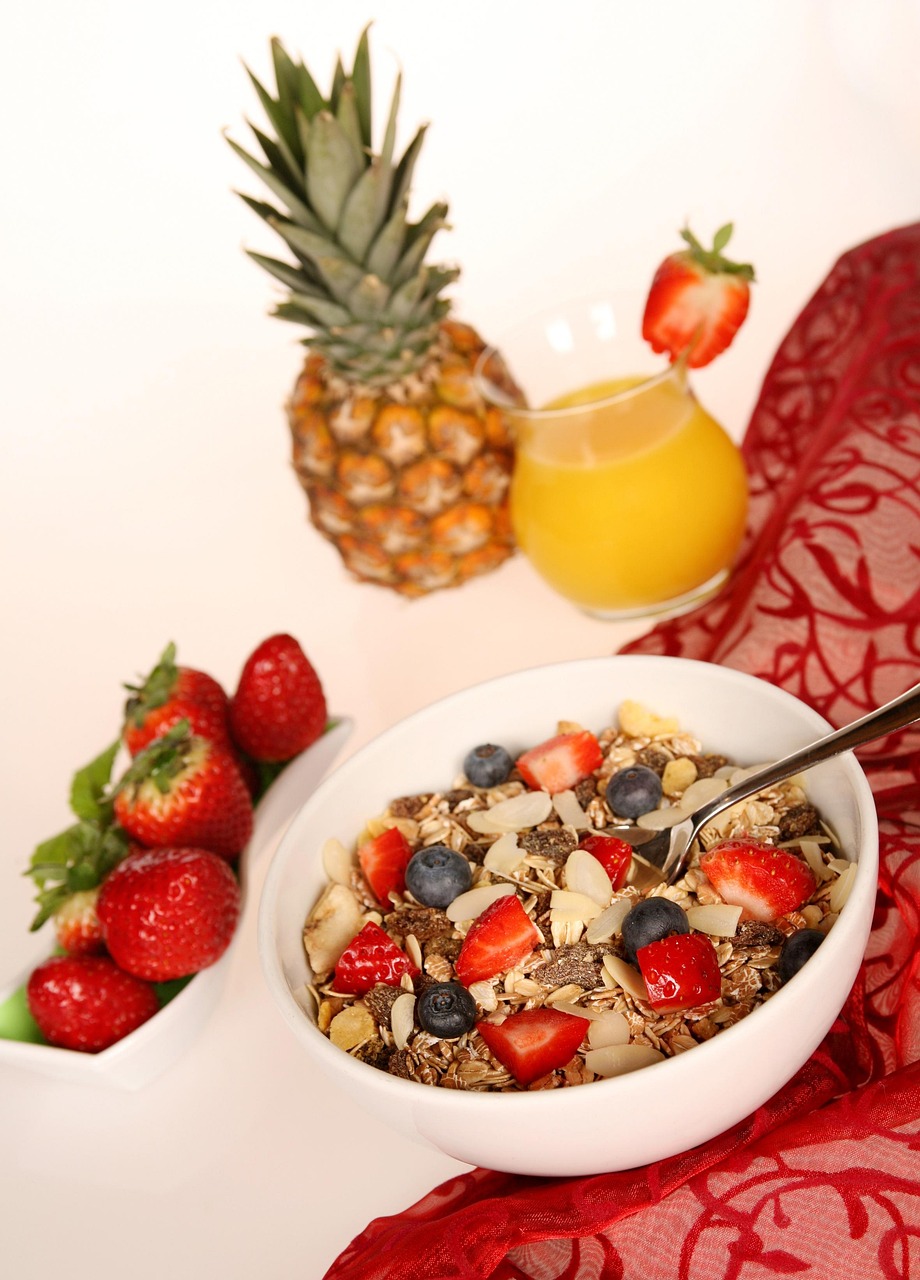
Photo by Fotomaus13 on Pixabay
If you have ever tried to improve your digestion, lose weight, or simply feel lighter and more energetic, you have probably realized that food choices matter far more than most people think. A plate filled with organic food can do more than satisfy hunger; it can support a healthier gut, reduce the burden of questionable additives, and make clean eating feel practical instead of restrictive. The result is not just better nutrition, but a healthier lifestyle that feels sustainable. And that is exactly what many people are searching for: a way to eat well without turning every meal into a complicated project.
The gut is where much of your daily wellbeing begins. When digestion is smooth, energy tends to rise, cravings often calm down, and weight loss can become less of a battle. But when the gut is irritated, overloaded, or lacking the right kinds of nourishment, even the healthiest intentions can stall. Have you noticed how bloating, sluggishness, or random snack attacks seem to appear when meals are unbalanced? That is your body asking for a better system, not more willpower. This guide looks at how organic food and clean eating can support gut health, what to eat more often, what to avoid, and how to build a healthy diet that works in real life.
[IMAGE: organic vegetables]
Why Gut Health Deserves More Attention
Gut health is often discussed as if it were a trend, but it is really the foundation of how the body processes food, absorbs nutrients, and responds to stress. The digestive system is home to trillions of microorganisms that influence everything from immunity to mood. When the balance of these microbes is supported, digestion tends to be more efficient and inflammation often stays lower. When that balance is disrupted, the effects can show up as bloating, constipation, loose stools, fatigue, brain fog, and a frustrating sense that healthy eating is not working.
For anyone focused on weight loss, gut health matters even more. A healthy gut may help regulate hunger hormones, improve satiety, and support steadier blood sugar levels. That means you are less likely to feel the sharp ups and downs that lead to overeating or late-night snacking. If your goal is clean eating, the gut should be treated as the center of the strategy rather than an afterthought. After all, what is the point of eating nutritious meals if your body cannot comfortably use them?
The Gut-Body Connection Is Real
The digestive system does not work in isolation. It communicates with the brain, the immune system, and even the skin. That is why nutrition experts often talk about the gut as a control center. When people adopt a healthier lifestyle, they often notice changes that extend far beyond digestion: calmer energy, fewer cravings, clearer skin, and better appetite control. These shifts are not magic; they are the natural result of consistent nourishment.
Organic food can support this process because it often aligns with a cleaner, more intentional approach to eating. Organic produce, grains, legumes, dairy, and proteins can help reduce exposure to some pesticide residues and synthetic additives, which many people prefer to minimize when building a detox diet or a gut-friendly routine. While organic is not a cure-all, it can be a meaningful part of a cleaner plate.
Signs Your Gut May Need More Support
If you are wondering whether your digestion needs a reset, pay attention to the patterns rather than a single bad day. Occasional discomfort is normal, but repeated symptoms suggest the need for change. Common signs include:
- Bloating after meals
- Irregular bowel movements
- Frequent sugar cravings
- Low energy after eating
- Brain fog or poor focus
- Skin issues that seem tied to diet
- A feeling of heaviness even with moderate portions
If several of these sound familiar, a more thoughtful clean eating plan may help. The goal is not to chase perfection. It is to create a consistent nutrition pattern that lets the gut function with less stress.
Why Organic Food Can Be a Smarter Choice for Digestion
One reason people turn to organic food is simplicity. Organic ingredients are often less processed, which means they fit neatly into clean eating routines. But there is another reason: many people want to reduce unnecessary exposure to synthetic pesticides, herbicides, preservatives, and artificial colors. While the science around every food claim can be debated, many health-conscious eaters appreciate the idea of keeping the food supply as close to nature as possible.
For gut health, this matters because the digestive system is sensitive. Highly processed foods can make the body work harder, while meals built around whole foods tend to be gentler and more satisfying. A healthy diet centered on organic vegetables, fruits, grains, legumes, seeds, and quality proteins can make digestion feel more predictable. Isn’t that what most people want anyway: less guesswork and more consistency?
Less Processing, More Real Nutrition
Organic food often encourages better choices simply because it steers people toward whole ingredients. Instead of snacks built around refined flour and synthetic flavors, a clean eating approach focuses on meals that actually feed the body. This can improve nutrition quality in a way that feels natural rather than forced.
Think about the difference between a lunch that leaves you sleepy and a lunch that keeps you alert for hours. The first may be loaded with refined carbohydrates, excess oils, and hidden sugars. The second may include organic greens, lean protein, fiber, and healthy fats. One creates a quick spike and crash; the other supports stable energy and smoother digestion.
Organic Eating Can Make a Detox Diet More Practical
The word detox is often overused, but the body does have its own built-in detoxification systems, especially the liver, kidneys, skin, and digestive tract. A supportive detox diet does not mean starvation, juice-only days, or punishing rules. It means eating in a way that reduces unnecessary strain while giving the body the nutrients it needs to process waste efficiently.
Organic food fits this approach beautifully. Fresh produce, leafy greens, herbs, cruciferous vegetables, berries, and fiber-rich staples all help the body maintain normal elimination processes. When combined with hydration, movement, and sleep, they create an environment where your system can do its job more smoothly. That is a far more realistic detox strategy than chasing trendy cleanses that leave you hungry and frustrated.
Best Organic Foods for Gut Health
If your goal is to improve digestion, support weight loss, and feel more energized, the best foods are usually the simplest ones. The following organic foods can play a major role in a gut-friendly healthy diet. They are easy to find, versatile, and practical enough for daily life.
Fermented Foods That Feed a Balanced Microbiome
Fermented foods bring beneficial bacteria and active cultures into the diet, which may support a more diverse gut microbiome. They are one of the most valuable additions to a clean eating routine because they pair well with nearly any meal.
- Organic plain yogurt
- Organic kefir
- Sauerkraut
- Kimchi
- Miso
- Tempeh
Start slowly if you are new to fermented foods. A small serving with breakfast or lunch can be enough to begin with. Too much too quickly may cause temporary bloating, especially if your gut is not used to them. Isn’t it better to build gradually than to overwhelm your system?
Fiber-Rich Organic Produce
Fiber is one of the most important nutrients for digestion, weight loss, and long-term health. It helps add bulk to stool, supports regularity, and feeds beneficial bacteria in the gut. Organic fruits and vegetables are especially valuable because they are easy to incorporate into a high-quality healthy diet.
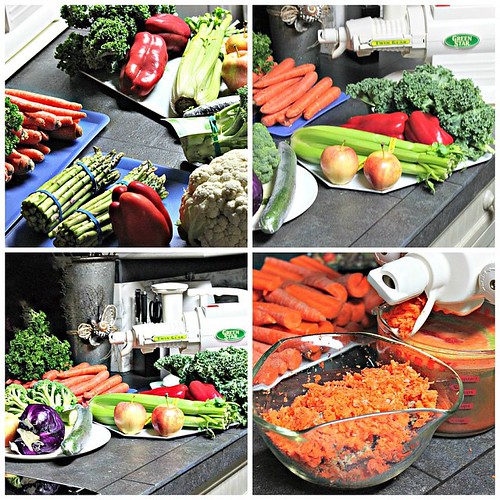
- Leafy greens like spinach, kale, and arugula
- Cruciferous vegetables such as broccoli, cabbage, and cauliflower
- Apples, pears, and berries
- Carrots, beets, and sweet potatoes
- Avocados
- Artichokes and asparagus
A practical tip: aim to fill half your plate with vegetables at lunch and dinner. That one habit alone can improve nutrition quality, enhance satiety, and make weight loss feel much more manageable.
Prebiotic Foods That Nourish Good Bacteria
While probiotics are often the stars of the conversation, prebiotics deserve just as much attention. Prebiotic foods provide the fibers and compounds that beneficial gut bacteria love to feed on. In other words, they help your microbiome thrive.
- Organic garlic
- Organic onions
- Leeks
- Asparagus
- Bananas that are slightly green
- Oats
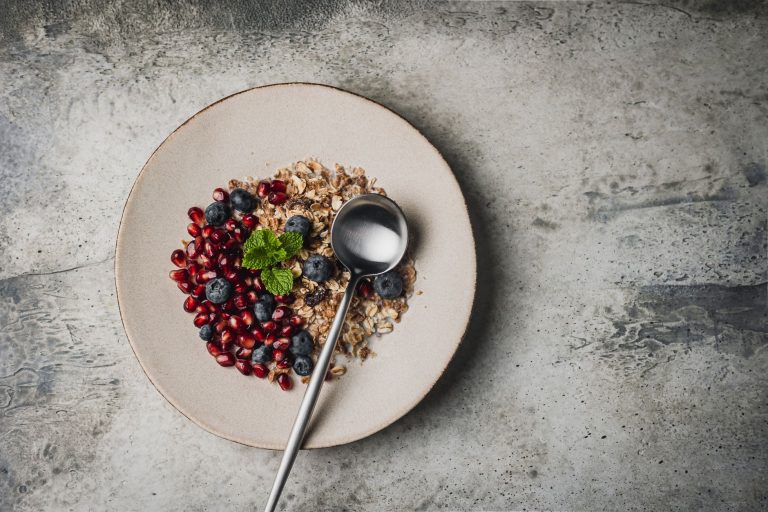
These foods are especially useful in a detox diet or a clean eating meal plan because they are simple, affordable, and easy to combine with proteins and vegetables. A bowl of oats with berries, for example, can be a gentle breakfast that supports digestion without sacrificing flavor.
Quality Organic Proteins and Healthy Fats
Protein helps stabilize appetite, preserve lean muscle, and support recovery. Healthy fats support hormone balance and help the body absorb fat-soluble vitamins. Both matter when you are trying to build a healthy lifestyle that supports weight loss without leaving you depleted.
- Organic eggs
- Wild-caught fish
- Organic chicken or turkey
- Grass-fed yogurt
- Chia seeds
- Flaxseeds
- Walnuts and almonds
- Extra virgin olive oil
Balanced meals built around these foods are far more satisfying than low-fiber snacks or sugar-heavy breakfasts. When you feel full and steady, it becomes much easier to stay on track with clean eating.
Polyphenol-Rich Foods for a Healthier Microbiome
Polyphenols are plant compounds that may help support beneficial gut bacteria while reducing oxidative stress. Many organic foods are rich in these compounds, making them a natural fit for a nutrient-dense diet.
- Blueberries
- Blackberries
- Raspberries
- Cocoa powder
- Green tea
- Olives
- Herbs such as rosemary, thyme, and oregano
Small additions matter. A handful of berries, a cup of green tea, or herbs sprinkled over dinner can help add variety and depth to your nutrition plan without making meals complicated.
How Clean Eating Supports Weight Loss Without Extreme Rules
Weight loss often fails when the plan is too aggressive. People cut too many calories, remove entire food groups, or rely on temporary detox diet shortcuts that cannot be maintained. Clean eating offers a more stable path because it emphasizes whole foods, portion awareness, and consistent nourishment. Instead of fighting the body, you work with it.
When meals are based on organic food and minimally processed ingredients, several things happen at once. Hunger can become more manageable. Cravings often become less chaotic. Energy tends to stay more even throughout the day. Over time, these changes can support weight loss in a way that feels calmer and more realistic.
Satiety Matters More Than Strict Restriction
One of the biggest reasons people abandon healthy diets is hunger. If a plan leaves you constantly thinking about food, it is usually not the right plan. Organic meals rich in protein, fiber, and healthy fats can help you feel satisfied without overeating.
Try asking yourself this before and after meals: did this food actually nourish me, or did it just distract me for a little while? That question alone can sharpen your awareness and help you build better habits.
Stable Blood Sugar Supports Better Decisions
Blood sugar swings can drive cravings, mood changes, and fatigue. Many people think they have a motivation problem when they really have an energy stability problem. A clean eating plate with organic vegetables, quality protein, and slower-digesting carbohydrates may help reduce these swings.
For example, breakfast made of organic eggs, avocado, and sautéed greens is very different from a pastry and sweet coffee. Both may taste good, but only one sets the stage for a steady morning.
Reduced Inflammation Can Make the Body Feel Lighter
Inflammation is a normal biological response, but chronic inflammation can make the body feel sluggish and uncomfortable. Many people pursuing weight loss notice that once they reduce processed foods and increase plant-rich meals, they feel less swollen, less puffy, and more energized. That is one reason a healthy diet built on organic food can be so appealing.
It is not about claiming one food cures everything. It is about patterns. When the pattern is consistent, the body usually responds in kind.
What a Gut-Friendly Organic Plate Looks Like
Creating a balanced meal does not require a nutrition degree. The simplest formula is also one of the most effective: half vegetables, one quarter protein, one quarter slow-digesting carbohydrates or additional vegetables, plus a small amount of healthy fat. That structure supports digestion, energy, and satiety while leaving room for flavor.
[IMAGE: healthy meal]
Sample Plate Formula
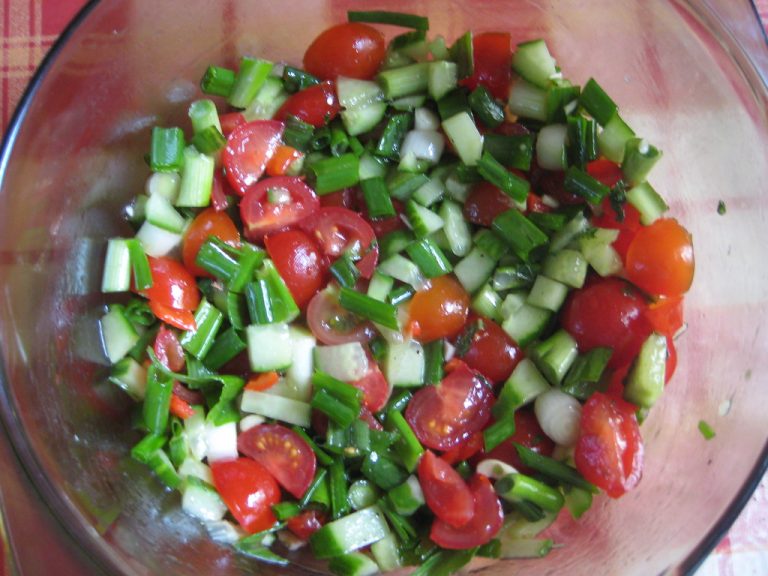
- Half the plate: organic leafy greens, broccoli, cucumber, roasted zucchini, or mixed vegetables
- One quarter: organic eggs, chicken, fish, tofu, tempeh, or beans
- One quarter: quinoa, brown rice, sweet potato, oats, or lentils
- Add: olive oil, avocado, seeds, or a yogurt-based dressing
This formula works for lunch, dinner, and even brunch. It is flexible enough to suit different preferences while still keeping the meal aligned with clean eating and gut health goals.
Easy Meal Examples
Here are a few practical combinations that feel satisfying and support nutrition without feeling repetitive:
- Grilled salmon, roasted broccoli, and quinoa with lemon and herbs
- Organic omelet with spinach, mushrooms, and avocado
- Tempeh bowl with cabbage, carrots, cucumbers, and sesame dressing
- Chicken salad with mixed greens, berries, walnuts, and olive oil vinaigrette
- Lentil soup with side greens and fermented vegetables
Can you see how none of these meals feels extreme? That is the beauty of a smart healthy lifestyle: it should be repeatable.
Organic Meal Timing and Daily Rhythm
What you eat matters, but when and how you eat can also affect digestion. A chaotic routine often leads to rushed meals, skipped meals, and reactive snacking. Those habits can create digestive stress and make weight loss more difficult. A more intentional rhythm may help the body settle into a better pattern.
Eat Enough in the Morning
For many people, breakfast sets the tone. Skipping it may work for some, but for others it leads to overcompensation later in the day. A balanced breakfast built around organic food can support steady energy and reduce cravings.
Good options include overnight oats with berries and chia, eggs with greens, or yogurt with flaxseeds and fruit. The key is to combine fiber, protein, and a moderate amount of natural carbohydrates.
Do Not Let Yourself Become Overly Hungry
Extreme hunger often leads to overeating, especially in the evening. When meals are spaced too far apart, the body may crave fast energy instead of balanced nutrition. A smart clean eating plan includes snacks only when they are truly needed, not as a response to boredom or stress.
Ask yourself: am I actually hungry, or am I tired, thirsty, or looking for comfort? That pause can make a surprising difference.
Consider a Gentle Evening Routine
Heavy late-night meals may interfere with digestion and sleep quality. A lighter dinner based on organic vegetables, protein, and a small serving of complex carbohydrates can be easier on the gut. If you want a healthy lifestyle that lasts, protecting sleep is just as important as choosing the right food.
Detox Diet Habits That Actually Support the Body
There is no need for harsh cleanses or unrealistic restrictions. The most effective detox diet is one that consistently reduces digestive stress while supporting the body’s natural elimination processes. This means focusing on habits, not hype.
Hydration Comes First
Water helps move fiber through the digestive tract and supports overall metabolic function. If you are increasing your intake of organic vegetables and whole foods, hydration becomes even more important. Herbal teas, sparkling water with lemon, and simple water infused with cucumber or mint can make hydration feel more appealing.
Use Fiber as a Daily Tool
Fiber is one of the most powerful tools for gut health and weight loss. It supports fullness, regularity, and microbial diversity. Yet many people eat far less fiber than they realize. If your diet has been low in produce and legumes, introduce fiber gradually to avoid discomfort.
- Add chia seeds to yogurt or oats
- Choose apples or pears as snacks
- Include beans or lentils several times a week
- Build every lunch and dinner around vegetables
This is not a fad. It is basic nutrition done consistently.
Move Your Body to Help Digestion
Gentle movement can support digestion, reduce stress, and improve circulation. You do not need intense workouts every day to benefit. Even a walk after meals may help the body process food more comfortably. That is why clean eating pairs so well with an active routine and a healthy lifestyle.
[IMAGE: fitness lifestyle]
Simple Movement Ideas
- 10 to 20 minute walk after lunch or dinner
- Light stretching in the morning
- Yoga or mobility work for relaxation
- Strength training several times per week
When movement, sleep, and nutrition work together, digestion often improves more quickly than it would from diet alone.
Common Organic Diet Mistakes That Can Hurt Gut Health
Even a healthy approach can go off course if it becomes too narrow, too strict, or too dependent on trendy products. Organic food is valuable, but it still needs to be part of a balanced plan. If you want lasting results, avoid these common mistakes.
Not Eating Enough
Some people reduce calories too aggressively in the name of weight loss. This often backfires by increasing cravings, lowering energy, and making digestion less comfortable. A healthy diet should support the body, not deprive it.
Ignoring Protein
It is easy to focus on vegetables and forget protein, especially when trying to eat lighter. But protein is essential for satiety and muscle maintenance. Without enough protein, people often feel hungry again too soon and may rely on snacks that do not support nutrition.
Overloading on
About the Author

About the Author