

Photo by woodleywonderworks on Openverse
Your gut does far more than break down food. It influences energy, immunity, mood, cravings, metabolism, and even how easily your body holds onto weight. That is why a thoughtful approach to organic food can be such a powerful part of a healthy diet. When you combine clean eating with the right nutrition choices, you are not just feeding yourself well for a day or two; you are creating the conditions for better digestion, steadier energy, and a more resilient body over time.
So what does that look like in real life? It starts with simple, organic foods that are rich in fiber, naturally supportive of the microbiome, and easy to build into meals you actually enjoy. It also means knowing which foods calm the digestive system, which habits disrupt it, and how a detox diet mindset can be used safely and sensibly without turning into deprivation. If your goal is to feel lighter, reduce bloating, and support natural weight loss through better eating habits, gut health is the place to begin.
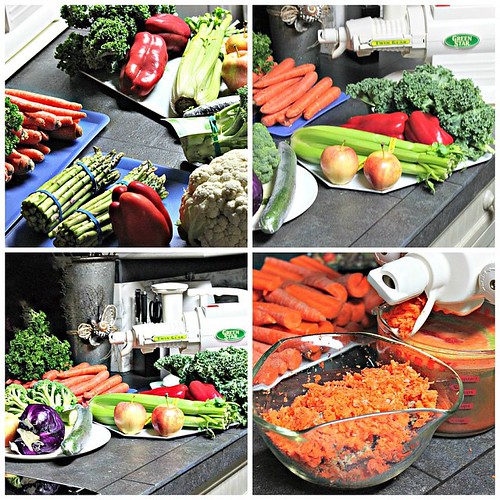
[IMAGE: organic vegetables]
Why Gut Health Shapes So Much of Your Daily Wellbeing
The digestive tract is often called the body’s second brain, and for good reason. It is home to trillions of bacteria, fungi, and other microorganisms that influence everything from nutrient absorption to inflammation. When this system is balanced, you may notice fewer cravings, better regularity, improved energy, and a more stable appetite. When it is off balance, the signals can be hard to ignore: bloating, sluggishness, irregular digestion, skin issues, and a sense that no amount of healthy eating seems to truly help.
Have you ever noticed how certain meals leave you energized while others make you feel heavy and foggy? That is the difference digestive comfort can make. In a clean eating lifestyle, gut-friendly organic food is not just an accessory to healthy living. It is the foundation.
The Gut-Weight Connection
People often think weight loss is only about calories, but digestion, hormones, and the microbiome all play major roles. A well-supported gut can help regulate hunger and satiety, improve how well you absorb nutrients, and reduce the inflammation that may contribute to stubborn fat storage. When your meals are built around whole organic foods rather than heavily processed products, the body often responds with better appetite control and fewer energy crashes.
That does not mean every digestive issue disappears overnight. It does mean that a sustainable weight loss approach should start with foods that support the system instead of stressing it. If your body is constantly reacting to ultra-processed ingredients, excess sugar, or low-fiber meals, it is far harder to feel satisfied and metabolically balanced.
Common Signs Your Gut May Need More Support
Digestive discomfort shows up in many ways, and not all of them seem connected at first glance. You might need more gut-supportive nutrition if you often experience:
- Bloating after meals
- Constipation or loose stools
- Frequent cravings for sugar or refined carbs
- Low energy after eating
- Skin flare-ups
- Brain fog or difficulty concentrating
- Feeling unusually full or uncomfortably hungry
If several of these sound familiar, your next step does not have to be extreme. You may simply need a more balanced organic diet, better meal timing, and a few targeted foods that make digestion easier.
The Best Organic Foods for Gut Health
Not every healthy food works the same way in the body. Some foods feed beneficial bacteria, others improve regularity, and some help calm irritation or support the gut lining. The smartest clean eating plan combines all of them in a practical way.
Fermented Foods That Bring Friendly Bacteria to the Table
Fermented foods are some of the most celebrated ingredients in a gut-friendly healthy lifestyle. They contain naturally occurring probiotics that can help diversify the microbiome and support digestive balance. Organic versions are especially appealing for people who want to reduce exposure to unnecessary additives while keeping their nutrition simple and whole.
Top organic fermented foods to try
- Plain organic yogurt with live cultures
- Kefir made from organic milk or coconut milk
- Sauerkraut without added sugar or preservatives
- Kimchi made with clean ingredients
- Miso added to soups and dressings
- Tempeh as a plant-based protein source
Start with small portions if you are new to fermented foods. The goal is not to overwhelm your digestive system. It is to gradually build tolerance and consistency. A spoonful of sauerkraut beside lunch may seem minor, but over time those small habits matter.
Prebiotic Foods That Feed Beneficial Bacteria
If probiotics are the good bacteria, prebiotics are the fuel they need to thrive. These fibers pass through the upper digestive tract and help beneficial microbes flourish. Without enough prebiotic intake, even a probiotic-rich routine may fall short.
Best prebiotic-rich organic foods
- Garlic
- Onions
- Leeks
- Asparagus
- Bananas, especially slightly green ones
- Apples with the skin on
- Oats
- Flaxseeds
- Chia seeds
These foods are easy to add to everyday meals. Think roasted vegetables with garlic and onions, overnight oats topped with seeds, or a crisp apple with nut butter. When organic food is used this way, healthy eating becomes less about restriction and more about nourishment.
Fiber-Rich Fruits and Vegetables That Keep Things Moving
Fiber is one of the most underrated tools in nutrition. It supports regularity, helps stabilize blood sugar, and contributes to the feeling of fullness that can make weight loss more manageable. A high-fiber clean eating pattern also supports microbial diversity, which is one reason plant variety matters so much.
Great organic fiber sources include:
- Leafy greens such as spinach, kale, and arugula
- Cruciferous vegetables like broccoli, cauliflower, and Brussels sprouts
- Root vegetables such as carrots, beets, and sweet potatoes
- Berries, especially raspberries and blackberries
- Pears and apples
- Legumes such as lentils, chickpeas, and black beans
The trick is to build fiber gradually if your intake has been low. Too much too fast can cause gas or bloating. Increase fluids at the same time, and let your digestive system adapt.
[IMAGE: healthy meal]
Healthy Fats and Proteins That Support Comfort and Satiety
Many people focus on fiber alone, but gut health also benefits from balanced meals that include protein and healthy fats. These nutrients slow digestion in a good way, reduce sharp hunger swings, and help keep blood sugar stable. That stability matters if you are trying to manage cravings or follow a detox diet without feeling depleted.
Gut-friendly proteins and fats
- Organic eggs
- Wild-caught fish such as salmon or sardines
- Organic tofu or tempeh
- Greek yogurt
- Avocados
- Extra virgin olive oil
- Walnuts and almonds
- Chia and hemp seeds
When meals contain enough protein and fat, your body is less likely to seek quick energy from sugar. That can make clean eating feel more natural and sustainable, especially during busy weeks when convenience can easily win over intention.
How to Build a Clean Eating Plate That Supports Digestion
Healthy eating is easier when you have a simple structure. Instead of asking yourself what to remove, ask what should be on the plate to help your body function better. A well-designed organic meal should be colorful, satisfying, and easy to digest.
A Simple Formula for Each Meal
Try using this visual guide:
- Half the plate: non-starchy vegetables
- One quarter: quality protein
- One quarter: smart carbohydrates such as quinoa, brown rice, or sweet potato
- One to two tablespoons: healthy fat
- Optional addition: a fermented food for probiotic support
This approach keeps your nutrition balanced while reducing the guesswork. It also works well for weight loss because it naturally improves satiety without making meals feel tiny or unsatisfying.
Meal Timing Matters More Than Many People Realize
Your gut enjoys rhythm. Skipping meals repeatedly, eating late at night, or grazing nonstop can make digestion less efficient for some people. While there is no single perfect schedule, many people feel better when they eat at regular intervals and give the digestive system a chance to rest between meals.
Ask yourself: are you eating because you are hungry, or because you are distracted, stressed, or bored? That question alone can transform a clean eating plan into a more mindful way of living.
Smart Swaps That Improve Nutrition Immediately
Small substitutions can create a big shift in how your body feels. Try replacing:
- Sweetened yogurt with plain organic yogurt and fresh berries
- Refined cereal with organic oats and chia seeds
- White bread with sprouted or whole grain options
- Sugary snacks with apples, nuts, or hummus and vegetables
- Heavy creamy sauces with olive oil, lemon, herbs, and yogurt-based dressings
These changes do not require a perfect kitchen or a dramatic lifestyle overhaul. They simply make everyday food work harder for your health.
Foods That Can Disrupt Gut Balance and Slow Progress
Gut health is not only about what you add. It is also about what you reduce. Some foods are not harmful in every context, but when they appear too often, they can undermine digestion, increase inflammation, and make weight loss more difficult.
Common Offenders in an Overloaded Diet
- Ultra-processed snack foods
- Refined sugar and desserts eaten daily
- Artificial sweeteners that upset sensitive stomachs
- Fried foods with poor-quality oils
- Heavy alcohol intake
- Highly refined white flour products
- Excessive amounts of packaged convenience meals
Do you need to eliminate every one of these forever? Not necessarily. But a healthy lifestyle becomes much easier when these foods are occasional rather than routine. The digestive system thrives on consistency, and consistent exposure to low-quality food makes it harder to feel your best.
Why Overly Restrictive Detox Diets Often Backfire
Many people hear the word detox and imagine juices, severe calorie cuts, and rigid rules. In reality, your body already has natural detoxification systems in the liver, kidneys, lungs, and skin. The more useful strategy is to support those systems with hydration, fiber, sleep, and nutrient-dense organic food.
A smart detox diet does not need to be extreme. In fact, the most effective approach is often the least dramatic one: more vegetables, fewer processed foods, better hydration, and regular meals that keep the digestive system calm.
Organic Eating and Natural Weight Loss: Why the Two Often Go Together
Many people choose organic food for purity or taste, but a clean eating approach can also help with weight management. Not because organic food is magical, but because it often encourages better habits. It tends to be less processed, more nutrient-rich, and more satisfying when meals are built around whole ingredients.
How Better Digestion Supports Fat Loss
When digestion works well, the body is more likely to:
- Absorb nutrients efficiently
- Signal fullness at the right time
- Reduce unnecessary cravings
- Maintain steadier energy
- Lower the urge to binge after a blood sugar crash
That does not mean every person will lose weight simply by switching to organic food. It means the right food pattern can remove many of the friction points that make weight loss feel difficult. If your meals are satisfying, your digestion is comfortable, and your energy stays steady, consistency becomes much easier.
The Psychology of Clean Eating
There is another reason organic eating supports weight loss: it changes the way you think about food. When you are preparing a vibrant salad, a warm grain bowl, or a home-cooked soup, you are more engaged with the process. That awareness often leads to more mindful portions and fewer mindless snacks.
Have you ever eaten directly from a package and barely remembered the experience? Compare that with sitting down to a colorful meal at a table. The second experience usually leaves you more satisfied. That is the quiet power of intentional eating.
A Practical Day of Gut-Friendly Organic Meals
To make this approach feel real, here is a simple example of how organic food can support digestion throughout the day. You do not need to follow this exactly, but it can help you picture what a clean eating routine looks like in practice.
Breakfast
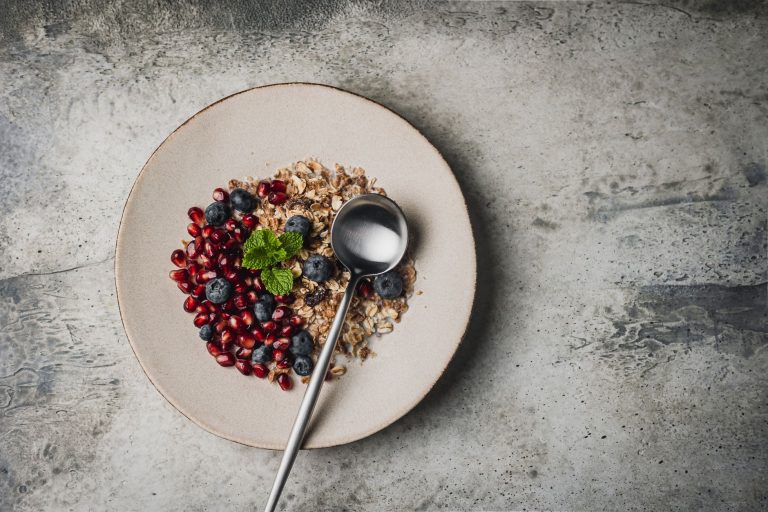
Organic Greek yogurt topped with blueberries, chia seeds, and a spoonful of flaxseed. Add a side of green tea or warm water with lemon if it helps you feel settled.
This breakfast blends protein, fiber, and healthy fats to support satiety and gut balance from the start.
Lunch
A bowl with organic quinoa, roasted vegetables, leafy greens, avocado, and grilled salmon or tempeh. Add a small serving of sauerkraut or kimchi on the side for fermented support.
[IMAGE: fitness lifestyle]
Snack
An apple with almond butter, or carrot sticks with hummus. If you need something more filling, try plain kefir with cinnamon.
Dinner
Organic vegetable soup with lentils, garlic, onions, celery, and herbs, served with a side of roasted sweet potato. Finish with a small portion of berries if you want something sweet without overloading your system.
Evening Habit
Pause after dinner and take a short walk. A gentle stroll after eating can help digestion, reduce bloating, and support blood sugar balance. It is a small habit, but it can make a noticeable difference.
Build a Grocery List That Makes Healthy Eating Easier
One of the most effective ways to stay consistent is to make the healthy choice the easy choice. A well-stocked kitchen reduces decision fatigue and helps you avoid last-minute processed food purchases.
Core Organic Foods to Keep on Hand
- Leafy greens
- Broccoli and cauliflower
- Carrots and cucumbers
- Apples, berries, and bananas
- Organic oats and quinoa
- Lentils and chickpeas
- Plain yogurt or kefir
- Sauerkraut or kimchi
- Eggs, fish, tofu, or tempeh
- Olive oil, avocado, nuts, and seeds
- Garlic, ginger, turmeric, and fresh herbs
If your pantry already supports your goals, you are far more likely to follow through on them. Healthy lifestyle success often comes down to what is available when you are tired, hungry, and short on time.
Kitchen Staples That Save Time
Some ingredients are especially useful for quick digestion-friendly meals:
- Frozen organic vegetables
- Pre-washed greens
- Canned beans with simple ingredients
- Pre-cooked grains
- Plain yogurt cups
- Nut butter without added sugar
These items let you make balanced meals in minutes rather than resorting to takeaway or packaged snacks.
Daily Habits That Support the Microbiome Beyond Food
Nutrition is central, but gut health also depends on the way you live. Sleep, stress, movement, and hydration all influence digestion and the composition of gut bacteria.
Hydration Helps More Than You Think
Water supports the movement of food through the digestive tract and helps fiber do its job. If you increase your fiber intake without enough water, you may feel worse instead of better. Try to sip consistently throughout the day rather than waiting until you are extremely thirsty.
Warm water, herbal tea, and water infused with cucumber or mint can all make hydration feel more appealing. This is one of the simplest nutrition habits you can build, and it often pays off quickly.
Sleep and Stress Have a Direct Impact
Stress can slow digestion, alter appetite, and increase the tendency to reach for comfort foods. Poor sleep can do the same. If your body is in a constant state of tension, even the best organic diet will have a harder time working its magic.
Support your nervous system with small rituals:
- Eat meals without rushing
- Take a few slow breaths before eating
- Keep a consistent sleep schedule
- Reduce screens before bed
- Spend time outdoors when possible
These habits may seem unrelated to clean eating, but they can influence whether your digestive system feels settled or strained.
Movement Encourages Smooth Digestion
You do not need an extreme workout plan to help your gut. Even a brisk walk, stretching session, or light strength workout can stimulate digestion and improve circulation. Regular movement also supports weight loss by helping with insulin sensitivity, energy balance, and stress relief.
Exercise does not have to be punishing to be effective. Sometimes the best thing you can do after a meal is simply move your body gently and consistently.
Simple Recipes That Fit a Gut-Friendly Organic Lifestyle
To keep this approach practical, it helps to have a few easy recipes in rotation. These meals are designed to be nourishing, straightforward, and compatible with both clean eating and digestive comfort.
Breakfast Idea: Berry Chia Bowl
Combine organic chia seeds with unsweetened almond milk or kefir, then top with berries, cinnamon, and a spoonful of ground flaxseed. Let it sit overnight for a thick, satisfying texture.
Lunch Idea: Roasted Vegetable Grain Bowl
Use quinoa or brown rice as a base, then add roasted carrots, broccoli, zucchini, leafy greens, avocado, and a simple olive oil and lemon dressing. Add grilled chicken, tofu, or tempeh for protein.
Dinner Idea: Ginger Lentil Soup
Simmer lentils with garlic, onions, celery, carrots, ginger, turmeric, and vegetable broth. Finish with chopped herbs and a side of steamed greens.
Snack Idea: Crunchy Veggie Plate
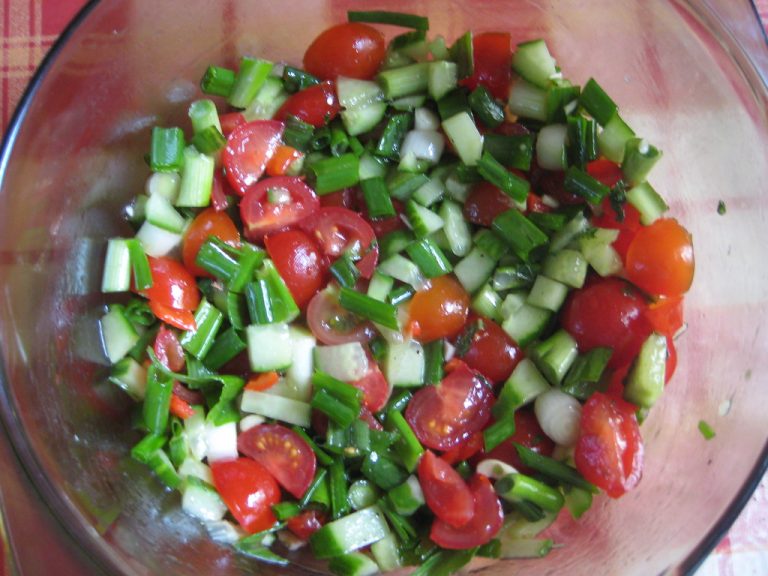
Serve cucumber, celery, and bell pepper strips with hummus and a small handful of walnuts. This combination is light, satisfying, and easy to digest for many people.
The more often you repeat these kinds of meals, the easier healthy eating becomes. You do not need endless variety to make progress. You need enough variety to keep nutrients broad and enough simplicity to stay consistent.
Common Mistakes People Make When Trying to Eat for Gut Health
It is easy to overcomplicate this process. People often start with motivation but lose momentum because they are following rules that are too strict or too vague. Avoiding these common mistakes can save you time, energy, and frustration.
1. Switching Too Fast
Going from a low-fiber, highly processed diet to a very high-fiber plan overnight can leave you bloated and discouraged. Build gradually.
2. Relying Only on Supplements
Supplements can be useful in some cases, but they should not replace real food. Organic food, especially when it includes fiber and fermented ingredients, should remain the foundation.
3. Ignoring Stress
Stress can undo a lot of digestive progress. If your meals are healthy but your lifestyle is chaotic, results may be limited.
4. Eating Too Little
Some people try to speed up weight loss by cutting calories too aggressively. That can slow metabolism, increase cravings, and make digestion less comfortable. Balanced meals are more sustainable.
5. Expecting Immediate Perfection
Your gut did not develop its current habits in one day, and it will not change in one day either. The best plan is the one you can repeat.
What a Long-Term Healthy Lifestyle Looks Like
Real wellness is not a temporary detox diet or a strict reset. It is a repeatable system of habits that support your energy, digestion, and relationship with food. Organic eating can fit beautifully into that system because it encourages you to choose foods that are fresher, simpler, and more aligned with how the body naturally functions.
Imagine what changes if your default meals are already built around vegetables, fiber, fermented foods, quality proteins, and satisfying fats. Imagine if your snacks support your digestion instead of sabotaging it. Imagine how different your energy could feel if you stopped swinging between restriction and overeating. That is the promise of a better nutrition pattern, and it starts one meal at a time.
Your Next Step Toward Better Digestion
If you want to begin today, do not try to overhaul everything at once. Pick one breakfast, one lunch, and one snack that fit this gut-friendly organic food approach, then build from there. Add more color to your plate, include one fermented food each day, and keep water close by. Those small steps can quickly change how your body feels, how steady your energy becomes, and how naturally clean eating fits into your routine.
And if you are ready to keep going, read more expert articles on DietOrganic for practical ideas on organic food, healthy lifestyle habits, nutrition, detox diet strategies, and weight loss support that feels realistic, nourishing, and sustainable.
About the Author