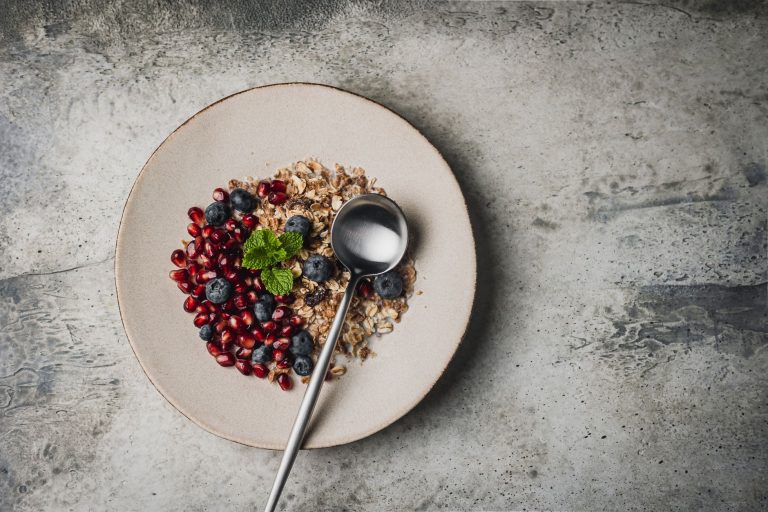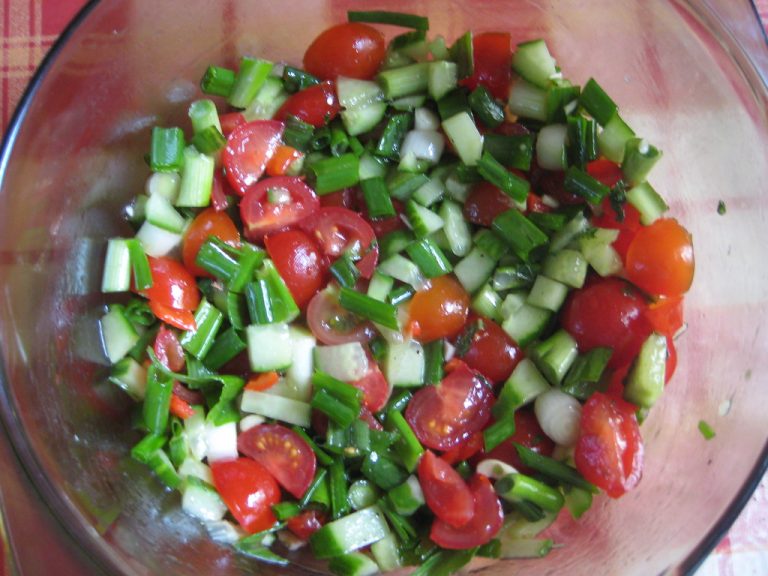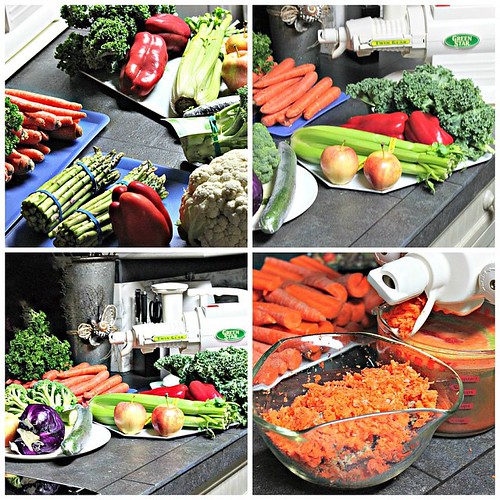


Photo by Pezibear on Pixabay
If you have ever felt bloated after meals, sluggish in the afternoon, or frustrated by slow progress with weight loss, the answer may not be another restrictive plan. It may be your gut. A healthy digestive system influences how well you absorb nutrients, how satisfied you feel after eating, and even how steadily your energy holds throughout the day. That is why organic food, clean eating, and a balanced healthy lifestyle are often discussed together: when your meals are built from nutrient-dense, minimally processed ingredients, your body has a better chance to function the way it was designed to.
In this article, we will explore how organic food can support gut health, why that matters for digestion and weight management, and how to create a realistic clean eating routine that feels nourishing instead of extreme. You do not need a perfect detox diet or a shelf full of supplements to start feeling better. You need a smarter approach to nutrition, one that respects your gut microbiome, supports steady appetite control, and makes everyday eating more satisfying. What would happen if your meals worked with your body rather than against it?
Why Gut Health Shapes Weight Loss and Energy
Your gut is more than a place where food is broken down. It is an active ecosystem filled with bacteria, enzymes, and signals that communicate with the rest of the body. When this system is balanced, digestion tends to feel easier, nutrient absorption improves, and cravings often become more manageable. When it is disrupted, people may notice bloating, irregular bowel movements, sugar cravings, skin changes, or a stubborn feeling of fatigue that no amount of coffee seems to fix.
From a weight loss perspective, gut health matters because the microbiome may influence how efficiently you use energy, how full you feel after meals, and how your body responds to inflammation. A diet built on organic food and clean eating principles can help reduce unnecessary exposure to heavily processed ingredients while increasing the fiber and phytonutrients your gut bacteria need. That is not a magic trick, but it is a meaningful foundation. If your meals are consistently supporting digestion, you are more likely to stay on track long enough for real results to appear.
The microbiome effect
The gut microbiome thrives on variety. Different beneficial bacteria prefer different fibers and plant compounds, which means the more diverse your organic foods are, the more you help create a resilient digestive environment. Organic vegetables, berries, legumes, seeds, and herbs can all contribute to that diversity. They deliver fibers and compounds that feed good bacteria while keeping meals aligned with clean eating values.
This is one reason so many people notice that their energy improves when they switch from a processed, high-sugar routine to a more intentional healthy diet. A stable microbiome may support steadier blood sugar, less dramatic hunger swings, and improved comfort after meals. Rather than obsessing over every calorie, focus on the quality of the food you eat. Are your meals feeding your body, or are they merely filling space for a few hours?
Why bloating is not just discomfort
Bloating is often dismissed as a minor inconvenience, but for many people it is the first sign that the digestive system is under stress. Excess sodium, low fiber intake, overeating, food intolerances, and highly processed meals can all contribute. In some cases, even health-conscious eaters unknowingly trigger bloating because they have increased fiber too quickly or rely too heavily on so-called detox diet products that do not suit their body.
A better approach is to support digestion gradually. Organic food gives you a clean starting point, but the real result comes from how you combine ingredients, how quickly you eat, and how consistently you nourish yourself. If your stomach feels calm, your body can focus more easily on recovery, movement, and weight management. That is a quiet advantage that many flashy diet trends overlook.
Which Organic Foods Support the Gut Best
Not every healthy food affects digestion in the same way. Some are especially valuable because they offer fiber, hydration, polyphenols, and naturally occurring compounds that nourish beneficial bacteria. Choosing organic versions can be worthwhile when you want to minimize pesticide exposure and build meals around higher-quality ingredients. The goal is not perfection; it is better food, eaten consistently.
Leafy greens and cruciferous vegetables
Spinach, kale, arugula, Swiss chard, broccoli, cauliflower, and Brussels sprouts are some of the most practical choices for gut-friendly clean eating. They are rich in fiber and plant compounds that support detox pathways in a food-based way. That does not mean they erase every problem overnight, but they do contribute to a more supportive internal environment. Their bulk also helps many people feel full sooner, which can be useful for weight loss without feeling deprived.
Try to include at least one or two of these vegetables daily. Light steaming, sautéing in olive oil, or adding them raw to salads can all work well depending on your digestion. If raw greens feel too intense, cook them first and pair them with an easy protein source. Small adjustments often make a larger difference than dramatic overhauls.
Organic berries and lower-sugar fruits
Berries are some of the best organic foods for gut health because they are naturally rich in fiber and antioxidant compounds while remaining relatively low in sugar. Blueberries, raspberries, blackberries, and strawberries can help satisfy a sweet craving without causing the same sharp blood sugar spike as many desserts. Apples, kiwi, and pears are also excellent choices for a healthy diet focused on digestion.
One of the benefits of berries is that they are easy to use. Add them to breakfast bowls, blend them into smoothies, or eat them with yogurt and seeds. This makes them a practical option for people who want clean eating habits that do not require gourmet effort. When fruit is part of a balanced meal, it becomes support rather than a source of stress.
Fermented foods that support microbial diversity
Fermented foods are often highlighted in conversations about gut health because they can introduce beneficial bacteria while also making certain nutrients easier to digest. Organic yogurt, kefir, sauerkraut, kimchi, miso, and some naturally fermented pickles are worth considering if your body tolerates them well. They are not mandatory, but they can be a smart addition to an organic food routine.
Start slowly. A small serving is often enough to test tolerance, especially if you have a sensitive stomach. The point is not to overwhelm the digestive system but to support it. Pair fermented foods with fiber-rich vegetables and protein to create a meal that feels balanced rather than gimmicky. Have you noticed how often the most effective health habits are also the simplest?
Prebiotic-rich vegetables, legumes, and seeds
Prebiotics are the fibers and plant compounds that feed the good bacteria already living in your gut. Garlic, onions, leeks, asparagus, artichokes, chia seeds, flaxseed, lentils, chickpeas, and oats are all excellent sources. These foods make a big impact because they help beneficial bacteria thrive, which can support regular digestion and better satiety.
If you are aiming for weight loss, this is especially important. Meals that contain enough fiber and protein tend to keep you full longer, reducing the urge to snack constantly. A healthy lifestyle does not require constant hunger. It requires meals that work efficiently, nourish deeply, and keep your body calm enough to function well.
[IMAGE: organic vegetables]
How Clean Eating Builds a Better Microbiome
Clean eating is not about fear. It is about clarity. When your meals are built around recognizable ingredients, it becomes easier to identify what helps you feel energized and what leaves you tired or uncomfortable. Organic food fits naturally into this approach because it often comes with fewer additives, less packaging, and a stronger focus on whole ingredients. The result is a nutrition pattern that is easier for the gut to process and for the mind to sustain.
One of the most powerful effects of clean eating is consistency. A digestive system that receives regular, balanced meals tends to respond more predictably than one bouncing between fasting, overeating, and processed snacks. The more stable your eating pattern becomes, the easier it is to notice whether a food actually supports you. This kind of awareness is more useful than any short-lived cleanse.
What to prioritize on a clean eating plate
A gut-friendly clean eating plate does not need to be complicated. Think in terms of balance and texture rather than strict rules. Each meal should ideally include fiber, protein, healthy fats, and some natural color. This combination helps blood sugar stay steadier and gives your digestive system a more manageable workload.
- Half the plate with vegetables, especially organic greens, crucifers, or colorful seasonal produce
- One quarter of the plate with protein such as eggs, fish, chicken, tofu, tempeh, or legumes
- One quarter with smart carbohydrates like sweet potato, quinoa, brown rice, or oats
- A small portion of healthy fats from avocado, olive oil, seeds, nuts, or tahini
- A simple beverage like water, herbal tea, or mineral-rich broth
This structure supports digestion while helping you feel satisfied. It also makes weight loss more realistic because you are less likely to chase snacks between meals. Clean eating works best when it feels abundant, not sparse.
The role of simple ingredients
One of the overlooked advantages of organic food is ingredient simplicity. When you buy a bunch of carrots, a bag of greens, fresh herbs, or plain yogurt, you know exactly what you are eating. That level of transparency matters for a gut that may already be sensitive to artificial flavors, sweeteners, or emulsifiers often found in packaged foods. Simpler food often means simpler digestion.
It also creates flexibility. A few high-quality ingredients can become many different meals. Roasted vegetables can become a salad, a grain bowl, or a soup. Greek yogurt can become breakfast, a snack, or a sauce base. This is how clean eating turns from an idea into a sustainable healthy lifestyle.
Where a Detox Diet Fits into Gut-Friendly Eating
The phrase detox diet can mean many things, and not all of them are helpful. Some people imagine juice fasts or extreme restrictions, but those approaches often leave them tired, hungry, and disappointed. A smarter interpretation of detox diet principles is simply this: support your body’s natural detoxification systems with real food, hydration, and rest. Your liver, kidneys, skin, and digestive tract already do the heavy lifting. Your job is to give them a better environment to work in.
Organic food can support this process because it often reduces the number of unnecessary additives in your daily intake while increasing exposure to natural antioxidants and fiber. Fiber is especially important because it helps your body eliminate waste efficiently. If you want to feel lighter, clearer, and more comfortable, focus on consistent nourishment rather than deprivation. That is detox support your body can actually use.
Better detox support through food, not extremes
Instead of chasing a dramatic cleanse, think about what you can add. More water. More leafy greens. More herbs like parsley and cilantro. More berries. More cruciferous vegetables. More sleep. More regular meals. These habits help your system work smoothly and reduce the need for extreme measures later on. A detox diet built on whole foods is far more realistic than one built on punishment.
Ask yourself: is this plan helping me feel nourished enough to continue, or is it making me rebound into overeating? A sustainable healthy lifestyle is always built on repeatable actions. The best detox is the one you can maintain without feeling deprived or obsessive.
What to avoid in a food-based reset
If you want digestion to improve, it helps to reduce the foods most likely to irritate or overload the system. That does not require perfect elimination forever, but it does mean being honest about what makes you feel worse. For many people, the biggest culprits are ultra-processed snacks, sugary beverages, excess alcohol, and heavy meals eaten late at night.
- Sugary drinks that spike blood sugar and stimulate cravings
- Highly processed packaged foods with long ingredient lists
- Deep-fried foods that are hard to digest in large amounts
- Alcohol consumed too frequently, especially with low water intake
- Artificial sweeteners that may trigger discomfort in sensitive people
Cutting back on these foods does not need to feel severe. Often the best strategy is replacement. Swap soda for sparkling water with lemon. Replace chips with roasted chickpeas. Choose herbal tea after dinner instead of another snack. Small shifts are easier to keep and more likely to create real weight loss momentum.
Foods That Can Sabotage Digestion and Weight Loss
Even people who care about nutrition can be surprised by how much their food choices affect digestion. A meal may look reasonable on the surface yet still leave you bloated or hungry an hour later. If your goal is better gut health, it helps to know which foods are most likely to interfere with progress. The good news is that most of the problem foods are obvious once you start paying attention.
It is not necessary to avoid every indulgence forever. The point is to understand patterns. If you eat well most of the time, occasional flexibility will not undo your healthy lifestyle. But when certain foods repeatedly leave you uncomfortable, it is worth listening to your body.
Common digestive disruptors
Some ingredients are more likely to create sluggish digestion, especially when consumed frequently. They may not affect everyone in exactly the same way, but they are worth monitoring if you want better results from your organic food and clean eating routine.
- Refined flour products with very little fiber
- Excess added sugar in desserts, cereals, and drinks
- Processed meats and heavily salted packaged foods
- Large portions of greasy food late in the evening
- Frequent grazing that gives the gut no real rest between meals
One key principle is rhythm. Digestion works better when the body can anticipate meals, process them fully, and then rest. If you snack all day, your gut may never get a break. That can make bloating and fatigue more noticeable, even if the food quality is somewhat decent.
The hidden issue with supposed health foods
It is easy to assume that anything labeled healthy is automatically helpful. But many bars, smoothies, granolas, and packaged plant-based products contain a surprising amount of sugar or refined oils. Even some products marketed as organic food can still be highly processed. That is why label reading matters so much.
A cleaner approach is to choose foods that are close to their natural form. A baked sweet potato is usually more gut-friendly than a sweet potato chip. Plain yogurt with berries is usually better than a flavored yogurt loaded with sugar. The closer the food is to its original state, the easier it usually is on digestion and the more stable it tends to be for weight management.
[IMAGE: healthy meal]
A Day of Organic Eating for Better Digestion
Sometimes the easiest way to understand clean eating is to see how it looks in real life. A full day of gut-friendly meals should feel satisfying, not restrictive. The aim is to balance fiber, protein, fat, and hydration while keeping flavors fresh and appealing. When you plan this way, you are less likely to feel the urge to binge later, which can be a major support for weight loss.
Breakfast: steady energy without the crash
Start with a meal that includes protein and fiber. For example, organic Greek yogurt topped with blueberries, chia seeds, and a spoonful of walnuts offers a mix of texture and nourishment. If you prefer savory breakfast, try eggs with sautéed spinach, tomatoes, and avocado on the side. Both options help stabilize blood sugar and reduce the likelihood of mid-morning cravings.
Hydration matters here too. A glass of water or herbal tea can gently support digestion after waking. If coffee is part of your routine, keep it moderate and consider eating before or alongside it. An empty stomach does not always appreciate a strong caffeine hit.
Lunch: colorful and balanced
A lunchtime bowl can be a powerful tool for gut health. Build it with mixed greens, roasted broccoli, quinoa or brown rice, chickpeas or grilled chicken, cucumber, pumpkin seeds, and olive oil with lemon. This kind of meal is satisfying, rich in nutrients, and easy to customize. It also delivers the variety that your microbiome loves.
If you work long hours, lunch is often where healthy habits begin to slip. Preparing a simple organic meal in advance helps you avoid convenience food that may leave you sluggish. A few minutes of planning can save hours of digestive discomfort later.
Snack: keep it simple and purposeful
Snacking is not a problem when it is intentional. Choose foods that support your body rather than distracting it. An apple with almond butter, carrots with hummus, or kefir with cinnamon can all fit into a clean eating routine. These snacks offer enough texture and nutrition to prevent the blood sugar dips that often trigger overeating.
If you are not truly hungry, try water or tea first. Many people mistake thirst or stress for hunger. Learning that distinction is a quiet superpower in any healthy lifestyle plan.
Dinner: soothing, not heavy
At night, the goal is to nourish without overloading the digestive system. A meal of baked salmon or tempeh, roasted carrots, steamed greens, and a small serving of sweet potato can feel comforting while still supporting weight loss. If you prefer plant-based meals, lentil soup with herbs and a side salad works beautifully as well.
Try to eat at a pace that allows you to notice fullness. Chewing thoroughly is one of the simplest ways to support gut health, yet it is often overlooked. When dinner is calm and balanced, sleep may improve too, which in turn supports metabolism and recovery.
Organic Foods That Help You Feel Fuller Longer
One of the main reasons people struggle with weight loss is not a lack of willpower, but a lack of satiety. If your food does not keep you full, you will keep looking for something else. Organic food can help because it often comes with more fiber and fewer highly processed fillers, but it is the specific food choices that make fullness last.
Meals that create long-lasting satisfaction usually combine protein, fiber, and healthy fats. This is where clean eating becomes especially practical. It is not about eating less all the time. It is about eating better so that less constant grazing is needed.
Top full-feeling options to include
- Eggs with vegetables and avocado
- Plain yogurt or kefir with berries and seeds
- Lentils, beans, and chickpeas in soups or bowls
- Oats with chia seeds and nut butter
- Salmon, sardines, tofu, or tempeh with roasted vegetables
- Apples, pears, and other high-fiber fruits with protein
These foods work because they slow digestion in a good way. They help you feel fed for longer, which reduces the temptation to snack on quick, low-satiety foods. If your current meals leave you thinking about food constantly, it may be time to shift toward more complete nutrition instead of just fewer calories.
Why protein matters so much
Protein is critical for satiety, muscle support, and stable energy. Without enough of it, even a diet full of vegetables may leave you unfulfilled. This is especially important if you are active or trying to lose weight. A healthy lifestyle needs protein at regular intervals because your body uses it to repair tissues and preserve lean mass.
Organic eggs, yogurt, fish, poultry, tofu, tempeh, and legumes can all play a role. Pair protein with fiber-rich foods and healthy fats, and your meals will usually feel more complete. That simple shift can dramatically improve adherence over time.
Small upgrades that make meals more satisfying
If you are already eating fairly well, small changes may be enough to help. Add a tablespoon of seeds to breakfast. Include one extra vegetable at lunch. Replace a sugary drink with water or herbal tea. Top dinner with fresh herbs and olive oil. These are minor adjustments, but they matter more than people often realize. Nutrition success is often built through small repeating choices, not dramatic reinventions.
Smart Habits That Make Organic Food Work Better
Buying better ingredients is only one part of the equation. The way you eat, sleep, move, and manage stress also affects digestion. If you want organic food to support a healthy diet, clean eating, and weight loss, the larger lifestyle around it must be aligned. The good news is that many of these habits are refreshingly simple.
Think of your gut as something that responds to rhythm. Regular meals. Adequate water. Movement after eating. Enough sleep. Fewer rushed meals. More awareness. None of this is glamorous, but it is deeply effective.
Hydration, movement, and sleep
Hydration helps move food through the digestive tract and can reduce the hard, heavy feeling that often comes with low water intake. Movement, even a short walk after meals, encourages digestion and may ease bloating. Sleep, meanwhile, affects hunger hormones and recovery. If sleep is poor, cravings often rise and weight loss becomes harder to maintain.
These habits do not need to be extreme. A 10-minute walk after lunch, a bottle of water on your desk, and a realistic bedtime can all shift your experience. Organic food works best when the rest of your life is making room for it.
Stress and the digestive system
Stress can change how your body processes food. When you are anxious, rushed, or mentally overloaded, your gut may feel the impact immediately. That is why mindful eating is so important. Sit down when possible. Breathe before you begin. Taste your food. Pay attention to how full you are. These practices may sound simple, but they can transform the way a meal feels.
Ask yourself: are you feeding yourself in a calm state, or are you eating while distracted and tense? The answer can reveal why some foods feel nourishing one day and uncomfortable the next. Even the best organic meal has a harder time helping you if it is swallowed in a state of constant stress.
Meal prep without monotony
Meal prep is one of the smartest ways to stay consistent with clean eating. You do not need a week of identical containers. Instead, prepare components that can be mixed and matched. Roast a tray of vegetables, cook a pot of quinoa, prepare a protein source, wash leafy greens, and keep a few fast snacks ready. This gives you variety without chaos.
- Wash and store greens for quick salads
- Roast two kinds of vegetables at once
- Cook one grain and one protein source ahead of time
- Keep fruit, nuts, and yogurt available for easy snacks
- Use herbs, lemon, and olive oil to refresh leftovers
Meal prep is not about living in a container-based routine. It is about removing friction so your healthy choices become easier than the less helpful ones.
[IMAGE: fitness lifestyle]
Common Mistakes People Make When They Switch to Organic Food
Many people feel excited when they first commit to organic food, but a few common mistakes can slow progress. The biggest one is assuming that organic automatically means healthy enough in any amount. Organic cookies are still cookies. Organic chips are still chips. Quality matters, but so does context. Clean eating still requires balance.
Another mistake is increasing fiber too fast. If your body is not used to large amounts of vegetables, beans, and seeds, jump-starting a high-fiber plan can cause bloating. The solution is gradual change, not immediate overload. Let your gut adapt over time.
Other mistakes that can get in the way
- Buying organic but still relying on processed convenience meals
- Skipping protein and wondering why hunger keeps coming back
- Confusing a detox diet with extreme restriction
- Eating too quickly and missing fullness signals
- Forgetting that stress and sleep affect digestion too
- Expecting instant weight loss instead of steady progress
The healthiest routines are usually the ones that feel almost boring in the best possible way. They are repeatable, satisfying, and flexible enough to survive a busy week. That is what makes them sustainable.
How to Build a Sustainable Healthy Lifestyle Around Gut-Friendly Eating
Long-term success comes from systems, not motivation alone. If you want organic food to support your gut health and weight loss goals, create a routine that you can actually live with. That means shopping with a plan, keeping a few anchor meals in rotation, and allowing for enough flexibility that one imperfect day does not become an abandoned week.
Start by identifying your most common challenges. Do you skip breakfast and then overeat at night? Do you buy produce but forget to use it? Do you reach for snacks when you are stressed instead of hungry? These patterns matter because the best nutrition plan is one that addresses real life, not just ideal circumstances.
Simple strategies that keep you consistent
Build your week around a few reliable habits. Choose one or two breakfasts you genuinely enjoy. Keep a salad base or soup option ready for lunch. Stock your kitchen with fruit, seeds, and yogurt for easy snacks. Make dinner simple enough that you are not tempted to order takeout every night. And when you do eat out, try to choose meals that still reflect your clean eating values.
It also helps to think in seasons. In warmer months, lighter meals with berries, cucumbers, leafy greens, and citrus may feel especially refreshing. In colder months, soups, roasted root vegetables, and warming herbs may be more satisfying. A healthy lifestyle should evolve with your body, not fight against it.
What progress really looks like
Progress is not only about the number on a scale. It can also mean fewer cravings, more regular digestion, less bloating, better focus, and a calmer relationship with food. Those changes may be subtle at first, but they are often the signs that your body is responding well to a better nutrition pattern. Weight loss tends to be more sustainable when these deeper markers improve first.
That is why the best organic food routines are not based on fear or punishment. They are based on support. Support for your gut, support for your energy, support for your long-term health, and support for the kind of healthy lifestyle you want to live with confidence.
When you choose organic food with purpose, practice clean eating without obsessing, and treat your digestion as a real priority, you create a foundation that can carry you far beyond a temporary plan. Better gut health can influence how you feel, how you move, how you sleep, and how consistently you manage weight loss, which is why small daily choices matter more than dramatic promises. If you are ready to keep building a more energized, balanced life, explore more expert articles on DietOrganic and keep turning good nutrition into a way of living.
About the Author