
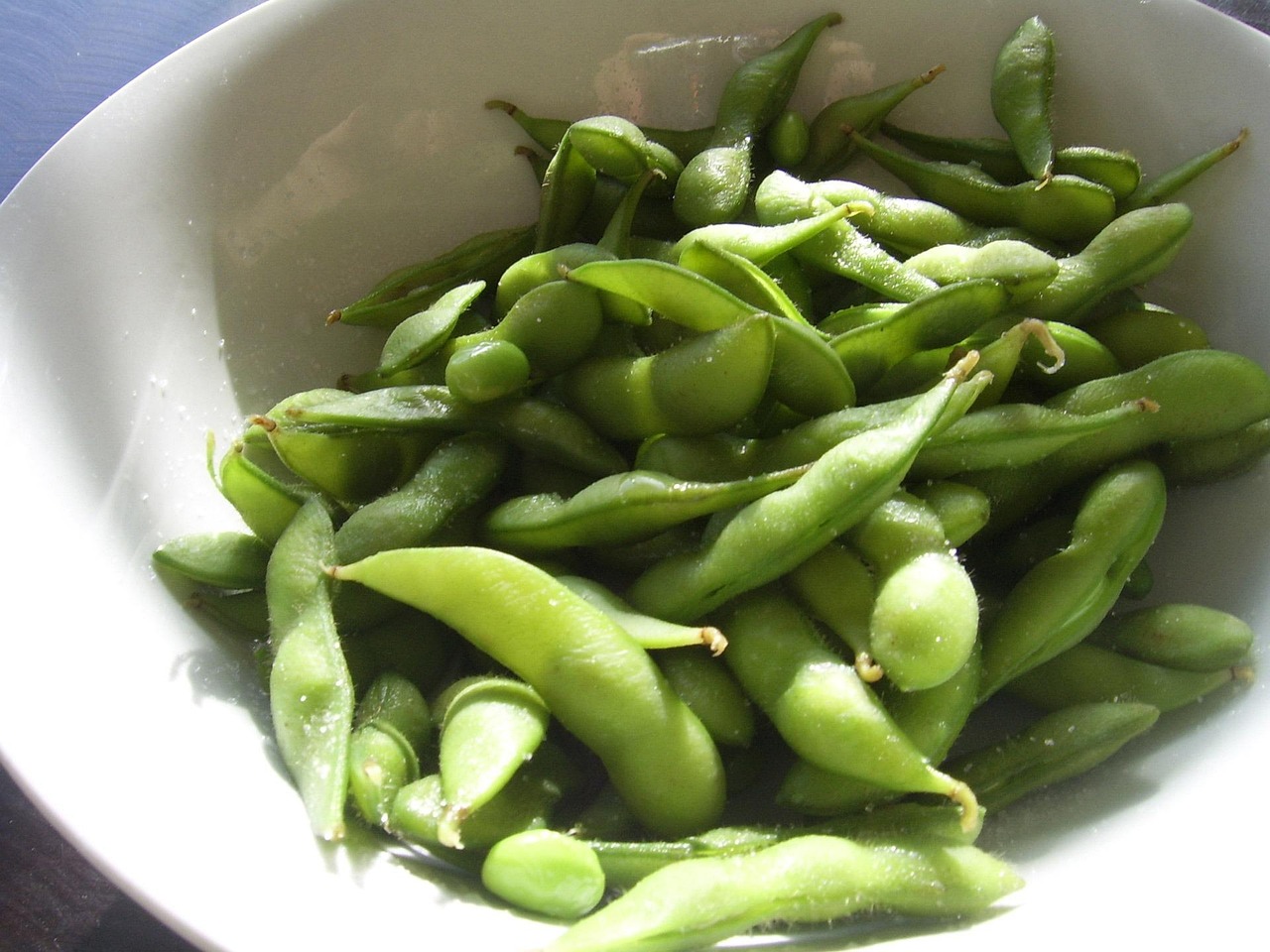
Photo by PublicDomainPictures on Pixabay
If you have ever committed to a healthy diet only to feel bloated, tired, or frustrated a few days later, you are not alone. Many people focus on calories first and forget the system that quietly shapes everything from cravings to energy: the gut. When digestion is balanced, clean eating feels easier, weight loss becomes more sustainable, and nutrition starts to work with your body instead of against it. That is where organic food can make a real difference. Not as a trendy label, but as a practical way to build meals that are simpler, cleaner, and more supportive of a healthy lifestyle. What if the next upgrade to your detox diet was not a drastic cleanse, but a smarter pantry, a better plate, and a few consistent habits?
Why Gut Health Changes the Way You Feel Every Day
Your gut is far more than a place where food is broken down. It is home to trillions of microbes that influence digestion, immunity, appetite, mood, and even how your body stores energy. When your gut is thriving, food tends to feel satisfying instead of stressful. When it is out of balance, even a healthy diet can feel uncomfortable.
This is one reason organic food has become so popular among people who care about clean eating and weight loss. Organic choices often fit naturally into a whole-food pattern with more vegetables, fewer additives, and less dependence on heavily processed ingredients. That combination matters. Why? Because the gut usually responds best to simple, recognizable foods that deliver fiber, hydration, and steady nutrients.
How digestion affects appetite and energy
Have you ever noticed that a heavy lunch can leave you sleepy, while a lighter, fiber-rich meal keeps you focused? That is not an accident. Digestive comfort affects how your body uses energy, how stable your blood sugar feels, and how often you reach for snacks. A gut-friendly plate can support weight loss by improving satiety and reducing the urge to graze all afternoon.
When digestion runs smoothly, you are more likely to:
- Feel satisfied after meals without overeating
- Experience fewer sugar cravings
- Maintain steadier energy throughout the day
- Sleep better, which also supports metabolism
- Stay consistent with healthy habits instead of abandoning them
Signs your gut may need more support
Your body often gives gentle warnings before digestion becomes a bigger issue. Do you feel bloated after most meals? Are you relying on coffee to get through the afternoon? Does healthy eating sometimes leave you feeling worse instead of better?
Common signs that your gut could use more attention include:
- Bloating or abdominal discomfort
- Irregular bowel movements
- Sugar cravings that feel difficult to control
- Frequent fatigue after eating
- Skin breakouts or dull-looking skin
- Brain fog, low mood, or poor concentration
These symptoms do not automatically mean something is wrong, but they are worth paying attention to. Sometimes the solution is not a more aggressive detox diet. Sometimes it is simply better nutrition, more fiber, and a cleaner daily rhythm.
Why Organic Food Fits So Naturally into Clean Eating
Clean eating is not about perfection, fear, or strict rules. It is about choosing foods that are as close to their natural form as possible and building meals that feel nourishing rather than complicated. Organic food supports that approach because it often centers on whole ingredients: vegetables, fruit, legumes, grains, eggs, yogurt, nuts, seeds, and minimally processed staples.
For many people, the appeal of organic food is not only about what it includes, but what it leaves out. Less synthetic pesticide exposure, fewer artificial flavors, and a lower likelihood of hidden additives can make your food choices feel cleaner and more intentional. That sense of simplicity matters when you are trying to create a sustainable healthy lifestyle.
What organic really means in everyday life
In practical terms, organic certification usually means the food was grown or produced under standards that restrict many synthetic pesticides, fertilizers, antibiotics, and genetically modified ingredients. You do not need to memorize regulations to benefit from the concept. You simply need to understand the pattern: organic food often supports a more mindful, less processed way of eating.
And that is where the real value shows up. People rarely stick with a healthy diet because of one perfect ingredient. They stick with it because their meals are easy to understand, easy to prepare, and satisfying enough to repeat.
Does organic food guarantee better nutrition?
Not automatically. A bag of organic cookies is still a cookie. A refined organic snack is still a snack. But when you focus on organic whole foods, you are more likely to build a plate that delivers fiber, vitamins, minerals, and healthy fats in a naturally balanced way. That is the sweet spot for weight loss and long-term nutrition.
The healthiest question is not,
About the Author