
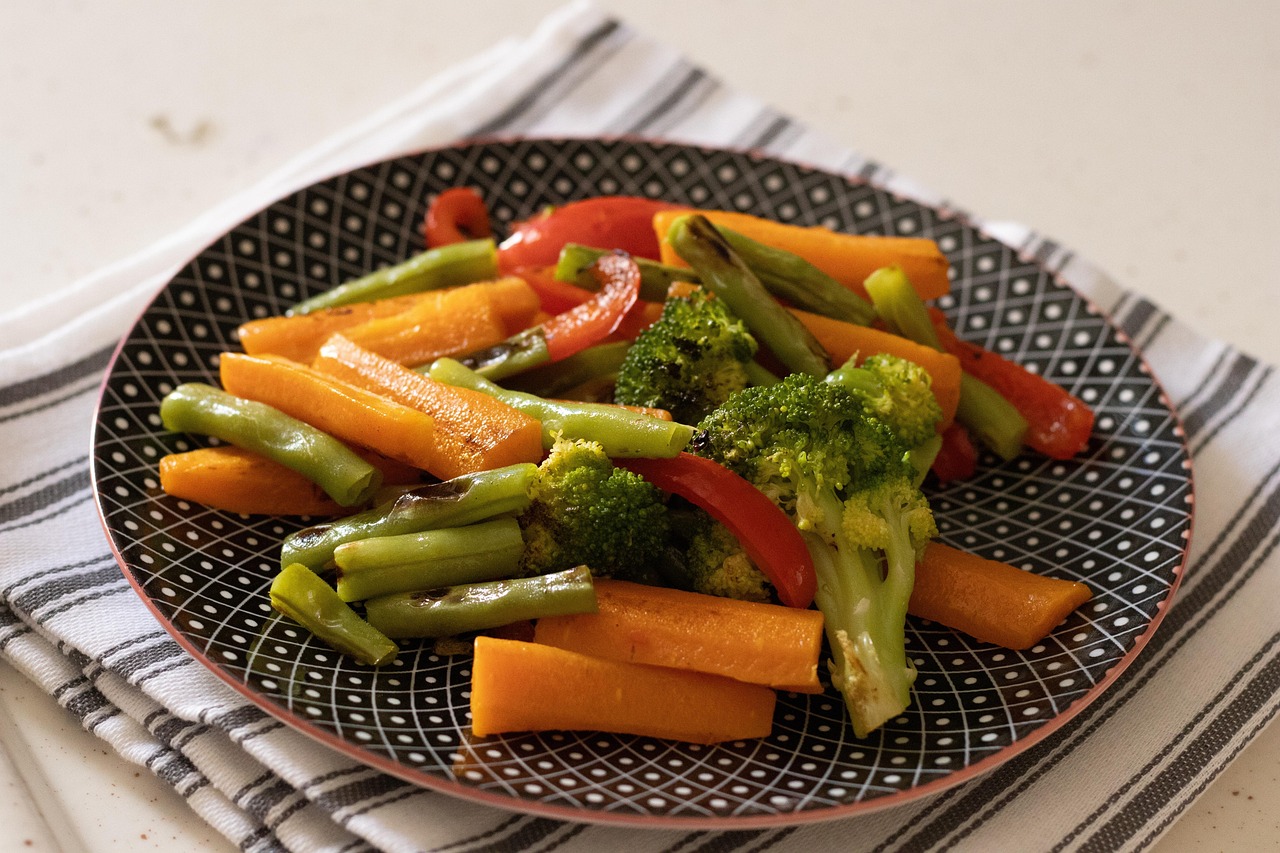
Photo by TheDesignLady87 on Pixabay
When people start looking for a healthier way to lose weight, they often begin with calories, macros, or strict meal plans. But there is another path that feels more natural, more nourishing, and far easier to sustain: building your daily routine around organic food and clean eating. Instead of chasing temporary fixes, you can create a healthy diet that supports energy, digestion, and long-term weight loss without making every meal feel like a punishment.
That is the real appeal of an organic lifestyle. It is not just about choosing food with a cleaner label. It is about choosing ingredients that help you feel satisfied, think clearly, and stay consistent. And if you have ever wondered why some people seem to lose weight without obsessing over every bite, the answer is often rooted in simple habits: real food, balanced meals, and a mindset that values nutrition over restriction.
[IMAGE: organic vegetables]
This article explores how organic food can fit into a weight loss plan, why clean eating works so well for many people, and how to build meals that are both delicious and practical. If you have been searching for a realistic detox diet approach, a healthier way to manage cravings, or a more sustainable path to better body composition, you are in the right place. Ask yourself this: what if weight loss became less about cutting and more about choosing well?
Why Organic Food Can Support Weight Loss
Weight loss happens when your overall eating pattern supports an energy deficit, but the quality of your food plays a major role in how easy or difficult that process feels. Organic food is not magic, and it does not automatically burn fat. However, it can help shape a cleaner, more mindful food environment that supports better nutrition, fewer empty calories, and more stable appetite control.
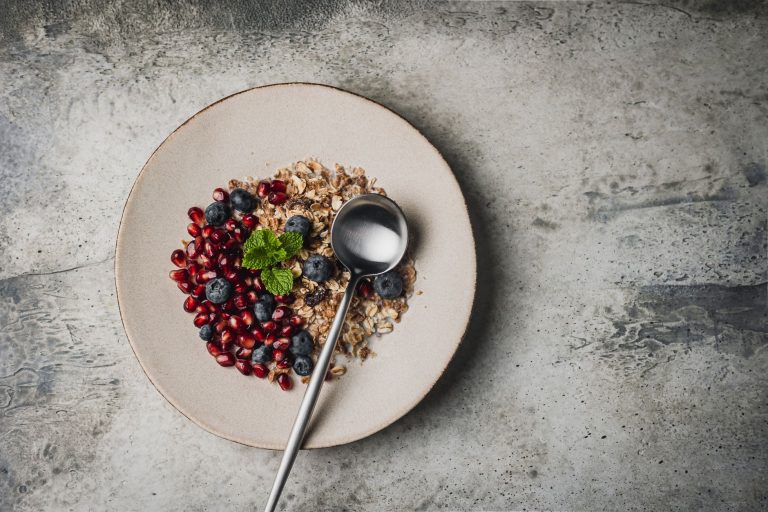
When your meals are built from organic vegetables, fruits, eggs, dairy, grains, legumes, and proteins, you are far more likely to eat foods that are naturally rich in fiber, water, vitamins, minerals, and satiety. That matters because the body often responds better to foods that are less processed and more filling. Do you notice how a bowl of berries and Greek yogurt leaves you feeling different from a packaged pastry? That difference is exactly why clean eating works so well for many people.
Fewer processed ingredients, better appetite control
One of the biggest challenges in modern weight loss is appetite management. Highly processed foods are often designed to be easy to overeat. They can be high in sugar, refined starch, unhealthy fats, and sodium, while offering very little in the way of fiber or volume. Organic food, especially when it is whole and minimally processed, tends to move you back toward a more natural eating rhythm.
Here is what that often looks like in practice:
- You feel satisfied sooner because your meals contain more protein and fiber.
- You snack less often because blood sugar fluctuations are less dramatic.
- You are more aware of hunger and fullness cues.
- You naturally eat fewer ultra-processed extras that add calories without much nutrition.
That is a powerful foundation for weight loss, especially for people who have struggled with constant cravings.
Nutrition density matters more than empty restriction
A healthy lifestyle should never feel like a long list of punishments. Instead, it should feel nourishing. Organic food can make that shift easier because many people associate it with fresh produce, cleaner protein sources, and ingredients that are closer to their natural form. When your diet is built around food that truly feeds you, your body has a better chance to function smoothly.
Think about the role of nutrition in daily life. If your breakfast is balanced, you may have better focus. If your lunch is rich in fiber and protein, your afternoon energy may stay steadier. If your dinner includes colorful vegetables and healthy fats, your body may feel less inflamed and more relaxed by evening. These small improvements add up, and over time, they can help support weight loss without the drama of severe dieting.
What Clean Eating Really Means in an Organic Diet
Clean eating is often misunderstood. Some people think it means eating only a handful of approved foods. Others assume it requires perfection, expensive ingredients, or complicated prep. In reality, clean eating is much simpler. It means choosing whole, minimally processed foods more often and reducing the items that make your body work harder without giving much back in return.
When organic food is part of a clean eating plan, the focus is on quality and balance. The goal is not to be flawless. The goal is to make food decisions that help your body feel better, your meals taste better, and your routines become more stable. That is why this approach is so effective for people who want weight loss that feels compatible with real life.
The core principles of clean eating
Clean eating does not need to be complicated. These principles can help you get started:
- Choose foods in their most natural form whenever possible.
- Build meals around protein, fiber, and healthy fats.
- Reduce refined sugar and highly processed snacks.
- Cook more often at home so you can control ingredients.
- Use organic produce where it matters most to you.
- Drink enough water and support hydration throughout the day.
Notice that none of these rules are extreme. That is one reason people can actually stick with them. A sustainable healthy diet is not about eating perfectly for two weeks. It is about creating habits you can maintain for months and years.
Organic and clean eating are not identical, but they work well together
Clean eating focuses on food quality and processing level. Organic food focuses on how ingredients are grown or produced. Together, they create a powerful system for better health. For example, you might buy organic spinach, organic eggs, and organic berries, then build a simple salad or breakfast bowl around them. You are not just eating cleaner; you are reducing exposure to unnecessary additives and making it easier to stay full with fewer calories.
For many readers, that is the missing link. They do not need another diet with strict rules. They need a practical framework that helps them eat better without feeling deprived. Could that be the difference between quitting after a week and building a healthy lifestyle that lasts?
The Best Organic Foods for Weight Loss
Not every organic food is automatically ideal for weight loss. Organic cookies are still cookies. Organic sugar is still sugar. The best approach is to focus on organic foods that are nutrient-dense, satisfying, and easy to build into balanced meals. These are the foods that support nutrition while helping you manage hunger and calories more effectively.
1. Leafy greens and cruciferous vegetables
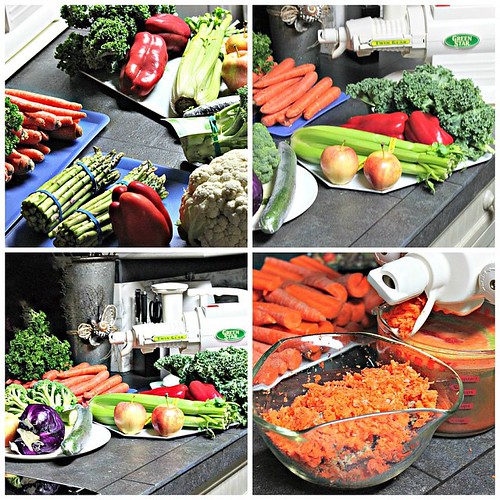
Organic leafy greens like spinach, kale, romaine, and arugula should be considered weight loss staples. They are low in calories, high in volume, and rich in micronutrients. Cruciferous vegetables such as broccoli, cauliflower, cabbage, and Brussels sprouts also deserve a place on your plate because they provide fiber and a satisfying bite.
Why they work so well:
- They add volume to meals without adding many calories.
- They help you feel full with fewer energy-dense ingredients.
- They bring important vitamins, minerals, and phytonutrients to your healthy diet.
Try roasting broccoli with olive oil and garlic, or layering spinach into omelets, soups, and grain bowls.
2. Berries and other lower-sugar fruits
Organic berries are ideal for a clean eating plan. Strawberries, blueberries, raspberries, and blackberries bring sweetness, fiber, and antioxidants without the sugar load of many desserts or packaged treats. Apples, pears, kiwi, and citrus fruits are also excellent choices when you want something refreshing and naturally sweet.
Berries are especially helpful when weight loss cravings hit. They offer enough sweetness to feel satisfying, but they do not usually lead to the same blood sugar spikes as processed sweets. Have you ever noticed how a bowl of berries feels indulgent, but still light?
3. Eggs and lean proteins
Organic eggs are a smart choice for breakfast, lunch, or a quick dinner. They are rich in protein, versatile, and satisfying. Other helpful organic protein sources include chicken breast, turkey, wild fish, tofu, tempeh, Greek yogurt, cottage cheese, and legumes. Protein is essential in any weight loss plan because it helps preserve lean mass and keep appetite under control.
Focus on meals that deliver enough protein to carry you through the next few hours. A salad with protein will feel different from a salad without it. A breakfast with eggs and vegetables will likely support you better than toast alone. These small details matter in a sustainable healthy lifestyle.
4. Legumes and high-fiber plant foods
Organic lentils, chickpeas, black beans, and edamame are excellent for people who want weight loss without relying on constant dieting tricks. These foods combine fiber and protein, which can be extremely helpful for satiety. They are also affordable, adaptable, and easy to use in soups, salads, stews, and meal prep bowls.
Consider adding legumes to your weekly routine if you want to:
- Feel fuller for longer after meals.
- Support digestion with more fiber.
- Reduce the urge to snack on processed foods.
- Build plant-forward meals without feeling hungry too soon.
5. Healthy fats in sensible portions
Organic avocados, olives, seeds, nuts, and extra-virgin olive oil can all play a positive role in a weight loss plan when used wisely. Healthy fats improve flavor, support satiety, and help the body absorb certain nutrients. The key is portion awareness. A small handful of almonds can be a great snack. A large bowl of nuts, however, can add more calories than you intended.
Healthy fats are especially useful in clean eating because they make simple food taste satisfying. A salad with avocado and pumpkin seeds feels more complete. Roasted vegetables tossed with olive oil feel richer and more comforting. Small touches can make your organic food routine much easier to stick with.
6. Fermented and gut-friendly foods
For many people, weight loss is easier when digestion feels smoother. Organic yogurt, kefir, sauerkraut, kimchi, and other fermented foods can support a healthy gut environment. While these foods are not miracle solutions, they may contribute to better digestion and a more comfortable relationship with food.
When your gut feels out of balance, cravings and bloating can make weight loss feel frustrating. A gentle, nourishing approach that includes gut-supportive foods may help you feel more stable and in control. This is one reason many people explore a detox diet concept, not as a harsh cleanse, but as a reset toward simpler, more supportive habits.
[IMAGE: healthy meal]
How Organic Food Supports a Healthier Detox Diet
The word detox is used in many different ways, and it is important to be realistic. Your body already has its own natural detoxification systems through the liver, kidneys, skin, and digestive tract. No juice cleanse can replace that. Still, the foods you eat can either support or burden those systems. That is where organic food can be especially helpful.
By choosing a clean eating pattern rich in vegetables, fruit, water, herbs, whole grains, and lean proteins, you create a gentler environment for your body. You reduce the intake of heavily processed items, often lower your exposure to unnecessary additives, and give your digestive system more fiber and hydration. That is a much smarter long-term strategy than extreme restriction.
What a healthy detox diet should look like
A sensible detox diet is not a starvation plan. It is a nutrition-first reset built on real food. The purpose is to help you feel lighter, more hydrated, less sluggish, and more in tune with your body. It should include:
- Plenty of organic vegetables and leafy greens.
- Fresh fruit in moderate portions.
- Clean protein sources at each meal.
- Hydration from water, herbal tea, and watery produce.
- Fiber-rich foods that support digestion and regularity.
When people feel bloated or weighed down, they often benefit more from simplifying meals than from eliminating entire food groups. Would your body feel better with less packaged food and more fresh ingredients? For many readers, the answer is yes.
Hydration and digestion are part of the process
Weight loss often becomes easier when digestion improves. Organic cucumbers, celery, melons, citrus, and herbs can contribute to hydration. Soups, broths, and water-rich meals can also help. Pair these with adequate water intake and you may notice more stable energy, less bloating, and better appetite regulation.
If you are trying to create a detox diet that actually feels pleasant, think in terms of nourishment rather than deprivation. A plate of steamed vegetables, grilled salmon, and quinoa is far more sustainable than a day of extreme fasting for most people. The body responds well to consistent, balanced support.
Building a Clean Eating Plate That Supports Weight Loss
One of the simplest ways to improve nutrition is to use a plate-building method. This approach keeps portions intuitive and helps you avoid overthinking every meal. It also works well whether you eat omnivore, vegetarian, or flexitarian.
The balanced plate formula
A practical clean eating plate often looks like this:
- Half the plate: non-starchy vegetables
- One quarter of the plate: protein
- One quarter of the plate: slow-burning carbohydrates
- A small amount: healthy fats
This structure is flexible and easy to repeat. For example, you might build a lunch with organic greens, roasted vegetables, grilled chicken, quinoa, and avocado. Or you might make a dinner of salmon, broccoli, sweet potato, and a drizzle of olive oil. These meals are not flashy, but they are exactly the kind of food that helps weight loss happen in a calm, consistent way.
Examples of clean eating combinations
To make this more practical, here are a few meal ideas you can rotate during the week:
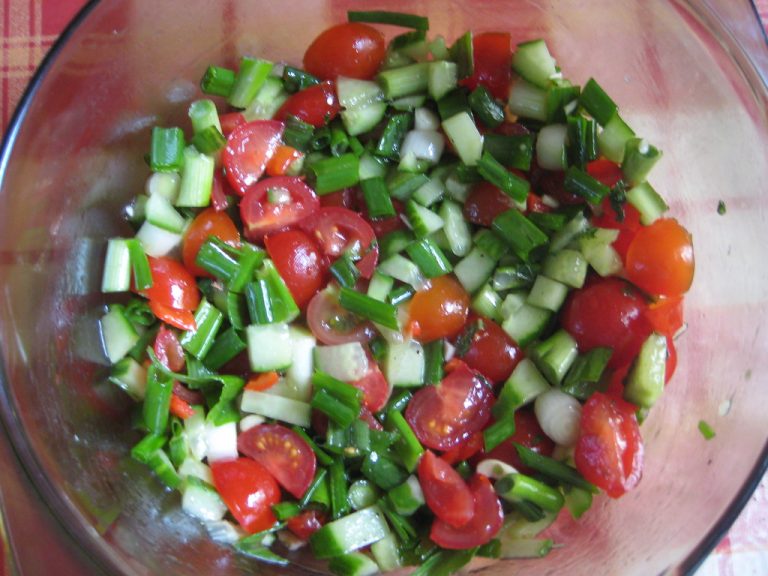
- Organic spinach salad with eggs, chickpeas, cucumber, and pumpkin seeds.
- Grilled chicken with roasted cauliflower, carrots, and brown rice.
- Greek yogurt with berries, chia seeds, and a small portion of walnuts.
- Lentil soup with side greens and a slice of whole-grain toast.
- Salmon with asparagus, quinoa, and lemon herb dressing.
These meals are easy to customize, which matters because long-term weight loss depends on habits you can repeat. Variety helps, but simplicity keeps you consistent.
Organic Meal Prep Ideas for Busy Weeks
Many people fail at healthy eating not because they lack motivation, but because they do not have a system. If your week is busy, decision fatigue can lead to convenience choices that make weight loss harder. Organic meal prep can solve that problem by keeping your fridge stocked with ready-to-eat components.
Meal prep does not have to mean eating identical containers for five days. It can simply mean preparing ingredients in advance so that clean eating is faster than ordering takeout. That small shift can transform your nutrition almost immediately.
Meal prep components worth making in advance
- Wash and chop leafy greens.
- Roast a large tray of vegetables.
- Cook a batch of quinoa, brown rice, or lentils.
- Prepare hard-boiled eggs or grilled chicken.
- Mix a simple dressing with olive oil, lemon, and herbs.
- Wash fruit and portion snacks into small containers.
These ingredients can be combined in countless ways. A prep session on Sunday might give you breakfast bowls, lunch salads, and easy dinners all week long. That is how healthy lifestyle changes become realistic instead of aspirational.
Healthy snack planning prevents impulse eating
Snacking is not the enemy. Mindless snacking is. If you keep organic food options ready, you are far less likely to reach for packaged sweets when hunger hits. Good snack choices include:
- Apple slices with almond butter.
- Greek yogurt with berries.
- Hummus with carrots and cucumbers.
- Boiled eggs and cherry tomatoes.
- A small handful of nuts and a piece of fruit.
These options satisfy hunger without derailing your day. And because they are easy to prepare, they support consistency better than vague willpower ever could.
[IMAGE: fitness lifestyle]
The Most Common Organic Diet Mistakes to Avoid
Even the best intentions can lead to frustration if the strategy is off. Organic food is a helpful tool, but it can still be misused. If your healthy diet is not producing the results you want, one of these mistakes may be part of the problem.
Thinking organic automatically means low-calorie
This is one of the most common misconceptions. Organic snacks, desserts, and packaged foods can still be calorie-dense. Organic granola, cookies, chips, and sweetened drinks can slow weight loss just as much as conventional versions. The organic label does not replace the need for portion control and balanced nutrition.
Skipping protein
Some people focus so heavily on produce that they forget protein. While vegetables are essential, a meal built only on salad may not keep you full for long. When that happens, hunger often catches up later in the day. Make sure your clean eating routine includes sufficient protein at breakfast, lunch, and dinner.
Overcomplicating the plan
Do you really need fifteen ingredients to eat well? Usually not. Overcomplicated plans are harder to maintain. A better approach is to keep a short list of reliable meals and snacks that you genuinely enjoy. Simplicity is one of the most underrated weight loss tools.
Not eating enough
Some people cut calories so aggressively that they feel exhausted, irritable, and obsessed with food. That usually leads to rebound eating. A sustainable weight loss plan should leave room for energy, focus, and daily life. Organic food can support this by providing rich nutrition without depending on constant restriction.
Ignoring satisfaction
If your meals are healthy but bland, you may not stick with them. Taste matters. Texture matters. Enjoyment matters. Use herbs, spices, citrus, garlic, onion, and healthy fats to make food satisfying. Clean eating should never feel like a punishment for wanting flavor.
A Sample Day of Organic Clean Eating for Weight Loss
Sometimes the easiest way to understand a healthy diet is to see it in action. Here is a simple day of organic food that supports weight loss while still feeling nourishing and realistic.
Breakfast
Organic scrambled eggs with spinach, tomatoes, and mushrooms, plus a side of berries and plain Greek yogurt. This combination delivers protein, fiber, and a steady start to the day.
Mid-morning option
If you get hungry between meals, a piece of fruit or a boiled egg can keep you on track without sending you into a snack spiral.
Lunch
A large salad with organic greens, grilled chicken, cucumber, carrots, avocado, pumpkin seeds, and olive oil-lemon dressing. Add quinoa if you need a little more staying power.
Afternoon snack
Hummus with sliced vegetables or yogurt with cinnamon and berries. The goal is to satisfy hunger, not ignore it.
Dinner
Salmon, roasted broccoli, and sweet potato with herbs. This is a balanced, comforting meal that works beautifully in a clean eating plan.
Evening ritual
Herbal tea and water. If you want something sweet, a few berries or a small square of dark chocolate can fit without derailing progress.
What stands out here is not restriction but structure. The meals are simple, nourishing, and easy to repeat. That is the kind of rhythm that often leads to long-term weight loss.
How to Make Organic Food Affordable
One reason people hesitate to start an organic diet is cost. While some organic items are more expensive, a thoughtful approach can make clean eating far more affordable than many expect. You do not need every item in your kitchen to be organic from day one.
Smart budget strategies
- Prioritize organic produce with thin skins, like berries and leafy greens.
- Buy frozen organic vegetables and fruit when they are on sale.
- Choose in-season produce for better prices and flavor.
- Cook with staples like beans, oats, rice, potatoes, and eggs.
- Plan meals before shopping to reduce waste.
- Skip expensive organic packaged snacks when whole foods will do.
These practical choices can make organic food part of your lifestyle without stretching your budget too far. And when your system becomes efficient, healthy eating often costs less because there is less waste, fewer impulse buys, and fewer last-minute takeout orders.
How Clean Eating Affects Energy, Mood, and Motivation
Weight loss is not only about the number on the scale. It is also about how you feel while making progress. Many people discover that once they commit to clean eating with organic food, other areas of life improve too. Energy becomes more stable. Meals feel less chaotic. Cravings become more manageable. Motivation increases because the process feels good rather than punishing.
That mental shift is important. People often assume they need more discipline, but sometimes they need a more supportive food environment. When your kitchen is filled with nutritious options, making the right choice becomes much easier. You are not forcing yourself to be disciplined every hour; you are simply living in alignment with your goals.
Signs your body may be responding well
- You feel fuller after meals.
- Your afternoon energy is steadier.
- You crave fewer sugary snacks.
- Your digestion feels more regular.
- Your meals feel satisfying instead of chaotic.
These changes may seem small, but they often signal that your healthy lifestyle is working beneath the surface.
When Organic Food Is Not Enough on Its Own
Organic food can support weight loss, but it cannot do all the work for you. Sleep, movement, stress management, hydration, and consistency all matter too. If you eat wonderfully during the day but sleep poorly at night, you may still struggle with cravings and recovery. If your meals are balanced but you are constantly under stress, progress may feel slower.
This is why the best healthy diet is always part of a larger lifestyle. A brisk walk, strength training, adequate rest, and a reasonable routine can improve how your body uses the nutrition you give it. The goal is to create a system in which organic food, clean eating, and healthy habits reinforce one another.
Simple lifestyle habits that amplify results
- Walk daily, even if only for twenty minutes.
- Strength train a few times per week if possible.
- Sleep enough to support appetite regulation and recovery.
- Eat slowly and stop before you feel overly full.
- Drink water consistently throughout the day.
That last point matters more than many people realize. Sometimes what feels like hunger is really fatigue, thirst, or stress. The more awareness you build, the easier it becomes to eat in a way that truly supports your goals.
Making This Approach Sustainable for the Long Term
Any diet can work for a few days. The real challenge is creating a way of eating that feels stable months later. That is where organic food and clean eating have a major advantage. They do not need to be dramatic to be effective. They simply need to be consistent, satisfying, and aligned with your everyday life.
If you want lasting weight loss, focus on repeatable habits rather than extreme rules. Keep meals simple. Keep healthy ingredients visible. Keep processed temptation less convenient. Build a routine you do not resent. And remember that progress is not always linear. Some weeks will feel effortless. Others may require a little more attention. That is normal.
Ask yourself: what is one small food habit you could improve this week? Could you add organic vegetables to dinner, prep breakfast ahead of time, or replace one processed snack with fruit and yogurt? Tiny changes often create the momentum that leads to bigger transformation.
When you choose organic food as part of a clean eating plan, you are not just chasing weight loss. You are investing in a healthy lifestyle that supports your body, your energy, and your peace of mind. And that is the kind of change worth building carefully, one meal at a time. If you enjoyed this guide, keep exploring more expert articles on DietOrganic for practical ideas, nourishing recipes, and sustainable ways to live well every day.
About the Author