

Photo by Sharon Pittaway on Unsplash
If you have been trying to improve your digestion, reduce bloating, or build a more balanced routine around food, the answer may be simpler than you think: start with the quality of what is on your plate. Organic food is not a magical fix, but it can make clean eating easier, support a healthier gut environment, and create the kind of nutrition pattern that feels good day after day. When your meals are built from fresh vegetables, fiber-rich plants, fermented foods, and minimally processed ingredients, your body often responds with better energy, steadier cravings, and more comfortable digestion. And yes, that can also support weight loss in a way that feels sustainable rather than punishing.
Gut health has become one of the most talked-about subjects in modern nutrition, and for good reason. Your digestive system affects far more than bathroom habits. It influences immunity, energy, mood, appetite, and even how well you respond to stress. So what happens when you pair gut-supportive habits with a clean eating approach built around organic food? You create a foundation for a healthy lifestyle that is easier to maintain and more rewarding in the long run. Isn’t that the kind of change most people are actually looking for?
Why Gut Health Matters in a Clean Eating Lifestyle
Your gut is home to trillions of microorganisms that help break down food, absorb nutrients, and communicate with the rest of the body. When this environment is balanced, digestion tends to feel smoother and energy more stable. When it is off balance, people often notice bloating, sluggishness, irregular digestion, sugar cravings, or a general sense that something feels off. Clean eating is helpful because it reduces the noise. By choosing organic food and limiting ultra-processed products, you create more room for the body to do what it already knows how to do.
Many people think of a detox diet as something extreme, but the truth is that the liver, kidneys, intestines, and skin are already your body’s natural detox system. The real goal is to support those systems rather than overwhelm them. That means giving them fiber, hydration, antioxidants, healthy fats, and foods that are easier to process. Organic food can play a valuable role here because it often comes without some of the additives, pesticide exposure, and heavy processing that can complicate a healthy diet.
The gut microbiome in simple terms
Think of the microbiome as an internal ecosystem. Some bacteria help with digestion, some help train the immune system, and others assist in keeping inflammation under control. The food you eat feeds that ecosystem. A diet rich in plant variety, fermented foods, and natural fibers helps the more beneficial microbes thrive. A diet built on refined sugar, artificial flavors, and processed oils tends to favor the less helpful ones. That shift can influence everything from bloating to cravings to whether you feel satisfied after a meal.
Signs your gut may need more support
Not every digestive issue is caused by the same thing, but certain patterns often signal that your body wants more balance. These are some of the most common signs:
- Bloating after meals
- Irregular digestion or discomfort
- Frequent cravings for sugar or refined carbs
- Low energy after eating
- Skin that seems more reactive than usual
- Feeling heavy or sluggish even when portions are moderate
If several of these sound familiar, the answer is not to slash calories aggressively or jump into a harsh detox diet. A more effective strategy is to improve the quality of your food, increase plant diversity, and make digestion easier for your body on a daily basis.
The Best Organic Foods for a Healthier Gut
Not all healthy foods support digestion in the same way. Some provide fiber for regularity, some offer live cultures, and some help calm inflammation. The best approach is to think in categories rather than chase one miracle ingredient. If your fridge and pantry include a mix of the foods below, you are already moving toward better nutrition and a more comfortable digestive rhythm.
Fermented foods that bring live cultures
Fermented foods have been used in traditional diets for centuries, and they remain popular because they can support microbial diversity. Organic versions are especially appealing for clean eating because they keep the ingredient list simple.
- Organic plain yogurt
- Unsweetened kefir
- Sauerkraut
- Kimchi
- Miso
- Tempeh
The key is to choose products with minimal added sugar and minimal processing. A small serving each day is often enough to complement a balanced organic food routine. If you are sensitive to fermented foods, start slowly and observe how your body responds.
Fiber-rich vegetables that keep digestion moving
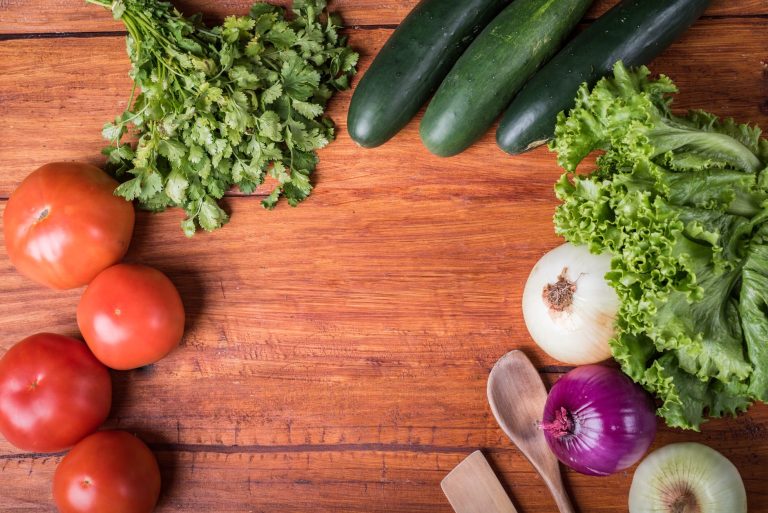
Vegetables are one of the strongest allies in a gut-friendly healthy diet. They supply fiber, water, antioxidants, and a range of compounds that help reduce inflammation. Organic leafy greens, cruciferous vegetables, carrots, zucchini, cucumbers, bell peppers, and asparagus are especially useful because they are easy to build into meals throughout the day.
[IMAGE: organic vegetables]
Why are vegetables so important for weight loss as well? Because fiber helps you feel full without overloading calories. A plate that is rich in vegetables often supports better appetite control naturally. That means fewer spikes in hunger, fewer late-night cravings, and more consistent energy between meals.
Prebiotic foods that feed beneficial bacteria
Prebiotics are not the same as probiotics. Instead of adding live cultures, they provide the fuel that beneficial bacteria need to thrive. Some of the best organic food sources of prebiotics include:
- Onions
- Garlic
- Leeks
- Asparagus
- Green bananas
- Oats
- Apples with the skin on
These foods are easy to use in daily meal prep. A bowl of oats with chia seeds and sliced organic apple, for example, can be a satisfying breakfast that supports digestion and stable blood sugar at the same time.
Healthy fats and seeds for comfort and satiety
People sometimes forget that a gut-supportive meal is not only about fiber. Healthy fats help with fullness and can make clean eating feel less restrictive. Organic avocado, extra-virgin olive oil, walnuts, chia seeds, flaxseeds, and pumpkin seeds all bring nutritional value. They also make meals more satisfying, which is important when your goal is weight loss without constant hunger.
Chia and flaxseeds are particularly helpful because they add soluble fiber, which can support regularity and create a more gradual digestive process. A spoonful mixed into yogurt, smoothies, or overnight oats can turn a basic meal into something more nourishing.
How Organic Food Supports Healthy Weight Loss
Weight loss becomes much more realistic when your food naturally supports fullness, energy, and digestion. The mistake many people make is assuming they need to eat less of everything. In reality, eating better often matters more than eating less. Organic food can be a smart tool here because it encourages a cleaner pattern of eating that is easier to maintain over time.
More satiety, fewer crashes
Whole organic foods typically contain more water, fiber, and intact nutrients than heavily processed alternatives. That means they digest more slowly and help regulate hunger. If you start your day with a balanced breakfast instead of a sugary snack, you may notice that your energy stays steadier and your appetite is easier to manage. Have you ever eaten a processed breakfast and felt hungry again an hour later? That is exactly the kind of cycle clean eating can help reduce.
Less processed food, fewer cravings
Cravings are not only a matter of willpower. They are often driven by blood sugar fluctuations, overstimulation from hyper-palatable foods, and inconsistent meals. An organic diet that prioritizes vegetables, protein, fruit, legumes, and whole grains can calm that cycle. The more your meals contain real nutrition, the less your body tends to demand quick-fix snacks.
Better digestion makes consistency easier
Many people abandon weight loss plans because they feel uncomfortable, restricted, or constantly hungry. When digestion improves, it becomes easier to stay consistent. You are not fighting bloating, nausea, or erratic appetite every day. Instead, you feel lighter, clearer, and more in tune with your body. That sense of comfort is often what makes a healthy lifestyle stick.
One important point: healthy weight loss does not come from trying to punish your body into change. It comes from creating a pattern that your body can cooperate with. Organic food, clean eating, and a moderate detox diet approach can all contribute to that shift, especially when they are practiced patiently.
A Detox Diet Approach That Feels Gentle, Not Extreme
The phrase detox diet can be misleading because it often sounds like a short-term cleanse. A better interpretation is support. Your body already detoxifies itself continuously, and your role is to make that process easier. The simplest way to do that is to eat foods that are rich in nutrients and low in unnecessary additives. This is where organic food fits beautifully into the picture.
What a supportive detox diet actually looks like
A realistic detox diet is not about starving, skipping meals, or relying on only liquids. It is about removing some of the common burdens that interfere with digestion and replacing them with nourishing options. Think colorful vegetables, clean protein, fruits with fiber, herbal teas, seeds, and plenty of water. The goal is not deprivation. The goal is recovery.
- Drink water consistently throughout the day
- Eat vegetables at most meals
- Include protein to preserve fullness
- Choose organic food when possible for higher quality ingredients
- Limit alcohol, refined sugar, and heavily processed snacks
- Sleep enough for digestion and repair
These habits are simple, but they are not small. They are the kind of foundation that supports long-term nutrition instead of short bursts of effort. If you want a healthy diet that also supports weight loss, this gentler strategy is often more effective than anything extreme.
Hydration and herbal support
Digestion slows down when you are under-hydrated. That can make you feel tired, foggy, and bloated. Water is essential, but certain herbal teas can also feel supportive as part of a clean eating routine. Peppermint, ginger, fennel, and chamomile are common choices, especially after meals. They do not replace a balanced diet, but they can complement it.
For a simple daily rhythm, start with water in the morning, sip between meals, and avoid relying on sugary drinks. Your gut will notice the difference, and so will your energy.
Simple Clean Eating Meals That Work in Real Life
One reason people give up on healthy eating is that they imagine it requires perfection, elaborate recipes, or hours in the kitchen. In reality, the best organic food meals are often the simplest. When you keep your kitchen stocked with versatile ingredients, clean eating becomes a habit rather than a chore.
Breakfast ideas that are satisfying without being heavy
Breakfast sets the tone for the day. If you start with something balanced, you are less likely to experience a mid-morning crash or sugar craving. Good options include:
- Organic yogurt with berries, chia seeds, and walnuts
- Oatmeal topped with cinnamon, flaxseed, and sliced apple
- Eggs with sautéed spinach and avocado
- Smoothie with greens, protein, banana, and almond butter
The best breakfast is not necessarily the lowest in calories. It is the one that keeps you steady, satisfied, and focused.
Lunch ideas that support digestion and energy
Lunch should keep you productive without making you sleepy. A balanced organic meal can include a lean protein, a generous portion of vegetables, and a smart carbohydrate such as quinoa, lentils, or sweet potato. For example, a bowl with roasted vegetables, chickpeas, leafy greens, olive oil, and seeds can be both filling and easy to digest. Add a side of fermented vegetables if you want to layer in more gut support.
[IMAGE: healthy meal]
Dinner ideas that feel light but complete
Evening meals often work best when they are simpler than lunch. A heavy dinner can disrupt sleep and leave you feeling sluggish the next morning. Consider meals such as baked salmon with asparagus, turkey lettuce wraps, tofu stir-fry with vegetables, or a hearty vegetable soup with beans. Organic ingredients make these meals feel fresher and more satisfying.
Snacks that keep your day on track
Smart snacking can prevent overeating later. Instead of reaching for a packaged bar or chips, keep a few clean eating options available:
- Apple slices with almond butter
- Carrot sticks with hummus
- Organic plain yogurt
- Pumpkin seeds
- Cucumber with guacamole
- Hard-boiled eggs
These foods are easy to portion, easy to carry, and far more likely to support your healthy lifestyle than impulsive snacking.
What to Buy Organic First
Many people want to eat more organic food but worry that it will be too expensive. A practical approach is to prioritize the foods that matter most. You do not need every item in your kitchen to be organic before you can benefit from cleaner eating. Start with the highest-impact choices and build from there.
Foods to prioritize
These are the items many shoppers choose to buy organic first because they are eaten often or tend to have thinner skins:
- Leafy greens
- Apples
- Strawberries and berries
- Grapes
- Peppers
- Celery
- Herbs
- Potatoes
If you are on a budget, focus on the foods you eat most frequently. That strategy has a bigger nutritional impact than buying random organic items without a plan. It also helps you stay realistic, which is essential for any healthy diet.
When conventional may still be okay
Sometimes the best nutrition choice is the one you can afford and actually use. If buying every item organic would make you stressed or inconsistent, it may be better to buy a mix of organic and conventional produce than to overspend. A healthy lifestyle should reduce pressure, not create it. The point is progress, not perfection.
Organic Food Mistakes That Can Sabotage Your Progress
Organic food is powerful, but it is not automatically healthy in every form. A packaged organic snack can still be high in sugar. An organic cookie is still a cookie. To get real benefits from clean eating, you need to pay attention to the overall pattern, not just the label.
- Assuming organic means low calorie
- Eating too little protein and feeling hungry all day
- Not getting enough fiber from vegetables, legumes, and seeds
- Relying on juices instead of whole fruits and vegetables
- Using a detox diet as a reason to skip balanced meals
- Ignoring sleep and stress, both of which affect digestion
Ask yourself this: does your food pattern actually make you feel better, or does it just look healthy on paper? That question can reveal more than a nutrition label ever will.
A 3-Day Organic Gut-Friendly Menu
If you want to get started quickly, a short sample plan can help you see how all of this fits together. The aim is not strictness. It is rhythm. A few well-composed meals can show you how satisfying clean eating can be when it is done well.
Day 1
Breakfast: Organic yogurt with blueberries, chia seeds, cinnamon, and walnuts.
Lunch: Quinoa bowl with roasted broccoli, carrots, chickpeas, spinach, and olive oil.
Dinner: Baked salmon, steamed asparagus, and a side of sweet potato.
Snack: Apple with almond butter.
Day 2
Breakfast: Oats with flaxseed, banana, and a spoonful of nut butter.
Lunch: Turkey or tofu lettuce wraps with avocado, cucumber, and fermented vegetables.
Dinner: Vegetable soup with lentils, herbs, and a side salad.
Snack: Pumpkin seeds and green tea.
Day 3
Breakfast: Eggs with spinach, mushrooms, and tomatoes.
Lunch: Mixed greens with grilled chicken or tempeh, roasted beets, seeds, and olive oil dressing.
Dinner: Stir-fried vegetables with brown rice and ginger.
Snack: Cucumber slices with hummus.
This kind of plan works because it is flexible. You are not locked into a complicated detox diet or a rigid weight loss schedule. Instead, you are using organic food to build a sustainable pattern that respects both digestion and enjoyment.
Fitness, Sleep, and Stress: The Other Half of Gut Health
Food is central, but it is not the whole story. Movement, sleep, and stress management all influence digestion. In fact, many people who eat well still struggle with bloating or cravings because their nervous system never gets a chance to settle. That is why a true healthy lifestyle includes more than meal planning.
[IMAGE: fitness lifestyle]
Why movement helps digestion
Regular movement supports circulation, improves motility, and can help the body process food more efficiently. You do not need intense training every day. A walk after meals, light strength training, yoga, or even gentle stretching can make a noticeable difference. If your goal includes weight loss, movement also helps preserve muscle, improve mood, and support consistency.
Why sleep matters more than people realize
Poor sleep affects hunger hormones, stress response, and recovery. If you are sleeping too little, your body may push you toward cravings and fatigue, even if your meals are excellent. A consistent bedtime, reduced late-night snacking, and a calmer evening routine can improve digestion as much as a food swap.
Stress and the gut connection
Stress can show up in the body as tightness, discomfort, or irregular digestion. This is not imaginary; it is a real physiological response. Slowing down before meals, breathing deeply, and creating more consistent routines can help. The best nutrition plan is the one that your body can actually receive under calm conditions.
How to Build a Sustainable Healthy Lifestyle Around Organic Food
The strongest approach is not the most intense one. It is the one you can keep. A sustainable healthy lifestyle does not require you to eat perfectly every day. It asks you to make better choices often enough that your body begins to feel the benefits. Over time, those choices compound. Digestion becomes easier. Energy feels steadier. Weight loss becomes more achievable. Meals become something you look forward to rather than something you negotiate with.
Start with three repeatable habits
Instead of trying to change everything at once, choose three habits that are realistic. For example:
- Include vegetables at lunch and dinner
- Drink more water before meals
- Keep one fermented food in the fridge each week
Once those habits feel normal, add more. That is how real change happens.
Make your kitchen easier to win with
Nutrition decisions often get easier when the environment supports them. Keep washed greens visible, store washed fruit at eye level, and place healthy snacks where you can reach them quickly. If your kitchen makes clean eating convenient, you are less likely to default to whatever is fastest and least nourishing.
Use meal prep without making it boring
Meal prep does not have to mean eating the same container every day. Roast a tray of organic vegetables, cook one grain, prepare a protein, and change the sauces or herbs. A little planning gives you freedom, not restriction. You can mix and match meals based on your appetite and schedule.
If you are wondering whether organic food really makes a difference, the most honest answer is that it often does when it is part of a bigger pattern. It is not about chasing a label; it is about choosing ingredients that help your body feel supported rather than stressed. That is why clean eating, thoughtful nutrition, and a gentler detox diet approach can be such a powerful combination for digestion, weight loss, and daily wellbeing.
What would happen if your next grocery trip focused less on restriction and more on nourishment? What if your meals were designed to help you feel lighter, calmer, and more energized instead of endlessly full or deprived? Those small shifts are exactly what build momentum, and if you want more expert guidance on organic food, healthy diet strategies, and practical clean eating ideas, keep exploring the latest articles on DietOrganic and use them to shape a lifestyle that truly lasts.
About the Author