
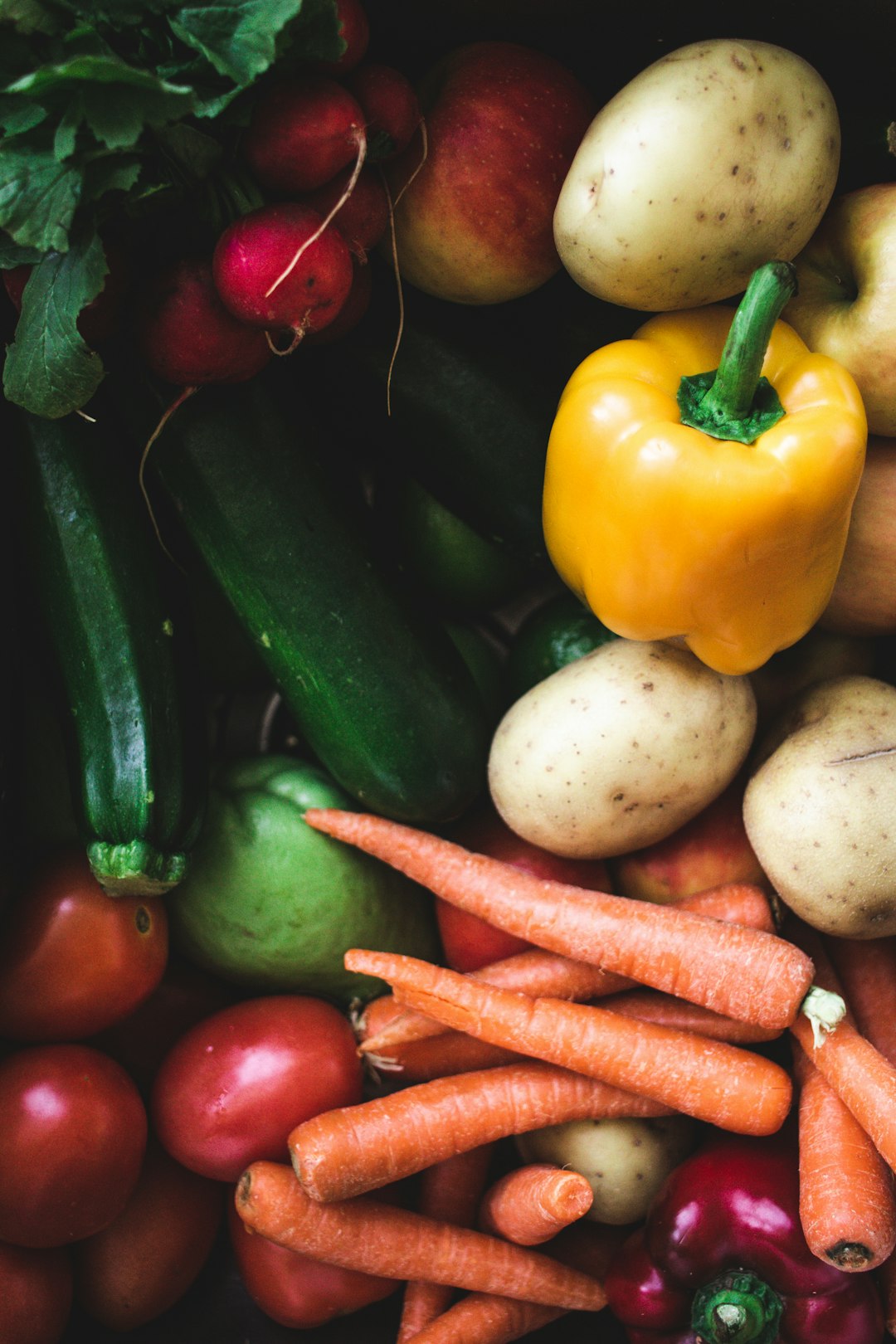
Photo by Marisol Benitez on Unsplash
Choosing between organic food and non-organic food is no longer a niche grocery-store debate. For many people, it has become a practical decision tied to weight loss, clean eating, long-term nutrition, and the kind of healthy lifestyle they want to build. When you stand in front of a produce display or compare two similar pantry staples, the question is often simple: which option actually supports your goals better?
The answer is more nuanced than a label might suggest. Organic food is often associated with fewer synthetic chemicals, more thoughtful farming practices, and a cleaner approach to eating. Non-organic food, meanwhile, can still be nutritious, affordable, and convenient. So how do you decide what belongs on your plate? And more importantly, how do you turn that decision into a sustainable eating pattern rather than a stressful rulebook?
This guide explores the real differences between organic and non-organic food through the lens of clean eating, weight loss, detox diet habits, and everyday nutrition. You will learn where organic choices matter most, where conventional options are perfectly reasonable, and how to create a balanced food strategy that feels realistic, satisfying, and good for your body.
What Organic Food Really Means
Before comparing the two sides, it helps to understand what organic food actually is. In most countries, organic certification means the food was produced under specific standards that limit synthetic pesticides, genetically modified ingredients, artificial fertilizers, and certain processing aids. Organic meat and dairy also come with requirements related to feed, animal access, and medication practices.
That does not automatically mean organic food is calorie-free, magically healthier, or superior in every category. A bag of organic cookies is still a treat. Organic certification speaks to how the food is grown or raised, not whether it is automatically ideal for weight loss. Still, many people choose organic because it aligns with a cleaner approach to eating and a more mindful relationship with nutrition.
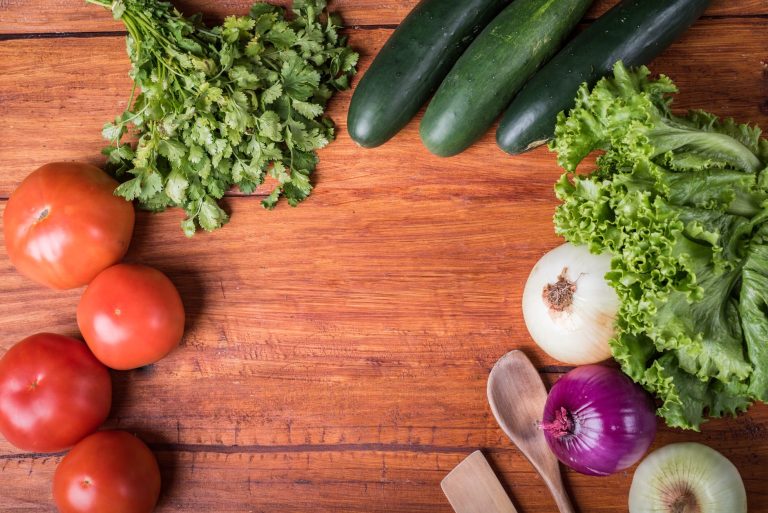
[IMAGE: organic vegetables]
When you shop for organic food, you are often choosing produce, grains, dairy, and protein sources that fit into a broader healthy lifestyle. For some households, that means prioritizing the foods they eat most often, especially items that are harder to wash, peel, or source locally. For others, it is about supporting farming systems that feel more sustainable and intentional.
Organic vs Non-Organic: The Core Differences
If both options are sitting side by side on the shelf, how do they really differ? The answer depends on the food category, but a few broad themes stand out.
Farming methods
Organic farms usually rely on natural inputs, crop rotation, compost, and biological pest control rather than synthetic chemicals. Conventional farms may use synthetic pesticides, herbicides, and fertilizers to improve yield, reduce crop losses, and keep food costs lower.
Residue exposure
One of the biggest reasons people choose organic food is the desire to reduce exposure to synthetic pesticide residues. While conventional produce is regulated and tested, organic shoppers often prefer the peace of mind that comes with lower chemical use. Is that enough to change your health overnight? Probably not. But for many people, reducing exposure is a meaningful part of clean eating.
Nutrition profile
When it comes to vitamins, minerals, protein, and fiber, the difference between organic and non-organic food is often modest. A conventional apple still provides fiber and antioxidants. A conventional spinach salad still supports nutrition and weight loss. The overall dietary pattern matters more than one label.
Environmental and lifestyle values
Some shoppers choose organic because it fits their environmental values, supports soil health, or feels more aligned with a whole-food, less-processed approach. For many, the appeal is not just nutritional. It is emotional, ethical, and practical at the same time.
Does Organic Food Help With Weight Loss?
Organic food can support weight loss, but not because the word organic itself causes fat loss. Weight loss depends on energy balance, food quality, consistency, and habits that you can maintain. Organic ingredients can still help if they make it easier for you to eat more vegetables, cook more at home, reduce ultra-processed snacks, and build meals around nutrient-dense foods.
Think about the difference between a packaged organic snack bar and a plate of roasted organic vegetables with eggs or tofu. The second choice is likely to keep you full longer, provide more fiber, and better support your healthy diet goals. The key is not just buying organic. It is using organic food as part of a pattern that naturally supports satiety and nutrition.
Here is where organic food may help with weight loss in a realistic way:
- It can encourage more home cooking and less reliance on fast food.
- It often pairs well with whole, minimally processed ingredients.
- It may make healthy meals feel more intentional and satisfying.
- It can support mindful eating by shifting attention toward quality.
On the other hand, organic products can also be expensive, and that cost may cause stress. If your grocery budget becomes too tight, weight loss can become harder to sustain. A healthy diet should reduce friction, not create it. Would you rather have a perfect organic cart once a month or a balanced, repeatable eating routine every week? For most people, consistency wins.
Where Organic Matters Most for Clean Eating
Not every food needs to be organic for your diet to be clean. In fact, one of the smartest ways to approach clean eating is to prioritize organic purchases where they offer the most value. That usually means focusing on produce and foods you eat often, especially if they are grown in a way that makes washing less effective.
High-priority foods many people buy organic
- Leafy greens such as spinach, kale, and lettuce
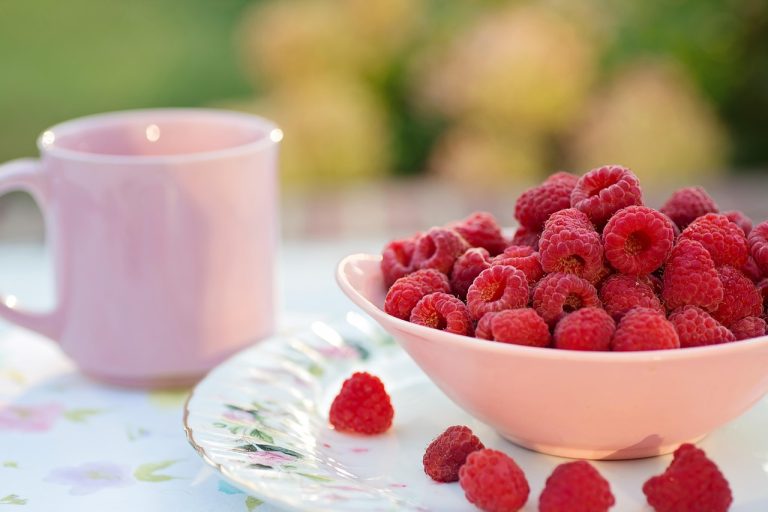
- Berries, especially strawberries and raspberries
- Apples, peaches, and other thin-skinned fruit
- Milk, yogurt, and eggs, if animal welfare and feed standards matter to you
- Foods eaten daily, because repetition increases exposure over time
Foods where conventional can be a smart choice
- Bananas, avocados, and oranges with thick peels
- Onions, garlic, and other foods with protective outer layers
- Frozen vegetables when budget and convenience are priorities
- Canned beans, tomatoes, and other pantry staples
This does not mean organic versions are not worth it. It simply means you can build a more strategic clean eating plan instead of trying to buy everything organic at once. A thoughtful mix of organic food and conventional staples is still a clean, healthy lifestyle choice when the overall diet is rich in whole foods.
What the Nutrition Science Really Suggests
Nutrition research often shows that both organic and non-organic foods can contribute to a healthy diet. The benefits of fruit, vegetables, legumes, whole grains, lean proteins, nuts, seeds, and healthy fats do not disappear because a food is conventionally grown. If you eat more plants, more fiber, and fewer ultra-processed products, your health outcomes generally improve.
At the same time, organic food can offer advantages in certain areas. Some studies have found lower pesticide residues in organic produce, and some organic products may contain slightly different levels of certain compounds. But if you zoom out, the biggest nutrition gains usually come from how the food is prepared and how often it appears in your meals.
Ask yourself: are you choosing organic because it helps you eat more vegetables, or because you believe the label alone will transform your health? The first reason is powerful. The second is usually less useful. Clean eating works best when the emphasis is on whole, nutrient-dense foods that support your routines, your energy, and your weight loss goals.
How Organic Food Fits Into a Detox Diet Mindset
The word detox diet is used often, but not always accurately. Your liver, kidneys, lungs, and digestive system already do the work of processing and removing waste from your body. No juice cleanse can replace those functions. Still, many people use the idea of a detox diet as a motivational reset: a period of eating simpler, cleaner, less processed food while increasing hydration, vegetables, and rest.
Organic food can fit into this mindset beautifully because it often emphasizes whole ingredients and reduces your reliance on additives and heavily processed snacks. That said, a detox diet should not become extreme or restrictive. It should support nourishment, not deprivation.
A practical detox-style eating plan may include:
- Organic vegetables in salads, soups, and stir-fries
- Fresh fruit as a natural dessert or snack
- Hydrating foods like cucumbers, citrus, and leafy greens
- Simple proteins such as eggs, legumes, Greek yogurt, tofu, or fish
- Whole grains in measured portions for energy and satiety
Instead of asking,
About the Author