
Photo by congerdesign on Pixabay
What if the path to steadier energy, better digestion, and easier weight loss was not a complicated detox diet, but a more thoughtful way of eating every day? Many people search for a quick fix when they feel sluggish, bloated, or stuck in a cycle of cravings, yet the real answer often begins with the gut. When your digestion is working well, your nutrition becomes more effective, your meals feel satisfying, and your healthy lifestyle starts to feel much more natural.
That is where organic food can play an important role. Choosing cleaner ingredients does not magically solve every problem, but it can reduce some of the noise that often surrounds modern eating. Fewer additives, more whole foods, and a stronger focus on plant-based variety can make clean eating feel less like a restriction and more like a rhythm. And when the gut gets the support it needs, the body usually responds with better comfort, better appetite control, and often a better relationship with food.
If you have ever wondered whether one simple change could make your meals feel lighter and more nourishing, this is the place to start. A gut-friendly approach does not need to be extreme, expensive, or complicated. It needs consistency, quality, and a willingness to eat in a way that supports your body instead of fighting it.
Why the Gut Deserves Attention in a Healthy Lifestyle
The gut does far more than process food. It helps regulate how nutrients are absorbed, influences how full you feel after eating, and plays a surprisingly large role in immune function and daily energy. When digestion is off, even the healthiest plate can feel uncomfortable. When digestion is balanced, everything else becomes easier to manage.
Have you noticed how one meal can leave you energized while another leaves you bloated and tired? That is not just a matter of calories. It is also about how your body responds to the type of food, the quality of ingredients, and the overall pattern of your diet. A healthy lifestyle begins to feel sustainable when your meals are built around what your body can actually use well.
Digestion affects more than your stomach
The gut is connected to many parts of daily health. It influences bowel regularity, hydration balance, appetite signals, and even how well you recover after exercise. If your diet is heavy in ultra-processed foods, refined sugar, and low-fiber meals, your digestion may become slower and less efficient. Over time, that can affect everything from mood to energy to motivation.
By contrast, a cleaner way of eating built on organic food, plants, lean proteins, and healthy fats can help the body work with less stress. The goal is not perfection. The goal is to create a better environment inside the body so your nutrition actually supports you.
Gut health and weight loss often go together
Many people think weight loss is only about eating less, but that is an incomplete picture. When your gut is not comfortable, you may eat too quickly, reach for snacks too often, or feel drawn to highly processed foods for quick relief. Better digestion can help you recognize true hunger more clearly and reduce the urge to overeat.
That is one reason a gut-friendly clean eating plan can be such a powerful part of a weight loss strategy. It supports more stable energy, fewer cravings, and better meal satisfaction. Instead of chasing restriction, you are building a pattern that helps the body feel safe and nourished.
Why Organic Food Fits a Clean Eating Approach
Organic food is not a miracle cure, but it can be a smart foundation for people who want to eat more cleanly. A diet made from organic produce, simple proteins, and minimally processed ingredients often contains fewer unnecessary additives and a more predictable nutritional profile. For many people, that makes digestion easier and meal planning more intentional.
Clean eating is not just about removing things. It is about choosing better foods more often. When you rely on organic vegetables, fruits, legumes, fermented foods, and whole grains, you are naturally building meals that tend to be richer in fiber, micronutrients, and beneficial plant compounds.
Cleaner ingredients can reduce dietary noise
One advantage of organic food is the emphasis on fewer synthetic pesticides and less reliance on heavily processed industrial farming methods. While not every body reacts the same way, many people prefer the simplicity of ingredients that feel closer to their natural form. In practical terms, that can make meal planning feel cleaner and more grounded.
It is also easier to build habits when the food itself is simple. A bag of organic spinach, a box of lentils, a handful of berries, or plain yogurt with live cultures gives you more control than a shelf full of packaged products pretending to be healthy.
Organic food helps reinforce better choices
When people start buying more organic food, they often begin paying closer attention to labels, portions, and preparation methods. That awareness matters. The real power of clean eating is not only in the ingredients you choose, but also in the habits those choices create.
What to look for when shopping
Try to focus on foods with short ingredient lists and recognizable components. If a product has a long list of additives, sugars, oils, and stabilizers, it may not support your goals as well as a simpler option. Ask yourself: does this item look like food, or does it look like a chemistry project?
As a rule, the more your cart is filled with whole organic ingredients, the easier it becomes to create meals that support digestion and healthy weight loss.
The Best Organic Foods for Gut Health
Not all healthy foods work the same way in the body. Some feed your gut bacteria, some help move waste through the digestive system, and some calm inflammation so your body can function more comfortably. The best organic foods for gut health usually combine fiber, water, minerals, and natural plant compounds.
Think in categories rather than single superfoods. A balanced gut-friendly diet includes a variety of textures, flavors, and nutrient types. That variety is what gives your microbiome more to work with.
1. Fermented foods with live cultures
Fermented foods are some of the most valuable additions to a clean eating routine. They provide beneficial bacteria and compounds that can support digestive balance. Organic versions often contain fewer unnecessary additives and a more straightforward ingredient profile.
- Organic plain yogurt with live cultures
- Organic kefir
- Sauerkraut made from simple ingredients
- Kimchi with minimal sugar
- Miso in moderate amounts
Start slowly if you are not used to fermented foods. Too much too soon can be uncomfortable for sensitive digestion. A few spoonfuls or a small serving is often enough to begin with.
2. Prebiotic vegetables and fibers
Prebiotics are the food source for beneficial gut bacteria. They are found in fiber-rich plant foods that move through the digestive tract and help create a healthier environment for the microbiome. If you want your gut to thrive, prebiotic foods deserve a permanent place on your plate.
- Organic onions
- Garlic
- Leeks
- Asparagus
- Jerusalem artichokes
- Green bananas
- Oats
These foods are especially useful when you are building a detox diet that actually supports the body. They help keep digestion moving while feeding the bacteria that contribute to better gut balance.
3. Fiber-rich fruits and vegetables
Fiber is one of the simplest tools for better digestion, but many people do not get enough of it. Organic fruits and vegetables are a practical way to raise fiber intake without relying on supplements or complicated routines.
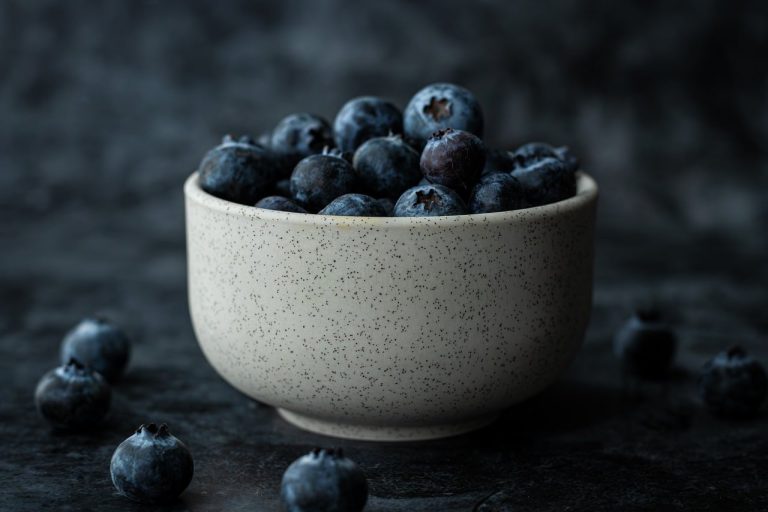
- Berries
- Apples with the skin on
- Pears
- Leafy greens
- Carrots
- Broccoli
- Cauliflower
- Sweet potatoes
Fiber can help you feel fuller for longer, which is useful for weight loss and appetite control. It also supports regularity, which is essential if bloating or sluggish digestion has been getting in the way of your healthy lifestyle.
4. Healthy fats that calm and satisfy
Healthy fats are often overlooked in clean eating, yet they play an important role in satiety and nutrient absorption. They also make meals more enjoyable, which matters more than many diet plans admit. If food is not satisfying, the diet usually does not last.
- Avocados
- Extra virgin olive oil
- Chia seeds
- Flaxseeds
- Walnuts
- Organic nut butters with no added sugar
These foods can help stabilize blood sugar and reduce the urge to snack between meals. That makes them especially useful if your goal is weight loss without feeling deprived.
5. Clean proteins that support repair
Protein helps preserve muscle, supports recovery, and keeps meals satisfying. If your meals are too low in protein, you may find yourself craving food more often. Organic and minimally processed protein sources can be a valuable part of a gut-friendly nutrition plan.
- Organic eggs
- Plain Greek yogurt
- Organic chicken
- Wild-caught fish
- Tempeh
- Lentils
- Beans
Pairing protein with fiber is one of the most reliable ways to create a meal that feels balanced. For example, eggs with spinach, salmon with roasted vegetables, or lentils with herbs and olive oil can all support digestion and energy at the same time.
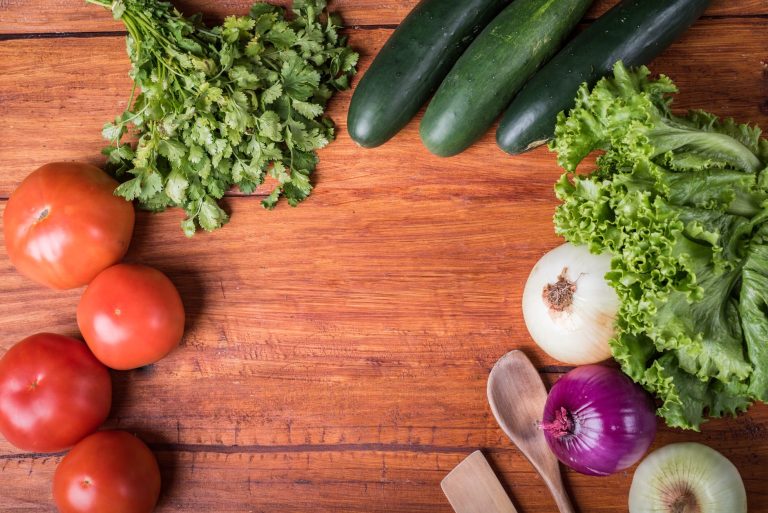
[IMAGE: organic vegetables]
How to Build a Clean Eating Plate That Supports Digestion
You do not need to memorize a complicated nutrition system to eat well. A gut-friendly plate can be built using a few simple principles: keep ingredients recognizable, combine fiber with protein, include healthy fats, and avoid overloading the meal with sugar or refined starches. That is the essence of clean eating done well.
When people try to overcomplicate healthy food, they often give up. When the structure is simple, the habit becomes easier to repeat. And repetition is what turns a good meal into a reliable healthy lifestyle pattern.
A simple formula for each meal
Try this structure:
- One source of clean protein
- Two or more servings of organic vegetables
- One source of healthy fat
- One smart carbohydrate if needed, such as oats, quinoa, or sweet potato
This formula works because it gives your body balance without excess. It can also make weight loss feel more natural since the meal is more filling and less likely to trigger cravings later in the day.
Breakfast ideas that support gut health
Breakfast should not feel like a sugar bomb disguised as a healthy choice. If your morning meal leaves you hungry an hour later, it is probably not doing enough for your body.
- Organic yogurt with berries, chia seeds, and walnuts
- Oatmeal with flaxseed, cinnamon, and sliced apple
- Eggs with spinach, tomatoes, and avocado
- Green smoothie with kefir, cucumber, and organic berries
These options support steady energy and can help reduce the mid-morning crash that sends many people searching for snacks.
Lunch and dinner ideas that feel light but filling
Midday and evening meals work best when they are substantial without being heavy. A clean eating plate should leave you satisfied, not sleepy.
- Grilled chicken with quinoa, roasted carrots, and steamed broccoli
- Lentil bowl with greens, avocado, and olive oil
- Salmon with asparagus and sweet potato
- Tempeh stir-fry with garlic, ginger, and mixed vegetables
These meals are naturally rich in nutrition and help maintain digestive comfort. If you want a simple rule, think color: the more varied the colors on your plate, the more likely you are getting a wider range of plant nutrients.
Snacks that support rather than sabotage
Snacking is not the enemy. The problem is usually the type of snack. Organic choices can make it easier to stay on track without feeling deprived.
- Apple slices with almond butter
- Carrots and hummus
- Plain kefir or yogurt
- A handful of walnuts
- Cucumber slices with guacamole
If you often snack out of stress rather than hunger, pause before eating and ask: am I nourishing myself, or am I just trying to feel better quickly?
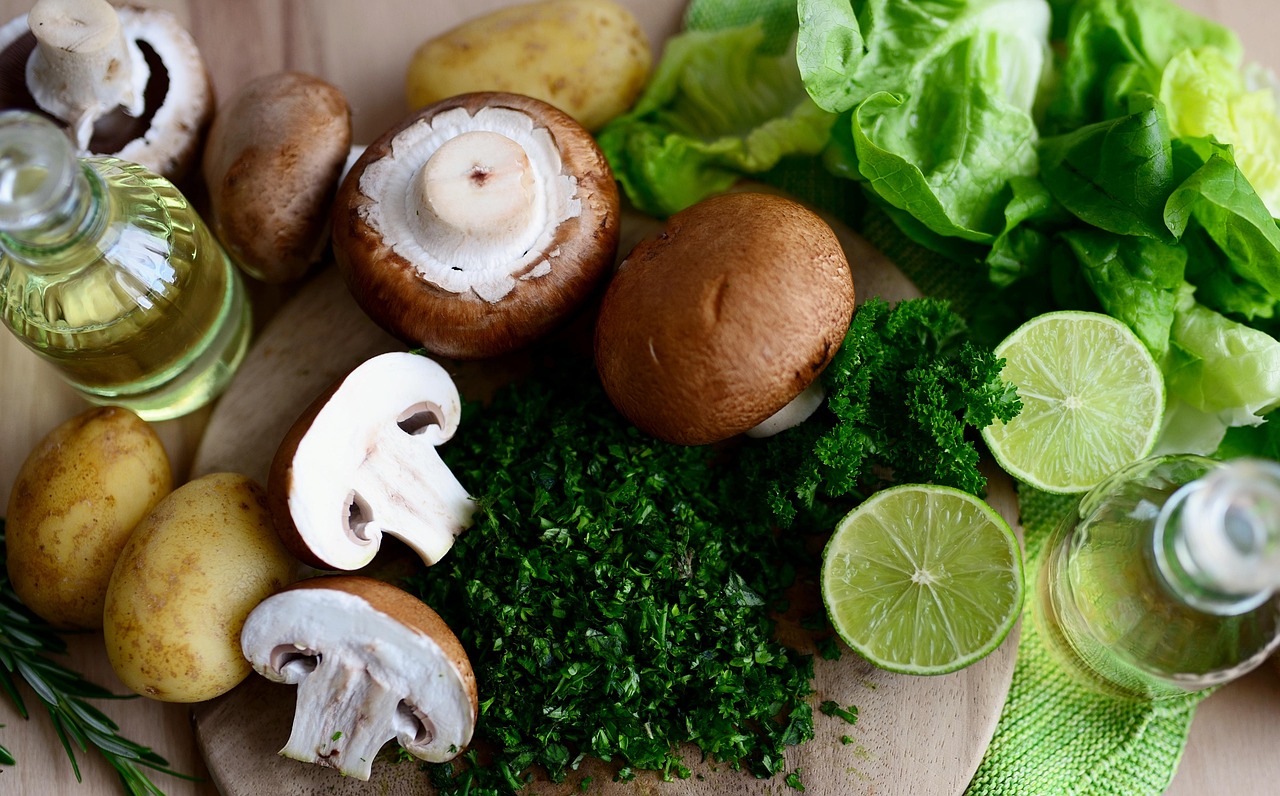
[IMAGE: healthy meal]
A Detox Diet That Supports the Body Instead of Stressing It
The word detox is often overused. Too many plans promise dramatic results through juice fasts, extreme restrictions, or expensive products that have very little to do with actual health. A better detox diet is not about forcing the body to purge itself. It is about supporting the organs that already do that job every day.
Your liver, kidneys, digestive tract, skin, and lungs all work continuously to process and remove waste. The best thing you can do is feed them well, hydrate properly, sleep enough, and reduce the burden of heavily processed food. That is a true detox-friendly approach.
What real detox support looks like
A practical detox diet built around organic food usually includes:
- More fiber from fruits, vegetables, beans, and seeds
- Enough water throughout the day
- Lower intake of alcohol and ultra-processed foods
- Meals with simple, recognizable ingredients
- Regular movement to support circulation and digestion
This type of plan is less flashy than a crash cleanse, but it is much more sustainable. It also supports weight loss in a way that feels safer and more balanced.
Foods that make a detox diet more effective
Some foods naturally support the body’s cleansing systems because they provide antioxidants, sulfur compounds, water, and fiber. Organic versions are especially useful when you want to keep the ingredient list clean and simple.
- Leafy greens such as kale and spinach
- Citrus fruits like lemon and grapefruit
- Cruciferous vegetables like broccoli and cabbage
- Beets
- Cucumbers
- Ginger and turmeric
- Green tea
These foods are not magic, but they can help your body work more efficiently when they are part of an overall healthy lifestyle.
Simple detox habits that matter more than gimmicks
Here is where many people miss the point. A detox diet is not just about what you add. It is also about what you stop doing consistently.
- Do not skip meals and then overeat later
- Do not rely on sugary drinks for energy
- Do not use detox products as a substitute for real nutrition
- Do not under-sleep and expect your digestion to stay balanced
The body responds best to steady support. That means enough fiber, enough water, enough sleep, and food that looks like food.
Organic Meal Ideas for a Busy Week
Healthy eating becomes easier when you have a few go-to meals that do not require much decision-making. Busy schedules often lead people to choose convenience over quality, but organic meal prep can close that gap. The trick is to make the healthy choice the easy choice.
Meal prep does not have to mean eating the same thing every day. It can simply mean preparing a few ingredients in advance so you can build meals quickly.
Build-a-meal components
- Wash and chop organic vegetables in advance
- Cook a batch of quinoa, brown rice, or lentils
- Prepare a protein source for two or three meals
- Keep simple snacks ready in clear containers
- Make one homemade dressing with olive oil, lemon, and herbs
These small steps reduce the chance that you will grab processed food when hunger strikes.
Sample day of clean eating
Here is a simple example of how a gut-friendly day might look:
- Breakfast: Organic yogurt with berries and flaxseed
- Lunch: Chicken salad with leafy greens, cucumber, avocado, and olive oil
- Snack: Apple with almond butter
- Dinner: Salmon, roasted broccoli, and sweet potato
Nothing about this menu is extreme. That is exactly why it works. It is realistic, satisfying, and easy to repeat.
How to shop for success
Before you leave the store, ask yourself whether your basket contains ingredients or just products. The more ingredients you can use to cook at home, the easier it becomes to support digestion, manage weight loss, and stay aligned with your clean eating goals.
Helpful staples include:
- Organic leafy greens
- Berries
- Avocados
- Eggs
- Plain yogurt or kefir
- Lentils and beans
- Oats
- Olive oil
- Herbs and spices
Lifestyle Habits That Help Nutrition Work Better
Food matters, but it is not the whole story. A healthy lifestyle also includes sleep, stress management, hydration, and movement. If you only change your meals and ignore everything else, your progress may be slower than expected.
Why? Because the gut responds to the body as a system. When stress is high, sleep is poor, and movement is minimal, digestion can become less efficient. The right organic food helps most when it is part of a broader rhythm.
Sleep is a digestion tool
Many people underestimate how much sleep affects appetite and gut comfort. When you do not sleep enough, hunger hormones can shift, cravings often rise, and decision-making becomes less precise. A tired body often wants quick energy, not balanced nutrition.
Try to create a wind-down routine that supports sleep quality. Keep dinner at a reasonable time, reduce late-night snacking, and give your body a chance to settle before bed.
Stress changes how the gut feels
Stress can make digestion more sensitive, even if your food choices are good. That is why relaxation techniques are not a luxury. They are part of healthy eating. Deep breathing, a walk after meals, journaling, or even a few quiet minutes outdoors can help shift the body out of constant tension.
If your stomach often feels tight or unsettled, ask yourself whether the issue may be emotional as well as dietary. The answer is often yes.
Movement helps digestion and weight loss
You do not need intense exercise every day to support your gut. Even regular walking can help with circulation, blood sugar balance, and bowel movement. For many people, the right amount of movement is enough to create a more comfortable digestive pattern and a more realistic weight loss routine.
[IMAGE: fitness lifestyle]
Try to move after meals when possible. A gentle walk can help the body process food more efficiently and reduce that heavy, sluggish feeling that sometimes follows lunch or dinner.
Common Clean Eating Mistakes to Avoid
Even a well-intentioned organic diet can go off course if the basics are ignored. The biggest mistakes are usually not dramatic. They are subtle habits that build up over time until your healthy plan no longer feels as helpful as it should.
If you want the benefits of clean eating to show up in your energy, digestion, and weight loss progress, avoid these common traps.
Relying too heavily on packaged organic snacks
Just because something is organic does not automatically mean it is ideal for gut health. Organic cookies, chips, bars, and crackers can still be high in sugar, refined starches, or unhealthy fats. They may fit into a better diet occasionally, but they should not become the foundation of your nutrition.
Ask yourself: would I still choose this food if the organic label were removed?
Eating too little protein
Some people focus so much on vegetables and smoothies that they forget protein. Without enough protein, meals may not satisfy you for long, and that can lead to excessive snacking. This is especially important if your goal is healthy weight loss.
A well-balanced plate should keep you full and support muscle maintenance at the same time.
Going too hard too fast
Switching overnight from a highly processed diet to a very strict clean eating plan can be overwhelming. The body may react with bloating, cravings, or fatigue if the transition is too abrupt. A better approach is gradual change.
Start with one or two meals a day. Then increase the number of organic, whole-food meals as your routine becomes more stable.
Ignoring fiber and water together
Fiber is helpful, but it works best when paired with enough water. If you increase vegetables, beans, or seeds without increasing hydration, digestion may actually feel slower. Balance matters.
Make water a routine, not an afterthought. Keep a bottle nearby and sip throughout the day.
A Simple 5-Day Reset You Can Repeat
If you want a practical way to begin, use a short reset that focuses on consistency rather than restriction. This is not a crash detox diet. It is a gentle way to give your digestion a break from excess sugar, overly processed food, and random eating patterns.
Each day, focus on the same core principles: organic food, balanced meals, hydration, and movement.
Day 1: Simplify breakfast
Choose a breakfast with protein, fiber, and healthy fats. Keep it steady and satisfying. Oatmeal with flaxseed, yogurt with berries, or eggs with vegetables are all solid choices.
Day 2: Add more vegetables
Make sure lunch and dinner each include at least two servings of vegetables. Choose a mix of raw and cooked options so your digestion gets variety without too much strain.
Day 3: Swap one processed snack
Replace one packaged snack with a whole-food option such as fruit and nut butter, hummus and carrots, or yogurt with seeds. Small shifts can have a big impact over time.
Day 4: Improve hydration
Drink water regularly and notice whether digestion feels more comfortable. Add lemon, cucumber, or mint if that helps you stay consistent.
Day 5: Move after meals
Take a short walk after one or two meals. This can support digestion, mental clarity, and the feeling that your healthy lifestyle is actually manageable.
Repeat this reset whenever you need a return to basics. Many people find that a few days of better habits can restore momentum without making life feel restricted.
How to Know Your Gut-Friendly Plan Is Working
The best nutrition plan is the one that quietly improves your daily life. You should not need to constantly question whether your body is tolerating your food. Over time, the signs usually become obvious.
Look for these improvements:
- Less bloating after meals
- More regular digestion
- Fewer energy crashes
- Better control over cravings
- Improved satiety after meals
- More stable mood and focus
Weight loss may also happen more smoothly because your body is no longer fighting every meal. The goal is not rapid change. The goal is steady progress that feels sustainable.
Ask the right questions
When evaluating your progress, ask yourself: Do I feel more comfortable after eating? Am I relying less on random snacks? Is my energy more predictable? These questions matter more than the scale alone. A truly healthy diet should improve how you live, not just how you look.
It is also worth remembering that digestive health is not linear. Some days will feel better than others. The bigger picture is what matters.
Make Organic Food the Easy Choice
The most effective nutrition strategies are rarely the most dramatic. They are the ones you can repeat. Organic food, clean eating, and a gut-friendly approach work best when they become part of a normal routine instead of a temporary challenge. That is how healthy lifestyle changes last.
If you begin with simple meals, thoughtful grocery choices, and a few stable habits around sleep, movement, and hydration, your body often responds with more comfort and balance. You do not need a perfect detox diet to feel better. You need a smarter pattern that respects your digestion, supports weight loss when needed, and keeps food enjoyable enough to sustain over time. If this approach resonates with you, keep exploring more practical organic diet and nutrition articles on DietOrganic, because the next small habit may be the one that changes everything.
About the Author