
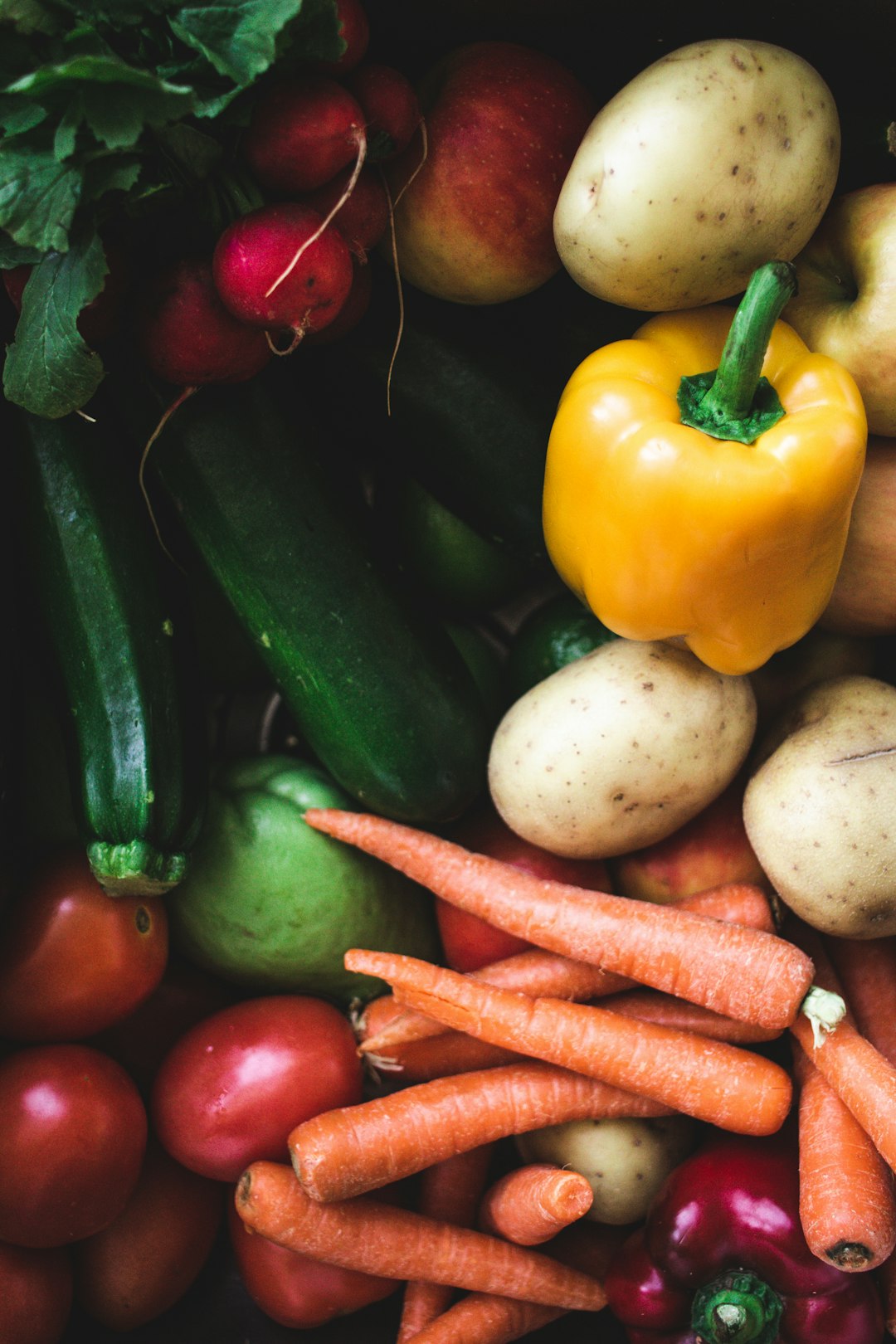
Photo by Marisol Benitez on Unsplash
If you have ever wondered why some meals leave you energized and light while others trigger bloating, fatigue, or cravings, the answer often begins in the gut. Digestive health influences far more than comfort after eating. It affects immunity, mood, metabolism, skin clarity, and even how easily your body can support weight loss. That is why so many people are turning to organic food as a smarter foundation for clean eating and long-term wellness. When you choose ingredients grown with fewer synthetic chemicals and build meals around whole foods, you give your digestive system a quieter, more supportive environment to do its job.
This is not about chasing a restrictive detox diet or following a short-lived trend. It is about creating a healthy lifestyle that supports your body every single day. Could your digestion improve if you swapped a few processed foods for organic vegetables, fermented foods, and fiber-rich meals? Most likely, yes. Could that simple shift also help you feel lighter, more satisfied, and more in control of your nutrition? Absolutely. The goal here is not perfection. It is to understand how organic food can support gut balance, what to eat, what to avoid, and how to build practical habits that make clean eating feel natural instead of complicated.
Why Gut Health Deserves a Place at the Center of Clean Eating
Gut health has become one of the most discussed topics in modern nutrition, and for good reason. Your digestive tract is home to trillions of microorganisms that influence digestion, nutrient absorption, and inflammation. When this ecosystem is balanced, you are more likely to experience regular digestion, stable energy, fewer cravings, and better resilience overall. When it is disrupted, you may notice bloating, gas, constipation, sluggishness, food sensitivities, or a persistent feeling that your body is simply not responding well to what you eat.
Clean eating is often described as eating mostly whole, minimally processed foods, and that approach naturally aligns with gut support. But not all healthy foods are created equal. Organic food can give clean eating an extra advantage because it reduces exposure to some pesticide residues and often encourages a more intentional relationship with food. Are you eating in a way that truly nourishes your gut, or are you simply avoiding junk while still missing key nutrients? That question matters more than many people realize.
The Gut-Brain Connection Shapes More Than Digestion
One reason digestive health matters so much is the connection between the gut and the brain. This pathway helps explain why stress can cause stomach pain, why poor sleep can disrupt digestion, and why a healthy meal can sometimes feel emotionally grounding. The gut produces and communicates with neurotransmitters that influence mood and appetite, which is why nutrition choices often affect mental clarity just as much as physical comfort.
When you prioritize organic food and clean eating, you are not just feeding your stomach. You are also supporting a system that helps regulate stress responses, cravings, and energy stability. Many people find that once their digestion improves, their appetite becomes easier to manage and their weight loss efforts feel less forced. That is not magic. It is biology working more efficiently.
What Poor Digestion Can Feel Like
Digestive discomfort does not always show up in dramatic ways. Sometimes it is subtle: waking up puffy, feeling heavy after lunch, needing coffee just to feel normal, or reaching for sugar soon after a meal. Other times it is more obvious, such as constipation, irregular bowel movements, reflux, or frequent bloating. These symptoms are signals, not inconveniences to ignore.
If your current eating pattern leaves you feeling tired or inflamed, your body may be asking for more nutrient density, more fiber, and fewer processed ingredients. An organic food approach can help simplify that shift because it focuses attention on fresh produce, whole grains, legumes, nuts, seeds, herbs, and clean protein sources instead of ultra-processed snacks and additives.
How Organic Food Supports a Healthier Digestive Environment
Organic food is often associated with pesticides, but its value goes beyond that. Choosing organic can be part of a broader clean eating strategy that emphasizes freshness, quality, and ingredient integrity. For digestive health, that matters because your gut responds to the overall quality of your meals, not just the calorie count.
Less Chemical Load, More Food Focus
When people build a healthy diet around organic produce and minimally processed ingredients, they often become more aware of what their food contains. This awareness naturally reduces the likelihood of eating products loaded with artificial sweeteners, excess sodium, unnecessary fillers, and refined oils that can interfere with digestion. While organic food is not automatically healthier in every case, it can make it easier to eat in a way that feels cleaner and more intentional.
Think about the difference between a packaged snack and a bowl filled with organic vegetables, olive oil, seeds, and a source of protein. The second option is not only more satisfying, but it also provides fiber and micronutrients that support healthy bowel function and a steadier blood sugar response. If you have ever tried to lose weight while feeling hungry all the time, you already know how important that balance is.
Why Fiber Works Better in Whole-Ingredient Meals
Fiber is one of the most important nutrients for gut health, and organic food makes it easier to increase your intake through fruits, vegetables, legumes, and whole grains. Soluble fiber helps feed beneficial microbes, while insoluble fiber adds bulk and supports regularity. Together, they help keep digestion moving and may reduce constipation and bloating over time.
But fiber works best when it is part of a well-rounded meal. For example, a salad made with organic leafy greens, roasted sweet potatoes, chickpeas, avocado, and pumpkin seeds can be far more helpful than a fiber supplement taken with a highly processed lunch. Why? Because food delivers a combination of nutrients, antioxidants, and texture that the gut recognizes and uses efficiently.
The Role of Freshness in Nutrition Quality
Fresh organic produce often tastes better, but it also encourages better eating habits. When vegetables and fruits are appealing, you are more likely to eat them regularly. And regular intake is what supports nutrition consistency. A single healthy meal will not transform your digestion, but repeated choices can create a meaningful shift over time.
Freshness matters because some nutrients degrade over time, and ingredients that sit too long can lose flavor, texture, and appeal. That is one reason a practical organic food routine often works better than complicated detox diet rules. The more enjoyable your meals are, the more sustainable your healthy lifestyle becomes.
The Best Organic Foods for Gut Health
Not every organic food has the same digestive benefits, so it helps to know which ingredients deserve a regular place on your plate. The following foods are especially useful for supporting gut balance, reducing digestive strain, and making clean eating feel satisfying rather than restrictive.
1. Organic Fermented Foods
Fermented foods are among the most valuable additions to a gut-friendly diet because they contain beneficial bacteria and compounds that can support microbial diversity. Organic options are especially appealing because they often align with a simpler, cleaner ingredient profile.
- Organic yogurt with live cultures
- Kefir made from organic milk
- Sauerkraut with minimal added ingredients
- Kimchi made from organic vegetables
- Miso used in soups or dressings
Start slowly if you are new to fermented foods. A few spoonfuls at a time may be enough at first. Too much too soon can create discomfort, especially for people with sensitive digestion. Have you noticed how your body responds to fermented foods? That feedback is valuable. Pay attention to it.
2. Organic Leafy Greens and Cruciferous Vegetables
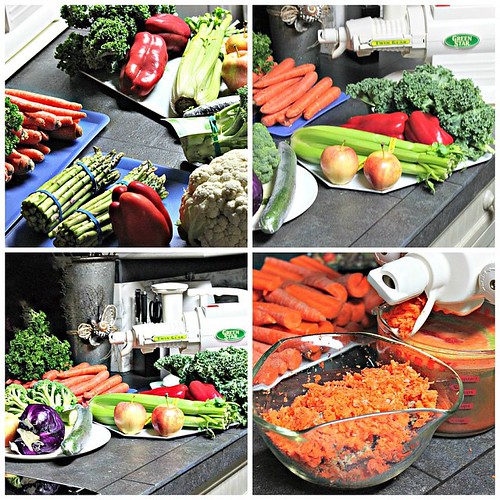
Organic vegetables such as spinach, kale, arugula, broccoli, cauliflower, cabbage, and Brussels sprouts offer fiber, antioxidants, and a wide spectrum of vitamins. They also support healthy detoxification pathways in the body, which is why they are often included in a detox diet or clean eating plan. The key is not to overcomplicate them. Light steaming, roasting, or tossing them into soups can make them easier to digest while preserving much of their nutritional value.
[IMAGE: organic vegetables]
For those pursuing weight loss, these vegetables are especially helpful because they add volume without excessive calories. That makes meals more filling and supports appetite control. When your plate is full of colorful vegetables, you are less likely to overeat refined starches or sugary foods later in the day.
3. Prebiotic-Rich Foods
Prebiotics are the fibers that feed beneficial gut bacteria. They are essential if you want a healthy microbiome rather than simply adding probiotics without nourishment. Organic foods rich in prebiotics include:
- Garlic
- Onions
- Leeks
- Asparagus
- Bananas that are slightly green
- Oats
- Apples with the skin on
These foods help create an environment where beneficial bacteria can thrive. That matters because the microbiome needs fuel just like the rest of the body. If your diet is low in plant diversity, your gut may not get the variety it needs to stay resilient. Could adding two or three of these foods each day make a difference? For many people, the answer is yes.
4. Healthy Fats That Soothe and Satisfy
Healthy fats are often underestimated in digestive wellness, but they help support satiety, hormone balance, and the absorption of fat-soluble vitamins. Organic avocados, extra virgin olive oil, chia seeds, flaxseeds, walnuts, and hemp seeds can all fit beautifully into a gut-supportive meal plan.
These fats also help prevent meals from feeling too light or unsatisfying, which is important if you are trying to maintain energy while focusing on weight loss. A small amount of fat can make a bowl of vegetables, grains, and protein much more balanced. That balance is the backbone of sustainable clean eating.
5. Gentle Protein Sources
Protein supports repair, satiety, and steady blood sugar, all of which matter for digestive health. Organic eggs, wild-caught fish, organic poultry, tempeh, lentils, and beans are excellent options. If you are sensitive to heavy meals, choose easier-to-digest preparations such as poached eggs, baked fish, slow-cooked legumes, or tofu added to soup.
Protein should not leave you feeling overly full or sluggish. The best choices are those that work with your digestion instead of against it. This is why meal quality matters so much in a healthy lifestyle plan. It is not only about what looks nutritious on paper; it is about how your body experiences the meal.
How to Build a Gut-Friendly Plate Every Day
One of the simplest ways to improve digestion is to stop thinking in terms of isolated foods and start building balanced plates. A gut-friendly plate gives your body fiber, protein, healthy fats, and hydration through food. This balance can make meals more stable, reduce sugar cravings, and support more consistent energy throughout the day.
The Core Formula
- Half the plate: organic vegetables or salad greens
- One quarter: clean protein source
- One quarter: whole grain or starchy vegetable
- Small addition: healthy fat and herbs
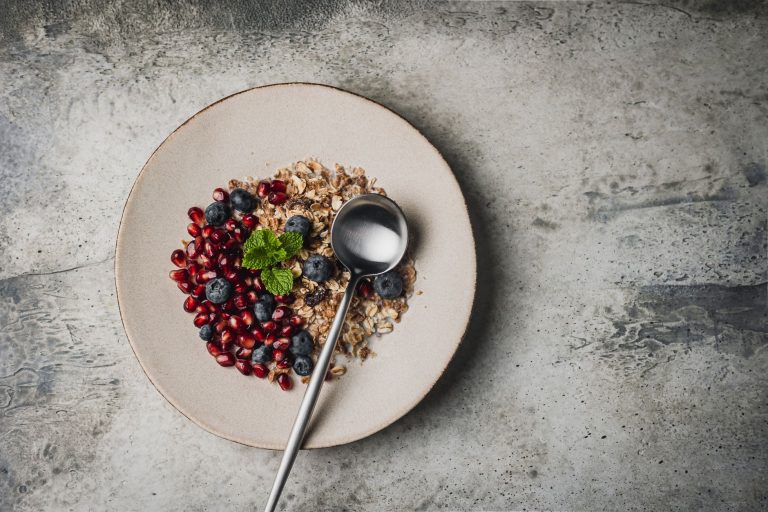
This formula works because it helps prevent the blood sugar spikes and crashes that can worsen cravings and upset digestion. A breakfast of organic oats with chia seeds, berries, and plain yogurt can be far more supportive than a sweet pastry, even if both are eaten quickly on a busy morning. Why settle for temporary satisfaction when a more nourishing meal can keep you steady for hours?
Breakfast Ideas That Support Digestion
Breakfast does not have to be large, but it should be meaningful. If you skip breakfast and then overeat later, your digestion may feel chaotic. If you start with a balanced meal, you are more likely to feel clear and in control.
- Organic yogurt with berries, flaxseed, and walnuts
- Oatmeal topped with banana, cinnamon, and chia seeds
- Vegetable omelet with avocado and herbs
- Smoothie with spinach, cucumber, kefir, and a scoop of protein
Lunch and Dinner Ideas That Feel Light but Satisfying
For lunch and dinner, aim for meals that are flavorful without being heavy. The more rushed or overly rich a meal is, the more likely it is to cause discomfort. Simple combinations often work best.
- Roasted organic vegetables with quinoa and grilled salmon
- Lentil soup with leafy greens and olive oil
- Chicken bowl with brown rice, cucumber, carrot, and tahini
- Tofu stir-fry with broccoli, ginger, and sesame seeds
[IMAGE: healthy meal]
A Sample One-Day Organic Gut-Support Menu
Morning: Warm oatmeal with organic blueberries, cinnamon, and ground flaxseed
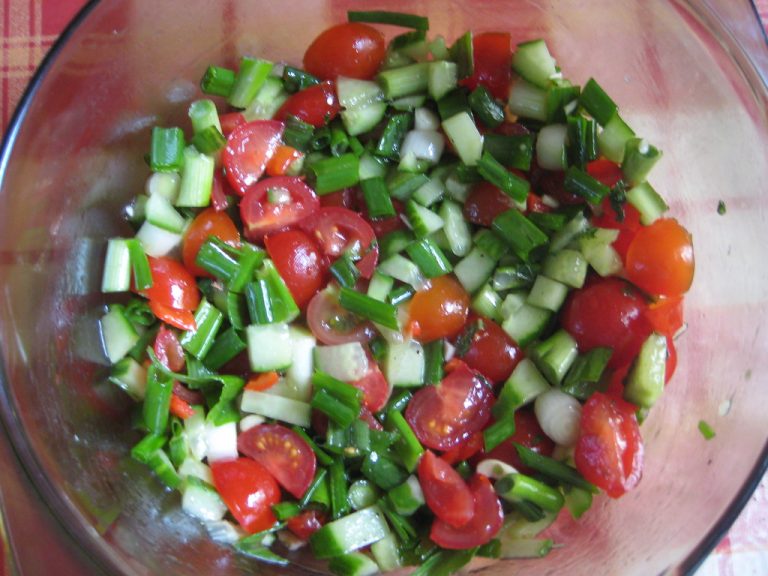
Midday: Salad with kale, chickpeas, avocado, grated carrots, pumpkin seeds, and olive oil dressing
Afternoon: Plain kefir or a small apple with almond butter
Evening: Baked wild salmon, steamed broccoli, and quinoa with herbs
This style of eating is not extreme, but it is powerful. It supports a calm digestive rhythm while giving you enough nourishment to stay satisfied. That is one of the reasons organic food works so well in a healthy lifestyle framework: it encourages consistency without obsession.
Foods That Can Undermine Gut Comfort, Even in a
About the Author

About the Author