Soba Noodle Salad with Grapefruit and Peanut Dressing
This chilled noodle salad combines nutty buckwheat soba with juicy grapefruit segments, crunchy vegetables and a creamy peanut-lime dressing that has just a little heat. It is fresh and bright enough for warm days, but it also cheers up a winter lunch when citrus is at its best.
Soba cooks in just a few minutes, and the salad holds up well in the fridge, so it makes a good packed lunch. Everything is dressed in a sauce made from pantry staples: peanut butter, soy sauce, rice vinegar, lime, ginger and a touch of maple syrup.
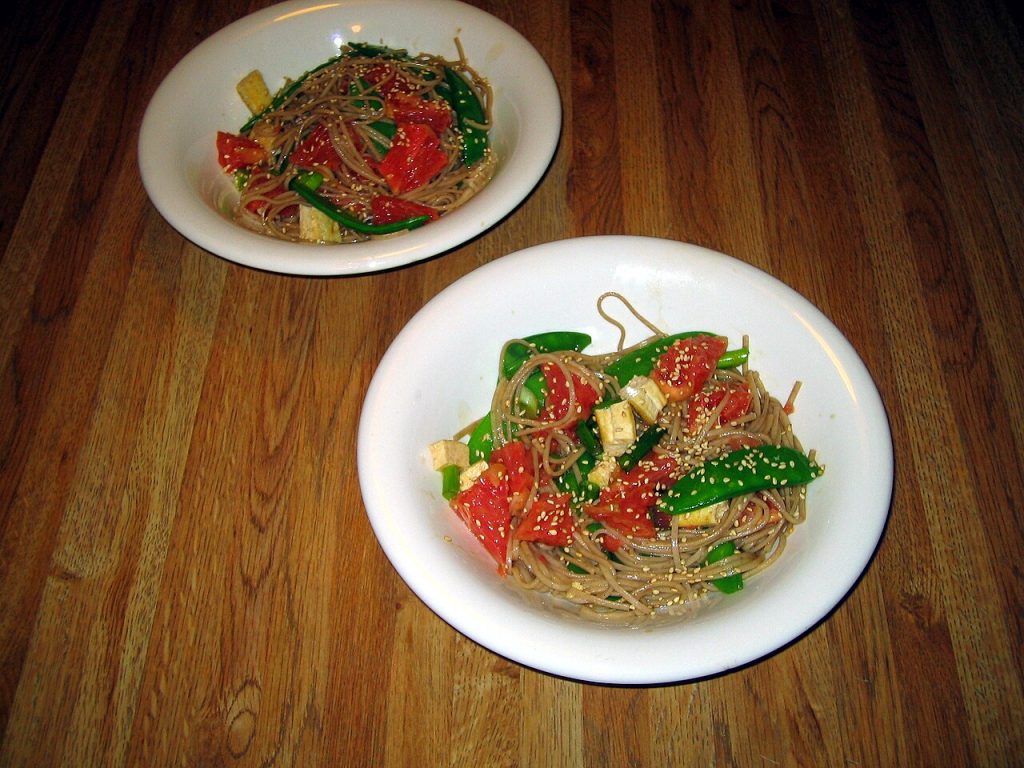
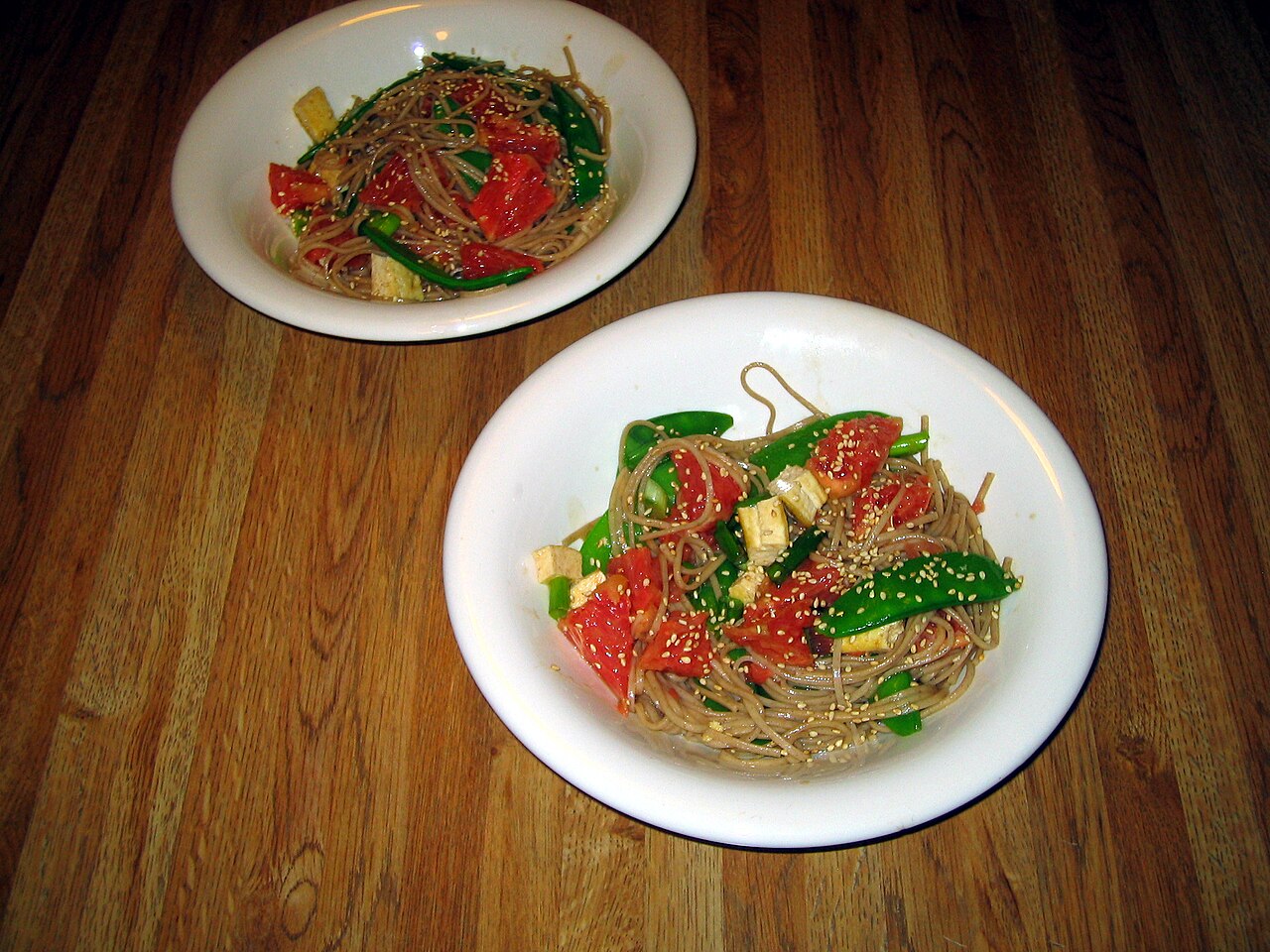
Soba Noodle Salad with Grapefruit and Peanut Dressing
Ingredients
Method
- Bring a large pot of water to a boil. Cook the soba according to the package, usually 4–5 minutes, stirring occasionally so the noodles do not stick.
- Drain the noodles in a colander and rinse them under cold running water, rubbing them gently with your hands to remove the surface starch. Drain well.
- In a bowl, whisk the peanut butter, soy sauce, rice vinegar, lime juice, maple syrup, sesame oil, ginger, garlic and chili flakes. Add warm water a tablespoon at a time until the dressing is pourable.
- Over a bowl, cut the grapefruit into segments, removing the membranes. Squeeze any leftover juice from the membranes into the dressing.
- Toss the noodles with the bell pepper, edamame, carrots, scallions and most of the dressing.
- Top with the grapefruit segments, cilantro and chopped peanuts, and drizzle with the remaining dressing.
Notes
- Rinsing the soba well is essential; it keeps the noodles from turning gummy.
- Add the grapefruit at the end so its juice does not water down the dressing.
A few words on soba
Soba noodles are Japanese buckwheat noodles. Despite the name, buckwheat is not related to wheat, but most supermarket soba also contains wheat flour to hold the noodles together. If you need a gluten-free salad, look for packages labeled 100 percent buckwheat, and use tamari instead of soy sauce.
Soba has a gentle, earthy flavor that stands up to bold dressings. It is traditionally served cold, which is exactly why it works so well in a make-ahead salad.
How to segment a grapefruit
Slice off the top and bottom of the grapefruit so it stands flat. Following the curve of the fruit, cut away the peel and white pith in strips from top to bottom. Then, holding the fruit over a bowl, slide a small sharp knife along both sides of each membrane to release the segments.
If you are short on time, peel the grapefruit and pull it apart into sections by hand, then cut them into bite-size pieces. Oranges, mandarins or pomelo all work in the same way.
Getting the dressing right
Natural peanut butter, made with just peanuts and salt, gives the cleanest flavor. If yours is very thick, warm water helps whisk it smooth. The dressing should be about as thick as heavy cream; it will thicken as it sits on the cold noodles.
Taste and adjust before tossing. You want a balance of salty, sour, sweet and nutty. More lime brightens it, more maple softens the heat, and a little extra soy deepens the flavor.
Packing it ahead
For lunches, toss the noodles with a little dressing and the vegetables, then pack the grapefruit, peanuts and extra dressing separately. The noodles soak up sauce as they sit, so a fresh drizzle before eating makes a big difference. Grilled tofu, shredded chicken or shrimp all make good additions if you want more protein.
Adding more vegetables
This salad is flexible. Thinly sliced cucumber, shredded red cabbage, snap peas, radishes or blanched broccoli all fit right in, as do herbs like mint and Thai basil. Choose vegetables with crunch and color, cut them into thin strips about the length of a matchstick so they mix evenly with the noodles, and add a handful of baby spinach or arugula for extra greens. Avoid watery vegetables like tomatoes, which dilute the dressing.
Variations and swaps
- Use almond butter or tahini instead of peanut butter.
- Swap the grapefruit for orange segments or mango.
- Replace the soba with rice noodles or whole wheat spaghetti.
- Use shredded red cabbage or cucumber in place of the bell pepper.
Storing and reheating
Refrigerate the dressed noodle salad in a covered container for up to 3 days. Keep the grapefruit and peanuts separate so the peanuts stay crunchy. If the noodles absorb all the dressing, loosen with a squeeze of lime and a splash of soy sauce.
Questions readers ask
Is soba gluten-free?
Only if it is made with 100 percent buckwheat flour. Many brands include wheat, so check the label.
Can I serve it warm?
Yes, toss freshly drained noodles with the dressing and vegetables, then add the grapefruit just before serving.
Why are my noodles sticky?
They need a thorough rinse in cold water after cooking to wash away the starch.
This recipe is for general cooking information only and is not medical or nutrition advice. See our Disclaimer and Image Credits.