Custardy French Toast with Cinnamon and Vanilla
Good French toast is golden and slightly crisp on the outside and soft and custardy in the middle, never soggy or dry. The secret is a rich egg and milk mixture, thick slices of slightly stale bread, and patience: a few minutes of soaking and moderate heat so the inside cooks through before the outside browns.
It is an easy weekend breakfast that turns everyday ingredients into something special. Serve it with maple syrup and fresh fruit, a dusting of powdered sugar, or a spoonful of yogurt and berries.
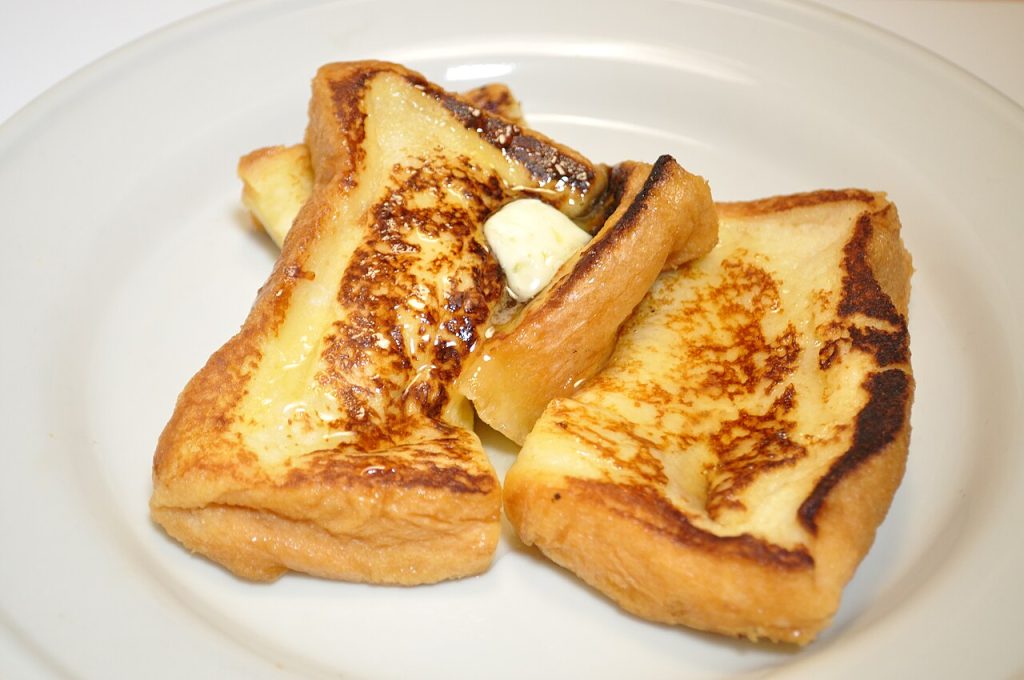
Why stale bread works best
Fresh, soft bread is full of moisture, so it cannot absorb much custard and tends to turn soggy and fall apart. Bread that is a day or two old has dried out slightly, so it soaks up the egg mixture like a sponge while keeping its structure. If your bread is fresh, lay the slices on a rack for a few hours, or dry them in a 300°F (150°C) oven for about 10 minutes.
Brioche and challah are rich, eggy breads that make a particularly tender, custardy French toast. A good sourdough or country loaf gives a heartier, chewier result with a pleasant tang.
Getting the custard ratio right
Too much egg and the toast tastes like an omelet; too much milk and it never sets in the middle. About one egg for every quarter cup of milk gives a custard that is rich enough to set but still soft. Whisk it thoroughly so no streaks of egg white cook onto the outside of the bread.
Adding a little maple syrup or sugar to the custard helps the outside caramelize and brown, while a pinch of salt sharpens the other flavors.
Controlling the heat
The most common mistake with French toast is cooking it too hot. The outside browns quickly while the center stays wet. Medium heat, or medium-low for thick slices, gives the custard time to cook through. The butter should sizzle gently when the bread goes in but should not smoke.
A nonstick or well-seasoned cast-iron skillet makes flipping easy. Wipe the pan out between batches if the butter starts to darken.
Making it for a crowd
Cooking batch after batch at the stove can keep the cook from sitting down. Keeping finished slices on a rack in a low oven solves that problem and helps them stay crisp. For a bigger group, a baked French toast casserole is an easy option: arrange cubed bread in a baking dish, pour the custard over it, refrigerate overnight and bake in the morning at 350°F (175°C) for 40 to 45 minutes.
Topping ideas
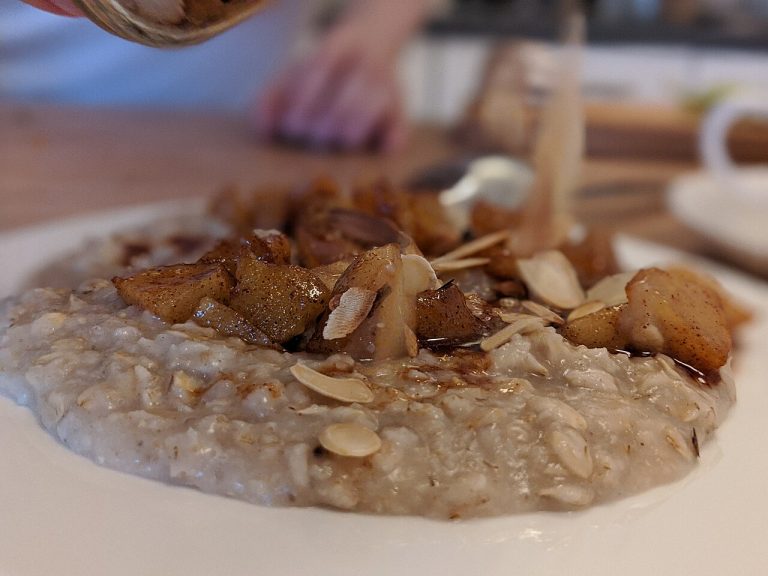
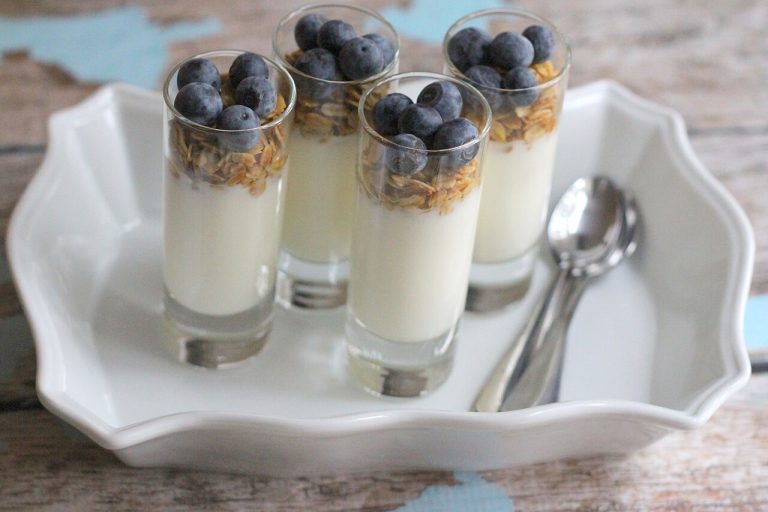
Maple syrup and butter are classic. For something fresher, try sliced strawberries, blueberries and a dollop of Greek yogurt. Sauteed apples or pears with cinnamon are lovely in the fall. A little lemon zest and powdered sugar, or a smear of nut butter with banana slices, are also excellent.
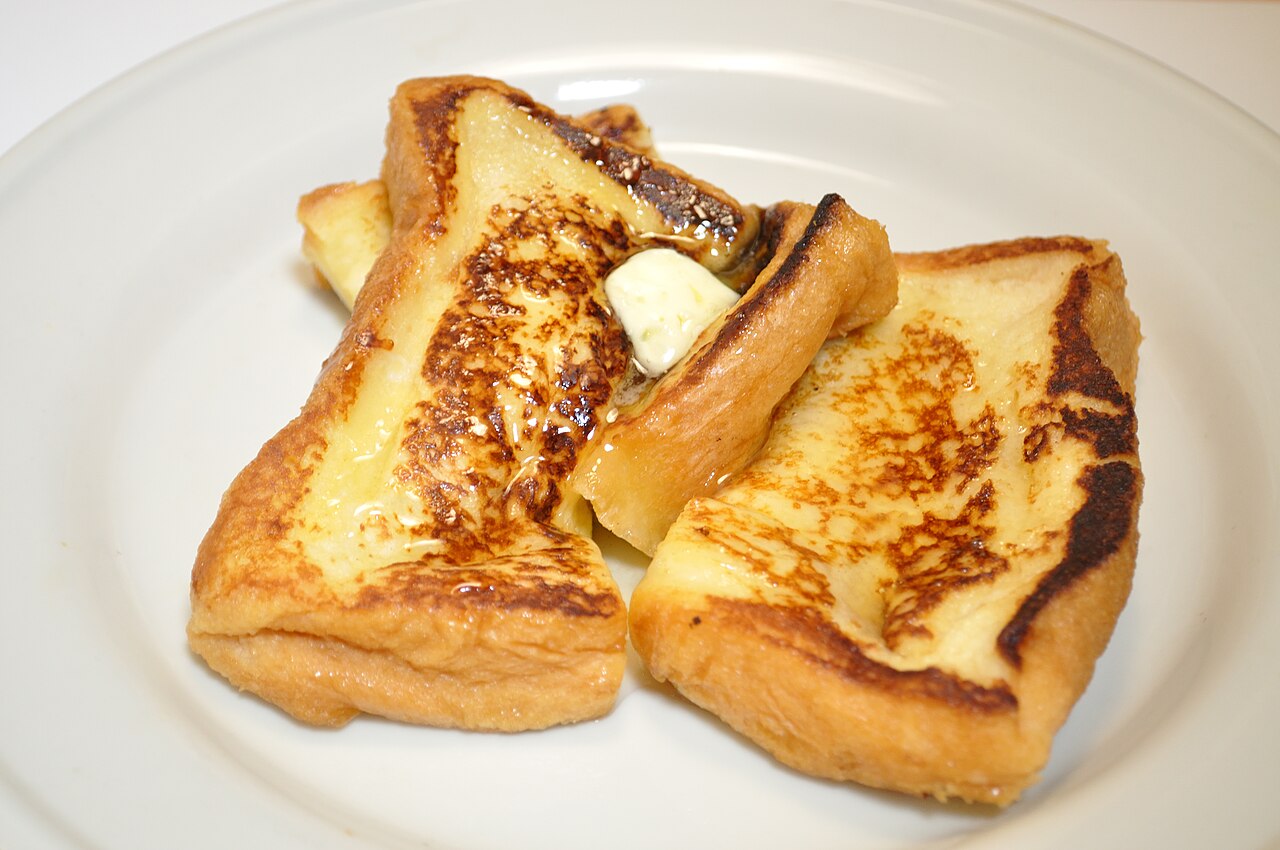
Custardy French Toast with Cinnamon and Vanilla
Ingredients
Method
- Whisk the eggs in a wide, shallow dish until no streaks of white remain. Whisk in the milk, maple syrup, vanilla, cinnamon, nutmeg and salt.
- Heat the oven to 200°F (95°C) and place a baking sheet with a rack inside to keep the finished toast warm.
- Heat a large skillet or griddle over medium to medium-low heat and melt a little butter.
- Dip two slices of bread at a time into the custard, letting each side soak for 15–30 seconds, depending on how dense the bread is. Let any excess drip off.
- Cook the slices for 3–4 minutes per side, until deep golden brown and slightly puffed. Adjust the heat if they brown too quickly.
- Transfer to the oven while you cook the rest, adding butter to the pan as needed. Serve warm with your favorite toppings.
Notes
- Stale or lightly toasted bread absorbs custard without falling apart.
- Medium heat lets the center set before the outside burns.
Storage
Cool leftover French toast, then refrigerate in a covered container for up to 3 days. Reheat in a toaster or a 350°F (175°C) oven until hot and crisp. To freeze, lay slices on a tray until firm, then transfer to a freezer bag for up to 2 months and reheat straight from frozen.
Substitutions
- Use oat, almond or soy milk for a dairy-free version, and oil instead of butter.
- Use gluten-free bread; let it dry slightly and soak briefly.
- Swap the cinnamon for cardamom or pumpkin pie spice.
- Add a little orange zest to the custard for a brighter flavor.
Common questions
Why is my French toast soggy?
The bread may have been too fresh, soaked too long, or cooked over heat that was too high, leaving the inside raw.
Can I prepare the custard ahead?
Yes, whisk it the night before and keep it covered in the fridge. Whisk again before dipping.
What is the best bread to use?
Brioche or challah for a rich, custardy result; sourdough or a country loaf for a heartier version.
This recipe is for general cooking information only and is not medical or nutrition advice. See our Disclaimer and Image Credits.