
Photo by stevepb on Pixabay
If you have ever felt bloated after a meal, sluggish by midafternoon, or frustrated by unpredictable digestion, you are not alone. Many people search for a healthier lifestyle by changing calories, workouts, or meal timing, yet the real turning point often begins in the gut. The foods you choose every day can shape digestion, nutrient absorption, energy levels, immune balance, and even how comfortably your body maintains weight. That is why organic food has become such a powerful part of modern clean eating. When your plate is built with the right ingredients, a healthy diet becomes less about restriction and more about nourishment, rhythm, and results. Could the path to better digestion and easier weight management really start with what you buy at the market? For many people, the answer is yes.
Gut health is more than a wellness trend. It is the foundation of how your body processes food, reduces inflammation, and responds to stress. A well-chosen organic food routine can support a gentler detox diet, feed beneficial bacteria, and reduce the digestive burden caused by heavily processed meals. The result is not only a calmer stomach but also a stronger metabolism, steadier energy, and a more sustainable approach to weight loss. If you want a plan that feels realistic, elegant, and practical, this guide will show you how to use organic foods to support your gut without turning daily eating into a complicated project.
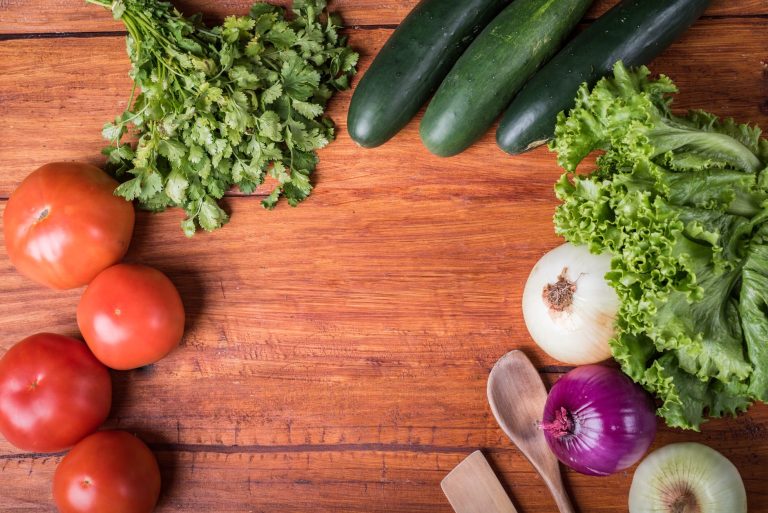
[IMAGE: organic vegetables]
Why Gut Health Matters More Than You Think
Your gut does much more than break down food. It acts like a highly intelligent control center for your body. Inside the digestive tract live trillions of microorganisms that influence nutrient uptake, immune response, hormone signaling, and inflammation. When this ecosystem is balanced, you are more likely to experience comfortable digestion, regular bowel movements, better energy, and fewer cravings. When it is strained, the signs are often hard to ignore: bloating, gas, constipation, loose stools, sugar cravings, fatigue, or a feeling that your healthy diet is not working as well as it should.
This is where organic food can make a meaningful difference. Clean eating is not just about avoiding junk food. It is about choosing foods with fewer synthetic pesticide residues, fewer additives, and more natural nutritional density. While organic food is not a magic cure, it can be a smart support system for anyone who wants to reduce unnecessary digestive stress. Why feed a sensitive system with ingredients that make its job harder?
The Gut-Weight Connection
Healthy digestion influences weight in several important ways. First, it helps your body absorb protein, minerals, and vitamins efficiently, which supports muscle repair and metabolic function. Second, a balanced gut can help regulate appetite hormones, making it easier to recognize fullness. Third, inflammation in the digestive tract can contribute to water retention, cravings, and the feeling that weight loss has stalled. When your gut works well, your body often feels lighter, calmer, and more responsive to a clean eating routine.
This does not mean every digestive issue is solved by food alone. Stress, sleep, hydration, medications, and medical conditions all matter. Still, nutrition is one of the most accessible places to begin. A healthy lifestyle built on organic food, smart hydration, and regular movement can create an environment where your gut has room to recover and perform more efficiently.
What Makes Organic Food Helpful?
Organic foods are produced according to standards that limit synthetic pesticides, genetically modified ingredients, and many artificial inputs. For people focusing on gut health, this can matter in several ways:
- They may reduce exposure to residues that some people prefer to avoid during a detox diet or clean eating phase.
- They often encourage a more whole-food approach, which naturally increases fiber and nutrient intake.
- They can make it easier to build meals around real ingredients instead of processed substitutes.
- They support a mindful eating pattern that feels aligned with a long-term healthy lifestyle.
Of course, organic food is most valuable when it is part of a balanced nutrition strategy. A package labeled organic is not automatically healthy if it is full of added sugar or ultra-processed ingredients. The goal is to think bigger than the label and focus on the whole meal.
The Best Organic Foods for Gut Health
To support digestion, you need foods that feed beneficial bacteria, calm inflammation, and provide fiber, water, and key nutrients. The good news is that many of the most effective gut-friendly foods are simple, affordable, and easy to prepare. Here are the standouts worth prioritizing.
1. Organic Leafy Greens
Spinach, kale, arugula, Swiss chard, and romaine lettuce are nutrient-rich staples that can fit into almost any healthy diet. They supply magnesium, folate, vitamin C, and fiber, all of which help support digestion and cellular repair. Leafy greens are especially valuable in a clean eating plan because they create volume on the plate without feeling heavy.
Try them in salads, warm sautés, soups, and smoothies. If you are building a gentle detox diet, leafy greens are one of the easiest ways to add freshness without overwhelming the stomach.
2. Organic Cruciferous Vegetables
Broccoli, cauliflower, Brussels sprouts, and cabbage are among the most talked-about vegetables for a reason. They contain plant compounds that support liver function and digestive balance, while also providing prebiotic fiber that helps feed the microbiome. When cooked properly, they can be deeply satisfying and supportive for weight loss because they are filling without being overly calorie dense.
How to make them easier to digest
Some people find cruciferous vegetables gassy at first. That does not mean they are bad for you. Start with smaller portions, steam them lightly, and pair them with olive oil, lemon, or herbs. This simple adjustment can make a large difference in comfort.
3. Organic Berries
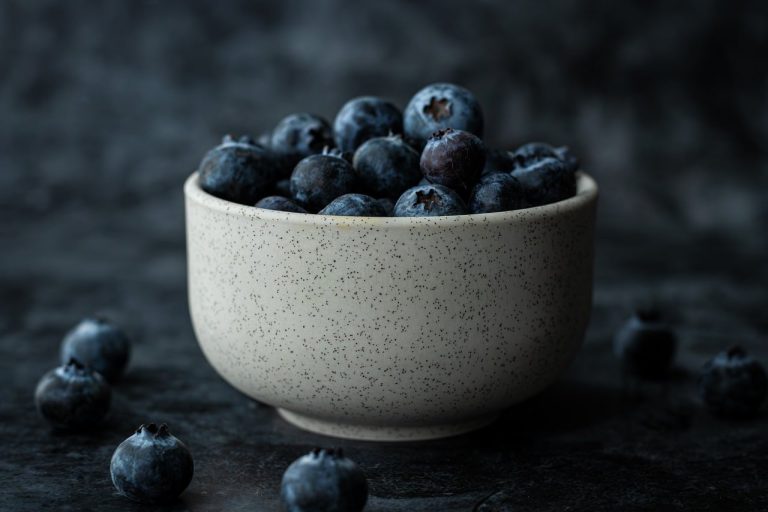
Blueberries, raspberries, blackberries, and strawberries are excellent choices for gut health because they are rich in antioxidants and fiber. Their natural sweetness helps satisfy cravings without the sugar crash associated with many processed snacks. They also fit beautifully into breakfast bowls, yogurt parfaits, and healthy meal prep containers.
Berries are especially smart if weight loss is one of your goals. They can make a clean eating plan feel more enjoyable, which matters because the best nutrition strategy is the one you can actually maintain.
4. Organic Fermented Foods
Fermented foods are a cornerstone of gut-friendly eating. Organic yogurt, kefir, sauerkraut, kimchi, miso, and tempeh can help introduce beneficial bacteria and support microbial diversity. Not every fermented food contains live cultures, so check labels carefully. Look for options that are minimally processed and lower in added sugar and sodium.
A few spoonfuls can go a long way. You do not need to overdo fermented foods to benefit from them. In fact, a gradual approach is usually easier on the digestive system.
5. Organic Apples and Pears
Apples and pears are excellent sources of soluble fiber, especially pectin, which helps support healthy bowel movements and feeds beneficial bacteria. Their crisp texture makes them a satisfying snack, and they pair well with nut butter, seeds, or plain yogurt. If you are searching for organic snacks that support a healthy lifestyle, these fruits deserve a place on your list.
For people sensitive to raw fruit, lightly stewed apples or pears can be easier to tolerate. That small shift can make a big difference when your digestive system feels delicate.
6. Organic Oats and Whole Grains
Organic oats, quinoa, brown rice, and millet provide steady energy and valuable fiber. Oats are particularly helpful because they contain beta-glucan, a type of soluble fiber linked to healthier cholesterol levels and improved satiety. A bowl of warm oats with berries and seeds can be a powerful breakfast for energy, digestion, and controlled appetite.
If weight loss is a goal, whole grains can still belong on the menu. The key is portion awareness and pairing them with protein, healthy fats, and vegetables so they support fullness rather than spike hunger later in the day.
7. Organic Seeds and Nuts
Chia seeds, flaxseeds, pumpkin seeds, walnuts, almonds, and hemp seeds offer fiber, minerals, and healthy fats. Chia and flax, in particular, can support regularity because they absorb water and add bulk to the digestive process. They are small but powerful additions to smoothies, yogurt, oatmeal, and salads.
Because nuts and seeds are calorie dense, moderation matters. A small handful or one to two tablespoons is often enough to provide benefits without going overboard.
8. Organic Ginger, Mint, and Herbal Teas
While not food in the traditional sense, these ingredients are invaluable for digestive comfort. Ginger may help settle nausea and support motility, while mint can feel soothing after meals. Herbal teas made from fennel, chamomile, or ginger offer a simple, warm ritual that fits beautifully into a detox diet or clean eating routine.
What could be more appealing than ending a meal with a calming cup that supports digestion and helps you slow down?
Foods That Can Disrupt Gut Health
A clean eating plan is easier to follow when you know what to limit. You do not need to fear food, but awareness is helpful. Some items can irritate digestion, feed cravings, or make a weight loss plan harder to sustain. Pay attention to how your body responds to these common triggers:
- Highly processed snacks with long ingredient lists
- Excess added sugar and sugary drinks
- Refined flour products with little fiber
- Deep-fried foods that feel heavy and slow to digest
- Artificial sweeteners that may upset sensitive stomachs
- Excess alcohol, especially when paired with salty or greasy foods
Sometimes the issue is not one specific food but the pattern. A few unbalanced meals will not ruin your healthy lifestyle, but a consistent cycle of processed food can make it harder for your gut to reset. If you have ever wondered why you feel better on vacation eating simpler meals, the answer is often found in ingredient quality and meal structure.
How to Build a Gut-Friendly Organic Plate
One of the most effective ways to support digestion is to stop thinking in terms of dieting and start thinking in terms of balance. A good plate does not need to be complicated. It only needs to be intentional. A visually balanced meal can help you meet your nutrition goals while keeping the digestive system comfortable.
The simple plate formula
- Half the plate: organic vegetables, especially leafy greens, zucchini, cucumber, carrots, broccoli, or cooked squash
- One quarter of the plate: organic protein such as eggs, tofu, lentils, beans, fish, chicken, or Greek yogurt
- One quarter of the plate: organic whole grains or starchy vegetables such as quinoa, brown rice, oats, sweet potato, or pumpkin
- One to two tablespoons: healthy fats such as olive oil, avocado, seeds, or nuts
This format helps stabilize blood sugar, support satiety, and reduce the urge to overeat later. It is also flexible enough to fit breakfast, lunch, and dinner. In other words, it works in real life, not just in theory.
Meal timing matters too
Some people feel their digestion improves when they eat at consistent times. Large late-night meals, skipped breakfasts, or irregular snacking can confuse hunger cues and make bloating worse. If your goal is healthy weight management, try eating meals that are balanced and spaced in a way that feels calm rather than chaotic. Your gut tends to appreciate predictability.
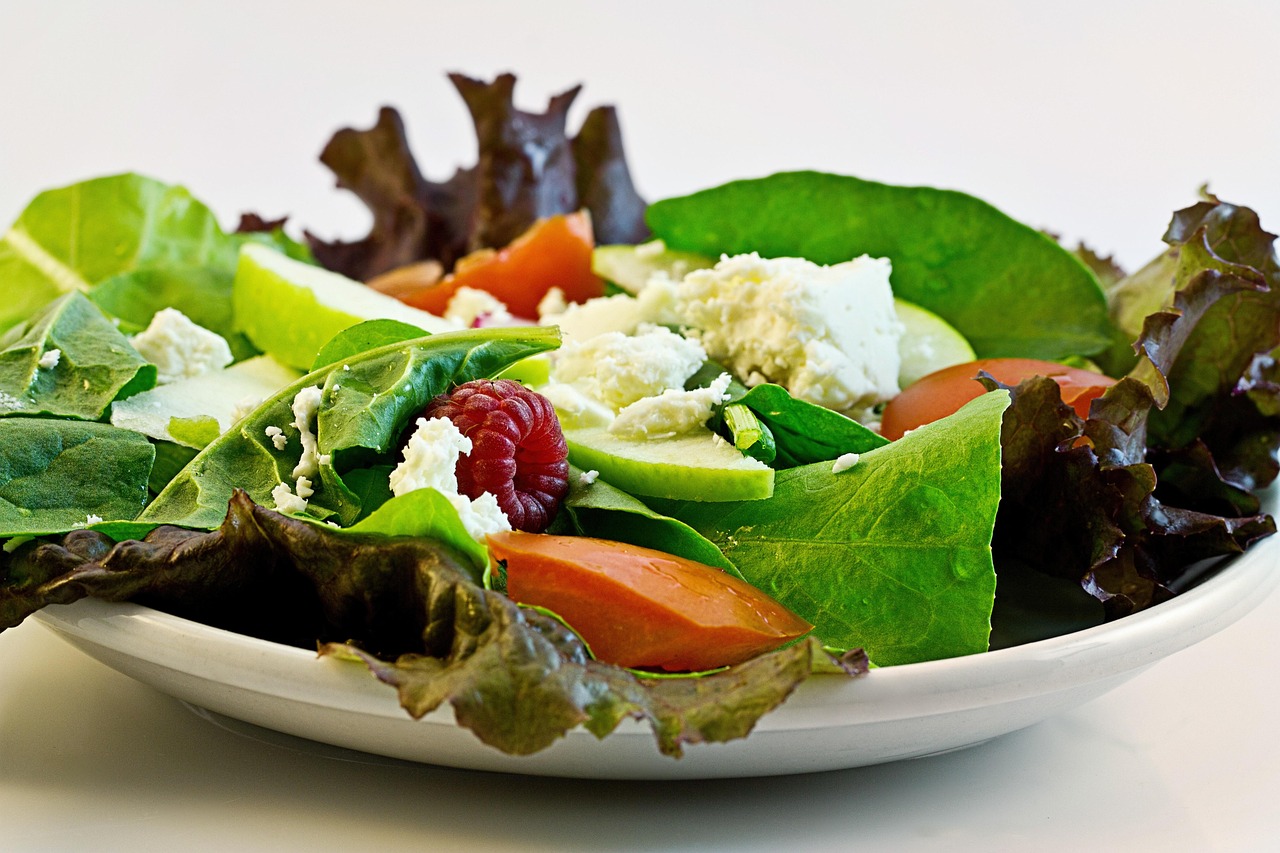
[IMAGE: healthy meal]
Organic Meal Ideas That Support Digestion and Energy
Healthy eating becomes easier when you have ideas you actually want to repeat. The following meal combinations are simple, nourishing, and adaptable. They are also the kind of meals that make clean eating feel enjoyable instead of restrictive.
Breakfast ideas
- Organic oats with blueberries, chia seeds, and cinnamon
- Plain organic yogurt topped with raspberries, walnuts, and flaxseed
- Scrambled eggs with spinach, mushrooms, and avocado
- Smoothie with kale, banana, ginger, almond butter, and unsweetened kefir
Lunch ideas
- Quinoa bowl with roasted vegetables, chickpeas, and olive oil dressing
- Mixed greens with grilled salmon, cucumber, seeds, and lemon vinaigrette
- Lentil soup with carrots, celery, herbs, and a side salad
- Brown rice bowl with tofu, steamed broccoli, and sesame dressing
Dinner ideas
- Baked cod with roasted sweet potatoes and sautéed spinach
- Turkey or bean chili with cabbage slaw
- Vegetable stir-fry with tempeh and brown rice
- Stuffed bell peppers with quinoa, herbs, and organic vegetables
Snack ideas
- Apple slices with almond butter
- Organic yogurt with cinnamon
- Carrot sticks with hummus
- Pumpkin seeds and a small handful of berries
Do these options feel too simple? That simplicity is the point. When the body is nourished consistently, digestion often becomes smoother and cravings become easier to manage. The most effective nutrition plan is rarely the most complicated one.
How Organic Foods Support a Natural Detox Diet
The phrase detox diet is often misunderstood. Your body already has detoxification systems working every day through the liver, kidneys, intestines, skin, and lungs. You do not need extreme cleanses or juice-only plans to support those systems. What you do need is a steady supply of fiber, water, micronutrients, and anti-inflammatory foods. That is where organic food fits in beautifully.
A practical detox diet built around clean eating might include more leafy greens, berries, cruciferous vegetables, herbs, citrus, and hydrating foods such as cucumber and zucchini. It would also reduce the load of ultra-processed snacks and sugary drinks that can interfere with stable energy and digestive comfort. Rather than chasing a quick fix, the real goal is to reduce the burden on your body and give it what it needs to do its job well.
Supportive habits for a gentler detox routine
- Drink water consistently throughout the day
- Add lemon, cucumber, or mint to make hydration more appealing
- Eat enough fiber from vegetables, fruit, seeds, and whole grains
- Walk after meals when possible to support circulation and digestion
- Prioritize sleep, because recovery affects gut balance more than many people realize
When these habits work together, your digestive system has a better chance to feel lighter and more resilient. You may not notice dramatic changes overnight, but over time, the results can be substantial.
Common Organic Diet Mistakes That Can Upset Digestion
Even a nutrient-rich plan can fall short if it is not balanced. Many people start with good intentions and still experience bloating, fatigue, or stalled weight loss because of a few avoidable mistakes. If you are serious about making organic food part of your healthy lifestyle, keep these pitfalls in mind.
1. Assuming organic automatically means healthy
Organic cookies are still cookies. Organic soda is still soda. Food quality matters, but so does the overall nutritional profile. A healthy diet depends on whole foods, not just better labeling.
2. Eating too little fiber
Some people focus on protein and forget about plants. Without enough fiber, digestion can slow down and the gut microbiome may lose the support it needs. Include vegetables, fruit, legumes, nuts, seeds, and whole grains consistently.
3. Skipping protein
Protein helps stabilize appetite and supports muscle maintenance, which matters for weight loss and metabolic health. A clean eating plan should include satisfying protein at most meals.
4. Overloading on raw foods
Raw vegetables are healthy, but too much raw fiber can be hard on a sensitive stomach. If bloating is a problem, try more cooked meals. Warm soups, roasted vegetables, and lightly steamed greens can be much easier to digest.
5. Not chewing enough
Digestion begins in the mouth. Eating quickly and swallowing large bites can create unnecessary strain. Slow down. Put the fork down between bites. This small habit often improves comfort more than people expect.
A One-Day Organic Food Routine for Gut Support
If you are unsure how to start, use a simple day of eating as a model. You do not need perfection. You need a structure that feels repeatable. This example shows how organic foods can support digestion from morning to evening.
Morning
Start with warm water or herbal tea. Then have organic oats with blueberries, chia seeds, and a spoonful of yogurt. This combination provides fiber, probiotics, and steady energy without heaviness.
Midday
Choose a quinoa bowl with leafy greens, roasted vegetables, chickpeas, and olive oil dressing. Add a piece of fruit if you want something sweet. This meal supports fullness while staying aligned with a healthy diet.
Afternoon
For a snack, try an apple with almond butter or carrots with hummus. A small, balanced snack can prevent the dramatic hunger that often leads to overeating later.
Evening
Have baked fish or tofu with sweet potato and steamed broccoli. Finish with ginger tea if it feels soothing. Dinner does not need to be elaborate to be effective. In fact, simpler meals are often easier on digestion.
Before bed
If you tend to feel hungry at night, a small portion of plain yogurt or kefir may help, provided dairy works well for you. The aim is comfort, not excess.
[IMAGE: fitness lifestyle]
How Gut-Friendly Eating Supports Weight Loss Naturally
Many people approach weight loss as a battle against hunger. That mindset creates burnout. A better approach is to support the body so it can regulate itself more effectively. Gut-friendly organic foods can help by improving satiety, reducing erratic cravings, and making meals more nutrient-dense.
When your meals include enough fiber, protein, and healthy fats, you are less likely to snack mindlessly or feel trapped in a cycle of sugar crashes. This is especially important if you are trying to lose weight without losing energy or enjoyment. A healthy lifestyle is more sustainable when you feel nourished rather than deprived.
Practical ways gut health may support weight goals
- Better fullness after meals
- Fewer cravings triggered by blood sugar swings
- Improved regularity and reduced bloating
- More stable energy for workouts and daily activity
- Greater consistency with clean eating habits
If your body feels more comfortable, movement often feels easier too. That can lead to more walks, better workouts, and a healthier rhythm overall. It is not about forcing change. It is about creating conditions where change can happen naturally.
Smart Shopping Tips for Organic Food on a Budget
One reason people hesitate to commit to organic food is cost. That is understandable. Yet a smart grocery strategy can make organic eating more accessible than many expect. You do not need every item in your kitchen to be organic. Start with the foods you eat most often and the produce you prefer to consume raw.
Where to focus first
- Leafy greens
- Berries
- Apples and pears
- Milk, yogurt, and eggs if you consume them
- Oats, lentils, and grains you buy in bulk
Budget-friendly strategies
- Buy frozen organic vegetables and berries when fresh options are expensive
- Choose store brands with clean ingredient lists
- Shop seasonal produce for better prices and flavor
- Plan meals before shopping to reduce waste
- Use leftovers creatively in soups, bowls, and salads
Good nutrition does not require luxury spending. It requires attention, planning, and a willingness to choose better ingredients where they matter most.
Questions to Ask Yourself Before Changing Your Diet
Sometimes the best nutrition advice begins with honest reflection. Ask yourself a few simple questions:
- Do I feel energized after eating, or sluggish and bloated?
- Are most of my meals built around real organic food or processed convenience items?
- Am I eating enough fiber and water each day?
- Do I have a routine that supports my digestion, or do I eat randomly and quickly?
- Am I trying to lose weight in a way that supports my health, or am I chasing short-term fixes?
Your answers can guide your next steps. The goal is not to judge your current habits. The goal is to refine them so they support the life you actually want.
Simple Weekly Habits That Make Clean Eating Easier
Long-term success usually comes from repeatable habits, not dramatic overhauls. If you want organic food to become part of a healthy lifestyle, start with a few realistic routines that you can maintain.
Try these weekly habits
- Prep washed greens and chopped vegetables right after shopping
- Keep two to three probiotic or fermented foods in the fridge
- Cook one batch of grains or legumes at the start of the week
- Make a fruit bowl visible on the counter for easy snacking
- Build at least one warm, veggie-rich dinner each day
- Carry water with you so hydration becomes automatic
These habits reduce decision fatigue. They also make it easier to stay consistent when life gets busy, which is when healthy choices matter most.
When to Seek Extra Support
Food can do a great deal, but it is not a substitute for medical care. If you experience persistent abdominal pain, chronic diarrhea or constipation, unexplained weight loss, blood in the stool, or severe bloating that does not improve, it is wise to consult a qualified healthcare professional. A tailored plan can help identify food sensitivities, intolerances, or other issues that need attention. A healthy diet is powerful, but it should be part of a complete approach to wellness.
Even without a medical concern, some people benefit from working with a registered dietitian to personalize their organic food routine. That can be especially useful if you are managing IBS, reflux, food allergies, or a specific weight loss goal.
The most effective wellness plan is the one that fits your body, your schedule, and your preferences. A well-designed organic food routine can support digestion, reduce the friction around meals, and make weight management feel far more natural than restrictive dieting ever could. If you are ready to keep building a cleaner, calmer way of eating, explore more articles on DietOrganic and keep refining the habits that help you feel your best day after day.
About the Author