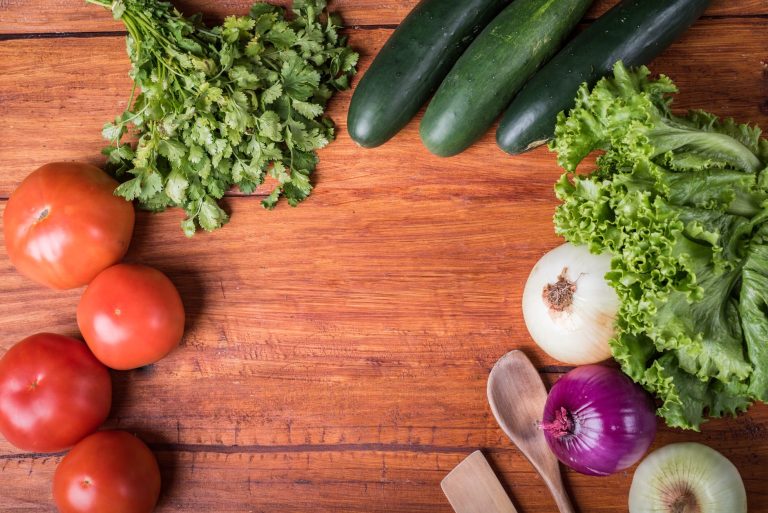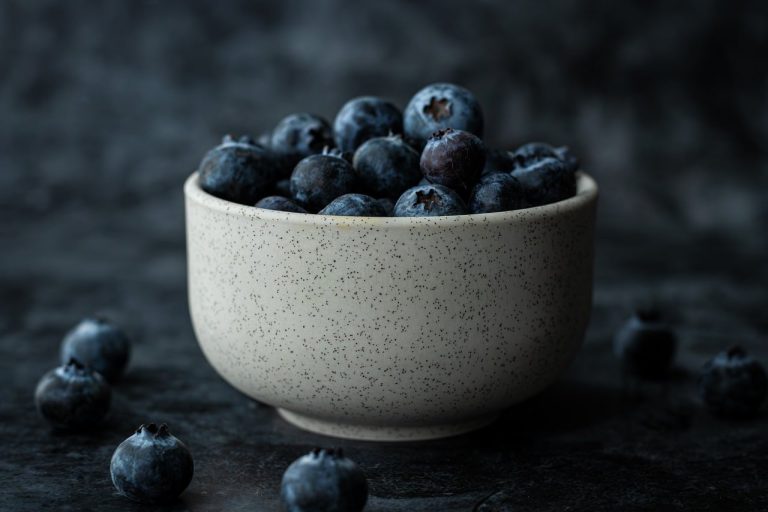

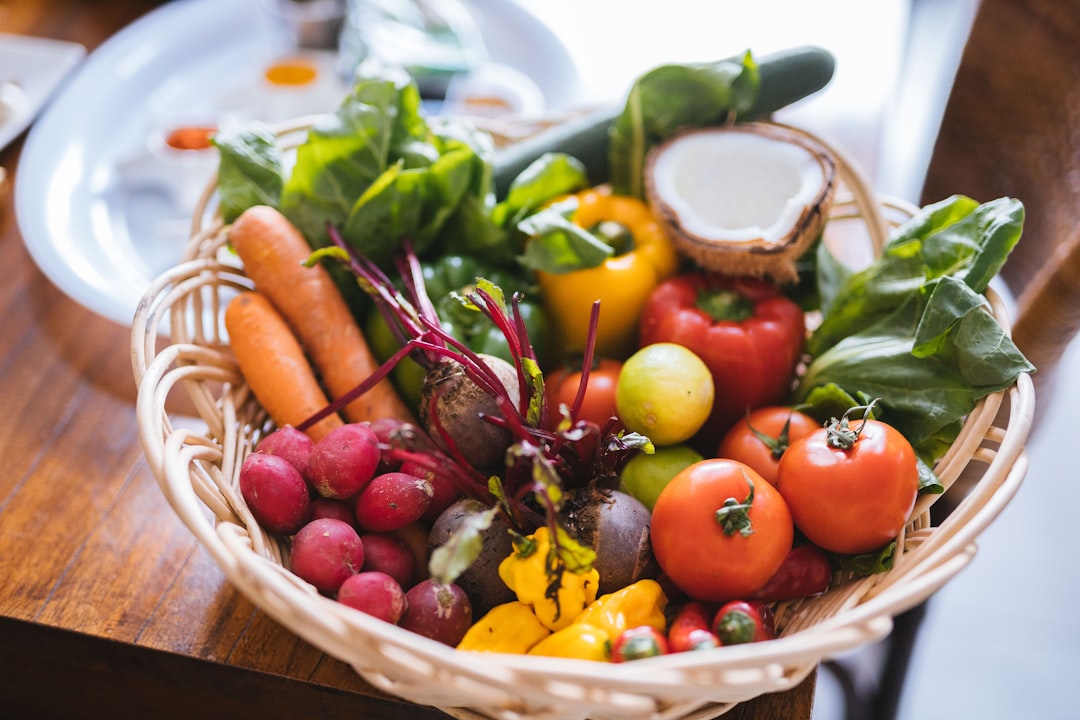
Photo by Vije Vijendranath on Unsplash
What if the real secret to feeling lighter, calmer, and more energized had less to do with counting every calorie and more to do with feeding your gut the right way? For many people, the path to better digestion, steady energy, and sustainable weight loss begins with a simple shift toward organic food and clean eating. When meals are built around nutrient-dense, minimally processed ingredients, the body often responds with less bloating, more stable appetite signals, and a stronger foundation for a healthy lifestyle. Isn’t it interesting how the foods that support your digestion can also support your waistline, your mood, and even your daily focus?
This article takes a practical look at how organic food can support gut health without turning your routine into a restrictive detox diet. You will learn which organic foods matter most, how to use them in everyday meals, what habits can quietly undermine digestion, and how to build a realistic plan that works for busy schedules. If your goal is weight loss, better nutrition, or simply feeling good after you eat, the strategies below will help you approach food with more confidence and less confusion.
Why Gut Health Should Be at the Center of a Healthy Diet
Your gut does far more than digest food. It helps regulate how you absorb nutrients, how you manage cravings, how your immune system responds, and how comfortable you feel after meals. When digestion is running smoothly, clean eating feels easier to sustain. When it is not, even a healthy meal can leave you tired, bloated, or reaching for comfort foods an hour later.
The gut microbiome, which is the community of bacteria and other microorganisms in your digestive tract, plays a major role in overall well-being. A balanced microbiome is often associated with better digestion, improved nutrient use, and a more stable appetite. While no single ingredient can fix everything, an organic food plan rich in fiber, plant compounds, and fermented foods can create a better environment for those beneficial microbes to thrive.
How digestion affects energy and weight loss
Many people assume weight loss is only about eating less, but the story is usually more complicated. If digestion is sluggish or inflamed, the body may not process food efficiently, and hunger cues can become harder to interpret. You may feel full one moment and ravenous the next. You may also experience cravings that are less about willpower and more about imbalance.
When your meals support digestive health, several things tend to improve at once:
- You feel satisfied for longer after eating.
- Your energy becomes steadier across the day.
- You may experience less bloating and discomfort.
- Your body can use nutrients more effectively.
- Your clean eating habits become more sustainable.
That is why gut health is not a side note in a healthy diet. It is central to how the entire system functions.
Common signs your gut may need more support
Not every digestive issue is serious, but your body does send clues when something is off. Have you noticed that certain meals leave you heavy or foggy? Do you often feel bloated after eating, even when your portion sizes are modest? Does your digestion feel unpredictable from day to day?
Some common signs that your gut could use more support include:
- Bloating after meals
- Gas or stomach discomfort
- Irregular bowel movements
- Cravings for sugar or highly processed snacks
- Low energy after eating
- Feeling uncomfortably full for too long
If these issues are frequent, a cleaner pattern of eating with more organic food, more fiber, and less ultra-processed fare can make a real difference over time.
How Organic Food Supports a Happier Gut
Organic food is not a magic solution, but it can be a powerful part of a healthy diet. Many people choose organic produce, grains, dairy, and proteins because they want fewer synthetic pesticide residues and a more natural approach to nutrition. For some, that choice also reinforces a cleaner, more mindful relationship with food.
What matters most is not perfection. It is consistency. A plate filled with whole, minimally processed ingredients tends to be easier on digestion than a meal built around refined flour, excess sugar, and industrial additives. Organic food often encourages that shift naturally because it usually comes closer to its original form.
Less processing, more real nourishment
One reason organic food can be helpful for gut health is that it often fits neatly into a clean eating pattern. Fresh vegetables, whole grains, legumes, eggs, yogurt, and simple proteins can support digestion because they bring fiber, protein, and micronutrients without a long list of additives.
Many packaged foods are designed for shelf life and convenience, not digestive ease. Even when a label looks healthy, the ingredient list may tell a different story. When your diet becomes more centered on real food, your body often has fewer unnecessary compounds to deal with.
Organic produce often encourages more plant diversity
People who buy organic groceries frequently end up eating a wider range of fruits and vegetables. Why? Because once you start building meals around seasonal produce, you begin to see more colors, textures, and flavors on the plate. That diversity matters for gut health because different plant foods provide different types of fiber and antioxidants.
A more varied plant-based pattern can help feed a broader range of gut microbes. The result is a diet that feels less repetitive and more nourishing. This is one reason an organic diet can be a gateway to more adventurous cooking and better nutrition overall.
Food quality and mindful eating go hand in hand
Organic food often comes with a mindset shift. If you are choosing better ingredients, you may also become more intentional about how you eat: slower meals, more home cooking, fewer impulse snacks, and less emotional eating. That shift can be just as important as the food itself.
Ask yourself: are you nourishing your body, or are you simply filling it up? Once you begin to answer that question honestly, healthy lifestyle changes become easier to make.
[IMAGE: organic vegetables]
The Best Organic Foods for Gut Health and Clean Eating
Some foods stand out because they deliver both comfort and function. They help support digestion, provide fuel for weight loss goals, and fit neatly into a sustainable healthy diet. The best part is that many of them are simple, affordable, and easy to prepare.
Fermented foods that bring beneficial cultures to the table
Fermented foods have long been valued in traditional cuisines, and they remain a smart addition to a gut-friendly organic food plan. They can add flavor, variety, and a naturally tangy profile that makes clean eating feel more interesting.
Organic yogurt
Plain organic yogurt, especially varieties with live cultures and minimal added sugar, can be a practical breakfast or snack option. Pair it with berries, chia seeds, or chopped nuts for added fiber and healthy fats.
Kefir
Kefir is a drinkable fermented dairy product that is often richer in live cultures than standard yogurt. It can be a useful choice if you want something quick after a workout or need a light option during a busy morning.
Sauerkraut and kimchi
These fermented vegetables add a bright, salty kick to meals. Use them as a garnish for grain bowls, eggs, or roasted vegetables. A small serving can bring character and potential digestive support without adding many calories.
Fiber-rich organic vegetables and fruits
Fiber is one of the most important nutrients for gut health, yet many people fall short of getting enough. Whole organic produce helps fill that gap naturally. It also supports fullness, which can be a major advantage if weight loss is one of your goals.
Leafy greens
Spinach, kale, arugula, and mixed greens are excellent foundations for salads, sautés, and smoothies. They are low in calories, rich in micronutrients, and easy to add to almost any meal.
Cruciferous vegetables
Broccoli, Brussels sprouts, cauliflower, and cabbage provide fiber and plant compounds that support overall health. Roasting them with olive oil and herbs can make them more appealing if you usually avoid vegetables.
Berries
Blueberries, raspberries, strawberries, and blackberries offer fiber and antioxidants in a naturally sweet package. They can help satisfy cravings while supporting a cleaner sugar intake.
Apples and pears
These fruits are convenient, portable, and rich in soluble fiber. Pair them with nut butter or a handful of seeds for a more balanced snack.
Prebiotic foods that feed good bacteria
Prebiotic foods are especially valuable because they help nourish the beneficial microbes already living in your gut. Think of them as fuel for the ecosystem inside your digestive system. When you include them regularly, you create a stronger nutritional base for long-term health.
Garlic and onions
These kitchen staples are easy to use in soups, sauces, grain bowls, and sautéed dishes. They add depth to flavor while supporting a gut-friendly pattern of eating.
Leeks, asparagus, and Jerusalem artichokes
These vegetables are less common in everyday cooking, but they are worth exploring if you want more variety in your organic diet. Try them roasted, grilled, or added to broths.
Oats and cooked-and-cooled potatoes
These carbohydrate sources can be satisfying and supportive when portioned thoughtfully. They fit well into clean eating when you choose simple preparation methods and avoid heavy sugary toppings or fried coatings.
Healthy fats and proteins that help meals feel complete
A gut-friendly meal should not rely on fiber alone. Protein and healthy fats help stabilize blood sugar, support satiety, and make food feel satisfying. That balance matters when you are trying to lose weight without feeling deprived.
Organic eggs
Eggs are versatile, budget-friendly, and easy to cook. Pair them with vegetables and whole grains for a breakfast that holds you longer than a pastry or sweetened cereal ever could.
Wild fish and sustainably raised poultry
These proteins can be excellent choices for balanced lunches and dinners. Season them simply with herbs, lemon, garlic, and olive oil to keep the meal clean and digestible.
Seeds, nuts, and avocado
Chia seeds, flaxseed, pumpkin seeds, walnuts, almonds, and avocado provide healthy fats and valuable texture. They work well in bowls, salads, smoothies, and snacks.
[IMAGE: healthy meal]
A Clean Eating Day That Supports Digestion and Weight Loss
It is one thing to know which organic food options are helpful. It is another to put them together in a way that feels realistic from morning to night. The key is to build a day of eating that keeps blood sugar steady, satisfies hunger, and gives your gut a mix of fiber, protein, and hydration.
Here is what a simple gut-friendly day might look like:
Breakfast that starts digestion gently
Rather than beginning your day with sugar-heavy foods that spike and crash your energy, try a balanced breakfast. For example, you could make organic Greek yogurt with berries, chia seeds, and cinnamon; or scrambled organic eggs with spinach and sautéed tomatoes; or oatmeal topped with walnuts and sliced apple.
Why does this matter? Because the first meal of the day often shapes hunger for the hours that follow. A steady breakfast can make clean eating feel easier and reduce the urge to snack impulsively before lunch.
Lunch that keeps you full without feeling heavy
Lunch should give you enough fuel to stay focused while avoiding the sluggish feeling that often follows a greasy or oversized meal. A grain bowl with organic quinoa, roasted vegetables, leafy greens, chickpeas, and a simple olive oil dressing is a strong example. Add grilled chicken, salmon, or tofu if you want more protein.
If you prefer something lighter, a soup made with lentils, carrots, celery, garlic, and herbs can be satisfying without overwhelming your digestion. The right lunch should leave you comfortable, not bloated. Isn’t that the kind of meal you can actually repeat day after day?
Snacks that support, not sabotage
Snacking is not the enemy. Mindless snacking is. Choose options that help you stay grounded between meals rather than pulling you deeper into sugar cravings. Good choices include:
- Apple slices with almond butter
- Carrot sticks with hummus
- Organic yogurt with berries
- Pumpkin seeds and a few walnuts
- Cucumber slices with avocado mash
Dinner that feels nourishing and calm
At the end of the day, your body often does best with a dinner that is satisfying but not overly rich. Think roasted salmon with broccoli and sweet potato, a vegetable stir-fry with tofu and brown rice, or a chicken and vegetable soup served with a small side salad.
Many people make the mistake of eating their heaviest meal late at night and then wondering why sleep and digestion feel off. A lighter, well-balanced dinner can support both your gut and your recovery. [IMAGE: fitness lifestyle]
What to Avoid If You Want Better Digestion
Sometimes the path to better nutrition is not about adding more and more foods. It is about removing the patterns that consistently work against your body. Certain habits can make even the best organic diet less effective.
Ultra-processed foods with long ingredient lists
Many packaged snacks and convenience foods are loaded with refined starches, seed oils, additives, and added sugars. These foods can be easy to overeat and hard to digest in large quantities. They also tend to crowd out the more nourishing foods that support a healthy lifestyle.
Excess sugar and sweet drinks
Sugar is not inherently forbidden, but frequent high-sugar choices can destabilize appetite and energy. Soda, sweet coffee drinks, candy, pastries, and many flavored yogurts can quietly add up. If your goal is weight loss, replacing some of these with whole-food alternatives can make a meaningful difference.
Too much alcohol
Alcohol can interfere with digestion, sleep, and appetite regulation. Even moderate intake can leave some people feeling puffy or sluggish. If you are trying to support gut health, consider how often alcohol shows up in your routine and whether reducing it would help you feel better.
Rushing through meals
One of the most overlooked digestive habits is speed. When you eat quickly, you are more likely to swallow air, miss fullness cues, and feel unsatisfied afterward. Slowing down, chewing thoroughly, and eating without distraction can transform how your meals feel.
Skipping water and sleep
Hydration and rest are part of nutrition, even if they are often discussed separately. Water supports digestion, and sleep helps regulate hunger hormones. If you have been eating well but still feel off, ask yourself whether your body is getting enough recovery.
How to Build an Organic Diet That Actually Fits Real Life
One reason people abandon healthy eating plans is that the system feels too complicated. A good organic food strategy should reduce friction, not add more stress. The goal is not to eat perfectly every day. The goal is to make better choices easier to repeat.
Start with a few strategic swaps
You do not need to replace every item in your kitchen overnight. Begin with the foods you eat most often. If you buy apples, berries, eggs, yogurt, oats, greens, or coffee regularly, choose organic versions of those first. That way, your healthiest habits improve quickly without overwhelming your budget.
Use a simple shopping framework
When you walk into the store without a plan, it is easy to drift toward convenience foods. A framework helps. Try structuring your cart around the following categories:
- Organic vegetables for most of the plate
- Fruit for snacks and breakfast
- A protein source for satiety
- Whole grains or starchy vegetables for steady energy
- Healthy fats for flavor and fullness
- Fermented foods for variety
Prep food before hunger gets loud
Meal prep does not have to mean spending your entire Sunday in the kitchen. It can be as simple as washing greens, roasting a tray of vegetables, cooking a pot of grains, and preparing one or two protein sources ahead of time. When the foundation is ready, clean eating becomes much less effortful.
Easy prep ideas
- Wash and chop produce right after shopping
- Roast mixed vegetables for salads and bowls
- Cook quinoa, brown rice, or oats in batches
- Prepare a simple dressing with olive oil, lemon, and herbs
- Keep fermented foods and raw snacks visible in the fridge
Make the budget work for you
Organic food does not have to mean an impossible grocery bill. Focus on what gives you the most value. Frozen organic vegetables, seasonal produce, oats, beans, lentils, eggs, and yogurt can all be cost-effective staples. You can also prioritize organic versions of items you eat every day, rather than trying to buy everything organic at once.
A smart organic diet is not about status. It is about practical nutrition that supports your body. That is a mindset shift worth making.
Can a Gut-Friendly Organic Diet Help With Weight Loss?
Many people come to clean eating because they want to lose weight, but lasting results usually depend on more than a temporary restriction. A gut-friendly organic food pattern may support weight loss because it often improves satiety, reduces mindless snacking, and encourages more whole foods with fewer empty calories.
Fiber-rich meals can help you feel full with fewer calories. Protein helps preserve lean mass and supports appetite control. Healthy fats make food satisfying. Fermented foods and a diverse plant intake can make meals more enjoyable, which matters because the best diet is the one you can keep following without resentment.
Still, weight loss should never be the only metric. Better digestion, better energy, improved mood, and fewer cravings are all signs that your body is responding well. If the number on the scale moves slowly but your meals are helping you feel stronger and more comfortable, that is meaningful progress.
Why sustainable loss beats rapid restriction
Crash diets often backfire because they strip away satisfaction and make food feel like the enemy. A gentler approach built around organic food and clean eating is more likely to become part of your life. That matters because the body tends to respond best to consistency, not punishment.
Ask yourself this: do you want a plan that works for two weeks, or one that you can imagine using for years? The second choice usually wins when the goal is lasting health.
When a Detox Diet Mindset Helps, and When It Does Not
The phrase detox diet is often used in exaggerated ways, but the core idea behind it can be useful: give your body a break from overprocessed foods and flood the system with more whole, nourishing ingredients. Your liver and kidneys already do the real detoxification work, so the role of food is to support those systems, not replace them.
Instead of extreme cleanses or juice-only plans, think about a gentle reset built around organic food. Add more vegetables. Increase your water intake. Choose simpler meals. Reduce alcohol, sugar, and packaged snacks. This type of reset can support digestion without leaving you drained or obsessed with food.
A smarter way to reset
- Eat mostly whole foods for a few weeks
- Include vegetables at most meals
- Keep protein steady to avoid cravings
- Favor fiber-rich carbs over refined options
- Stay hydrated throughout the day
- Prioritize sleep and stress reduction
That is a detox diet approach that actually supports a healthy lifestyle instead of creating a cycle of deprivation and rebound eating.
Simple Questions to Keep Your Clean Eating on Track
One of the easiest ways to stay aligned with your goals is to pause before eating and ask a few honest questions. These small checks can keep your food choices more intentional.
Before meals
- Am I eating because I am hungry, or because I am stressed?
- Does this meal contain protein, fiber, and healthy fat?
- Will this choice leave me energized or sluggish?
At the grocery store
- Will I actually use this food this week?
- Does this item support my healthy diet goals?
- Is this a real food ingredient or a highly processed substitute?
After eating
- Do I feel comfortably full?
- Which foods helped me feel best?
- What should I repeat next time?
These questions are simple, but they can transform your relationship with food. Rather than chasing perfection, you begin to notice patterns. And once you notice patterns, you can improve them.
How to Keep Going Without Burning Out
Health habits are easy to start and hard to maintain when they are too strict. The most successful clean eating plans usually leave room for flexibility. That might mean enjoying a meal out with friends, eating a non-organic item when needed, or choosing convenience on a particularly busy day. None of that ruins progress.
The point of eating organic food is not to create anxiety. It is to give your body more of what helps it function well. If a meal is not perfect but still mostly built from whole ingredients, that is still a win. If you had a rough week but return to your routine on Monday, that is also a win.
Progress markers that matter
- Less bloating after meals
- More regular digestion
- Fewer sugar crashes
- Better meal satisfaction
- More confidence in food choices
- Gradual, sustainable weight loss
These are the kinds of changes that tell you your approach is working, even before any dramatic transformation appears in the mirror.
Building a gut-friendly life through organic food is not about chasing a flawless detox diet or obsessing over every calorie. It is about creating meals that support digestion, fuel your day, and make healthy eating feel enjoyable rather than punishing. When your plate is full of real ingredients, your energy often becomes more stable, your cravings become easier to manage, and your relationship with food starts to feel calmer. If you want to keep refining your routine, explore more articles on DietOrganic for practical ideas, fresh recipes, and honest guidance that makes clean eating feel like a natural part of everyday life.
About the Author