
Photo by Luis Kuthe on Pexels
When people talk about getting healthier, they often start with calories, workout plans, or the latest detox diet trend. But if your digestion is off, your energy is low, and cravings keep pulling you off track, the real issue may be your gut. A thoughtful approach to organic food and clean eating can do far more than trim your waistline. It can support smoother digestion, steadier energy, better nutrition, and a healthier lifestyle that actually feels sustainable.
The gut is where so much of your wellness story begins. It influences how you absorb nutrients, how satisfied you feel after meals, and even how often you reach for sugar or processed snacks. So ask yourself: what would change if your meals were designed to feed your microbiome instead of fight against it? This guide explores how organic foods can support gut health, weight loss, and everyday vitality without harsh restrictions or unrealistic rules.
Why Gut Health Is the Foundation of a Healthy Lifestyle
Your digestive system does much more than break down food. It helps regulate inflammation, supports immune function, influences mood, and affects how efficiently your body uses the nutrients you eat. When the gut is balanced, meals tend to feel satisfying and energy stays more stable throughout the day. When the gut is stressed, even a healthy diet can feel disappointing because bloating, sluggishness, and cravings get in the way.
That is why a clean eating plan should not focus only on what is removed from the plate. It should also emphasize what is added: fiber, antioxidants, minerals, fermented foods, healthy fats, and enough hydration to keep digestion moving. In other words, the goal is not punishment. The goal is nourishment that helps your body work with you.
How Digestion Influences Weight Loss
Weight loss becomes much easier when your digestion is functioning well. A calm gut helps regulate hunger hormones, supports better blood sugar control, and makes it easier to tell the difference between real appetite and emotional eating. Have you ever noticed that when you are bloated or uncomfortable, you crave quick energy instead of balanced meals? That is often the body asking for stability, not just fewer calories.
Organic food can play an important role here because many whole organic ingredients are naturally rich in fiber and free from the additives that can make ultra-processed foods so easy to overeat. A diet built on vegetables, berries, legumes, seeds, and fermented foods often leads to a natural calorie reduction without the need for obsessive tracking.
Signs Your Gut May Need More Support
If you are not sure whether your digestive system is asking for change, pay attention to patterns rather than isolated moments. Small symptoms can add up and affect your energy, appetite, and confidence in everyday life.
- Frequent bloating or discomfort after meals
- Irregular bowel movements or constipation
- Cravings for sugar or refined carbohydrates
- Feeling tired soon after eating
- Skin that seems more reactive than usual
- Difficulty feeling full after meals
- Brain fog or reduced mental clarity
If several of those sound familiar, your next step may not be stricter dieting. It may be choosing organic food and clean eating habits that make digestion easier and more predictable.
Why Organic Food Makes a Difference for Digestive Balance
Organic food is often chosen for environmental reasons, but it can also be a practical choice for gut health. Organic farming avoids many synthetic pesticides and focuses on soil practices that aim to protect plant quality. For people trying to build a healthy diet, that can mean cleaner ingredient lists and a more intentional relationship with food.
Of course, organic food is not a magic cure. A bag of organic chips is still a processed snack. But when organic ingredients are used to build meals around whole fruits, vegetables, legumes, seeds, and grains, the overall effect on nutrition can be impressive. The body usually responds best to food that is close to its natural form.
Lower Pesticide Exposure and a Cleaner Plate
Many people prefer organic produce because it reduces exposure to pesticide residues. While the science around this topic is broad and nuanced, one thing is simple: when you eat more fresh produce, you are already improving the quality of your diet. Choosing organic versions of the foods you eat most often can be a smart move, especially if you consume large amounts of apples, leafy greens, berries, or cucumbers.
For a clean eating plan, this matters because the fewer unwanted extras in your food, the more room there is for nutrients that actually support your body. That does not mean every bite needs to be perfect. It means your default choices should work in favor of health, not against it.
Soil Health, Nutrients, and Food Quality
Healthy soil is part of the story behind nutrient-dense organic food. Crops grown in well-managed soil may develop strong flavor and a satisfying texture that makes fresh food more appealing. Better taste matters more than people realize. When vegetables taste good, you are more likely to eat them consistently, and consistency is what drives results in nutrition, digestion, and weight loss.
Think about it: if a meal feels bland, you are less likely to repeat it. But if roasted organic carrots, lemony greens, or herb-packed tomato salad taste vibrant and satisfying, eating well stops feeling like a chore. That is the quiet power of food quality.
The Best Organic Foods for Gut Health
There is no single superfood that solves everything, but certain organic foods consistently support digestion, microbiome diversity, and steady energy. The best strategy is to combine fiber, fermented foods, plant compounds, and enough fat and protein to keep meals balanced.
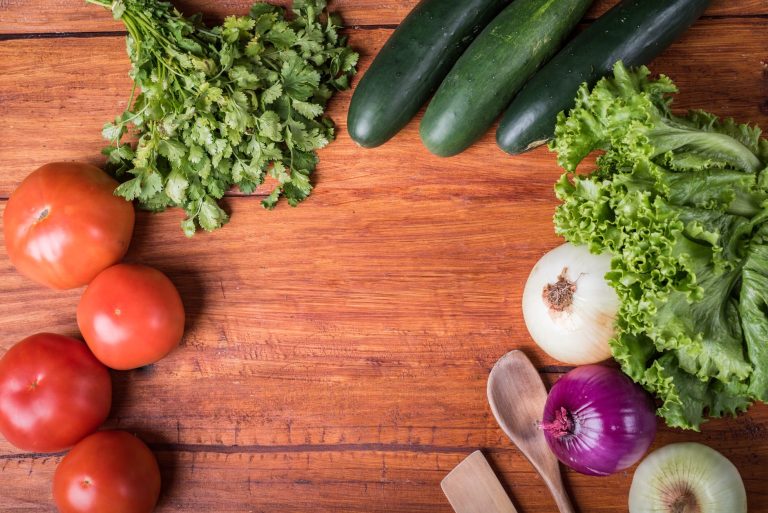
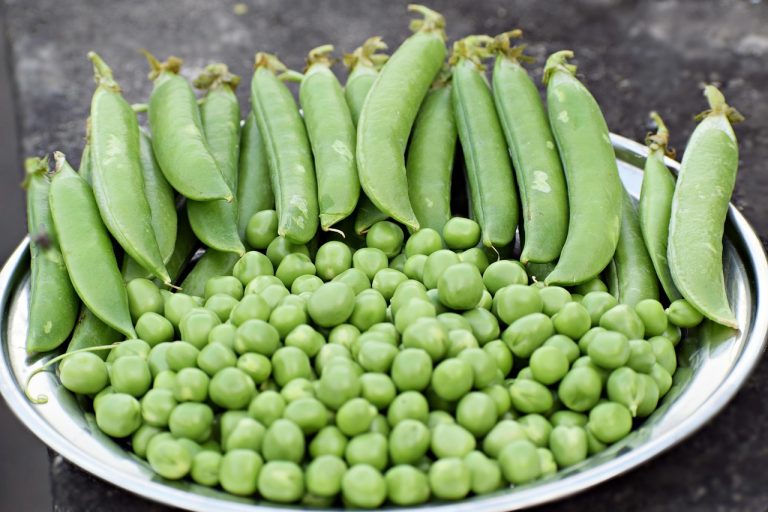
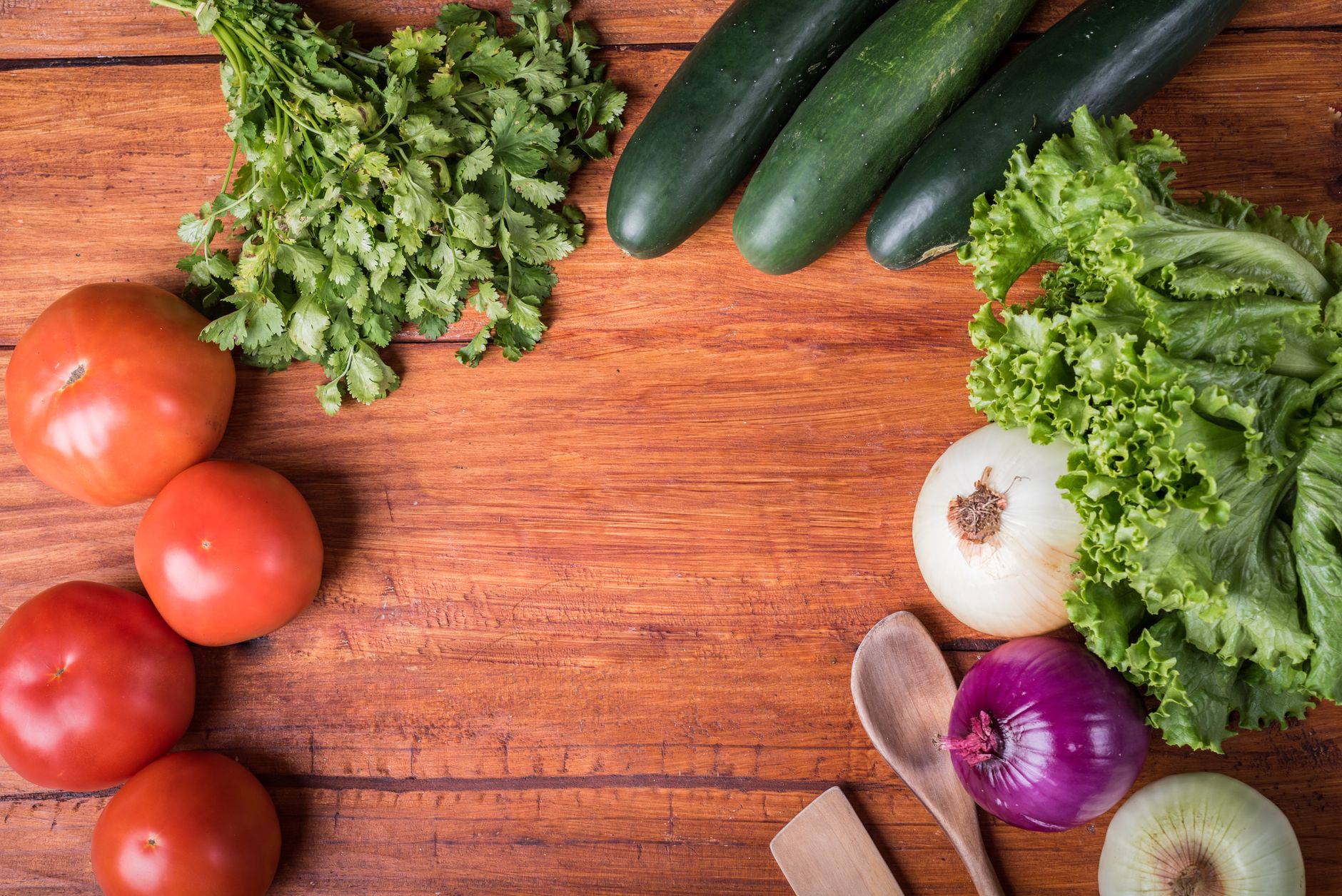
[IMAGE: organic vegetables]
Fermented Organic Foods
Fermented foods are among the most valuable additions to a gut-friendly healthy diet. They contain live cultures or fermentation byproducts that may help support microbial balance. Organic options are especially appealing when you want to keep your food as clean as possible.
- Organic plain yogurt or kefir
- Organic sauerkraut
- Organic kimchi
- Organic miso
- Organic tempeh
Introduce these foods gradually. A sudden increase in fermented foods can be uncomfortable for some people, especially if their digestion is sensitive. A spoonful of sauerkraut with lunch or a small serving of kefir with breakfast is often enough to begin with.
How to Add Fermented Foods Without Overdoing It
Start small, watch how your body responds, and increase only as tolerated. Pair fermented foods with fiber-rich vegetables or whole grains so the meal is balanced. For example, add kimchi to a rice bowl, or stir plain yogurt into a bowl of berries and oats. Could a tiny daily habit be more effective than a dramatic overhaul? Very often, yes.
Fiber-Rich Organic Produce
Fiber is one of the most important nutrients for gut health because it feeds beneficial bacteria and helps maintain regular digestion. Organic fruits and vegetables are ideal sources, especially when you rotate colors and textures throughout the week.
- Leafy greens such as spinach, kale, and arugula
- Cruciferous vegetables like broccoli, cauliflower, and cabbage
- Berries, especially blueberries, raspberries, and blackberries
- Apples and pears with the skin on
- Carrots, beets, and sweet potatoes
- Beans, lentils, chickpeas, and peas
A high-fiber plate does not need to feel heavy. It can be colorful, bright, and easy to enjoy. The key is variety. Different fibers feed different microbes, so a diverse organic diet helps create a more resilient digestive environment.
Prebiotic Plant Foods
Prebiotics are special fibers that help feed the good bacteria already living in your gut. They appear in many organic foods that are inexpensive, flexible, and easy to include in meals.
- Onions and leeks
- Garlic
- Asparagus
- Bananas, especially slightly green ones
- Oats
- Jerusalem artichokes
These foods are especially useful in a clean eating approach because they work quietly in the background. You may not feel a dramatic effect after one meal, but over time they help create a better environment for digestion and nutrient absorption.
Healthy Fats and Soothing Staples
Gut health is not only about fiber. Healthy fats can help you feel satisfied and support the absorption of fat-soluble vitamins. Organic avocados, olive oil, chia seeds, flaxseeds, walnuts, and pumpkin seeds are excellent staples for a healthy lifestyle.
People often try to eat lighter in the name of weight loss, but too little fat can make meals feel incomplete. When meals are too light, cravings often return quickly. A little organic olive oil over vegetables or a spoonful of seeds in a salad can make a big difference in how long you stay full.
A Practical Gut-Health Grocery List
If you want a simple shopping framework, start with these organic essentials:
- Spinach, kale, broccoli, and cabbage
- Blueberries, apples, lemons, and avocados
- Plain kefir or yogurt
- Sauerkraut or kimchi
- Lentils, chickpeas, and oats
- Chia seeds, flaxseeds, walnuts, and olive oil
- Garlic, onions, ginger, and turmeric
This list is not flashy, but it is powerful. It gives you the raw materials for a detox diet style of eating without relying on extreme cleanses or expensive supplements.
Build a Clean Eating Plate That Supports Digestion
One of the easiest ways to improve your nutrition is to use a simple plate formula. Instead of asking, What should I eliminate? ask, What combination will make this meal easier to digest and more satisfying? That small shift turns clean eating into a practical daily habit instead of a short-term project.
A well-balanced organic meal usually includes protein, fiber, healthy fats, and enough hydration. This combination helps flatten energy crashes, supports fullness, and reduces the urge to graze all day. It also gives your gut a more predictable routine, which many people find calming.
The Simple Plate Formula
- Half the plate: organic vegetables
- One quarter: organic protein such as eggs, fish, tofu, yogurt, beans, or tempeh
- One quarter: smart carbohydrates such as quinoa, brown rice, oats, or sweet potato
- Add healthy fats: olive oil, avocado, seeds, or nuts
This pattern works because it is flexible. You can use it for breakfast, lunch, or dinner. It also suits people trying to lose weight because it naturally supports portion control without making meals feel tiny or unsatisfying.
A Sample Lunch and Dinner Pattern
For lunch, imagine a bowl of organic greens topped with roasted chickpeas, cucumber, grated carrot, avocado, pumpkin seeds, and a lemon-olive oil dressing. For dinner, picture baked salmon or tofu with roasted broccoli, quinoa, and a spoonful of sauerkraut on the side. Notice how each plate has texture, color, and real nourishment. That is what a healthy diet should look like in practice.
[IMAGE: healthy meal]
Organic Food and Weight Loss: What Actually Works
People often search for weight loss tricks, but the most reliable approach is still surprisingly simple: eat enough whole food to stay full, and make those foods as nutrient-dense as possible. Organic food helps because it nudges your diet toward produce, whole grains, legumes, and minimally processed meals that satisfy the body more effectively.
When meals are built around clean eating principles, the body usually experiences fewer blood sugar swings. That matters because sudden rises and crashes often trigger cravings, fatigue, and overeating later in the day. If your goal is sustainable weight loss, the real win is stability.
Why Fullness Beats Restriction
Severe restriction may work for a few days, but it rarely lasts. A better approach is to prioritize foods that are naturally filling. Organic vegetables, beans, oats, berries, eggs, yogurt, and seeds provide volume, fiber, and protein without the heavy processing that can make foods too easy to overconsume.
Ask yourself: would you rather rely on willpower, or build meals that make willpower less necessary? When a plate is full of foods that digest well and keep you satisfied, weight loss feels less like a battle and more like a natural outcome.
Blood Sugar Balance and Craving Control
Balanced meals support blood sugar stability, which can have a surprisingly large impact on cravings. A breakfast of sweet coffee and a pastry may feel convenient, but it can leave you hungry again very quickly. In contrast, a breakfast with organic eggs, sautéed greens, avocado, and oats offers steadier energy and better appetite control.
- Start the day with protein instead of sugar
- Include fiber in every major meal
- Do not fear healthy fats
- Choose whole organic carbs over refined ones
- Drink water before reaching for a snack
These habits may sound basic, but basic is often what works. Clean eating does not need to be extreme to be effective.
Smart Swaps That Support a Leaner Lifestyle
You do not need to redesign your entire life overnight. Start by replacing a few common foods with better options:
- Swap sugary yogurt for plain organic yogurt with berries
- Swap white bread for sprouted grain or whole-grain options
- Swap packaged snacks for apples with almond butter
- Swap creamy bottled dressings for olive oil, lemon, and herbs
- Swap fried sides for roasted vegetables
These swaps reduce empty calories and increase nutrition at the same time. The result is not just less food, but better food.
Gentle Detox Diet Habits That Respect the Body
The word detox gets used in many exaggerated ways, but the body already has built-in detoxification systems. Your liver, kidneys, digestive tract, skin, and lungs are constantly working to process waste and keep you balanced. A smart detox diet supports those systems instead of trying to replace them with extremes.
That means focusing on organic food, hydration, fiber, and rest. It also means reducing the burden placed on your body by ultra-processed foods, excess alcohol, and inconsistent eating patterns. The healthiest detox is usually a gentler one, built on daily habits rather than deprivation.
What a Real Detox Diet Looks Like
A realistic detox diet is not a juice-only plan. It is a short period of especially mindful eating that emphasizes whole organic foods, plenty of water, and fewer irritants. The goal is to make digestion easier and help the body feel less overwhelmed.
A practical detox phase might include:
- Leafy greens and cruciferous vegetables
- Fresh herbs like parsley and cilantro
- Fiber-rich fruits such as berries and apples
- Fermented foods in small servings
- Protein from eggs, fish, tofu, or legumes
- Herbal teas and enough plain water
That is very different from starving yourself. It is a supportive reset that encourages better digestion and clearer thinking.
Foods to Limit for a Short Reset Period
If you want to feel lighter and give your gut a break, consider limiting foods that are commonly hard to digest or overeat.
- Highly processed snacks
- Added sugars and sugary drinks
- Heavy alcohol use
- Deep-fried foods
- Large portions of ultra-refined grains
You do not need to fear these foods forever. But reducing them for a while can help you notice how much better your body feels when it gets cleaner fuel.
Foods to Emphasize During a Reset
During a detox-style week, build meals around gentle, nutrient-rich organic foods. Soups with vegetables and lentils, salads with olive oil and seeds, yogurt bowls with berries, and roasted vegetable plates are all excellent options. The question is not whether this is strict enough. The question is whether it helps you feel better. For most people, the answer is yes.
A One-Day Organic Gut-Friendly Menu
Sometimes the easiest way to understand clean eating is to see it in action. A full day of meals can be simple, satisfying, and aligned with a healthy lifestyle without requiring fancy ingredients or complex recipes.
Breakfast
Start with plain organic yogurt or kefir topped with blueberries, chia seeds, and a spoonful of ground flaxseed. Add a side of oats or a slice of whole-grain toast with almond butter if you need more staying power. This breakfast offers protein, fiber, and healthy fats that support digestion and steady energy.
Lunch
Prepare a large bowl with mixed greens, quinoa, chickpeas, cucumber, tomatoes, avocado, and a simple olive oil-lemon dressing. Add a small serving of sauerkraut on the side. This meal is colorful, balanced, and easy to digest if you chew slowly and avoid rushing.
Snack
Choose an apple with nut butter, a handful of walnuts, or carrot sticks with hummus. If you prefer something cooler, a small smoothie with spinach, berries, yogurt, and water can be refreshing without becoming a sugar bomb.
Dinner
Serve baked salmon, tempeh, or tofu with roasted broccoli, carrots, and sweet potato. Season with garlic, turmeric, ginger, and olive oil. End with a cup of herbal tea if you enjoy a calming evening routine. Meals like this support nutrition, weight loss, and digestion all at once.
What makes this menu effective is not perfection. It is structure. Your body learns to expect balanced meals, and that predictability can reduce the urge to overeat or snack out of boredom.
Clean Eating Mistakes That Can Upset Digestion
Even people with the best intentions can make clean eating harder than it needs to be. If your organic food plan is leaving you bloated, hungry, or tired, it may be time to adjust the approach rather than abandon it.
- Eating too little: A very small intake can slow energy and intensify cravings.
- Going all raw: Some people tolerate raw vegetables poorly and do better with cooked meals.
- Skipping protein: Fiber is important, but protein keeps meals balanced and satisfying.
- Overdoing fermented foods: More is not always better, especially for sensitive digestion.
- Assuming organic automatically means healthy: Organic cookies are still cookies.
- Changing everything at once: Your gut often responds better to gradual change.
If clean eating feels stressful, simplify it. Build meals around a few trusted organic staples and stay consistent long enough to notice patterns. That is how practical nutrition becomes a real part of daily life.
Lifestyle Habits That Make Organic Food Work Better
Food is essential, but it does not work alone. Sleep, stress levels, hydration, and movement all influence how well your body digests and uses what you eat. If your meals are excellent but your sleep is poor and your stress is constant, progress may feel slower than it should.
Sleep and Stress
When you are sleep deprived, hunger hormones can shift in ways that increase cravings and reduce self-control around food. Chronic stress can also affect digestion by making the gut feel tense and sluggish. That is why a healthy lifestyle is about more than food quality.
Try this: create a consistent evening routine, keep caffeine earlier in the day, and give yourself a quiet buffer before bed. Even ten minutes of breathing, journaling, or stretching can help your body move from alert mode into rest mode.
Movement and Hydration
Walking after meals can support digestion and help regulate blood sugar. Gentle movement also encourages a more active metabolism without the need for punishing workouts. Hydration is equally important because fiber needs water to do its job well.
- Drink water steadily throughout the day
- Take a short walk after lunch or dinner
- Stretch if you sit for long periods
- Include magnesium-rich foods such as seeds and leafy greens
[IMAGE: fitness lifestyle]
These habits may seem small, but combined with organic food and clean eating, they can change how your body feels from morning to night.
How to Shop and Prep Without Spending Too Much
One of the most common concerns about organic food is cost. Yet a smart approach can make it surprisingly manageable. You do not need to buy every ingredient organic to build a nourishing healthy diet. Focus on the foods you eat most often and the foods that matter most to you.
What to Buy Organic First
If you are on a budget, prioritize:
- Leafy greens
- Berries
- Apples
- Milk, yogurt, or kefir
- Eggs, if you eat them
- Oats, beans, and lentils when possible
Buy frozen organic vegetables when fresh options are expensive or less convenient. Frozen produce is often picked at peak ripeness and can be just as useful for smoothies, soups, and stir-fries.
Batch Prep for a Simpler Week
Meal prep does not have to mean identical containers and rigid routines. A simple batch prep session can save time and reduce the temptation to order processed food when you are tired.
- Wash and chop vegetables in advance
- Cook a pot of quinoa, rice, or lentils
- Roast two trays of vegetables
- Mix a jar of dressing or vinaigrette
- Keep yogurt, berries, and seeds ready for quick breakfasts
With a little planning, clean eating becomes much easier to repeat. And repetition is what creates results.
When to Pay Closer Attention to Your Body
Although organic food and a healthy diet can help many people feel better, persistent digestive issues should not be ignored. If you experience ongoing pain, severe bloating, unexplained weight loss, blood in the stool, or symptoms that worsen despite dietary changes, it is important to consult a qualified healthcare professional. Good nutrition supports health, but it does not replace proper medical care when something is off.
For most people, though, the message is encouraging: small changes in food quality, meal balance, and daily habits can transform how the body feels. That is especially true when those changes are built around real food rather than short-lived trends.
Organic food is not about perfection, and clean eating is not about fear. It is about making your plate more supportive, your digestion more comfortable, and your relationship with food more intelligent. When your meals work with your body instead of against it, weight loss becomes more natural, energy becomes more reliable, and a healthy lifestyle starts to feel like a reward rather than a restriction. If you enjoyed this guide, explore more expert articles on DietOrganic for practical nutrition ideas, detox diet inspiration, and fresh clean eating strategies that fit real life.
About the Author