
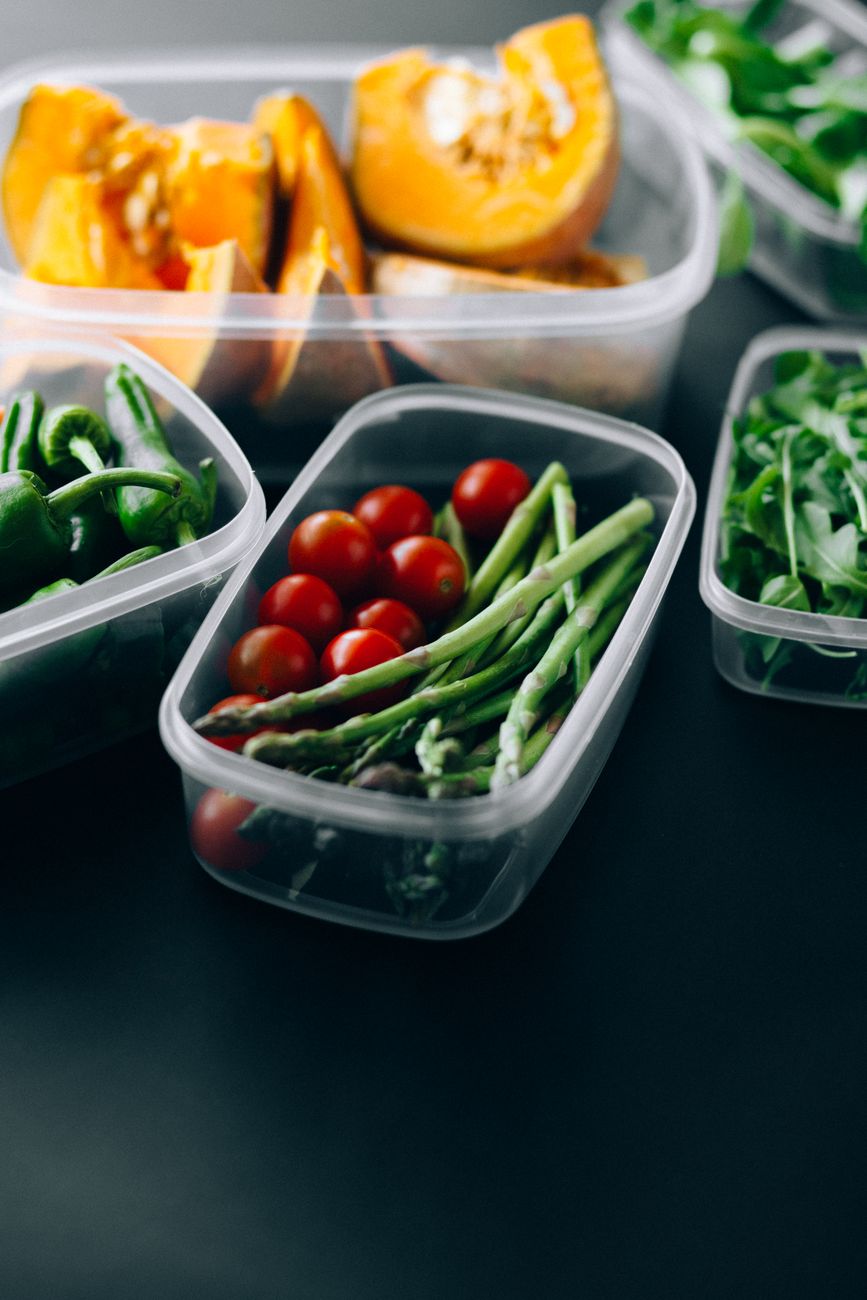
Photo by Nataliya Vaitkevich on Pexels
Organic meal prep is one of the most practical ways to turn healthy intentions into real, repeatable habits. When your fridge is filled with ready-to-eat bowls, colorful vegetables, balanced proteins, and satisfying snacks made from organic food, it becomes much easier to stay consistent with clean eating, support weight loss, and maintain a healthy lifestyle without the daily stress of deciding what to eat. Have you ever noticed how much easier it is to make smart choices when the right food is already waiting for you?
This is where meal prep changes everything. Instead of relying on last-minute takeout or random pantry snacks, you create a simple system that supports nutrition throughout the week. Organic ingredients can bring a fresher flavor, fewer unnecessary additives, and a more thoughtful approach to eating. For many people, that alone makes healthy habits feel more enjoyable and less forced. And when meals are built around whole organic food, the process often feels less like dieting and more like taking care of yourself in a sustainable way.
In this guide, you will find organic meal prep ideas that are realistic, flexible, and designed to work in real life. Whether your goal is weight loss, cleaner eating, better energy, or a more organized kitchen routine, you can use these strategies to build meals that are nourishing and delicious all week long.
Why Organic Meal Prep Works So Well
Meal prep is not just about saving time. It is also about creating structure around your nutrition so healthy choices become the default instead of the exception. When you prep with organic ingredients, that structure becomes even more valuable because you are building meals from whole foods that are closer to their natural form.
It makes healthy eating easier to repeat
The best nutrition strategy is the one you can actually keep doing. When you prepare organic lunch boxes, grain bowls, breakfast jars, and snack portions ahead of time, you remove the friction that often leads to impulse eating. There is no need to wonder what to cook after a long workday. The decision has already been made, and that mental relief matters more than many people realize.
This is especially helpful for anyone trying to follow a healthy diet or reduce processed food intake. A well-planned fridge can do more for consistency than a stack of motivational quotes ever will.
It supports weight loss without extreme rules
Many people assume weight loss requires rigid restrictions, but organic meal prep offers a more balanced path. When your portions are planned in advance, your meals tend to be more controlled, more nutrient-dense, and more satisfying. That makes it easier to stay within your energy needs without feeling deprived.
Organic vegetables, lean proteins, whole grains, legumes, and healthy fats can all fit into a meal prep plan that supports weight loss naturally. The goal is not to eat less in a stressful way. The goal is to eat better in a way that keeps you full, energized, and focused.
It brings more awareness to your nutrition
Meal prep encourages you to look at food more intentionally. You start asking practical questions: Which vegetables will last until Thursday? Which protein can be used in two different meals? Which snacks actually satisfy hunger instead of creating more cravings? Those questions build awareness, and awareness is a cornerstone of sustainable nutrition.
Over time, that awareness can improve more than your weekly menu. It can influence how you shop, how you cook, and how you think about your healthy lifestyle overall.
How to Build a Simple Organic Meal Prep Routine
A strong meal prep routine does not have to be complicated. In fact, the most effective systems are usually the simplest ones. Start with a few reliable ingredients, a basic prep day, and a format you can repeat. This is where clean eating becomes practical instead of overwhelming.
Choose a few building blocks, not dozens of recipes
If you try to prep five different breakfast recipes, four lunch options, and three separate dinners, the process will become stressful very quickly. Instead, think in categories. Choose two or three proteins, two or three vegetables, one or two smart carbs, and a couple of healthy sauces or dressings. That gives you enough variety to stay interested without creating unnecessary work.
For example, a week might include roasted chicken, baked tofu, quinoa, broccoli, sweet potatoes, spinach, berries, and a lemon-tahini dressing. With those basics, you can assemble bowls, wraps, salads, and warm meals that feel different even though they share the same core ingredients.
Prep ingredients in layers
Instead of fully assembling every meal right away, consider prepping ingredients separately. Wash greens, roast vegetables, cook grains, portion proteins, and prepare sauces in advance. Then mix and match during the week. This layering approach helps food stay fresher and gives you more flexibility if your appetite changes.
It also makes it easier to enjoy organic food without feeling locked into one fixed menu. One day you might want a grain bowl, the next day a salad, and the next day a warm vegetable stir-fry. Flexible prep makes that possible.
Use a weekly theme
Themed meal prep can make shopping and cooking much easier. You might choose Mediterranean bowls one week, Mediterranean-style wraps the next, then a harvest-inspired detox diet week centered on roasted vegetables, lentils, citrus, and herbs. Having a theme gives your menu direction while still leaving room for creativity.
Ask yourself: what foods are in season right now, and which flavor profile feels most satisfying this week? This is a simple way to keep clean eating interesting without overcomplicating your plan.
The Best Organic Foods to Keep in Your Kitchen
When it comes to organic meal prep, your pantry, fridge, and freezer are your best allies. Keeping a thoughtful mix of ingredients on hand means you can build meals quickly and avoid waste. The following foods are ideal for a healthy diet because they are versatile, nourishing, and easy to combine in multiple ways.
Organic proteins
Protein is essential for fullness, recovery, and stable energy. In an organic meal prep routine, it is helpful to rotate between animal and plant-based sources depending on your preferences and goals.
- Organic chicken breast or thighs
- Organic eggs
- Organic Greek yogurt
- Organic cottage cheese
- Organic turkey
- Organic salmon or other fatty fish
- Organic tofu or tempeh
- Organic lentils and chickpeas
- Organic black beans and white beans
These foods can be cooked in batches and used in multiple meals throughout the week. A tray of roasted chicken can become lunch bowls, salad toppers, or wrap fillings. A pot of lentils can become soup, curry, or a hearty salad base.
Organic vegetables
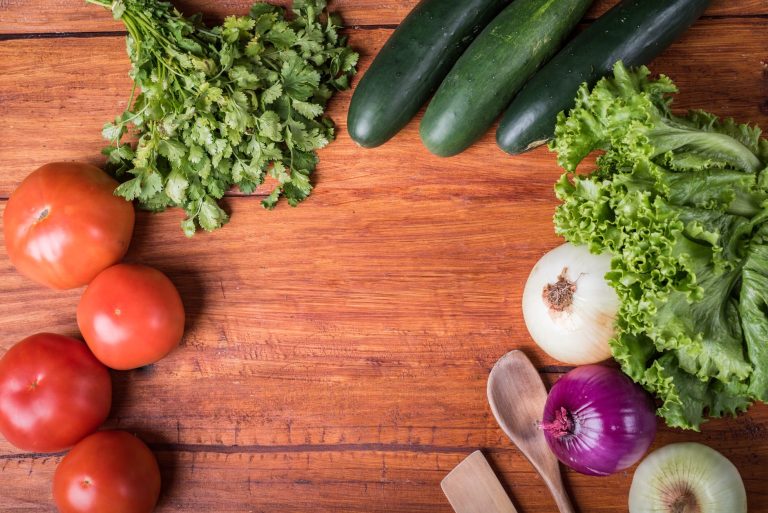
Vegetables are the backbone of clean eating. They bring color, fiber, volume, and micronutrients to each meal. For meal prep, choose vegetables that roast well, hold their texture, or can be eaten raw.
- Broccoli
- Cauliflower
- Carrots
- Zucchini
- Bell peppers
- Spinach
- Kale
- Romaine lettuce
- Cucumbers
- Cherry tomatoes
- Green beans
- Brussels sprouts
[IMAGE: organic vegetables]
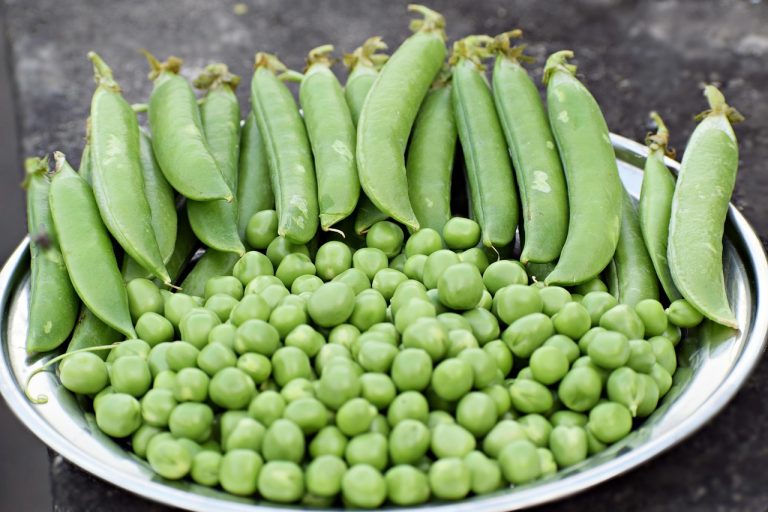
Roast a few trays at once, steam a batch of greens, and keep raw vegetables washed and ready for salads or snacks. This small amount of prep can make healthy eating feel effortless on busy days.
Organic fruits
Fruit adds natural sweetness and makes meal prep feel more enjoyable. It can also help satisfy dessert cravings in a balanced way.
- Berries
- Apples
- Pears
- Oranges
- Bananas
- Grapes
- Kiwi
- Pineapple
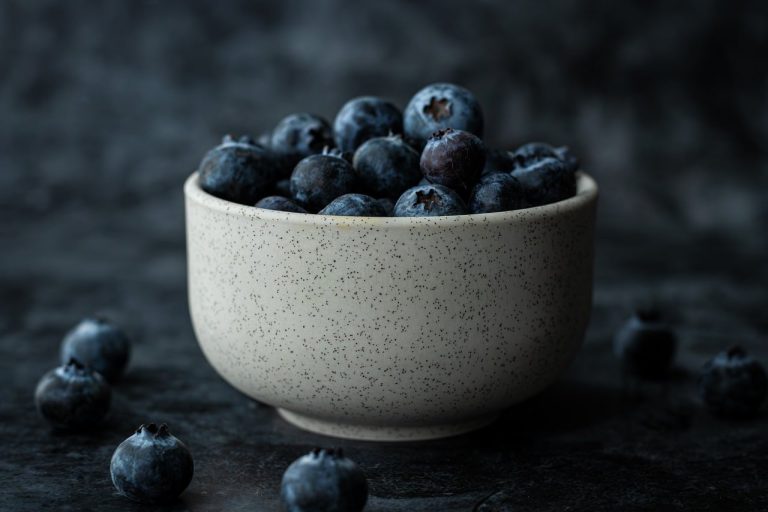
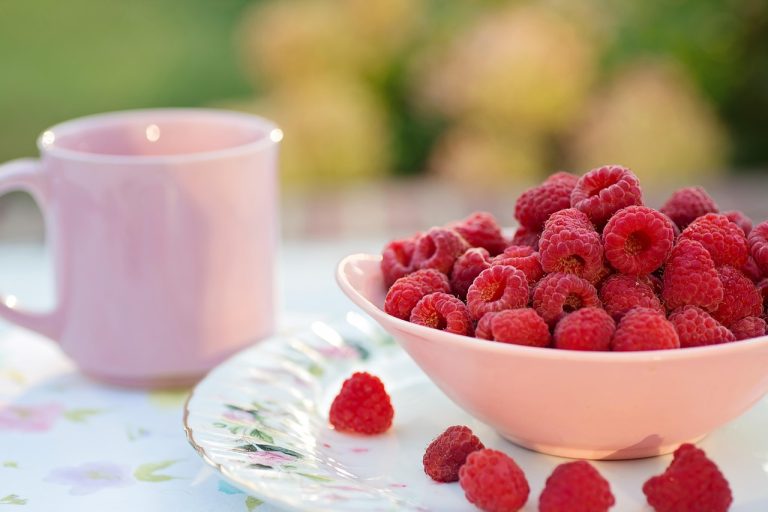
Use fruit in breakfast jars, snack boxes, smoothie packs, and yogurt bowls. It is one of the easiest ways to make a healthy lifestyle feel refreshing rather than repetitive.
Organic pantry staples
Your pantry should support fast assembly, not create clutter. Focus on essentials that help you build balanced meals without making the process more complicated.
- Quinoa
- Brown rice
- Oats
- Chia seeds
- Nut butters
- Olive oil
- Avocado oil
- Raw nuts and seeds
- Herbs and spices
- Apple cider vinegar
- Low-sodium broth
- Canned beans
These basics give your meals flavor, texture, and staying power. A few thoughtful pantry choices can turn simple organic food into meals that feel complete and satisfying.
Organic Meal Prep Ideas for Breakfast, Lunch, Dinner, and Snacks
A good meal prep plan should work from morning to night. If breakfast is rushed, lunch is bland, and snacks are random, it becomes harder to stay committed to clean eating. The following ideas are practical, nourishing, and easy to rotate.
Breakfast ideas that energize the morning
Breakfast should give you steady energy, not a quick spike followed by a crash. Organic breakfasts often work best when they include protein, fiber, and healthy fats.
- Overnight oats with chia seeds, berries, and almond butter
- Greek yogurt parfait with granola and sliced fruit
- Egg muffins with spinach, peppers, and mushrooms
- Chia pudding with coconut milk and kiwi
- Breakfast bowls with quinoa, cinnamon apples, and walnuts
These breakfasts can be assembled in jars or containers and kept ready for the entire week. If you are someone who skips breakfast because mornings feel chaotic, this is one of the easiest places to improve your nutrition.
Lunch ideas for work or busy afternoons
Lunch is where many people lose momentum. The food needs to be convenient, portable, and still satisfying enough to keep cravings from taking over later in the day.
- Chicken, quinoa, and roasted vegetable bowls with lemon dressing
- Chickpea salad with cucumbers, tomatoes, feta, and herbs
- Turkey lettuce wraps with avocado and shredded carrots
- Salmon with brown rice and steamed green beans
- Tofu stir-fry with broccoli, peppers, and sesame seeds
[IMAGE: healthy meal]
A satisfying lunch can make a big difference in the afternoon. When your midday meal is balanced, you are less likely to hunt for sugary snacks or overeat at dinner.
Dinner ideas that feel comforting but still clean
Many people associate meal prep with bland, repetitive dinners, but that does not have to be the case. Dinner can still feel warm, flavorful, and comforting while staying aligned with a healthy diet.
- Sheet pan salmon with sweet potatoes and asparagus
- Turkey meatballs with zucchini noodles and tomato sauce
- Lentil curry with cauliflower rice
- Stuffed bell peppers with brown rice and black beans
- Roasted chicken with Brussels sprouts and carrots
These dinners are excellent for batch cooking because they reheat well and still taste fresh after a few days in the refrigerator.
Snack ideas that support weight loss
Smart snacks can help you stay on track between meals without derailing your goals. The key is choosing foods that are satisfying rather than highly processed and easy to overeat.
- Apple slices with almond butter
- Greek yogurt with cinnamon
- Hard-boiled eggs
- Carrot sticks with hummus
- Mixed nuts and seeds
- Berry cups with cottage cheese
- Celery with tahini
When these snacks are already portioned, you are far more likely to grab them instead of reaching for packaged convenience foods.
A Simple 7-Day Organic Meal Prep Framework
To make this practical, here is a simple weekly framework you can adapt to your own preferences. The point is not perfection. The point is consistency, variety, and a rhythm that supports your healthy lifestyle.
Day 1: Prep and plan
Start with groceries, wash produce, cook grains, and roast your vegetables. Prepare one or two sauces so meals stay interesting. This is also a good day to portion snacks into containers.
- Cook quinoa or brown rice
- Roast broccoli, carrots, and sweet potatoes
- Prepare chicken, tofu, or lentils
- Mix a dressing with olive oil, lemon, and herbs
Day 2: Build your first bowls
Assemble lunch containers using one protein, one grain, and two vegetables. Keep the dressing separate until eating time to preserve texture.
Day 3: Focus on breakfast jars
Prepare overnight oats, chia puddings, or yogurt parfaits. Place them in clear containers so you can see exactly what is ready to go.
Day 4: Refresh with a salad box
Repack greens, add cucumbers, tomatoes, seeds, and protein, and rotate in a new dressing. Variety is one of the easiest ways to stay committed.
Day 5: Use leftovers creatively
Turn leftover roasted vegetables into omelets, wraps, or soups. Reusing components in different ways prevents waste and keeps your menu from feeling stale.
Day 6: Keep a flexible dinner option
Having one freezer-friendly organic meal on hand is incredibly useful. Soup, stew, or a baked dish can save the night when plans change.
Day 7: Reset and restock
Review what worked, what ran out, and what you want to change next week. This simple habit turns meal prep into a sustainable system instead of a one-time burst of motivation.
Meal Prep Recipes That Taste Fresh All Week
Freshness matters. If your meals look appealing and taste good after a few days, you are much more likely to keep using the system. These recipe ideas are designed to hold up well and keep your taste buds interested.
Overnight oats with berries and chia
Combine oats, chia seeds, milk or plant milk, cinnamon, and a spoonful of yogurt. Top with berries in the morning or add them the night before if you prefer a softer texture. This is an easy breakfast for people who want organic food without spending much time cooking.
Quinoa chickpea power bowls
Layer quinoa, chickpeas, cucumbers, tomatoes, roasted vegetables, and leafy greens in a container. Add a lemon-herb dressing just before serving. This bowl is especially helpful for weight loss because it is filling, balanced, and easy to portion.
Sheet pan vegetables with protein
Roast a combination of vegetables and protein on one tray or on separate trays in the same oven session. Season with garlic, paprika, rosemary, and olive oil for a simple but flavorful result. This is one of the easiest ways to turn organic ingredients into multiple meals.
Turkey or lentil lettuce cups
These are excellent when you want something lighter but still satisfying. Prepare the filling in advance, then spoon it into lettuce leaves when it is time to eat. Add avocado, herbs, or shredded carrots for texture.
Salmon or tofu dinner boxes
Pair salmon or tofu with brown rice and green vegetables for a dinner that feels complete. Both options reheat well and can be seasoned in different ways throughout the week. One night can be lemon-based, the next can be sesame-ginger, and the next can be herb-forward.
How Organic Meal Prep Supports a Detox Diet Without Extreme Rules
When people hear the phrase detox diet, they often think of juice-only plans or severe restrictions. That is not necessary, and it is rarely sustainable. A gentler, smarter approach is to focus on whole organic foods that support normal digestion, hydration, and balanced nutrition.
Meal prep can be part of that approach when it centers on vegetables, fruits, legumes, lean proteins, whole grains, and plenty of water. These foods naturally provide fiber and essential nutrients, which can help your body function at its best. Instead of chasing a short-term cleanse, you are creating a daily pattern that supports wellness over time.
Ask yourself: would you rather feel temporarily restricted, or build a routine that actually works in real life? Organic meal prep offers the second option, and that is usually the one that lasts.
Helpful foods for a gentle reset
- Leafy greens
- Cucumber
- Lemon
- Ginger
- Berries
- Avocado
- Oats
- Lentils
- Herbal teas
These ingredients fit naturally into clean eating and can help meals feel lighter, fresher, and more balanced.
Smart Storage Tips for Better Flavor and Food Safety
Good storage is one of the biggest reasons meal prep succeeds or fails. Even the best organic food loses its appeal if it becomes soggy, bland, or unsafe to eat. The good news is that a few basic habits can keep your meals tasting great all week.
Cool food before sealing containers
Hot food sealed in containers can create excess moisture, which affects texture and freshness. Let cooked ingredients cool before refrigerating them so they stay firm and appealing.
Keep sauces and dressings separate
Dressings are delicious, but they can make greens wilt or grains turn mushy. Store sauces in small containers and add them just before eating. This one habit can dramatically improve your meal prep experience.
Use clear containers when possible
When you can see your food, you are more likely to eat it. Clear containers also make it easier to track what needs to be used first, which helps reduce waste and save money.
Know what freezes well
Soups, stews, cooked grains, lentils, and many proteins freeze well for future use. If your week suddenly gets busy, having a backup stash in the freezer can protect your healthy routine from falling apart.
Common Organic Meal Prep Mistakes to Avoid
Even with the best intentions, a few common mistakes can make meal prep feel frustrating. Avoiding these problems will save time and make your routine much more enjoyable.
- Preparing too many different recipes at once
- Ignoring flavor and relying only on plain ingredients
- Buying more food than you can realistically use
- Forgetting to include enough protein
- Using containers that are too small or too large
- Prepping meals that do not reheat well
- Skipping snacks and then overeating later
Ask yourself whether your plan is realistic before you start. If the routine feels too ambitious for your actual schedule, simplify it. Sustainable meal prep should support your life, not compete with it.
How to Make Organic Meal Prep Affordable
One of the biggest myths about organic food is that it has to be expensive. While some products cost more than conventional alternatives, smart planning can keep costs manageable. You do not need a perfect kitchen or a luxury grocery budget to eat well.
Buy seasonal produce
Seasonal organic vegetables and fruit are often fresher and more affordable. They also taste better, which makes healthy eating more satisfying. When you build your meal prep around what is in season, you naturally create more variety throughout the year.
Use frozen organic ingredients
Frozen organic vegetables, berries, and even grains can be budget-friendly and convenient. They reduce waste and make it easier to keep nutritious food on hand at all times.
Repeat ingredients in different formats
Instead of buying twenty different items for one week, use the same ingredients in multiple ways. Spinach can go into omelets, salads, and smoothies. Quinoa can become lunch bowls, dinner sides, or breakfast porridge. This kind of repetition is efficient, not boring, when the seasonings and textures change.
Cook in larger batches
A single batch of roasted vegetables or grains can support several meals. That means less washing, less chopping, and less stress. For many people, this is the easiest path to consistent clean eating on a budget.
How to Pair Meal Prep With a Healthy Lifestyle
Organic meal prep works best when it is part of a bigger routine. Food, movement, hydration, rest, and stress management all influence how you feel from day to day. If your meals are solid but your schedule is chaotic, it can still be hard to stay balanced.
Match your meals with your activity level
On more active days, you may need larger portions or additional carbs to keep your energy steady. On quieter days, lighter meals may feel better. Meal prep gives you a foundation, but you can still adjust portions based on how much movement you have in your schedule.
Keep hydration visible
Water is a simple but important part of any nutrition plan. Keep a bottle near your work area, in your bag, or next to your meal prep containers. Herbal tea, infused water, and broth-based soups can also fit into a healthy lifestyle.
Do not ignore snacks
Many people overeat at meals because they go too long without eating. Planned snacks can stabilize energy and prevent that cycle. The right snack can support weight loss by keeping you from arriving at mealtime overly hungry.
Use meal prep to reduce stress
Food should not be another source of daily pressure. When your meals are organized, you create more room for focus, movement, and rest. That makes healthy living feel less like a chore and more like a natural part of your day.
[IMAGE: fitness lifestyle]
Sample Shopping List for a Week of Organic Meal Prep
If you are ready to start, a clear shopping list will help you stay focused. This sample list is simple, balanced, and easy to customize based on your preferences.
Produce
- Spinach
- Broccoli
- Sweet potatoes
- Bell peppers
- Cucumbers
- Cherry tomatoes
- Carrots
- Apples
- Berries
- Lemons
Protein
- Organic chicken
- Organic eggs
- Organic Greek yogurt
- Organic tofu
- Organic chickpeas
- Organic salmon
Grains and pantry items
- Quinoa
- Brown rice
- Oats
- Chia seeds
- Olive oil
- Nut butter
- Nuts and seeds
- Herbs, garlic, and spices
With a list like this, you can prepare breakfast, lunch, dinner, and snacks without wandering through the store or guessing what to cook.
How to Stay Motivated Week After Week
Meal prep is easiest when you think of it as a rhythm rather than a rigid rule. Some weeks will be more organized than others. That is normal. What matters is returning to the habit instead of abandoning it when life gets busy.
Keep a few favorite meals on repeat
You do not need endless variety to stay healthy. In fact, having a few meals you truly enjoy can make the process much easier. When you know you like a certain breakfast or lunch, you remove uncertainty and reduce decision fatigue.
Make each week slightly better than the last
Maybe this week you prep just three lunches. Next week you add snacks. The week after that, you include breakfast. Small improvements create momentum, and momentum is what turns a good intention into a lifestyle.
Focus on how you feel, not only on the scale
Weight loss may be one of your goals, but it should not be the only way you measure progress. Better energy, improved focus, fewer cravings, and a more peaceful relationship with food all matter. Those are real signs that your organic food routine is working.
Why This Approach Feels Different From Typical Dieting
Most diets ask you to constantly resist temptation. Organic meal prep takes a more supportive path. It gives you structure, flavor, convenience, and nourishment at the same time. Instead of obsessing over what not to eat, you can focus on what to build, what to enjoy, and how to stay consistent.
That shift is powerful. It can change the entire mood of your healthy journey. Clean eating becomes less about rules and more about routine. Nutrition becomes less about guilt and more about preparation. And weight loss becomes a byproduct of habits that actually feel livable.
When your kitchen is stocked with real food, your week feels calmer. When your meals are ready ahead of time, your choices become easier. When your plan is simple enough to repeat, your results become more sustainable. That is the quiet strength of organic meal prep: it works with your life, not against it.
If you are ready to keep building a better routine, start with one simple prep session this week and see how much easier healthy eating becomes. Then explore more articles on DietOrganic for fresh ideas, practical nutrition guidance, and inspiring ways to make organic food part of your everyday life.
About the Author