
Photo by IARA MELO on Pexels
If you have ever tried to eat better and still felt bloated, sluggish, or constantly hungry, the missing piece may not be willpower at all. It may be the quality of the food on your plate. Organic food has earned its reputation for a reason: when it is chosen well and used consistently, it can support a healthy lifestyle, improve nutrition, and make clean eating feel less like a restriction and more like a rhythm. For many people, the shift toward organic food is also the moment when weight loss becomes more sustainable, digestion feels calmer, and daily energy starts to stabilize. Could the simplest changes in your kitchen create the biggest changes in your body?
This article looks at organic food through the lens of gut health, clean eating, and realistic weight loss. Instead of promising a miracle detox diet or a dramatic overnight transformation, it focuses on what truly works: nourishing meals, fiber-rich produce, smart portions, fermented foods, and habits that help your digestive system do its job. The goal is not perfection. The goal is better nutrition, better choices, and a healthier relationship with food that can last well beyond one week of motivation.
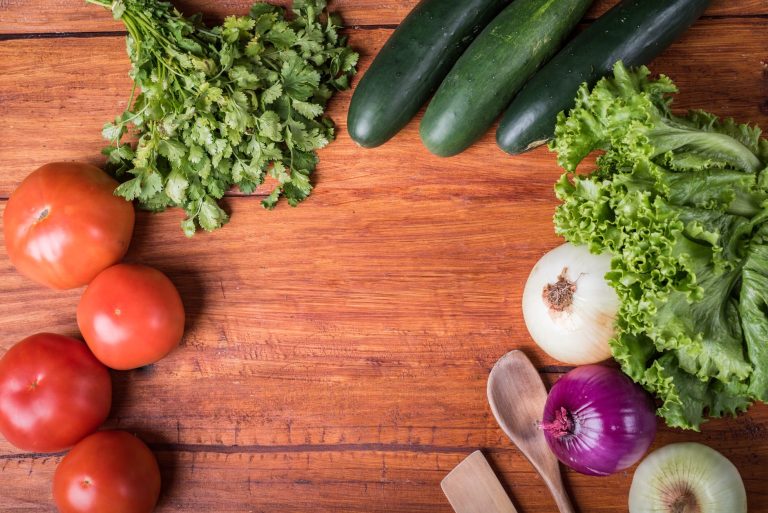
[IMAGE: organic vegetables]
Why Gut Health Shapes Weight Loss and Energy
Your gut does far more than process breakfast and dinner. It helps regulate appetite, supports immune function, influences inflammation, and affects how your body absorbs nutrients. When the gut is stressed by too much ultra-processed food, too little fiber, erratic meal timing, or chronic stress, the result is often visible: more cravings, slower digestion, unstable energy, and frustration with weight loss efforts.
This is where clean eating becomes powerful. A healthy diet built around organic food can reduce exposure to synthetic additives and encourage a more nutrient-dense plate. That does not mean every organic product is automatically healthy, but it does mean your daily food choices can become more intentional. Organic vegetables, fruit, legumes, grains, proteins, and fermented foods often make it easier to eat in a way that feels lighter and more balanced.
The gut-weight connection in plain English
When people talk about weight loss, they often focus only on calories. Calories matter, of course, but appetite, satiety, digestion, and insulin response matter too. A well-fed gut sends better signals to the brain and body. It helps you feel satisfied after meals rather than hunting for snacks an hour later.
- More fiber can help you feel full longer and support regular digestion.
- Fermented foods may help diversify the gut environment and support comfortable digestion.
- Stable blood sugar can reduce energy crashes that trigger cravings.
- Lower inflammation may support better recovery, better mood, and better adherence to a healthy lifestyle.
- Better nutrient absorption helps your body use the food you eat more efficiently.
Have you noticed how some meals leave you calm and satisfied, while others leave you bloated and restless? That difference is often less about appetite control and more about food quality and digestive comfort.
Where organic food fits in
Organic food is not a magic bullet, but it can be a smart foundation. Organic produce is typically grown without most synthetic pesticides and fertilizers, and organic packaged foods are generally subject to stricter ingredient standards. For people who want a cleaner, more mindful approach to nutrition, that matters.
- It can make meals feel fresher and more seasonal.
- It often encourages home cooking, which improves food awareness.
- It can reduce the temptation to rely on heavily processed convenience foods.
- It fits naturally into a clean eating or detox diet approach without becoming extreme.
When organic food becomes the default, you are less likely to build meals around empty calories and more likely to eat in a way that supports digestion, satiety, and long-term weight loss.
The Best Organic Foods for a Gut-Friendly Plate
If your goal is to improve gut health while keeping your meals satisfying, focus on foods that work together. Fiber feeds beneficial bacteria, fermented foods add variety to the microbiome, and proteins plus healthy fats help you stay full. The real advantage of organic eating is that it makes these choices feel more natural and less processed.
Fermented organic foods that support balance
Fermented foods are one of the most valuable additions to a healthy diet because they bring beneficial microorganisms and often improve food variety. Organic versions are especially appealing when you want to keep your ingredient list short and simple.
- Organic yogurt with live cultures
- Kefir, a tangy, drinkable fermented dairy option
- Sauerkraut, especially unpasteurized versions
- Kimchi, for people who enjoy more spice
- Miso, useful in soups and dressings
Start slowly if you are new to fermented foods. A few tablespoons at a time is often enough at first. For some people, too much too soon can feel uncomfortable. The best approach is gradual, consistent, and attentive to your body.
How to choose fermented foods wisely
Not every fermented product is a gut-health hero. Some are loaded with added sugar, excessive sodium, or artificial flavors. Read labels carefully and keep the focus on simple, recognizable ingredients. If you want a true clean eating approach, choose options with live cultures and minimal processing whenever possible.
Prebiotic vegetables that feed good microbes
Fermented foods are only part of the story. Prebiotic foods provide the fibers your beneficial microbes need to thrive. This is where organic vegetables become especially valuable. They are versatile, easy to cook, and ideal for anyone trying to create a detox diet that is grounded in real nutrition rather than restriction.
- Onions
- Garlic
- Leeks
- Asparagus
- Artichokes
- Organic oats
- Bananas, especially slightly underripe ones
Prebiotic foods are an easy win because they work quietly in the background. You do not need a complicated plan. A roasted tray of onions, carrots, broccoli, and garlic can support digestion while also making dinner feel satisfying and elegant.
[IMAGE: healthy meal]
Fiber-rich fruit, seeds, and grains
For weight loss, one of the smartest strategies is to build meals that naturally keep you full. Fiber helps with that. It slows digestion, supports smoother bowel movements, and often reduces the urge to keep snacking long after a meal should have been enough.
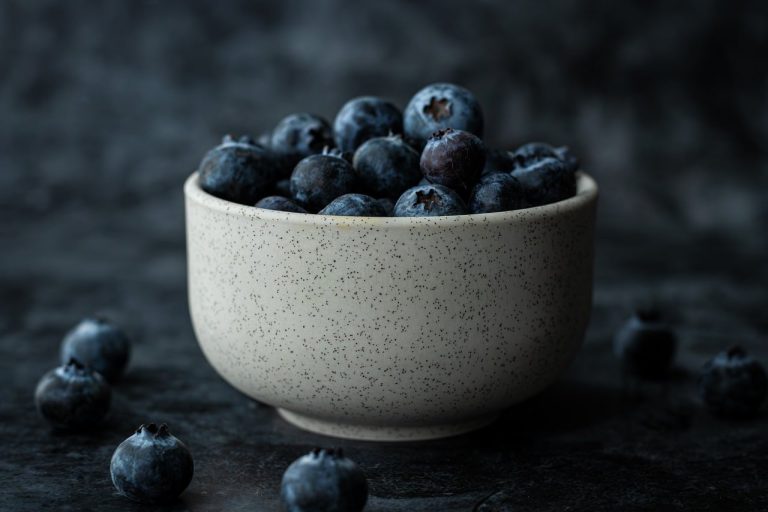
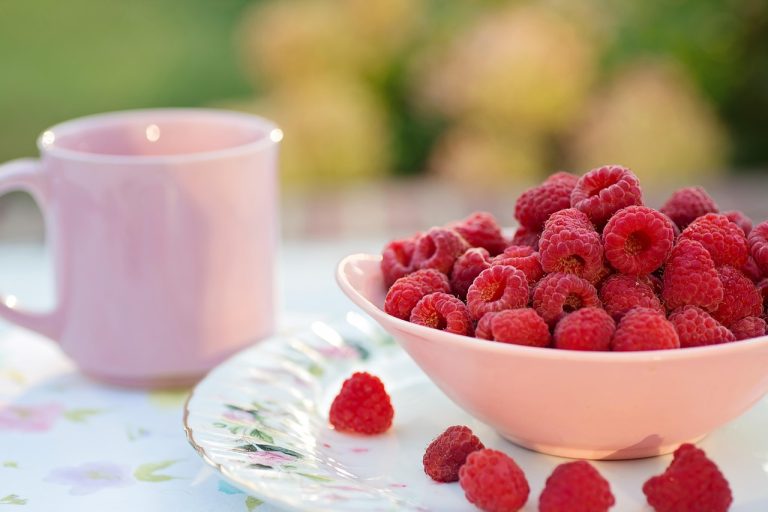
- Berries, especially blueberries, raspberries, and blackberries
- Apples with the skin on
- Pears
- Chia seeds
- Ground flaxseed
- Pumpkin seeds
- Organic quinoa and oats
Try pairing fruit with protein or healthy fat to keep blood sugar steadier. For example, berries with yogurt, apple slices with almond butter, or chia pudding with cinnamon can satisfy your sweet tooth without derailing a healthy lifestyle.
Smart organic proteins and healthy fats
Protein is essential if you want a healthy diet that supports weight loss without constant hunger. Organic protein sources can be especially helpful because they often fit well into a whole-foods approach.
- Organic eggs
- Organic chicken
- Organic turkey
- Organic tofu or tempeh
- Organic Greek yogurt
- Beans and lentils, ideally cooked from dried or low-sodium canned versions
Healthy fats matter too. They help you feel satisfied, improve the flavor of your meals, and can support nutrient absorption. Think avocado, extra-virgin olive oil, walnuts, almonds, chia, and flax. These foods help a clean eating plan feel rich rather than restrictive.
A Practical Clean Eating Template for Everyday Meals
The best healthy diet is the one you can repeat on a busy Tuesday, not just the one that looks perfect on Sunday afternoon. If you want organic food to support weight loss, structure your meals so they are simple enough to repeat and flexible enough to fit your real life.
Build each plate in four parts
- Half the plate: colorful organic vegetables or a mix of vegetables and leafy greens
- One quarter: protein, such as eggs, fish, tofu, chicken, beans, or yogurt
- One quarter: smart carbohydrates like quinoa, oats, sweet potatoes, brown rice, or lentils
- One small addition: healthy fat, such as olive oil, avocado, seeds, or nuts
This structure is helpful because it takes guesswork out of portion control. It also supports energy, satiety, and digestive comfort. If you are following a detox diet idea, this is the safer and more effective route: whole foods, balance, and consistency instead of extreme deprivation.
A one-day organic menu example
Breakfast: organic Greek yogurt with berries, chia seeds, and a spoonful of oats. Add cinnamon for flavor and blood-sugar support.
Lunch: a large salad with organic greens, cucumbers, carrots, chickpeas, avocado, pumpkin seeds, and olive oil dressing. Add fermented sauerkraut on the side if you enjoy it.
Snack: an apple with almond butter or a small handful of walnuts.
Dinner: roasted organic salmon or tofu, quinoa, broccoli, and garlic sautéed in olive oil.
Optional evening drink: warm herbal tea, such as peppermint or ginger.
Does this sound complicated? It should not. Good nutrition often becomes easier when the meals are built from a few high-quality ingredients instead of endless processed options.
Simple swaps that make a big difference
Sometimes the most powerful changes are the smallest ones. Swapping just a few items in your kitchen can change the trajectory of your entire week.
- Choose organic oats instead of sugary cereal.
- Swap sweetened yogurt for plain organic yogurt with fruit.
- Replace creamy bottled dressings with olive oil, lemon, and herbs.
- Use roasted vegetables instead of fried sides.
- Choose nuts and seeds over packaged snack bars with long ingredient lists.
How to Turn Organic Eating Into Sustainable Weight Loss
Many people think weight loss requires a harsh approach, but the better strategy is usually a kinder one. If your meals are satisfying, nutrient-dense, and easy to repeat, you are much more likely to stick with them. Organic food can help here because it often nudges you toward meals that feel more whole and less engineered.
Use protein to reduce random snacking
One of the biggest reasons diets fail is hunger. If breakfast is mostly refined carbohydrates, hunger often returns quickly. If each meal includes protein, fiber, and fat, your appetite usually becomes much more manageable. This does not mean eating more food than you need; it means eating food that works better for you.
- Include protein at every meal.
- Do not wait until you are starving to eat.
- Pair carbohydrates with fiber and fat.
- Avoid replacing meals with juice alone.
Be mindful with liquid calories
Smoothies and juices can be useful, but they can also sabotage weight loss if they become dessert in disguise. A healthy smoothie should include fiber, protein, and unsweetened ingredients. For example, blend spinach, organic berries, chia seeds, plain yogurt, and water or unsweetened milk. That is very different from a fruit-heavy drink with no staying power.
If you are building a clean eating routine, ask yourself a useful question before every drink: will this nourish me or simply add calories without helping me feel full?
Practice the 80/20 approach
Perfection is exhausting, and exhaustion leads to quitting. A more realistic path is the 80/20 approach: let most of your meals come from whole, organic, minimally processed foods, while leaving room for flexibility. This is especially important if you are trying to maintain a healthy lifestyle while managing work, family, travel, or social events.
- Eat mostly organic food at home.
- Make the best possible choice when dining out.
- Keep a few nourishing snacks available for busy days.
- Do not let one off-plan meal become a lost weekend.
Move your body to support digestion and fat loss
Food matters, but movement amplifies the benefits. Walking after meals can improve digestion. Strength training supports metabolism. Gentle yoga can reduce stress that may otherwise drive overeating. An active body often has an easier time using food efficiently.
[IMAGE: fitness lifestyle]
If you want weight loss to feel more natural, think of movement as part of the meal story, not an unrelated task. Even twenty minutes of walking after lunch can be more helpful than you might expect.
A Gentle Detox Diet Using Organic Foods
The phrase detox diet can be misleading when it suggests that your body needs a harsh cleanse to function properly. In reality, your liver, kidneys, lungs, skin, and digestive system are already working around the clock. What you can do is reduce the burden on those systems and give them excellent raw materials. That is where organic food shines.
Focus on support, not deprivation
A gentle detox diet should feel like nourishment, not punishment. Instead of cutting calories aggressively, build meals around foods that are easy to digest, rich in water and fiber, and low in highly processed ingredients.
- Organic leafy greens
- Cucumbers
- Celery
- Lemon water
- Ginger tea
- Broccoli and cauliflower
- Berries
- Legumes in moderate portions
These foods can help you feel lighter and more energized, especially if your diet has been heavy in sugar, refined flour, alcohol, or packaged snacks.
What a sensible detox day might look like
Morning: water with lemon, followed by a breakfast of organic eggs and sautéed spinach.
Midday: vegetable soup, a salad with seeds and olive oil, plus a piece of fruit.
Afternoon: herbal tea and a small handful of nuts.
Evening: roasted vegetables, quinoa, and a lean protein or plant-based protein source.
This kind of approach is gentle enough to repeat and effective enough to make a difference. It supports digestion without sending your body into stress mode.
Why harsh cleanses often backfire
Very restrictive plans can cause fatigue, rebound eating, and a frustrating cycle of temporary control followed by overcorrection. They also tend to ignore the long game. If your real goal is better nutrition, a healthier lifestyle, and lasting weight loss, then food quality and consistency matter more than extremes.
Ask yourself: do you want a dramatic reset that fades in three days, or a way of eating that actually changes how you feel six weeks from now?
Common Organic Diet Mistakes to Avoid
Organic eating can be incredibly helpful, but only if it is done intelligently. A few common mistakes can slow progress or create unnecessary frustration.
Choosing organic but still ultra-processed
An organic cookie is still a cookie. Organic chips are still chips. Organic soda is still soda. The label matters, but the food’s overall quality matters more. If your cart is full of packaged foods with organic branding but very little real nutrition, your body may not feel the difference.
Not eating enough protein
People often focus so much on produce that they forget protein. That can lead to blood-sugar swings, poor satiety, and evening cravings. A healthy diet needs balance. Organic food works best when it includes enough protein to keep your meals anchored.
Overdoing healthy snacks
It is easy to eat too much of even good foods. Nuts, dried fruit, granola, nut butter, and even hummus can add up quickly if you are eating without attention. Healthy lifestyle success often depends on portion awareness as much as food selection.
Ignoring sleep and stress
No nutrition plan can fully compensate for chronic sleep deprivation or unmanaged stress. When you are tired, you are more likely to crave sugar, eat mindlessly, and skip movement. Sleep helps regulate appetite hormones, and stress management supports better digestion.
- Get consistent sleep whenever possible.
- Take short walks after meals.
- Practice slower breathing before dinner.
- Eat without screens at least once a day.
How to Build a Realistic Organic Routine That Lasts
The best nutrition strategy is the one you can sustain with your actual schedule, budget, and preferences. You do not need a perfect refrigerator full of expensive ingredients to benefit from organic food. You need a simple system.
Start with one category
If a complete pantry overhaul feels overwhelming, begin with just one category of organic food. Common starting points include:
- Leafy greens and salad vegetables
- Eggs and dairy
- Oats and grains
- Berries and apples
- Everyday proteins you cook most often
Small upgrades often create momentum. Once your kitchen starts reflecting your goals, the rest becomes easier.
Shop with a short list
Random shopping leads to random eating. A short list helps you stay focused on clean eating and reduces waste. It also makes meal prep less intimidating. For example, if you buy organic spinach, carrots, onions, lentils, yogurt, berries, quinoa, and eggs, you can create a surprising number of satisfying meals.
Prep just enough to stay ahead
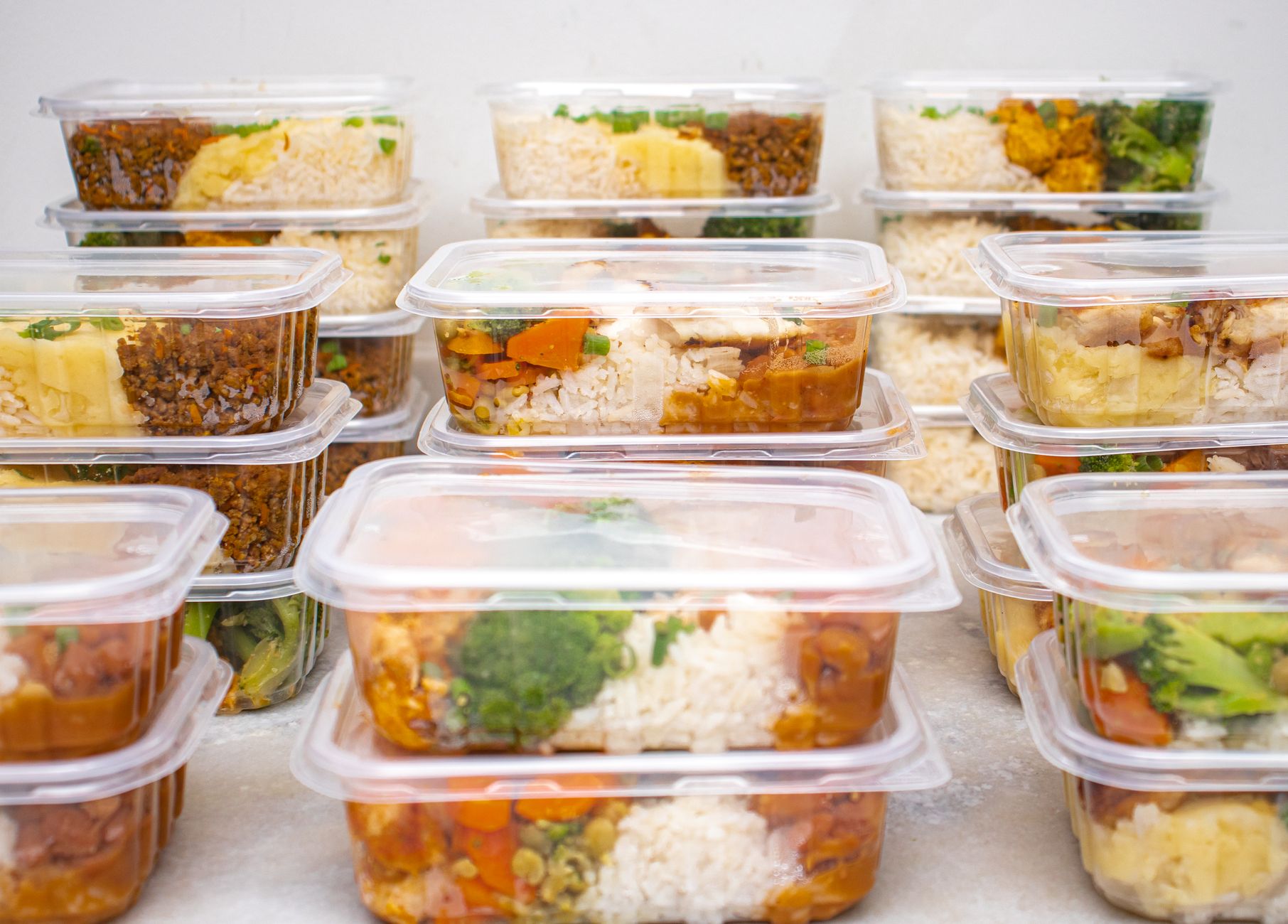
You do not need to spend an entire Sunday cooking. Sometimes the most sustainable method is simply washing greens, roasting vegetables, cooking one grain, and preparing one protein source for a few days. That small amount of prep can protect your healthy lifestyle during busy workweeks.
- Wash and chop vegetables.
- Cook a batch of quinoa or rice.
- Prepare a simple dressing.
- Make one protein in advance.
- Keep fruit visible and ready to grab.
With a little preparation, organic food becomes the easy choice instead of the hard one.
What Real Progress Looks Like
Many people look for dramatic change, but the real signs of improvement are often quieter. You may notice fewer cravings in the afternoon. You may feel less bloated after dinner. You may wake up with steadier energy. Your clothes may fit differently. Your meals may feel more satisfying. These are all signs that your nutrition is moving in the right direction.
Weight loss is easier to maintain when it is supported by a healthy diet that you genuinely enjoy. Clean eating does not have to feel austere. Organic food can be colorful, flavorful, comforting, and practical all at once. The more your meals align with your body’s needs, the less force you need to apply to stay on track.
In the end, the most effective approach is usually the least dramatic one: choose organic food where it counts, keep your meals simple, pair fiber with protein, support your gut, and let consistency do the heavy lifting. If you are ready to deepen your healthy lifestyle even further, explore more expert articles on DietOrganic and keep building a way of eating that feels as good as it looks.
About the Author