

Photo by Alexas_Fotos on Pixabay
Your digestive system affects far more than how comfortably you process a meal. It influences energy, cravings, immunity, skin clarity, mood, and even how efficiently your body manages weight loss. That is why so many people who start with a simple clean eating goal eventually discover that the real breakthrough comes from improving gut health. When your plate is built around organic food, your body gets fewer unnecessary additives, more naturally vibrant nutrients, and a stronger foundation for everyday nutrition.
But gut-friendly eating is not about chasing the latest restriction trend or surviving on a bland detox diet. It is about creating a sustainable healthy diet that supports your microbiome, steadies digestion, and makes healthy lifestyle habits easier to maintain. Have you ever noticed that some meals leave you calm, energized, and satisfied while others trigger bloating, sluggishness, or sugar cravings an hour later? Those reactions are often your body’s way of asking for a cleaner, more balanced approach.
In this guide, we will explore how organic food can support better digestion, which foods are most helpful for a healthier gut, and how to turn clean eating into a realistic routine that supports weight loss without the burnout. Think of it as a practical, elegant reset for your plate, your habits, and your daily nutrition.
Why Gut Health Matters More Than Most People Realize
Your gut is often described as your second brain, and for good reason. It is home to trillions of microorganisms that help break down food, produce certain vitamins, regulate immune responses, and communicate with the nervous system. When the balance of that ecosystem is strong, digestion tends to feel smooth, energy stays steadier, and appetite can become easier to manage. When the balance is off, you may feel bloated, foggy, or constantly hungry even if you are eating enough.
A healthy gut does not just digest food; it helps you use food well. That is a major reason organic food matters in a healthy diet. The less your body has to deal with unnecessary processing, artificial additives, and low-quality ingredients, the more efficiently it can focus on nourishment. Clean eating is not about perfection. It is about reducing noise so your system can respond to real nutrition.
The microbiome in plain English
The microbiome is the community of bacteria, fungi, and other microbes living in your digestive tract. Some of these organisms are beneficial, some are neutral, and some can become problematic when they grow too aggressively. A nutrient-rich organic diet can help feed the beneficial side of that ecosystem by supplying fiber, antioxidants, and plant compounds that support balance.
When your microbiome is well nourished, you may notice:
- Less bloating after meals
- More consistent bowel movements
- Fewer sudden cravings for sugar or ultra-processed food
- Improved satiety after eating
- Better mood and mental clarity
That is not magic; it is biology responding to the quality of your nutrition. A healthier gut environment often makes it easier to stay on track with weight loss and clean eating goals because your body is less likely to swing from discomfort to overeating.
Signs your digestion may need more support
If you have been pushing through digestive symptoms for a long time, it can be easy to normalize them. Yet the body usually gives hints before bigger issues develop. Common signs include:
- Bloating that shows up regularly after meals
- Gas or discomfort that seems to happen often
- Irregular bowel habits
- Frequent heartburn or reflux
- Cravings that feel difficult to control
- Fatigue that follows heavy or processed meals
If several of these feel familiar, your next step does not have to be extreme. A thoughtful shift toward organic food, more fiber, better hydration, and a simpler detox diet approach can make a meaningful difference over time.
How Organic Food Supports Better Digestion
Organic food is not a cure-all, but it can be a powerful part of a digestive-friendly healthy lifestyle. Organic produce, grains, dairy, and proteins are generally grown or raised with stricter standards, which often means fewer synthetic pesticides, fewer artificial inputs, and a cleaner ingredient profile overall. For many people, that translates into a gentler, more intentional way of eating.
There is also an important mental benefit. When people choose organic food, they often become more conscious of labels, cooking methods, and food quality. That awareness naturally aligns with clean eating and makes it easier to build routines that support weight loss without constant decision fatigue.
Cleaner ingredients make it easier to stay consistent
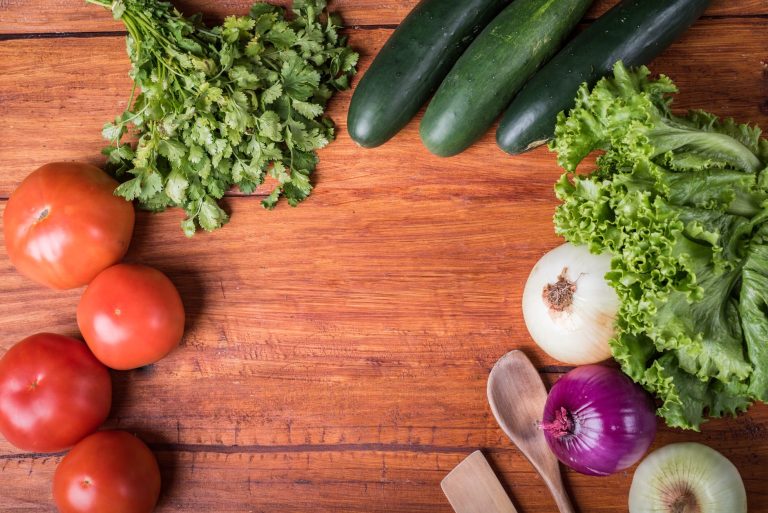
One reason processed food can work against digestion is that it is often designed for convenience rather than balance. It may contain excess sodium, added sugars, refined oils, gums, emulsifiers, and a long list of ingredients that do not contribute much nutrition. A healthy diet built around organic food usually shifts the focus back to real ingredients: vegetables, fruit, legumes, seeds, whole grains, and minimally processed proteins.
This matters because your gut tends to prefer predictability and nourishment. A plate of organic vegetables, a clean protein source, and a simple carbohydrate source can feel very different from a heavily packaged meal. Which one do you think helps your body settle more quickly? In most cases, the simpler option wins.
More fiber, more polyphenols, more support
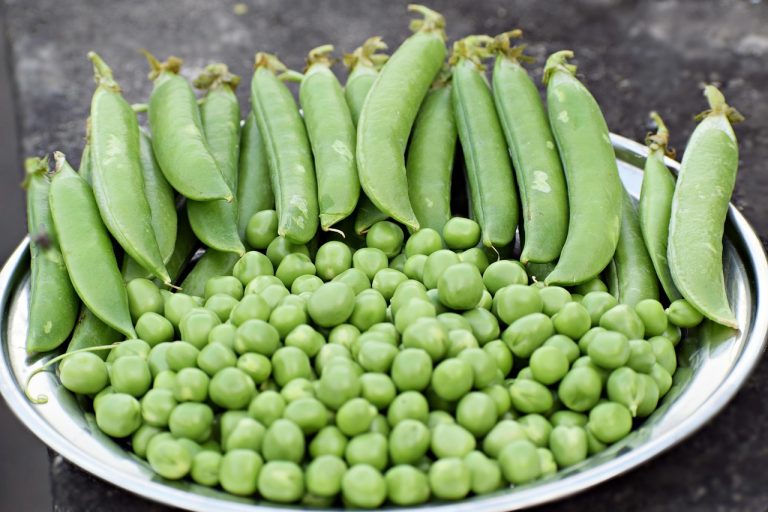
Many organic foods naturally fit a high-fiber, plant-rich pattern of eating. Fiber is one of the most important nutrients for digestion because it helps add bulk to stool, supports regularity, and feeds beneficial microbes in the gut. Polyphenols, which are naturally occurring compounds found in colorful plants, also help nourish the microbiome and support a healthier internal environment.
That is why a well-structured organic diet is often more than a trend. It is a practical way to prioritize foods that are rich in nutrition and easier for your body to use well. If your current meals are heavy on low-fiber snacks and light on fresh produce, a shift toward clean eating can be transformative.
Why variety matters more than one perfect superfood
People often ask for one food that will
About the Author