
Photo by alandsmann on Pixabay
Gut health has moved from a niche wellness topic to the center of modern nutrition, and for good reason. The condition of your digestive system can influence your energy, cravings, mood, immune function, skin clarity, and even how easily you manage weight. When your meals are built around organic food, you remove a layer of unnecessary exposure and focus on ingredients that are closer to their natural state. That is where clean eating becomes practical, not trendy: it gives your body real nutrition it can recognize and use.
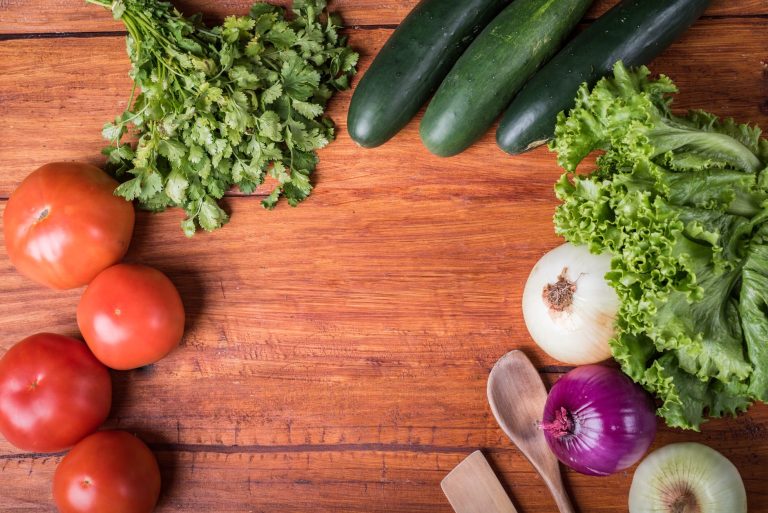
If you have ever noticed that one lunch leaves you light and focused while another causes bloating and an afternoon crash, you have already experienced the gut-weight connection. The right organic foods can nourish beneficial bacteria, support smoother digestion, and help you feel satisfied with less effort. Could the simplest change in your healthy lifestyle begin with what is on your plate today? [IMAGE: organic vegetables]
Why Gut Health Matters for Weight Loss
A healthy gut does more than digest food. It helps regulate appetite signals, stabilizes blood sugar, and influences how efficiently your body absorbs nutrients. When your digestive system is in balance, weight loss often feels more manageable because your meals satisfy you longer and your cravings become easier to understand. That is one reason organic food can play such an important role in a sustainable healthy lifestyle.
In many people, digestive discomfort and stubborn weight gain are connected to a routine that is too dependent on ultra-processed foods, added sugars, and low-fiber meals. These choices can starve beneficial bacteria while encouraging inflammation and unstable energy. A thoughtful organic diet does the opposite. It gives the gut a steady supply of fiber, antioxidants, natural enzymes, and clean protein, which can support better nutrition and a calmer digestive rhythm.
The gut-weight connection
Your gut microbiome is made up of trillions of microorganisms that help process food and support overall health. When this internal ecosystem is diverse and well fed, it can assist with metabolism and appetite control. When it is out of balance, you may feel hungrier, more bloated, or less satisfied after meals. Have you ever wondered why one person can eat a large meal and stay energized while another feels heavy and sluggish? Gut health is often part of that answer.
Organic foods rich in fiber and polyphenols help create a more favorable environment for beneficial bacteria. Over time, this can support healthier digestion and make a weight loss plan feel less restrictive. The goal is not a temporary detox diet that leaves you drained. The goal is to build meals that support your body every single day.
Healthy lifestyle beyond calories
Counting calories alone rarely creates long-term results. A truly healthy lifestyle is built on food quality, sleep, movement, hydration, and stress management. Organic food is powerful because it encourages you to think beyond numbers and focus on nourishment. Clean eating is not about perfection; it is about repeating good choices often enough that they begin to shape how you feel, look, and function.
When your meals include foods that support digestion, you are more likely to feel comfortable enough to stay active, cook more often, and make better decisions later in the day. That is why nutrition should never be treated as separate from the way you live. What you eat affects how you move, and how you move affects how you eat. The two work together.
The Organic Foods Your Gut Loves Most
Not every healthy food has the same effect on digestion, so it helps to know which ingredients deliver the biggest benefits. The best organic foods for gut support are usually rich in fiber, water, antioxidants, and natural compounds that feed beneficial bacteria. They also tend to be simple, colorful, and easy to combine into satisfying meals.
Leafy greens and cruciferous vegetables
Spinach, kale, arugula, romaine, broccoli, cauliflower, cabbage, and Brussels sprouts are all strong choices for a gut-friendly organic diet. They provide fiber that keeps digestion moving, plus plant compounds that support a healthy inflammatory response. If your goal includes weight loss, these vegetables are especially helpful because they add volume without overwhelming calories.
- Spinach works well in smoothies, omelets, soups, and salads.
- Broccoli and cauliflower are versatile enough for roasting, mashing, or stir-frying.
- Kale and arugula can bring a peppery, nutrient-dense base to bowls and wraps.
- Cabbage is excellent for slaws, soups, and fermented dishes like sauerkraut.
When you buy them organic, you support a cleaner eating routine and reduce the risk of relying on produce that has been heavily treated during cultivation. For many people, that creates peace of mind as much as nutritional value.
Fermented foods with live cultures
Fermented foods are some of the most valuable additions to an organic diet because they help introduce beneficial bacteria into the digestive system. Think of them as supportive tools rather than miracle cures. They can complement your nutrition, but they work best when the rest of your meals are also balanced and fiber-rich.
- Plain organic yogurt with live cultures can be a simple breakfast base or snack.
- Kefir offers a tangy, drinkable option that is easy to digest for many people.
- Sauerkraut adds brightness to grain bowls, sandwiches, and salads.
- Kimchi brings heat, flavor, and a fermented punch to rice or vegetable dishes.
- Miso can be stirred into soups and dressings for depth and complexity.
When choosing fermented foods, check the label carefully. You want low sugar, simple ingredients, and live active cultures where relevant. A premium healthy lifestyle is built on attention to detail.
Prebiotic foods that feed good bacteria
If probiotics are the helpful bacteria, prebiotics are the food they eat. These are especially important because a thriving gut needs both support and fuel. Prebiotic-rich organic foods include onions, garlic, leeks, asparagus, artichokes, oats, bananas, and apples. They help the beneficial microbes in your digestive system multiply and do their job well.
For example, starting your morning with organic oats, chia seeds, and sliced banana gives your gut a steady mix of soluble fiber and natural sweetness. Later, dinner could include roasted asparagus and garlic with a clean protein source. Small combinations like these create a stronger foundation than one dramatic detox diet ever could.
Clean protein and healthy fats
Protein keeps you full, supports muscle maintenance, and helps stabilize blood sugar. Healthy fats also matter because they improve satiety and can make vegetables taste satisfying instead of restrictive. In an organic food plan, choose protein and fat sources that are minimally processed and as close to nature as possible.
- Organic eggs are an easy source of protein for breakfast or lunch.
- Wild-caught fish or responsibly raised poultry can anchor a balanced dinner.
- Avocados, olives, nuts, and seeds provide creamy texture and essential fats.
- Chia seeds and flax seeds add fiber, omega-3 fats, and a subtle nutty flavor.
When protein and healthy fats appear in every meal, you are less likely to reach for random snacks that do not support nutrition or weight loss. That simple shift can change the course of your entire day.
[IMAGE: healthy meal]
A Clean Eating Plate That Actually Works
One of the biggest mistakes people make is assuming clean eating requires complicated recipes or expensive ingredients. In reality, the most effective plates are often the simplest. A smart organic meal should contain fiber, protein, color, and enough flavor to feel satisfying. If a healthy plate looks bland, it will not be easy to repeat. If it looks vibrant and tastes good, it becomes part of your lifestyle instead of a temporary challenge.
The easiest plate formula
Think of your plate in four parts: vegetables, protein, smart carbohydrates, and healthy fats. This structure keeps blood sugar steadier and supports digestion. For example, a lunch bowl might include leafy greens, roasted sweet potato, grilled chicken or chickpeas, avocado, and a lemon-herb dressing. It is balanced, visually appealing, and aligned with a clean eating mindset.
- Half the plate: non-starchy vegetables such as greens, cucumbers, broccoli, or zucchini.
- One quarter: protein such as eggs, fish, legumes, tofu, or poultry.
- One quarter: smart carbohydrates such as oats, quinoa, brown rice, or sweet potato.
- Small portion: healthy fats such as olive oil, avocado, seeds, or nuts.
This formula is flexible enough for home cooking, meal prep, or dining out. The more often you use it, the more natural healthy eating becomes.
Breakfast that supports digestion
Breakfast can set the tone for your digestion, energy, and hunger cues. A sugary pastry may feel convenient, but it rarely supports stable nutrition. A better option is a breakfast that combines fiber, protein, and fat so that your body is nourished from the start. Could your morning meal be doing more for your weight loss goals than you realize?
Good organic breakfast ideas include overnight oats with chia and berries, eggs with spinach and tomatoes, yogurt with flaxseed and walnuts, or a smoothie made with greens, frozen fruit, and kefir. Each of these choices offers a different texture and flavor profile, which matters because variety keeps clean eating interesting.
Lunch and dinner built for comfort and energy
Lunch and dinner should be filling without feeling heavy. That means choosing dishes that support digestive ease while still giving you enough fuel to stay active. Soups, grain bowls, roasted vegetable trays, sheet-pan proteins, and hearty salads are all excellent options when you want a healthy lifestyle that feels realistic.
For lunch, try a quinoa bowl with roasted vegetables, chickpeas, sauerkraut, and a tahini dressing. For dinner, imagine salmon with asparagus, sweet potato, and a side of greens dressed in olive oil and lemon. These meals do not just look good on a plate; they create the kind of nutrition that helps you feel grounded and steady.
Snacks that support digestion
Snacking is not the enemy. Random snacking without intention is the issue. If you choose organic foods that are naturally satisfying, snacks can keep energy stable and reduce overeating later. The key is to avoid anything that looks healthy on the surface but is loaded with sugar, refined starch, or hidden additives.
- Apple slices with almond butter
- Carrot sticks with hummus
- Plain yogurt with berries
- A handful of walnuts and pumpkin seeds
- Cucumber slices with guacamole
These simple options are easy to keep on hand and work well whether you are at home, at the office, or on the move.
How Organic Eating Supports Digestion and Detox
People often search for a detox diet because they want to feel lighter, more energetic, and less bloated. The truth is that your body already has a detox system in place through the liver, kidneys, lungs, and digestive tract. What you can do is support those systems with better food choices, hydration, sleep, and less exposure to heavily processed meals. Organic food fits beautifully into that strategy because it tends to be less cluttered and more nutrient-dense.
Hydration and gentle detox support
Good digestion depends on water. Fiber cannot do its job without enough fluid, and elimination becomes slower when hydration is poor. A real detox diet is not a starvation plan; it is a way of eating that reduces strain while increasing support. Start by drinking water consistently throughout the day, and consider foods with high water content such as cucumber, celery, oranges, berries, melons, and leafy greens.
You can also support digestion with warm lemon water in the morning, herbal teas between meals, and soups made with organic vegetables. These simple habits are soothing and practical, especially when you are trying to reset your eating without making life complicated.
Spices and herbs that help
Flavor should never be overlooked. Many herbs and spices can make healthy food more enjoyable while contributing their own digestive benefits. If your meals are delicious, you are far more likely to stay consistent with them. That consistency is what drives real results in nutrition and weight loss.
- Ginger can help meals feel lighter and more settling.
- Turmeric is often used in savory dishes for warmth and color.
- Fennel adds a gentle, aromatic note that works well in salads and teas.
- Mint brings freshness to yogurt, fruit, and dressings.
- Parsley and cilantro can brighten grain bowls and vegetable dishes.
These ingredients are easy to use in home cooking and can make your organic meals taste more polished, more satisfying, and more alive.
Foods that may reduce bloating
No single ingredient can erase bloating instantly, but some foods are known for being easier on digestion. If you tend to feel puffy after eating, it may help to focus on gentler meals and identify which foods your body tolerates best. Have you ever tracked how you feel after certain meals instead of just how full you are?
- Cooked vegetables instead of large amounts of raw salad
- Rice, quinoa, and oats in moderate portions
- Plain yogurt or kefir if dairy agrees with you
- Bananas, berries, and citrus fruits
- Soups and stews with simple ingredients
Eating slowly, chewing well, and keeping portions realistic often matter just as much as ingredient choice. Digestion begins before the first bite is swallowed.
A One-Day Sample Menu for Gut Health
Sometimes the easiest way to make a healthy change is to see it in action. A sample menu can turn abstract advice into something you can actually follow. The meal plan below is simple, balanced, and designed around organic foods that support digestion, nutrition, and stable energy.
Morning meal
Begin with organic oatmeal cooked in water or milk of choice, then top it with chia seeds, blueberries, sliced banana, and a spoonful of almond butter. Add plain yogurt or kefir on the side if you want extra protein and live cultures. This kind of breakfast offers fiber, natural sweetness, and staying power without spiking energy too quickly.
Midday meal
For lunch, prepare a large salad with leafy greens, roasted beets, cucumber, quinoa, avocado, chickpeas, and a lemon-olive oil dressing. If you prefer something warm, make it a bowl with brown rice, sautéed vegetables, and grilled salmon or tofu. Meals like these are easy to pack, easy to digest, and ideal for a busy healthy lifestyle.
Afternoon snack
Choose apple slices with nut butter, or a small bowl of berries with pumpkin seeds. If you need something more savory, try cucumbers with hummus or a few olives with a piece of fruit. The goal is to avoid a blood sugar roller coaster that leads to cravings later in the day.
Evening meal
For dinner, think comfort without heaviness. Baked chicken or tempeh, roasted carrots, sautéed spinach, and mashed sweet potato make an excellent meal. Finish with herbal tea if you enjoy a calming nighttime routine. The combination of protein, vegetables, and moderate carbohydrates helps your body settle into rest mode.
[IMAGE: fitness lifestyle]
How to Build the Habit Without Spending a Fortune
One of the biggest misconceptions about organic food is that it always has to be expensive. While some items can cost more, a smart approach makes the difference. Clean eating becomes much more affordable when you shop with a plan, focus on seasonal produce, and avoid waste. You do not need a luxury budget to create a healthy diet that works.
Shop with a priority list
Start with the organic foods that matter most to you and your family. If budget is a concern, prioritize items you eat often or those that are more likely to appear in raw form on your plate. This is where thoughtful shopping makes a real difference.
- Buy organic versions of the fruits and vegetables you eat every week.
- Choose store brands when the ingredient list is simple and clean.
- Stock up on staples such as oats, beans, lentils, rice, and seeds.
- Use frozen organic vegetables and berries when fresh produce is costly or less available.
When your pantry and freezer are well stocked, you are less likely to order convenience food that does not support your nutrition goals.
Prep once, eat well all week
Meal prep is not about spending your entire Sunday in the kitchen. It is about making future choices easier. Wash greens, roast a tray of vegetables, cook a pot of grains, and prepare one or two protein sources in advance. That small investment saves time when your schedule gets busy and keeps clean eating realistic.
You can also prep sauces and toppings in advance, such as lemon tahini dressing, chopped herbs, or toasted seeds. These finishing touches make healthy meals taste intentional instead of repetitive.
Choose seasonal and frozen options
Seasonal produce is often more affordable, more flavorful, and more nutrient-rich. In colder months, frozen organic vegetables and berries can be a smart alternative because they are picked and preserved at peak ripeness. That means you can maintain a strong organic diet year-round without sacrificing quality.
Think of your grocery strategy as part of your healthy lifestyle, not a chore. The easier your system is to follow, the more consistent your results will be.
Common Organic Diet Mistakes That Can Hurt Digestion
Even a well-intentioned nutrition plan can go off track if it is not balanced. Organic food is a powerful foundation, but it still needs to be used intelligently. Sometimes people assume that anything organic is automatically healthy, or they try to overhaul their entire diet too quickly. Both approaches can backfire.
Too much fiber too fast
Fiber is excellent for gut health, but adding large amounts overnight can lead to gas, discomfort, or bloating. If your current diet is low in fiber, increase gradually and drink enough water. This gives your body time to adjust. A slower approach is often more sustainable than a dramatic detox diet.
Not enough protein
Some clean eating plans become too focused on vegetables and neglect protein. That can leave you hungry, unstable, and more likely to snack mindlessly. To support weight loss and digestive balance, include protein at every meal. It helps you feel satisfied and supports lean body mass, which matters for long-term metabolism.
Relying on packaged health foods
Organic cookies, chips, bars, and frozen meals can still be highly processed. They may be better than conventional alternatives in some cases, but they are not the same as real organic food. Check labels carefully and ask yourself a simple question: is this an actual meal, or just a health halo with marketing attached?
Ignoring stress and sleep
Digestive health is not only about food. Stress can slow digestion, increase bloating, and intensify cravings. Poor sleep can do the same. If your meals are clean but your lifestyle is chaotic, progress may be slower than you expect. Breathing exercises, walking, regular sleep, and a calmer evening routine are all part of a truly healthy lifestyle.
Questions to Ask When You Shop
One of the easiest ways to stay aligned with your goals is to shop with intention. Before you place an item in your cart, ask yourself a few honest questions. Does this support my nutrition goals? Will it help me feel energized or sluggish? Is this food making my clean eating plan easier or more complicated?
These questions are especially useful when you are standing in front of snacks, drinks, and packaged foods that look appealing but may not serve your body well. A premium approach to health is not about buying more; it is about choosing better. The more often you practice this kind of awareness, the more natural it becomes to build a kitchen that supports weight loss and digestion at the same time.
Turning Organic Nutrition Into a Lifestyle
The most effective health changes are the ones you can repeat without feeling deprived. That is what makes organic food so powerful when used thoughtfully. It does not force you into extremes. Instead, it helps you create meals that are nourishing, flavorful, and supportive of gut health. Over time, those meals can improve how you feel after eating, how you move through the day, and how confidently you approach weight loss.
Ask yourself: what would happen if your default meal was built from vegetables, protein, fiber, and healthy fats instead of convenience and impulse? What if your kitchen became the place where clean eating felt easy instead of effortful? Those questions matter because they shift the focus from short-term fixes to long-term well-being. The goal is not to follow a perfect plan for a few days and then return to old habits. The goal is to make healthy choices so normal that they shape your life quietly and consistently.
Organic eating for gut health is not about chasing trends. It is about giving your body food that helps it function at a higher level. If you want more practical guidance on organic food, healthy diet strategies, weight loss, and clean eating, keep exploring the articles on DietOrganic and build a routine that feels as good as it looks.
About the Author