
Photo by Nataliya Vaitkevich on Pexels
If you have ever tried to eat better, lose weight, and still felt bloated, sluggish, or stuck in a cycle of cravings, the missing piece may not be willpower at all. It may be your gut. The way you eat can shape digestion, energy, mood, and even how easily your body manages weight. That is why organic food has become such a powerful part of modern clean eating: it is not only about avoiding unnecessary additives, but also about giving your body the kind of nutrition that helps your digestive system work the way it should.
This is where a thoughtful, gut-friendly approach becomes especially valuable. Instead of chasing extreme detox diet trends or harsh restrictions, you can build a healthy lifestyle around organic food that supports digestion and steady weight loss at the same time. What if the real secret to feeling lighter was not eating less, but eating smarter? What if the foods on your plate could calm your stomach, reduce cravings, and help you feel more energized throughout the day?
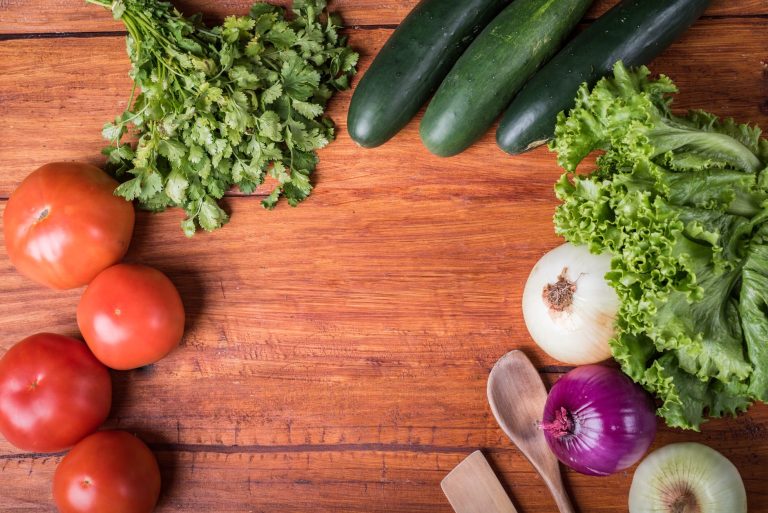
[IMAGE: organic vegetables]
In this guide, we will explore how organic food supports gut health, which ingredients deserve a place in your kitchen, and how to turn clean eating into a realistic plan for long-term nutrition. You will find practical advice, simple swaps, and everyday strategies that fit busy schedules without sacrificing flavor or satisfaction. The goal is not perfection. The goal is to create meals that nourish your body, support digestion, and make healthy weight loss feel far more sustainable.
Why Gut Health Shapes Weight Loss and Everyday Wellness
Your digestive system does much more than process meals. It helps absorb nutrients, influences energy levels, and communicates with your brain through a complex network often called the gut-brain axis. When the gut is functioning well, people often notice fewer cravings, better regularity, and more stable energy. When it is irritated or overwhelmed, the opposite can happen: bloating, fatigue, sugar cravings, and unpredictable appetite.
That connection matters for anyone interested in clean eating or a detox diet that is actually sensible. Instead of relying on dramatic cleanses, a gut-friendly diet focuses on reducing inflammation, supporting healthy bacteria, and choosing foods that are easier to digest. Organic food can play an important role because it often comes with fewer synthetic pesticide residues and less exposure to highly processed ingredients that can make a healthy lifestyle harder to maintain.
The Gut Microbiome and Why It Matters
The gut microbiome is the community of trillions of microorganisms living in your digestive tract. Some are helpful, some are less so, and balance is everything. A diverse microbiome is linked with better digestion, stronger immune function, and more reliable metabolic health. Fiber-rich organic foods, fermented ingredients, and minimally processed meals can help nourish beneficial bacteria and keep that balance in a better place.
Have you ever noticed that some meals leave you energized while others make you feel heavy or foggy? That is often the difference between nutrient-dense, gut-friendly nutrition and meals that are low in fiber, high in refined sugar, or packed with additives. When your microbiome is supported, your body tends to handle food more efficiently, which can make weight loss feel less like a struggle and more like a rhythm.
Why Organic Food Can Be a Smart Choice
Organic food is not magical, and it is not the only path to better health, but it can be a meaningful upgrade for many people. Organic produce is grown without most synthetic pesticides and herbicides, and organic animal products follow different standards for feed and care. For people focused on clean eating, this can feel like a cleaner, more intentional way to build meals.
There is also a behavioral benefit. Choosing organic food often encourages a more ingredient-conscious mindset. Shoppers may lean toward fresh vegetables, whole grains, legumes, quality proteins, and minimally processed pantry staples. That shift alone can transform nutrition habits. When your kitchen is full of real food, it becomes much easier to avoid the convenience traps that slow digestion and work against weight loss.
The Best Organic Foods for Gut Health
The best gut-friendly foods tend to do three things well: feed beneficial bacteria, move through the digestive system comfortably, and provide steady energy without overloading the body with sugar or refined starches. The following organic foods are especially useful if you want to support digestion while building a healthy lifestyle.
1. Fermented Organic Foods
Fermented foods bring live cultures and traditional flavor into a clean eating plan. They can help support diversity in the gut microbiome, and many people find them satisfying because they add tang, depth, and complexity to meals.
- Organic plain yogurt with live cultures
- Organic kefir
- Organic sauerkraut
- Organic kimchi
- Organic miso
- Organic tempeh
Start slowly if your digestive system is sensitive. A spoonful of sauerkraut or a small serving of kefir can be enough to begin with. Too much, too soon, may cause discomfort in some people, especially if they are not used to fermented foods.
2. Fiber-Rich Organic Produce
Fiber is one of the most important nutrients for gut health and weight loss. It helps keep digestion moving, supports satiety, and feeds beneficial bacteria. Organic fruits and vegetables are ideal because they can be eaten in generous portions as part of a clean eating routine.
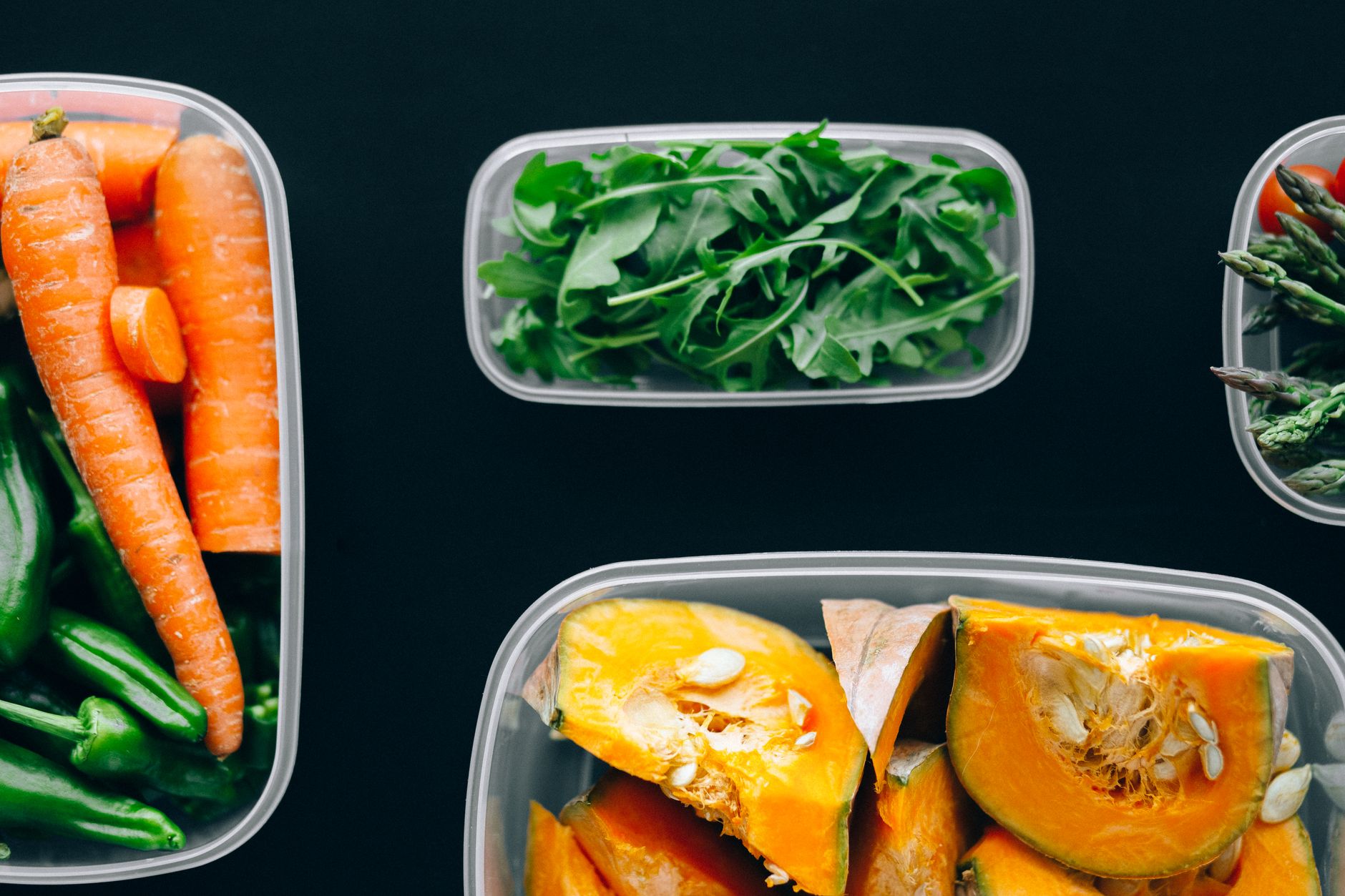
[IMAGE: healthy meal]
- Leafy greens such as spinach, kale, and arugula
- Cruciferous vegetables like broccoli, Brussels sprouts, and cabbage
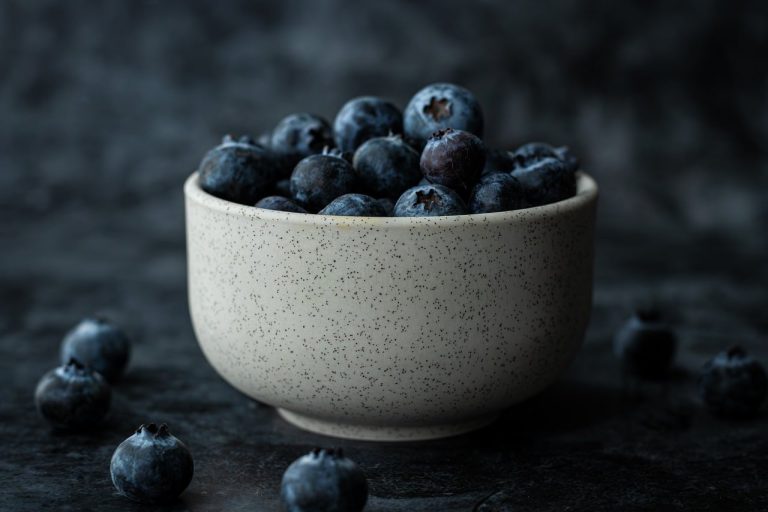
- Apples, pears, berries, and citrus fruits
- Carrots, beets, zucchini, and cucumbers
- Sweet potatoes and squash
A simple rule helps here: the more colors on your plate, the more likely you are to cover a wide range of nutrients. Different plant pigments bring different antioxidants and phytonutrients, and these compounds can support a more resilient digestive environment.
3. Prebiotic Foods That Feed Good Bacteria
Prebiotics are fibers that act as food for beneficial gut bacteria. Unlike probiotics, which are live cultures, prebiotics provide the fuel that helps those cultures thrive. In a balanced organic food plan, they are indispensable.
- Organic onions and garlic
- Organic leeks and asparagus
- Green bananas
- Oats
- Chicory root
- Cooked and cooled potatoes or rice
Combining prebiotics and probiotics is a smart move. Think yogurt with oats, kimchi with rice, or sautéed leeks added to a vegetable soup. These pairings support digestion while keeping meals satisfying and aligned with weight loss goals.
4. Organic Protein Sources That Feel Light Yet Satisfying
Protein matters because it helps preserve lean mass during weight loss, keeps hunger in check, and supports recovery if you are active. For gut health, the best choices are generally simple, minimally processed, and easy to pair with vegetables and healthy fats.
- Organic eggs
- Organic Greek yogurt
- Organic chicken breast or turkey
- Wild-caught fish when available
- Organic tofu and tempeh
- Organic lentils and beans, if well tolerated
If beans sometimes leave you bloated, that does not mean they are off-limits. It may simply mean you need smaller portions, better cooking techniques, or more gradual exposure. Soaking, rinsing, and simmering legumes thoroughly can make them easier to digest.
5. Healthy Fats That Support Hormones and Satiety
Clean eating does not mean avoiding fat. In fact, the right fats can help stabilize appetite and support a healthy lifestyle. They also improve the absorption of fat-soluble nutrients from vegetables.
- Organic extra-virgin olive oil
- Avocados
- Chia seeds
- Flaxseeds
- Walnuts and almonds
- Organic nut butters without added sugar
Use fats intentionally rather than excessively. A drizzle of olive oil, a spoonful of seeds, or a few slices of avocado can elevate a meal without making it heavy. This balance is especially helpful if you are focusing on weight loss and want meals that keep you full between eating windows.
Organic Food Swaps That Make Clean Eating Easier
Many people imagine clean eating as complicated, but it often starts with a few smart swaps. You do not need to change everything at once. Small improvements can create momentum and make your kitchen feel more supportive of your goals.
Swap Processed Snacks for Whole Foods
Instead of packaged snacks loaded with refined flour and added sugar, choose organic foods that offer fiber, protein, and natural flavor. A snack should do more than fill a gap; it should help your body maintain steady energy.
- Apple slices with almond butter
- Plain yogurt with berries
- Carrots and hummus
- Pumpkin seeds and a piece of fruit
- Cucumber rounds with guacamole
These choices work well because they are simple, portable, and less likely to trigger a later crash. If you have ever reached for a snack and felt hungrier an hour later, you already know why this matters.
Swap Sugary Breakfasts for Gut-Friendly Mornings
Breakfast is often where people accidentally derail clean eating. Sweet cereals, pastries, and flavored coffee drinks can send blood sugar on a roller coaster before the day even starts. A more balanced breakfast can help you feel centered, focused, and satisfied.
Try organic oatmeal with chia seeds and berries, eggs with spinach and avocado, or Greek yogurt topped with walnuts and cinnamon. These combinations provide a better mix of nutrition, and they can be especially helpful for weight loss because they reduce the urge to overeat later.
Swap Heavy Sauces for Fresh, Digestive-Friendly Flavor
Many store-bought sauces hide excess sugar, sodium, and highly processed oils. Instead, build flavor with ingredients that support your healthy lifestyle. Lemon juice, fresh herbs, garlic, ginger, tahini, mustard, and olive oil can turn a simple plate into something deeply satisfying.
Fresh seasoning also helps with a detox diet approach that avoids extreme cleansing. Rather than stripping your meals down, you are adding more nutrient density and more natural taste. That is a much more sustainable way to eat.
A Day of Clean Eating for Gut Health and Weight Loss
One of the easiest ways to make healthy habits real is to see them in action. The following sample day shows how organic food can support digestion, stable energy, and gentle weight loss without feeling restrictive.
Breakfast
Start with a bowl of organic oats cooked with cinnamon, chia seeds, and blueberries, plus a side of plain organic yogurt. This combination brings fiber, probiotics, and slow-digesting carbohydrates. If you prefer savory breakfast, choose eggs scrambled with spinach, mushrooms, and tomatoes, served with avocado.
Mid-Morning Option
If you need a small snack, keep it simple: an organic apple, a handful of almonds, or a small kefir drink. Ask yourself, are you truly hungry, or do you just need hydration and a pause? This kind of awareness helps prevent unnecessary grazing.
Lunch
Build a colorful bowl with mixed greens, roasted organic vegetables, quinoa, chickpeas, cucumber, sauerkraut, and olive oil-lemon dressing. The mix of fiber, protein, and healthy fats makes lunch filling without being heavy.
[IMAGE: fitness lifestyle]
Afternoon Snack
Try hummus with bell peppers, celery sticks with nut butter, or a handful of pumpkin seeds. These snacks support satiety and are easy to prepare ahead of time, especially if your afternoons tend to get busy.
Dinner
For dinner, think grilled salmon or tofu, steamed broccoli, roasted sweet potatoes, and a small serving of fermented vegetables on the side. Keep portions balanced, and let vegetables take up a large part of the plate. You do not need to eat lightly in a way that leaves you unsatisfied. You need to eat thoughtfully.
Evening Habit
End the day with herbal tea and a few minutes of quiet. Digestive health is not only about food. Stress, rushed meals, and poor sleep can all affect the gut. A calm evening routine makes your nutrition work better.
How to Build a Gentle Detox Diet Without Extremes
The phrase detox diet often brings to mind juice fasts, strict rules, and unrealistic promises. But your body already has detoxification systems in place, especially through the liver, kidneys, and digestive tract. The real goal is to support those systems with cleaner inputs and healthier routines.
Organic food can be a natural part of that process. When meals are rich in vegetables, fiber, water, and essential nutrients, your body is better equipped to do its job. That means you can focus less on punishment and more on nourishment.
Support Hydration
Water helps digestion, supports metabolism, and keeps you from confusing thirst with hunger. Try keeping a reusable bottle nearby and adding cucumber, lemon, or mint for a refreshing twist. Warm water or herbal tea may also be easier on sensitive digestion than ice-cold drinks.
Reduce the Foods That Create the Most Noise
Some foods make it harder for the body to feel balanced. Highly processed snacks, excess alcohol, refined sugar, and oversized portions can disrupt digestion and make cravings stronger. Rather than obsessing over everything, start with the biggest wins.
- Cut back on sugary drinks
- Limit ultra-processed packaged foods
- Choose simple ingredients more often
- Include vegetables at most meals
- Eat at consistent times when possible
That approach is more realistic than trying to be perfect for a week and then burning out. Clean eating should help your life feel calmer, not more chaotic.
Let Movement Help Digestion
Physical activity can support healthy digestion and improve insulin sensitivity, both of which matter for weight loss. You do not need a punishing routine. A brisk walk after dinner, a strength session, or a yoga flow can all support a better metabolism and a more comfortable stomach.
Movement also helps with stress, and stress matters more than many people realize. The gut responds to stress signals quickly. If you have ever felt your stomach tighten during a hectic week, you have already experienced the connection.
Organic Meal Prep Ideas for Busy Weeks
Healthy eating becomes much easier when you have the right food ready to go. Meal prep is not about eating the same bland dish for five days. It is about creating a flexible system that saves time and keeps your nutrition on track.
Prep Core Ingredients, Not Just Full Meals
Instead of committing to one boring container meal, prepare ingredients that can mix and match throughout the week. This makes clean eating feel fresher and gives you more variety.
- Roasted organic vegetables such as carrots, cauliflower, and zucchini
- A batch of quinoa, brown rice, or lentils
- Washed greens and chopped salad vegetables
- Hard-boiled organic eggs
- Homemade dressing or sauce
- Washed berries and sliced fruit
Create a Build-Your-Own Bowl Formula
A bowl formula makes lunch and dinner fast without sacrificing quality. Start with greens, add a grain or starchy vegetable, include protein, then finish with something crunchy, creamy, or tangy. A few examples include:
- Spinach + quinoa + salmon + cucumber + sauerkraut
- Kale + brown rice + tofu + avocado + sesame seeds
- Mixed greens + sweet potato + chicken + pumpkin seeds + lemon dressing
This kind of structure supports nutrition while reducing decision fatigue. If healthy choices are easy, they are much more likely to stick.
Keep Gut-Friendly Staples on Hand
Stocking your pantry and fridge well is a form of self-care. The foods you can reach for on a busy night will often determine whether you stay aligned with your healthy lifestyle or slide into convenience eating.
- Organic oats
- Canned organic beans and lentils
- Nut butters
- Olive oil
- Garlic and onions
- Fermented vegetables
- Frozen organic vegetables
Frozen produce can be especially useful. It is often picked at peak ripeness and can be just as nutritious as fresh options. That means you can keep clean eating practical even during a busy week.
Common Organic Diet Mistakes That Can Sabotage Results
Even people with good intentions can make a few common mistakes that interfere with digestion and weight loss. The good news is that these mistakes are easy to correct once you recognize them.
Overdoing
About the Author

About the Author