
Photo by gregroose on Pixabay
If you have ever felt bloated after meals, struggled with unpredictable cravings, or noticed that your energy dips hard in the afternoon, your gut may be asking for a reset. The good news is that a thoughtful approach to organic food, clean eating, and balanced nutrition can do far more than soothe digestion. It can support a healthier weight, improve daily comfort, and make eating feel calm instead of complicated. What you put on your plate matters, but how those ingredients work together matters just as much.
Many people search for a quick fix, but the most reliable change is usually simpler than expected: build meals around organic foods that are naturally rich in fiber, plant compounds, and digestible nutrients. When those foods are paired with enough water, smart meal timing, and a realistic routine, the result is not just better digestion. It is a more resilient healthy lifestyle that feels sustainable rather than strict.
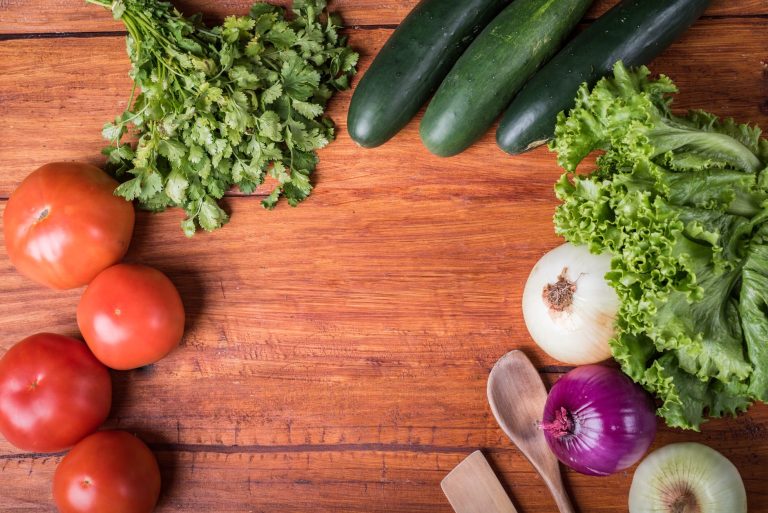
[IMAGE: organic vegetables]
This guide takes a practical look at the connection between organic food and gut health, with a special focus on clean eating and weight loss support. You will find what to eat, what to limit, and how to structure meals without falling into the all-or-nothing mindset that makes so many healthy diet plans fail. After all, what is the point of eating well if the plan is too rigid to maintain?
Why Gut Health Deserves a Place in Every Healthy Diet
Your gut is much more than a place where food gets broken down. It is an active, responsive system that helps absorb nutrients, regulate the immune response, and influence how full or satisfied you feel after eating. That is why so many people notice changes in mood, cravings, skin, and energy when their digestion improves. When the gut is working well, everyday nutrition tends to work better too.
A healthy gut also plays a quiet but important role in weight loss. Not because it magically burns fat, but because better digestion can support appetite control, more stable blood sugar, and less of the discomfort that leads to emotional eating. Have you ever reached for snacks simply because your meals left you heavy, bloated, or unsatisfied? That pattern is often connected to digestive balance.
The microbiome influences more than digestion
The gut microbiome is the community of bacteria and other microorganisms living in your digestive tract. Some of these microbes help ferment fiber, support vitamin production, and contribute to a stronger barrier in the gut lining. Others can become less helpful when the diet is low in fiber and high in ultra-processed foods. The goal is not to chase perfection. It is to create an environment where the beneficial microbes can thrive.
Organic foods can help because they are often easier to combine into meals built around plants, fiber, and fewer synthetic additives. That does not mean every non-organic item is bad, but it does mean that organic ingredients are often a cleaner foundation for a gut-supportive menu.
Common signals the gut may need support
Digestive issues do not always look dramatic. Sometimes the signs are subtle and show up slowly over time.
- Bloating after ordinary meals
- Irregular bowel movements
- Frequent cravings for sugar or salty snacks
- Feeling heavy or tired after eating
- Uncomfortable fullness that lasts too long
- Skin flare-ups that seem linked to diet
- Brain fog, especially after larger meals
These signs do not diagnose anything on their own, but they do suggest that your current eating pattern may not be giving your digestive system the support it needs. That is where a clean eating approach can be useful.
When symptoms deserve professional guidance
If digestive discomfort is persistent, severe, or paired with weight loss you did not intend, it is wise to speak with a qualified health professional. A food-first approach can be powerful, but it should never replace proper medical care when needed.
Why Organic Food Can Make Clean Eating Easier
Organic food is not a cure-all, and it is not the only path to good nutrition. Still, many people find it easier to build a consistent healthy diet when their groceries are closer to their natural form and less likely to contain artificial flavors, colors, or highly processed ingredients. Clean eating becomes less about rules and more about recognizable foods.
Choosing organic items also helps many people feel more intentional about their meals. That sense of intention matters. When you are more aware of what you buy, cook, and eat, you are more likely to create habits that support your health long term instead of for just a few days.
Organic choices often simplify ingredient quality
One of the biggest challenges in modern eating is not the lack of food. It is the abundance of foods that look convenient but are difficult for the body to use well. Packaged meals can be loaded with excess sodium, added sugar, and refined oils. Organic options often encourage a return to basics: produce, whole grains, legumes, nuts, seeds, and straightforward proteins.
That does not mean every organic product is automatically healthy. Organic cookies are still cookies. But when you build meals around organic vegetables, fruits, beans, and minimally processed staples, the overall nutrition profile improves quickly.
Why fewer additives can matter for the gut
Some people notice that their digestion is more comfortable when they reduce artificial sweeteners, emulsifiers, and heavily processed foods. The relationship between these ingredients and gut health is still being studied, but many nutrition professionals agree that a simpler ingredient list often makes it easier to understand how your body responds to food.
If your goal is a cleaner diet that supports weight loss and more consistent digestion, reducing unnecessary extras is a sensible place to begin. In practice, that means fewer packaged snacks and more whole foods you can actually recognize.
The Best Organic Foods for Gut Health
There is no single superfood that solves every digestive problem. The real power comes from combining different types of organic foods that feed beneficial microbes, provide gentle fiber, and support healthy digestion without overwhelming the system. Below are the foods that deserve a place in a gut-friendly kitchen.
Fermented foods
Fermented foods are often the most talked-about digestive allies, and for good reason. They can provide beneficial bacteria and compounds formed during fermentation that may help support a more balanced gut environment. Start slowly if you are new to them, because even helpful foods can feel strong when introduced too quickly.
- Organic plain yogurt
- Kefir
- Sauerkraut
- Kimchi
- Miso
- Tempeh
A spoonful of sauerkraut next to roasted vegetables or a small bowl of yogurt with berries can be enough to begin. You do not need large servings for these foods to become part of a healthy lifestyle.
Prebiotic vegetables and fruits
Prebiotics are the fibers and plant compounds that help feed beneficial bacteria. They are especially important if you want the microbiome to become more diverse and resilient. Organic vegetables are excellent here because they can be eaten more frequently without the meal feeling heavy or overcomplicated.
Some of the best choices include onions, garlic, leeks, asparagus, artichokes, green bananas, apples, and slightly under-ripe pears. These foods do not just support digestion; they also make meals more satisfying, which can be useful for weight loss.
[IMAGE: healthy meal]
Consider how often your plate contains something green, crunchy, or naturally fibrous. If the answer is not often, that is one of the easiest places to improve your nutrition without starting a restrictive diet.
Fiber-rich staples that keep digestion moving
Fiber is one of the most reliable tools in a clean eating strategy. It helps add bulk to stool, supports regularity, and slows the release of glucose from meals so you feel satisfied longer. Organic fiber-rich foods are especially useful when you want a healthy diet that supports weight loss without constant hunger.
- Oats
- Chia seeds
- Flaxseeds
- Lentils
- Black beans
- Quinoa
- Sweet potatoes
- Berries
A key tip: increase fiber gradually. If you go from low-fiber eating to a very high-fiber menu overnight, you may feel more bloated before you feel better. The body prefers steady change over dramatic swings.
Healthy fats and soothing additions
Digestion is not only about fiber. Healthy fats help you feel satisfied, and certain soothing ingredients can make meals easier on the stomach. Avocados, olive oil, walnuts, pumpkin seeds, and small amounts of nut butter can improve meal balance and keep cravings under control.
Herbs and spices also deserve attention. Ginger, turmeric, mint, and fennel can make food more digestible and more enjoyable. An easy organic food habit is to season meals thoughtfully instead of relying on sauces that hide sugar or excessive salt.
- Avocado on whole grain toast
- Olive oil over roasted vegetables
- Ginger in tea or smoothies
- Mint with fruit and yogurt
- Turmeric in soups and grain bowls
The best healthy diet is the one that feels satisfying enough to repeat. That is why flavor matters as much as nutrition.
A Simple Day of Organic Eating for a Happier Gut
It is easy to overcomplicate a nutrition plan by focusing on what to eliminate. A more useful method is to think about what a supportive day of eating actually looks like. When meals are built to nourish rather than restrict, clean eating becomes easier to maintain and weight loss becomes less of a struggle.
Here is a practical way to organize your day around organic foods that are rich in fiber, protein, and digestion-friendly ingredients.
Breakfast that steadies hunger
A gut-friendly breakfast should avoid the blood sugar spike and crash that often comes from pastries, sweet cereal, or a coffee-only morning. Instead, aim for a combination of protein, fiber, and a little fat.
- Organic oats topped with chia seeds, blueberries, and cinnamon
- Plain organic yogurt with flaxseed, kiwi, and walnuts
- Scrambled eggs with spinach, tomatoes, and avocado
Which one sounds easiest to repeat on busy mornings? The more realistic the breakfast, the more likely it is to become a habit.
Lunch that supports energy without heaviness
Lunch is where many people either fuel the afternoon well or set themselves up for a slump. A clean eating lunch should include vegetables, protein, and a source of slow-burning carbohydrates.
- Mixed greens with grilled chicken, cucumber, carrots, chickpeas, and olive oil dressing
- Brown rice bowl with roasted organic vegetables, tempeh, and sauerkraut
- Lentil soup with a side salad and a slice of whole grain bread
Meals like these are satisfying without being excessive, which is exactly the balance that supports weight loss while keeping digestion calm.
Dinner that helps the body wind down
Dinner does not need to be tiny, but it should be thoughtful. A heavy, greasy meal late in the evening can disturb sleep and leave the gut working overtime when it should be resting.
- Baked salmon with asparagus and sweet potato
- Vegetable stir-fry with tofu, ginger, and brown rice
- Turkey or bean chili with leafy greens
Light but nourishing dinners are often a better choice if your evening digestion tends to feel slow.
Snacks that do not derail progress
Snacking itself is not the problem. Mindless snacking on highly processed foods is the issue. A smarter approach is to keep snacks small, simple, and built from organic food when possible.
- Apple slices with almond butter
- Carrot sticks with hummus
- A handful of walnuts and berries
- Plain kefir or yogurt
- Cucumber with a sprinkle of sea salt and lemon
If you can answer the question, Am I actually hungry, or just bored and looking for something crunchy? you are already building a more mindful healthy lifestyle.
A Gentle Detox Diet Approach Without the Extremes
The term detox diet is often used to sell aggressive cleanses, but the truth is more grounded. Your body already has sophisticated detoxification pathways through the liver, kidneys, lungs, and digestive system. What a food-based detox diet should really do is support those systems instead of stressing them out.
That means choosing organic foods that reduce the load of excess sugar, alcohol, and heavily processed ingredients while increasing hydration, fiber, and micronutrients. The goal is not starvation or juice-only menus. The goal is ease.
What a real food reset looks like
A practical reset can be surprisingly ordinary. It may simply mean eating more vegetables, drinking more water, and choosing fewer packaged foods for a short period so the body can feel less overloaded. Many people notice better digestion within a few days when they do this consistently.
Supportive habits during a detox diet style reset might include:
- Starting the day with water before coffee
- Including at least two types of vegetables at lunch and dinner
- Keeping protein present in every meal
- Reducing alcohol for a week or two
- Limiting added sugar and sweet drinks
These changes are not dramatic, but they are effective because they are doable.
Why hydration matters so much
Fiber cannot do its job without enough water. If you increase vegetables, seeds, and legumes but stay underhydrated, digestion may feel worse rather than better. A clean eating plan should always include a hydration strategy.
Try water with lemon, herbal tea, or infused water if plain water feels dull. The point is not to chase a trend. It is to give your digestive system the fluid it needs to move smoothly.
Common Clean Eating Mistakes That Slow Digestion
Even well-intentioned healthy diets can create discomfort if they are unbalanced. Sometimes people assume that every wholesome food is automatically easy on the body, but digestion is more nuanced than that. A gut-friendly plan should feel supportive, not punishing.
Eating too much fiber too quickly
Fiber is beneficial, but introducing a large amount all at once can cause gas and bloating. This is especially common when someone suddenly starts eating more raw vegetables, beans, and seeds in an effort to lose weight quickly.
The fix is simple: build up gradually. Let your digestive system adapt. Start with cooked vegetables if raw salads feel too intense.
Relying on raw foods at every meal
Raw produce is nutritious, but not every digestive system loves large amounts of it, especially during periods of stress or sensitivity. Cooked vegetables are often easier to digest and can be just as nutrient-dense. A truly healthy diet includes both raw and cooked foods in a balanced way.
Forgetting enough protein
People often think clean eating means lots of fruit and vegetables with little else. In reality, protein helps preserve muscle, improve satiety, and prevent the energy crashes that lead to overeating. For weight loss and stable appetite, protein is essential.
Organic eggs, yogurt, tofu, fish, chicken, beans, and lentils can all be part of a balanced approach.
Trying to eat perfectly every day
Perfection is not a nutrition strategy. It is a stress strategy. When your plan is too strict, you may end up feeling deprived and then overeating later. A healthy lifestyle works better when it includes flexibility, not guilt.
Ask yourself: can I eat this way on a busy Tuesday, not just on a motivated Sunday? If the answer is yes, you are on the right track.
How to Build an Organic Shopping List on a Budget
One reason people avoid organic food is cost, but a smart shopping list can make it much more manageable. You do not need to buy everything organic to improve nutrition. Focus on the foods you eat most often and the ingredients that form the base of your meals.
Start with the foods that matter most to you
If you drink coffee daily, buy a cleaner version. If you eat a lot of berries, choose organic when possible. If your meals revolve around greens, eggs, and oats, prioritize those items first. A budget-friendly healthy diet is built on consistency, not on buying every premium item in the store.
Smart priority list
- Leafy greens
- Berries
- Apples
- Oats
- Eggs
- Yogurt
- Beans and lentils
- Cooking oils you use often
When you keep the list focused, organic eating feels less overwhelming and more strategic.
Use frozen and canned options wisely
Frozen organic vegetables are often just as useful as fresh ones and can be more affordable. Canned beans, tomatoes, and pumpkin can also help you prepare quick meals without sacrificing nutrition. Always check labels so you are buying simple ingredients rather than extra sugar or unnecessary additives.
Meal prep that saves time and energy
Meal prep does not need to mean a refrigerator full of identical containers. It can be as simple as preparing a few building blocks on one day so the rest of the week feels easier.
- Wash and chop vegetables in advance
- Cook a grain such as quinoa or brown rice
- Roast a tray of organic vegetables
- Prepare one protein source for several meals
- Mix a simple dressing to keep flavors interesting
This kind of prep helps clean eating become automatic instead of dependent on daily willpower.
Lifestyle Habits That Make Nutrition Work Better
Food is the foundation, but digestion and weight management are influenced by more than the ingredients on your plate. Sleep, stress, movement, and meal timing all shape how your body uses nutrition. A healthy lifestyle is not an accessory to a good diet. It is part of the system.
Stress can change digestion quickly
Have you ever lost your appetite when anxious or felt your stomach tighten during a stressful week? That is no coincidence. Stress influences the gut-brain connection and can change how comfortably food is digested. Even the best organic food plan can feel ineffective if stress is constantly high.
Simple habits such as slow breathing before meals, walking after dinner, or keeping a consistent bedtime can support digestion more than another restrictive rule ever could.
Movement helps digestion without being extreme
You do not need intense workouts to support gut health. A daily walk, light stretching, or a modest strength routine can improve circulation, support regularity, and help the body use food more efficiently. Movement also supports weight loss by raising overall daily energy expenditure in a natural way.
[IMAGE: fitness lifestyle]
Think of movement as a companion to nutrition, not a punishment for eating. That shift alone can make healthy habits feel much more sustainable.
Sleep influences cravings and appetite
Poor sleep often leads to stronger cravings, a lower threshold for stress, and less patience around food choices. If your goal is clean eating, sleep deserves a place on the same priority list as meal planning. A rested body is far more likely to crave balanced meals than quick comfort food.
A Three-Day Organic Gut-Friendly Reset
If you want a gentle, practical way to apply these ideas, think in terms of three days rather than a dramatic overhaul. Short resets are not meant to be punishment. They are a way to reduce noise and make it easier to notice how your body feels when meals are simpler and more nourishing.
Day one
Focus on hydration, regular meals, and cooked vegetables. Keep breakfast simple, like oats with berries or eggs with greens. For lunch, use a grain bowl with vegetables and protein. For dinner, choose a light but complete plate with a lean protein and a cooked side.
The goal on day one is not perfection. It is rhythm.
Day two
Add fermented foods in a small amount, such as yogurt, kefir, or sauerkraut. Keep snacks minimal and intentional. If you normally reach for processed snacks in the afternoon, replace them with fruit, nuts, or hummus and vegetables.
Notice whether your energy feels more stable when meals are built from organic food and simple ingredients.
Day three
Keep the same structure but pay attention to timing. Eat enough, but do not graze all day. Let your gut have a break between meals. This can be especially helpful if your digestion feels constant and unsettled.
By the end of day three, ask yourself: do I feel lighter, calmer, and more in control of my nutrition choices? If the answer is yes, you have already found a pattern worth repeating.
Questions People Often Ask About Organic Food and Digestion
When readers begin clean eating, they usually want direct answers. That is understandable. Nutrition can feel crowded with conflicting advice, so clarity matters.
Can organic food fix bloating?
Organic food alone does not guarantee relief, but it can be part of a more digestible, less processed way of eating. Bloating is often influenced by meal composition, fiber intake, hydration, stress, and food sensitivities. Organic produce, grains, and proteins can make it easier to build meals that are simpler and more supportive.
Is weight loss automatic with clean eating?
No, and that is actually a good thing. Weight loss is usually the result of many consistent habits: balanced meals, reasonable portions, movement, sleep, and patience. Clean eating can help because it reduces the likelihood of mindless overeating, but it works best when it is realistic rather than extreme.
Do I need a detox diet to feel better?
Not usually. Most people feel better when they reduce processed foods, drink more water, and eat more vegetables and protein. A detox diet should be understood as a supportive reset, not a harsh cleanse. Your body is already equipped to detox; your job is to make that process easier, not more stressful.
How long before I notice changes?
Some people notice lighter digestion and better energy within a few days, especially if they were previously eating a lot of processed food. More lasting changes often take several weeks of steady habits. The key is not chasing speed, but creating a healthy lifestyle that you can actually live with.
Organic food works best when it is part of an ordinary life, not a temporary performance. The most powerful changes usually come from repeated choices: a fiber-rich breakfast, a balanced lunch, a calmer dinner, a walk after work, and a shopping cart filled with ingredients that look like food instead of a chemistry experiment. If you want to keep going, explore more articles on DietOrganic for practical ideas that make nutrition feel clearer, cleaner, and much easier to enjoy.
About the Author