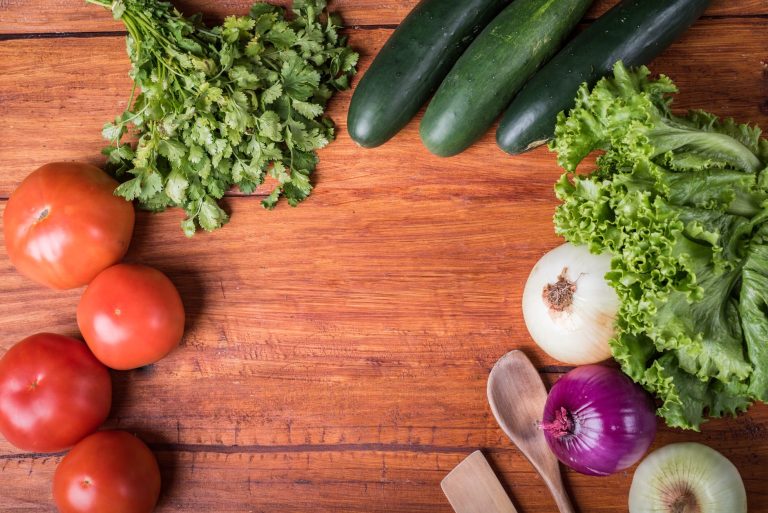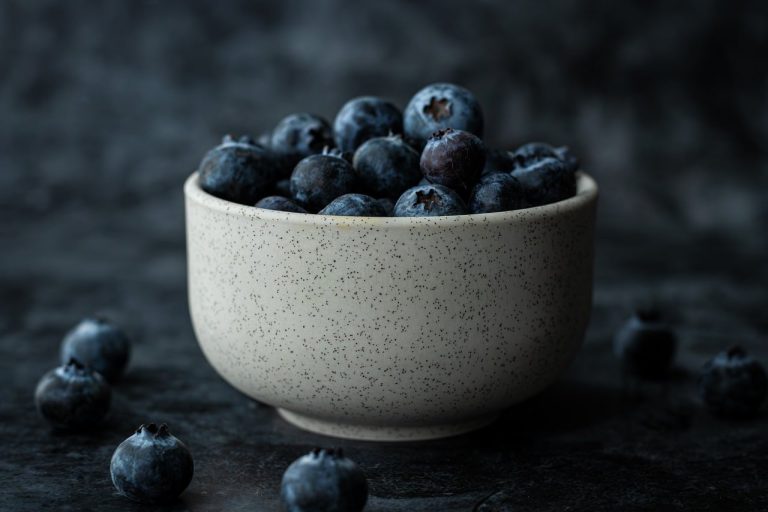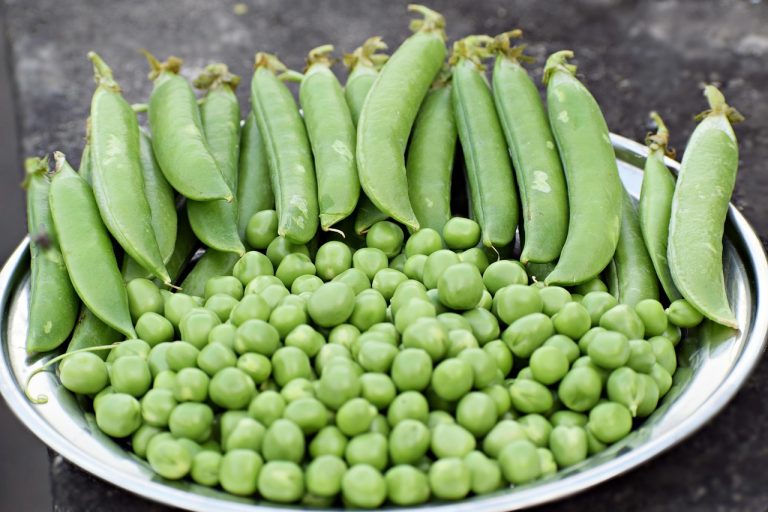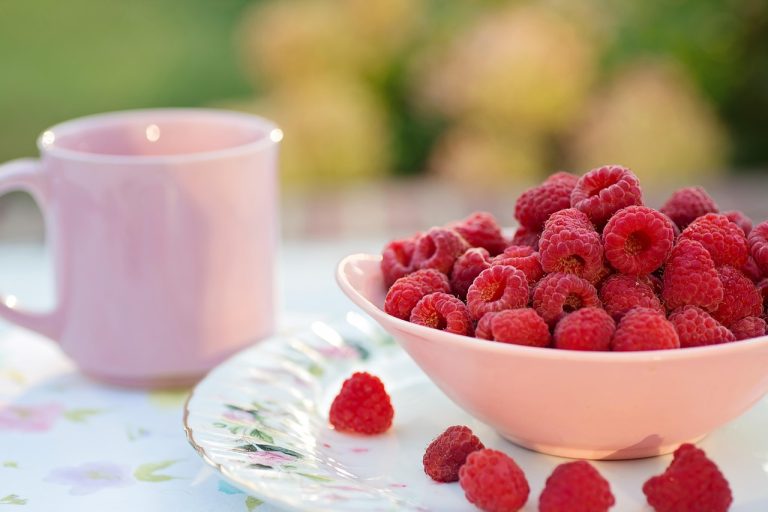

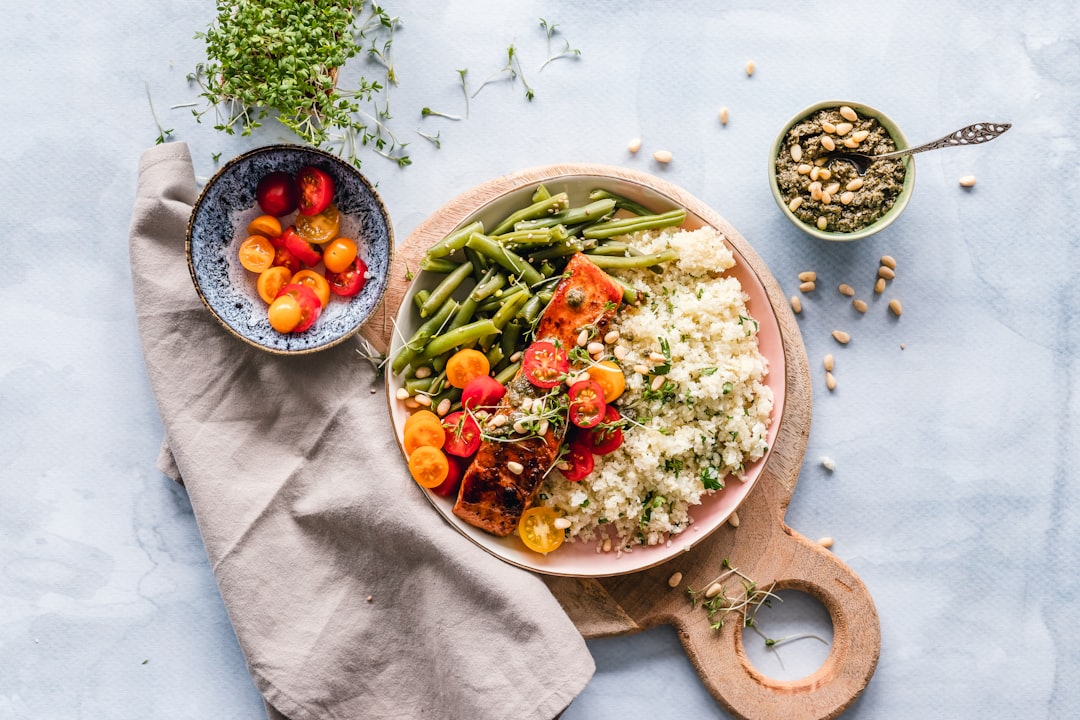
Photo by Ella Olsson on Unsplash
Your gut does far more than digest lunch. It helps regulate energy, cravings, immunity, mood, and even how efficiently your body uses food. That is why people who switch to a clean eating approach often notice changes that go well beyond the scale. Bloating feels lighter. Meals feel more satisfying. Late-night snacking loses its grip. Could the answer be as simple as choosing better organic food more often? In many cases, yes.
This guide explores how organic food can support gut health, why that matters for a healthy diet and weight loss, and how to build a realistic routine that fits modern life. You do not need a strict detox diet, a shelf full of supplements, or an extreme cleanse to feel better. You need a smart, sustainable system built around nutrition, balance, and consistency. That is what clean eating should look like: calm, practical, and deeply nourishing.
Think of this as a premium roadmap for people who want a healthy lifestyle without confusion. We will look at the foods that feed beneficial bacteria, the habits that improve digestion, and the mistakes that quietly sabotage progress. Along the way, you will see how organic food can make whole-food eating easier to maintain, especially when your goal is better digestion and steady weight loss.
Why Gut Health Changes the Way You Feel, Eat, and Manage Weight
When digestion is working well, food moves through the body with less strain, nutrients are absorbed more effectively, and the gut lining is better protected. When it is not working well, even an otherwise healthy diet can feel uncomfortable. You may be eating carefully and still dealing with bloating, sluggishness, irregularity, cravings, or afternoon energy crashes. Does that sound familiar?
The gut is home to trillions of microorganisms that influence far more than bowel movements. These microbes help break down fiber, produce helpful compounds, and communicate with the brain through complex pathways. A diet rich in plant foods, natural fibers, and minimally processed ingredients gives those microbes what they need to thrive. That is one reason clean eating often leads to improvements that feel almost immediate.
Signs Your Gut May Need More Support
Everyone has an occasional off day, but persistent symptoms can be a clue that your current routine is not supporting digestion as well as it could.
- Frequent bloating after meals
- Irregular bowel habits
- Heavy, sluggish feeling after eating
- Frequent cravings for sugar or ultra-processed snacks
- Low energy in the afternoon
- Skin flare-ups that seem connected to diet
- Feeling hungry again very soon after meals
If several of these sound familiar, your body may be asking for more fiber, more hydration, better food quality, and a more consistent eating pattern. That is exactly where organic food and clean eating can help.
Why Organic Food Is a Natural Fit for Clean Eating
Organic food is not a magic cure, and it does not automatically make every meal healthy. But it does fit naturally into a nutrition strategy that values freshness, quality, and fewer unnecessary additives. For many people, the appeal is simple: if your goal is a healthy diet, why not start with ingredients that are grown and handled with fewer synthetic inputs?
Organic produce, grains, dairy, eggs, and meat can help reduce your exposure to synthetic pesticides, artificial preservatives, and routine antibiotic use in animal production. That does not mean conventional food cannot be part of a balanced diet. It does mean that choosing organic food where it matters most can be a smart step in a broader healthy lifestyle plan.
There is also a practical benefit. Many people who buy organic naturally move toward more whole foods and fewer packaged products. In other words, the shopping habit itself can shift your routine toward clean eating. When your pantry is built around vegetables, fruit, legumes, seeds, eggs, plain yogurt, and simple whole grains, you are more likely to eat in a way that supports gut health and weight loss.
What to Look for on the Label
Not every product labeled healthy is truly supportive of digestion. A good rule is to focus on ingredients you can recognize quickly and meals that look as if they came from a real kitchen.
- Choose organic vegetables and fruits when possible, especially for foods you eat often.
- Prioritize organic eggs, yogurt, and plain dairy if they fit your diet.
- Look for short ingredient lists on packaged items.
- Limit products with long chains of sugar, gums, oils, and flavorings.
- Use certifications as a guide, but let the ingredient list make the final decision.
Clean eating is less about perfection and more about pattern. If most of your meals are built on nourishing, minimally processed organic food, your gut gets a much better environment in which to function.
Best Organic Foods for a Healthier Gut
When people ask which organic foods matter most for digestion, the answer usually starts with variety. A healthy gut prefers diversity. Different fibers feed different microbes, and different textures help keep meals satisfying. That is good news, because a gut-friendly plate can also be beautiful, colorful, and genuinely enjoyable to eat.
[IMAGE: organic vegetables]
1. Fermented Foods
Fermented foods are one of the most interesting tools in a clean eating routine because they bring both flavor and function. They contain live cultures or fermentation byproducts that can support a balanced microbiome.
- Organic plain yogurt with live cultures
- Organic kefir
- Sauerkraut made with simple ingredients
- Kimchi
- Miso
- Tempeh
Start slowly if you are new to fermented foods. A tablespoon or two can be enough at first, especially if your system is sensitive. The goal is not to overload your gut; it is to build tolerance and consistency.
2. High-Fiber Vegetables
Vegetables are the backbone of any organic food plan for gut health. They provide fiber, water, minerals, and plant compounds that help the digestive system function smoothly. A higher-fiber diet also helps you feel fuller, which is useful for weight loss without harsh restriction.
Excellent options include leafy greens, broccoli, Brussels sprouts, carrots, asparagus, beets, zucchini, artichokes, and sweet potatoes. Cooking methods matter too. Roasting, steaming, and lightly sautéing often make vegetables easier to digest than heavy frying or smothering them in rich sauces.
3. Fruit That Supports Digestion
Fruit is a natural part of clean eating when chosen in smart portions. Berries, kiwi, citrus fruit, apples, pears, and ripe bananas offer fiber and hydration while satisfying a sweet craving in a more balanced way than processed desserts.
- Berries are rich in antioxidants and gentle sweetness.
- Kiwi can be helpful for regularity.
- Apples and pears provide pectin, a soluble fiber that supports fullness.
- Citrus fruit adds freshness and can brighten meals.
If you are trying to lose weight, fruit can still belong in your routine. The key is to pair it with protein or healthy fats when needed, so your blood sugar stays steadier and you stay satisfied longer.
4. Prebiotic Staples
Prebiotics are types of fiber that feed the beneficial bacteria already living in your gut. In other words, they are the fuel that helps your internal ecosystem stay active and resilient. This is where organic food really shines, because many prebiotic-rich foods are simple, affordable, and easy to use every day.
- Onions
- Garlic
- Leeks
- Asparagus
- Oats
- Flaxseeds
- Chia seeds
- Cooked and cooled potatoes or rice in moderation
Prebiotics do not need to come from supplements. A pantry built around whole organic ingredients can deliver them naturally and consistently.
5. Gentle Proteins and Healthy Fats
Protein supports tissue repair and satiety, while healthy fats help slow digestion and keep meals satisfying. If your meals are too low in either one, you may feel hungry again quickly. That can make clean eating feel harder than it really is.
- Organic eggs
- Wild-caught fish when available
- Organic chicken or turkey
- Greek yogurt
- Avocado
- Extra-virgin olive oil
- Walnuts, almonds, and pumpkin seeds
When combined with vegetables and fiber-rich carbohydrates, these foods create meals that are easier to digest and more likely to support weight loss over time.
How Clean Eating Supports Weight Loss Without Extremes
Many people look for a fast fix when they want to lose weight, but the truth is more reassuring than dramatic. You do not need to starve, overexercise, or follow a severe detox diet to see progress. The most reliable path is often the simplest one: eat nourishing foods that calm hunger, reduce excess snacking, and make your body feel satisfied rather than deprived.
Clean eating supports weight loss because it removes a lot of the friction that drives overeating. Ultra-processed foods are designed to be easy to overconsume. They are often low in fiber, low in satiety, and highly palatable in a way that makes stopping difficult. Organic food, especially when minimally processed, naturally shifts your pattern in a better direction.
The Organic Plate Method
A balanced plate is one of the easiest tools for long-term nutrition. It does not require calorie counting, but it creates structure.
- Half the plate: non-starchy vegetables
- One quarter: protein
- One quarter: smart carbohydrates such as quinoa, brown rice, beans, or sweet potato
- Small addition: healthy fats such as avocado, seeds, or olive oil
This approach helps stabilize appetite and keeps meals satisfying. It also creates a consistent pattern for digestion, which many people find more comfortable than random grazing.
A Simple Rule for Portions
Ask yourself three questions before you serve a meal: Is there enough color? Is there enough protein? Is there enough fiber? If the answer is yes, your meal is likely to support both gut health and weight loss more effectively than a plate built around refined carbs alone.
Organic food is especially helpful here because when ingredients are fresh and minimally processed, it becomes easier to recognize when a meal is truly complete.
A One-Day Organic Gut-Friendly Eating Routine
It is one thing to talk about nutrition in theory. It is another to imagine what a clean eating day actually looks like. Here is a simple example that shows how organic food can fit naturally into a healthy lifestyle without feeling restrictive.
[IMAGE: healthy meal]
Breakfast
Organic plain yogurt topped with berries, chia seeds, and a spoonful of oats. Add cinnamon for flavor and a small handful of walnuts for texture. This meal offers protein, fiber, and natural sweetness, which can help prevent mid-morning cravings.
Lunch
A large salad made with organic mixed greens, cucumber, carrots, roasted chickpeas, avocado, and pumpkin seeds. Dress it with olive oil, lemon, and herbs. If you need more substance, add quinoa or grilled organic chicken. Why does this work so well? Because it is fresh, filling, and easy on digestion.
Snack
An apple with almond butter, or carrot sticks with hummus. A balanced snack should leave you satisfied, not searching for something else ten minutes later.
Dinner
Baked salmon or tempeh with roasted Brussels sprouts, sweet potatoes, and steamed asparagus. Keep the seasoning simple: garlic, black pepper, and herbs. Dinner does not have to be complicated to be restorative.
Hydration
Water matters more than many people realize. Dehydration can slow digestion and make you mistake thirst for hunger. Herbal tea, water with lemon, and broth-based soups can all support hydration in a gentle way.
What would happen if one day like this became your normal rather than your exception?
How a Thoughtful Detox Diet Can Support Digestion
The word detox gets used in many ways, and not all of them are helpful. Your body already has built-in detoxification systems, mainly involving the liver, kidneys, digestive tract, skin, and lungs. A well-designed detox diet should not replace these systems. It should support them by reducing the workload created by poor food choices, dehydration, and chronic stress.
That is why the best detox diet for gut health is not about juice fasts or severe rules. It is about removing the foods that irritate digestion and adding the foods that assist natural elimination. Organic food can be especially valuable here because it encourages a cleaner ingredient profile and a stronger focus on whole nourishment.
Foods That Gently Support Natural Detox Pathways
- Leafy greens such as arugula, kale, and spinach
- Cruciferous vegetables like broccoli and cabbage
- Lemon and citrus fruit
- Beets
- Garlic and onions
- Green tea in moderation
- Water-rich vegetables such as cucumber and celery
- Fiber-rich legumes and seeds
These foods support regularity, bile flow, and hydration. They are not a cleanse in the dramatic sense. They are a daily practice of feeding the body what it needs to do its work well.
When to Be Cautious
A strict detox diet can be a problem if it is too low in calories, protein, or essential nutrients. If you feel dizzy, weak, obsessed with food, or unusually fatigued, the plan is not helping you. Clean eating should improve your energy, not diminish it.
- Avoid extreme fasting if you are new to structured eating.
- Do not rely on only liquids for more than a short, medically guided period.
- Be careful with laxative-style products that promise rapid weight loss.
- Choose food-based support over punishment-based routines.
The best detox diet is one that feels like a reset, not a rescue mission.
Common Organic Diet Mistakes That Hurt Gut Health
Even the healthiest intentions can go sideways if the routine is not balanced. Many people think buying organic food is enough, but digestion depends on how the whole pattern is built.
- Too much fiber too quickly: A sudden jump in vegetables and seeds can cause gas or bloating. Increase gradually.
- Not enough protein: Meals built around salad alone may leave you hungry and less stable later in the day.
- Ignoring hydration: Fiber works best when water intake is consistent.
- Overdoing raw foods: Some people digest cooked vegetables more comfortably than large amounts of raw salad.
- Choosing organic junk food: Organic cookies are still cookies. Organic soda is still soda. The label does not replace nutrition.
- Eating too irregularly: A chaotic schedule can disrupt appetite and digestion.
If you have ever felt frustrated by clean eating, ask whether the issue is the food itself or the structure around it. That distinction matters.
Organic Foods That Support Weight Loss and Belly Fat Reduction
Can organic food help with belly fat? Not by targeting the stomach directly, because spot reduction is not how the body works. But an organic, clean eating routine can absolutely support the conditions that make fat loss more manageable: fewer cravings, better blood sugar stability, less inflammation, and more consistent satiety.
When your meals are built from whole foods, it becomes easier to create a natural calorie deficit without feeling deprived. That is important because the most sustainable weight loss plans are the ones you can repeat. Not for a week, but for months.
Foods That Make the Process Easier
- Eggs at breakfast to improve fullness
- Vegetable-heavy soups and stews
- Beans and lentils in moderate portions
- Unsweetened yogurt with berries
- Salads with protein and healthy fats
- Roasted vegetables instead of fried sides
- Herbal teas instead of sugary drinks
These are not flashy foods, but they are effective. And effectiveness is what matters when your goal is a healthy diet that supports lasting change.
[IMAGE: fitness lifestyle]
Shopping and Meal Prep for a Sustainable Healthy Lifestyle
One of the strongest predictors of nutrition success is not motivation. It is preparation. If you keep the right foods visible and ready, clean eating becomes easier than improvising every meal. The more often you have to decide what to eat while hungry, the more likely you are to choose convenience over nourishment.
Build Your Cart Once, Eat Well All Week
A smart shopping list for gut health should include variety across colors, textures, and food groups.
- Leafy greens
- Cruciferous vegetables
- Root vegetables
- Fresh herbs
- Organic eggs
- Plain yogurt or kefir
- Oats, quinoa, or brown rice
- Beans, lentils, and chickpeas
- Nuts and seeds
- Olive oil and avocado
- Citrus, berries, apples, and pears
Think in categories, not recipes. That mindset makes meal prep more flexible and less overwhelming.
Prep in Layers
You do not need to cook everything in advance. Start with the pieces that save the most time:
- Wash and chop vegetables
- Cook one or two grains in bulk
- Roast a tray of vegetables
- Prepare a simple protein source
- Mix a quick dressing or sauce
With those basics ready, you can assemble bowls, salads, wraps, soups, and grain plates in minutes. This is where a healthy lifestyle becomes practical rather than idealized.
Gut-Friendly Organic Habits Beyond the Plate
Food matters, but digestion is affected by more than food alone. Stress, sleep, movement, and even how quickly you eat all influence the gut. If your body is always in a rush, it can be harder to digest even the best organic food.
- Eat slower: Chew thoroughly and take a few minutes between bites.
- Sleep enough: Poor sleep can increase cravings and reduce resilience.
- Move regularly: Walking after meals can support digestion and blood sugar balance.
- Manage stress: Deep breathing, journaling, and time outdoors can help.
- Keep a consistent rhythm: Erratic eating patterns can make your body feel unsettled.
Even a short walk can change how a meal feels in your body. That is why fitness lifestyle habits matter so much in a digestive health strategy. Nutrition gives the body the building blocks; movement and rest help the body use them well.
Not every improvement needs to be dramatic. Sometimes the most powerful change is simply eating at a table instead of in a hurry, or turning off your phone so your nervous system can relax while you eat. Small habits accumulate, and the gut tends to respond beautifully when life becomes a little calmer.
How to Make It Work on a Busy Week
Real life does not pause for wellness. Work, travel, family, and deadlines all show up anyway. The good news is that clean eating does not require an ideal schedule. It requires a repeatable one.
Use the 80 Percent Rule
You do not need to eat perfectly. Aim for consistency most of the time. If 80 percent of your meals are built around organic food, vegetables, proteins, and whole grains, the overall pattern will still support your goals.
Have Three Backup Meals Ready
- Yogurt bowl with fruit and seeds
- Eggs with sautéed greens and avocado
- Soup or grain bowl with vegetables and beans
Backup meals protect you from fast food decisions that feel easy in the moment but leave you sluggish later.
Make Your Environment Work for You
Keep washed fruit visible. Put prepped vegetables at eye level. Store snacks in portions instead of large open bags. These small details influence behavior more than most people realize. A healthy diet becomes easier when the best option is also the most convenient one.
Questions to Ask Yourself Before Changing Your Routine
Before you overhaul your pantry or commit to a detox diet, ask a few honest questions. What is your real goal? Better digestion? Less bloating? More energy? Sustainable weight loss? Or all of the above? The best plan will be the one that addresses the full picture, not just the number on the scale.
Ask yourself:
- Do my meals contain enough fiber, protein, and healthy fat?
- Am I eating enough to feel satisfied?
- Do I drink enough water throughout the day?
- Do I rely too heavily on packaged foods, even if they are organic?
- Am I supporting my digestion with sleep, movement, and stress management?
Answering these questions honestly can reveal why progress has stalled and where the simplest fixes may be hiding.
What a Strong Organic Food Routine Can Change Over Time
At first, the benefits of clean eating may seem modest. You may notice less bloating after meals or slightly better energy in the afternoon. Over time, though, the effects often deepen. Food feels more stable. Hunger feels more predictable. Cravings become easier to navigate. And weight loss, if that is your goal, may happen in a more graceful way than with rigid dieting.
That is because organic food supports a broader pattern of eating that tends to be naturally whole, minimally processed, and closer to the way the body is designed to function. You are not forcing change. You are creating the conditions for change.
If you have ever tried to eat better and felt overwhelmed, remember this: the aim is not a perfect week, but a better pattern. One more vegetable. One less sugary snack. One more home-cooked meal. These small choices are what reshape digestion, support a healthy lifestyle, and make clean eating feel possible for the long run.
When you are ready to take the next step, keep exploring DietOrganic for more expert guidance on organic food, nutrition, weight loss, and practical clean eating ideas that fit real life. The best results often come from the habits you can repeat tomorrow, next week, and well beyond that, one nourishing meal at a time.
About the Author