
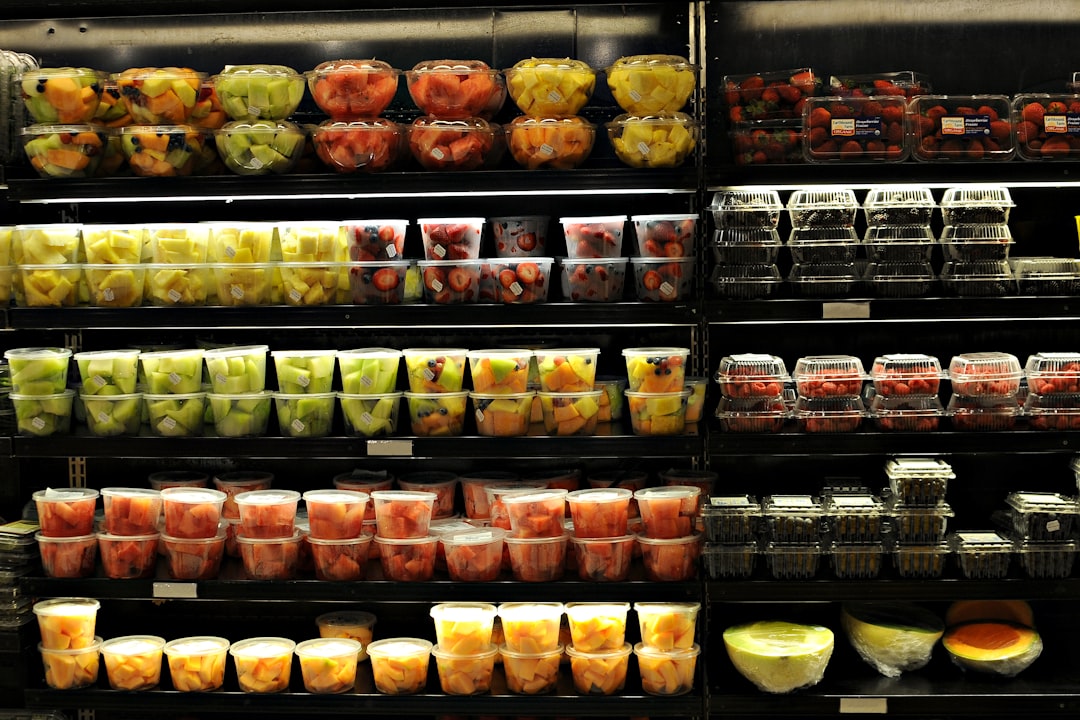
Photo by Oren Elbaz on Unsplash
Busy weeks often begin with the best intentions and end with takeout containers, skipped lunches, and a fridge full of ingredients that never became a meal. If that cycle sounds familiar, organic meal prep can change the way you eat, shop, and feel. With a little planning, you can build a clean eating routine that supports weight loss, saves time, and makes healthy choices feel almost effortless. The best part? It does not require a complicated detox diet, expensive gadgets, or hours in the kitchen. It requires a clear strategy, a few reliable recipes, and a mindset that treats food as fuel for both energy and long-term health.
Organic meal prep is not about perfection. It is about creating a simple system that helps you eat more whole foods, reduce last-minute decisions, and stay consistent when life gets hectic. When you choose organic food more often, you also make it easier to avoid overly processed options, added sugars, and the heavy, crash-and-burn meals that can derail a healthy lifestyle. Are you ready to build a weekly routine that works with your schedule instead of against it?
Why Organic Meal Prep Works So Well for Clean Eating
Clean eating becomes much easier when your meals are already planned. Instead of asking yourself what to eat three times a day, you simply open the fridge and reach for something balanced, nourishing, and ready to enjoy. That small shift can make a major difference in nutrition, energy, and calorie control.
It reduces decision fatigue
Every meal is a decision, and constant decisions are draining. When you are tired or stressed, you are far more likely to choose convenience over quality. Organic meal prep removes that pressure. You decide once, shop once, cook once, and enjoy the results all week long. This is one reason meal prep is so effective for weight loss: it keeps you from making impulsive choices when hunger is high and willpower is low.
It helps you build better portions naturally
Portion control is easier when meals are assembled in advance. You can divide proteins, vegetables, and healthy fats into containers that already match your goals. That means fewer oversized servings and fewer random snacks that do not fit your plan. If you have ever wondered why healthy eating feels easy on Monday and harder by Thursday, portion planning is often the missing piece.
It supports steady energy throughout the day
A balanced organic meal keeps blood sugar more stable than a meal built around refined ingredients. That means fewer energy crashes, fewer cravings, and less of the afternoon slump that leads to vending machine runs. Clean eating is not only about what you remove; it is also about what you add. Fiber-rich vegetables, quality protein, slow-digesting carbs, and healthy fats help you feel satisfied longer.
It makes healthy habits visible
There is something powerful about opening your refrigerator and seeing a row of colorful containers filled with vegetables, grains, and lean protein. Healthy habits become visible. Visible habits tend to be repeated. That is one of the most underrated benefits of meal prep for a healthy lifestyle.
How to Build an Organic Meal Prep Plan That Actually Lasts
Many people fail at meal prep because they try to do too much at once. They shop for fifteen recipes, spend six hours cooking, and then burn out before the week even begins. A better approach is to keep your plan simple, flexible, and realistic. Ask yourself: how many meals do you really need to prep? What meals cause the most stress? Which foods do you enjoy enough to eat repeatedly?
Start with a weekly structure
Choose the meals that matter most to your routine. For some people, that means preparing lunches and dinners. For others, breakfast and snacks are the weak points. If your mornings are chaotic, prep overnight oats, egg muffins, or chia pudding. If lunch is your problem, make a grain bowl or salad base that can be assembled quickly. A structure like this keeps organic meal prep manageable and prevents food waste.
Use a simple formula for each meal
Instead of chasing trendy recipes, build meals using a repeatable formula. This is one of the easiest ways to make clean eating sustainable.
- Protein: chicken, turkey, eggs, salmon, tofu, tempeh, beans, lentils
- Vegetables: leafy greens, broccoli, zucchini, peppers, carrots, cucumber
- Smart carbs: quinoa, brown rice, sweet potato, oats, fruit
- Healthy fats: avocado, olive oil, seeds, nuts, tahini
When you combine these four elements, you get meals that are filling, nutrient-dense, and easy to repeat. This is ideal for weight loss because it balances satisfaction with portion awareness.
Shop with purpose
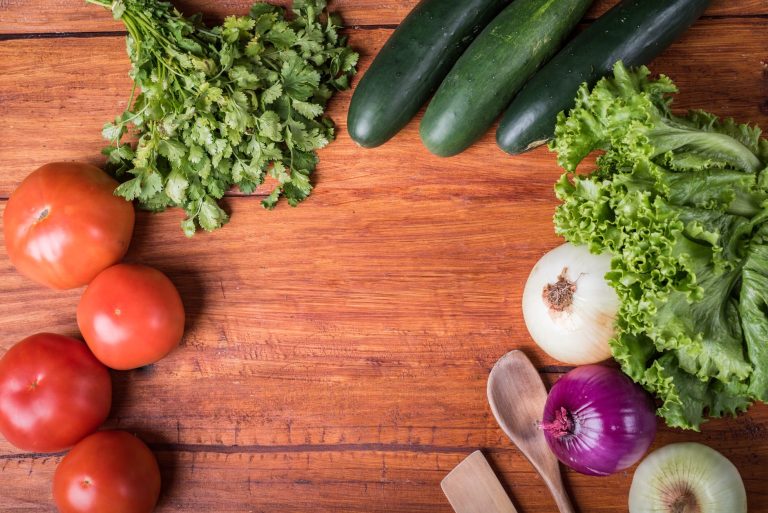
The grocery store can either support your healthy lifestyle or sabotage it. Walking in without a list usually leads to random purchases and forgotten essentials. A better strategy is to shop from a meal plan and organize your list by category. Focus on high-quality organic food that you can use in multiple meals. That might include spinach, broccoli, cucumbers, berries, apples, eggs, chicken breast, chickpeas, quinoa, and plain Greek yogurt if dairy fits your routine.
[IMAGE: organic vegetables]
Smart Organic Meal Prep Ideas for Weight Loss
If your goal is weight loss, the meals you prep should be satisfying, balanced, and easy to portion. You do not need bland food to create a calorie deficit. You need meals that taste good enough to repeat and nourishing enough to prevent cravings. Which foods help you stay full the longest? Usually, it is a mix of protein, fiber, and healthy fat.
Idea 1: Green protein bowls
Build a large container of chopped greens, roasted vegetables, and a protein of your choice. Add a grain if needed, but keep the foundation centered on vegetables. Top it with pumpkin seeds or a simple olive oil dressing. These bowls are excellent for a detox diet style of eating because they keep the focus on whole ingredients without feeling restrictive.
Example combination:
- Arugula or spinach
- Roasted broccoli and zucchini
- Grilled chicken or tofu
- Cooked quinoa
- Avocado slices
- Lemon-tahini dressing
Idea 2: Organic turkey lettuce wraps
Turkey lettuce wraps are fast, light, and easy to portion. Cook organic ground turkey with garlic, onion, and herbs, then spoon it into romaine or butter lettuce leaves. Add shredded carrots and cucumber for crunch. These wraps are ideal when you want something savory without relying on bread or heavy sauces.
Idea 3: Salmon and roasted vegetables
Salmon offers protein and omega-3 fats, making it a strong choice for both nutrition and satiety. Roast a tray of vegetables such as asparagus, carrots, and Brussels sprouts, then portion the salmon into containers with a squeeze of lemon. This kind of meal feels restaurant-quality while still supporting clean eating and weight loss goals.
Idea 4: Overnight oats with seeds and berries
Breakfast is often where healthy routines fall apart. Overnight oats fix that problem by making a nutritious morning meal ready when you wake up. Use organic oats, chia seeds, almond milk, and fresh berries. If you need more protein, add Greek yogurt, hemp seeds, or a scoop of clean protein powder. This is a simple way to stay energized without reaching for pastries or sugary cereal.
Idea 5: Egg muffins with vegetables
Whisk eggs with spinach, tomatoes, bell peppers, and herbs, then bake in muffin tins. These are portable, easy to reheat, and excellent for high-protein clean eating. Pair them with fruit or avocado for a more complete breakfast.
Idea 6: Lentil and vegetable soup
A large batch of soup is one of the most efficient forms of meal prep. Lentils deliver fiber and plant-based protein, while vegetables add volume and nutrients. A warm soup can also be especially satisfying during a detox diet or a period of simplified eating. Store it in single-serve containers and pair it with a side salad for lunch or dinner.
The Best Organic Foods to Keep on Hand Every Week
A successful organic meal prep routine is built on dependable staples. If your pantry and fridge are stocked with the right foods, it becomes much easier to stay consistent. Instead of buying random ingredients that expire quickly, focus on items that can be transformed into many meals.
Fresh produce
- Spinach, kale, arugula
- Broccoli, cauliflower, Brussels sprouts
- Carrots, zucchini, cucumbers
- Bell peppers, tomatoes, mushrooms
- Apples, berries, lemons, avocados
Protein sources
- Organic chicken breast
- Turkey
- Eggs
- Salmon
- Plain Greek yogurt
- Tofu and tempeh
- Lentils and chickpeas
Smart pantry staples
- Quinoa
- Brown rice
- Oats
- Chia seeds
- Pumpkin seeds
- Olive oil
- Nuts and nut butter
- Herbs and spices
These foods give you endless flexibility. You can build breakfast bowls, salads, soups, stir-fries, and snacks without feeling like you are eating the same thing in the same way every day.
How to Prep Organic Meals in Less Time
One of the biggest myths about meal prep is that it must take an entire Sunday afternoon. In reality, the process becomes faster when you break it into steps. A smart system can help you prep in ninety minutes or less, especially once you know your favorite recipes.
Step 1: Wash and chop first
Start with produce. Wash greens, chop vegetables, and store them in clear containers so they are ready to use. This makes it much more likely that you will eat them before they spoil.
Step 2: Cook in batches
Use the oven and stovetop at the same time. Roast vegetables on one tray while cooking grains on the stove and baking proteins in another pan. Batch cooking saves time because you are using the same heat cycle to create multiple components at once.
Step 3: Keep sauces simple
Healthy sauces can transform plain ingredients into meals you actually look forward to eating. Make a few easy dressings and store them in small jars.
- Olive oil, lemon, and herbs
- Tahini, water, garlic, and lemon
- Greek yogurt, dill, and cucumber
- Avocado, lime, and cilantro
Step 4: Portion immediately
Do not leave food in large batches for too long. Divide meals into containers while the food is still fresh and easy to handle. This protects portions and reduces the temptation to overeat from the main pan. If your goal is weight loss, this habit alone can improve consistency dramatically.
Step 5: Use a repeating prep rhythm
You do not need new recipes every week. In fact, repeating a few favorite combinations can make clean eating more sustainable. Rotate your proteins, vegetables, and sauces, but keep the structure familiar. Simplicity is often the secret behind long-term nutrition success.
[IMAGE: healthy meal]
Meal Prep Ideas for Breakfast, Lunch, Dinner, and Snacks
What does a full organic meal prep week look like in practice? The answer depends on your preferences, but a balanced routine usually includes something filling in the morning, something portable for lunch, something comforting for dinner, and a few smart snacks to prevent energy dips.
Breakfast ideas
- Overnight oats with chia seeds, blueberries, and almond butter
- Egg muffins with spinach and tomatoes
- Greek yogurt with berries and hemp seeds
- Apple slices with nut butter and cinnamon
Lunch ideas
- Chicken quinoa bowls with roasted vegetables
- Lentil soup with a side salad
- Turkey lettuce wraps with avocado
- Chickpea and cucumber salad with olive oil dressing
Dinner ideas
- Salmon with broccoli and sweet potato
- Tofu stir-fry with brown rice
- Turkey meatballs with zucchini noodles
- Baked chicken with roasted cauliflower and carrots
Snack ideas
- Celery with almond butter
- Hard-boiled eggs
- Mixed berries
- Roasted chickpeas
- Cucumber slices with hummus
- Pumpkin seeds and walnuts
These meals are not only practical; they also keep nutrition balanced across the day. When snacks are planned, you are less likely to raid the kitchen for processed food or sugar-heavy treats.
Clean Eating Tips That Make Organic Meal Prep More Effective
Clean eating becomes easier when you stop thinking in extremes. You do not need to eat perfectly to make progress. Instead, focus on a few practical habits that support consistency. Could your current routine benefit from fewer ingredients, less sugar, or more vegetables? Small adjustments often create the most lasting results.
Choose whole foods most of the time
Try to center meals around ingredients that still look close to their natural form. Fresh vegetables, fruit, eggs, beans, grains, and minimally processed proteins are the building blocks of a nutritious routine. The more whole foods you include, the easier it becomes to manage hunger and cravings.
Read labels without becoming obsessive
Organic food can still be processed, and not every organic packaged item is automatically healthy. Look at added sugar, sodium, refined oils, and ingredient length. A short ingredient list is usually a good sign, but the nutrition panel matters too. Clean eating is about overall patterns, not one perfect item.
Keep hydration in view
Hydration affects appetite, digestion, and energy. Drink water regularly throughout the day, especially if you are increasing fiber through vegetables, beans, and whole grains. If you like variety, try cucumber, lemon, or mint-infused water. This can also complement a detox diet approach that focuses on simple, supportive habits rather than harsh restrictions.
Do not under-eat
Some people try to speed up weight loss by cutting portions too aggressively. That usually backfires. If your meals are too small, you may feel tired, irritable, or ravenous later in the day. A better plan is to eat enough protein, volume from vegetables, and satisfying fats so your body feels supported.
Build meals around satisfaction
Healthy food should taste good. Use fresh herbs, spices, citrus, garlic, and texture to make meals enjoyable. Crunchy, creamy, warm, and cool elements create more satisfying meals and make clean eating feel less like a task and more like a lifestyle.
Common Organic Meal Prep Mistakes to Avoid
Meal prep is simple in theory, but a few mistakes can make it feel frustrating. If you have ever prepared a week of food only to lose interest by Wednesday, you are not alone. The good news is that most problems are easy to fix.
Making too many recipes at once
Variety is helpful, but too much variety creates chaos. Five different recipes usually turn into a cluttered kitchen and a long prep session. Start with two breakfasts, two lunches, and two dinners. Once that feels easy, expand.
Ignoring storage quality
Food lasts better when it is stored properly. Use airtight containers, separate wet and dry ingredients, and let hot food cool before sealing it. Better storage means better texture, less waste, and a stronger likelihood that you will actually eat what you prepared.
Skipping seasoning
Plain vegetables and dry chicken are the fastest way to lose enthusiasm. Season thoughtfully. Use herbs, pepper, paprika, turmeric, cumin, ginger, and garlic to build flavor without relying on heavy sauces. Great nutrition should never feel boring.
Not planning for real life
Your week probably includes meetings, errands, family responsibilities, and unexpected changes. Your meal prep should reflect that. Pack portable snacks, choose meals that reheat well, and keep one or two backup meals in the freezer. Realistic planning is what turns healthy intentions into a sustainable routine.
Focusing only on weight loss
While weight loss may be part of your goal, long-term success depends on more than the scale. Think about digestion, energy, mood, and consistency. Organic meal prep supports all of these areas when it is done thoughtfully. A healthier body is not just lighter; it is better nourished and better fueled.
[IMAGE: fitness lifestyle]
How Organic Meal Prep Supports a Healthy Lifestyle Beyond the Kitchen
Meal prep does more than organize your fridge. It shapes how you move through the day. When meals are ready, you have more mental space for work, exercise, family, and rest. You are less likely to skip meals, less likely to snack mindlessly, and more likely to stay aligned with your goals.
It can improve workout consistency
People who plan their meals often find it easier to keep up with exercise. Why? Because they are not running on empty. Balanced meals and snacks support training, recovery, and motivation. If you are active, your body will thank you for reliable nutrition.
It reinforces mindful choices
When you invest time in planning organic food and clean eating, you naturally become more mindful about other habits too. You may sleep better, drink more water, and feel more aware of hunger and fullness cues. Healthy routines often reinforce one another.
It simplifies social eating
If you already have a nourishing base of meals during the week, social events feel less disruptive. You can enjoy a dinner out without feeling as though one meal ruined your progress. That kind of flexibility is essential for a healthy lifestyle that lasts beyond a short reset.
Sample One-Week Organic Meal Prep Plan
If you want a clear starting point, use this simple weekly structure. It is balanced, adaptable, and designed to support clean eating and weight loss without making the kitchen feel like a second job.
Monday and Tuesday
- Breakfast: overnight oats with chia seeds and berries
- Lunch: chicken quinoa bowl with roasted vegetables
- Dinner: salmon with broccoli and sweet potato
- Snack: cucumber slices with hummus
Wednesday and Thursday
- Breakfast: egg muffins with spinach
- Lunch: lentil soup with side salad
- Dinner: turkey lettuce wraps with avocado
- Snack: apples with almond butter
Friday through Sunday
- Breakfast: Greek yogurt with berries and seeds
- Lunch: chickpea salad with cucumbers and olive oil dressing
- Dinner: tofu stir-fry with brown rice and vegetables
- Snack: roasted chickpeas or mixed nuts
This kind of rotation works because it is simple enough to repeat and flexible enough to adapt. You can swap proteins, seasonings, and vegetables based on what is in season or on sale. That is one of the smartest ways to keep organic meal prep affordable.
How to Keep Organic Meal Prep Affordable
Many people assume that organic food automatically means a bigger grocery bill. While some items do cost more, careful planning can make organic eating much more accessible. The key is to buy with purpose, reduce waste, and use ingredients across multiple meals.
Buy seasonal produce
Seasonal fruits and vegetables are often fresher and more affordable. They also taste better. Build your meal prep around what is abundant, not just what is trendy.
Prioritize the foods you eat most often
If your budget is limited, focus on the organic items you use every week, such as eggs, greens, berries, or chicken. You do not need every ingredient to be organic all the time to benefit from a healthier routine. Progress matters more than perfection.
Cook from leftovers intentionally
A leftover roasted vegetable tray can become a soup, salad topping, or grain bowl filler. Extra chicken can be used in wraps or lettuce cups. When you plan for leftovers, you reduce waste and save time. That kind of practical thinking makes a healthy diet feel realistic.
Use frozen organic foods
Frozen organic vegetables and fruit are convenient, nutritious, and often budget-friendly. They are especially useful for smoothies, soups, and stir-fries. Because they are picked and frozen at peak freshness, they can be a smart addition to a clean eating routine.
Why Organic Meal Prep Can Help You Stay Consistent Long Term
Consistency is the real secret behind nutrition success. Not the perfect meal. Not the trendy supplement. Not the all-or-nothing detox diet. Consistency. When you make healthy choices easier to repeat, you create momentum. And momentum is what turns a short-term plan into a lasting healthy lifestyle.
Organic meal prep works because it simplifies the difficult parts of eating well. It reduces stress, improves structure, and keeps nourishing food within reach. Over time, this can support weight loss, better digestion, and a more stable relationship with food. It also helps you trust yourself. You begin to see that healthy eating is not a dramatic event; it is a series of small decisions made with intention.
If you want a clean eating routine that feels elegant instead of exhausting, start with one weekly prep session, a few dependable recipes, and a fridge stocked with organic food you genuinely enjoy. The more your meals reflect your goals, the less effort it takes to stay on track. Explore more DietOrganic articles for fresh ideas, practical nutrition strategies, and inspiring ways to make every day feel a little healthier and more intentional.
About the Author