
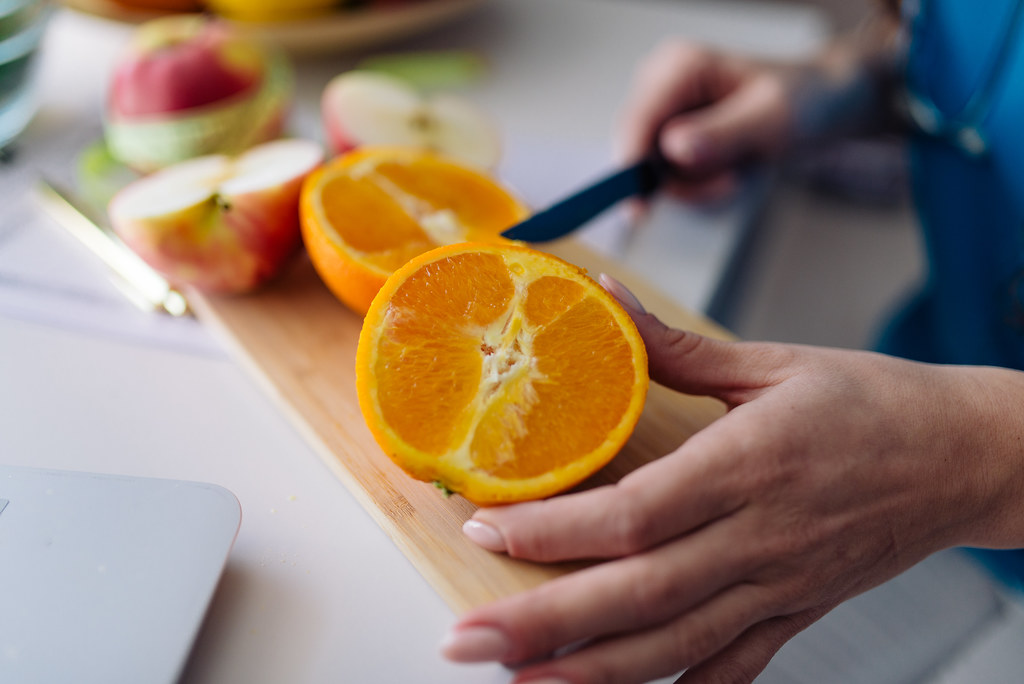
Photo by nenadstojkovicart on Openverse
If you are trying to lose weight without feeling deprived, organic food can become more than a preference; it can be a practical strategy. The right organic foods are naturally rich in fiber, water, vitamins, minerals, and satisfying texture, which means they can help you feel full while keeping your meals simple and nourishing. That is exactly the kind of foundation a healthy diet needs when your goal is sustainable weight loss rather than short-lived restriction.
Clean eating is not about perfection. It is about choosing foods that work with your body instead of against it. When your plate is built from organic vegetables, whole grains, lean proteins, and smart fats, your nutrition improves and your cravings often become easier to manage. Have you ever noticed how a meal made from real ingredients feels different from a meal built around convenience foods? That difference matters more than many people realize.
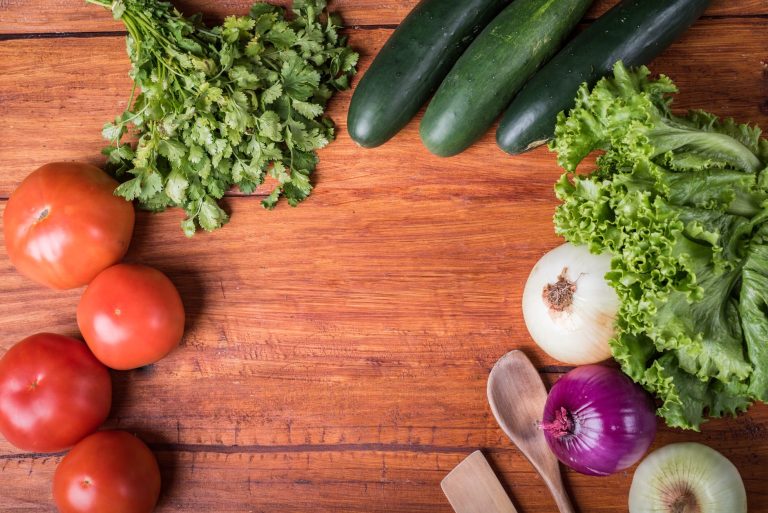
[IMAGE: organic vegetables]
Weight loss is often framed as a numbers game, but the most successful approach usually starts with food quality. Organic produce, minimally processed grains, and thoughtfully sourced proteins can support better appetite control, steadier energy, and a more balanced relationship with food. In other words, a clean eating plan based on organic food can make healthy habits feel natural instead of forced.
Why Organic Food Fits a Weight Loss Strategy
Organic food is not magic, and no ingredient can erase the need for overall portion control, regular movement, and consistent habits. Still, organic choices can make a weight loss plan easier to stick with because they often encourage a more intentional way of eating. When you shop for fresh produce, whole foods, and simple ingredients, you are less likely to fill your kitchen with highly processed items that undermine your progress.
Less Ultra-Processed Clutter Means Better Food Decisions
One of the biggest obstacles to weight loss is the ease with which highly processed foods can sneak into daily meals. Chips, pastries, sugary cereals, packaged desserts, and many frozen convenience foods are engineered to be hyper-palatable. They are often easy to overeat and difficult to stop eating. Organic food, especially in its whole form, creates a different environment. It encourages meals that are more filling, more visible, and more satisfying.
Think about the difference between eating a bowl of organic berries with yogurt and eating a sugary snack bar. One gives you fiber, texture, and a sense of fullness. The other may spike your hunger again within an hour. Which one is more aligned with your healthy lifestyle goals?
Nutrient Density Supports Better Appetite Control
When meals are rich in nutrition, the body often responds with better satiety. Fiber slows digestion, protein helps regulate hunger, and healthy fats can keep blood sugar steadier between meals. Many organic foods naturally fit this pattern. Leafy greens, beans, eggs, nuts, seeds, and colorful vegetables all provide nourishment with relatively few calories per serving. That makes them useful in a weight loss plan where fullness matters as much as calorie intake.
This is one reason clean eating feels so different from crash dieting. Instead of chasing restriction, you are choosing foods that support the body’s natural cues. Over time, that approach can make it easier to recognize real hunger, reduce emotional eating, and stay consistent with your nutrition goals.
Organic Eating Often Encourages Better Meal Awareness
People who shop organic often begin cooking more at home, reading labels more carefully, and choosing fewer packaged foods. That shift alone can transform a healthy diet. When you prepare your own meals, you control ingredients, portions, and quality. You also become more aware of what actually satisfies you. That awareness can be a powerful tool for weight loss because it reduces random snacking and mindless overeating.
The Best Organic Foods for Weight Loss
Not all organic foods serve the same purpose, and not every healthy food is ideal for weight loss in large amounts. The best choices are the ones that provide strong nutrition, high satiety, and flexibility in the kitchen. Below are some of the most useful organic foods to build around if you want to lose weight in a realistic, sustainable way.
1. Leafy Greens
Organic spinach, kale, romaine, arugula, and Swiss chard are weight loss staples for a reason. They are low in calories but high in fiber, water, and micronutrients. You can add them to omelets, salads, soups, smoothies, and grain bowls without dramatically increasing calories.
Why they help:
- High volume with minimal calories
- Supports digestion and fullness
- Easy to combine with protein and healthy fats
A big salad with organic greens, grilled chicken, cucumber, avocado, and a simple olive oil dressing is a far better weight loss meal than a small fast-food lunch that leaves you hungry an hour later.
2. Cruciferous Vegetables
Broccoli, cauliflower, Brussels sprouts, cabbage, and bok choy are some of the most versatile organic vegetables you can keep in rotation. They are high in fiber and can be roasted, steamed, stir-fried, or blended into soups. They also create a satisfying sense of fullness because of their volume and texture.
Best ways to use them:
- Roast broccoli with garlic and lemon
- Make cauliflower rice for a lower-calorie base
- Shred cabbage into crunchy slaws for lunch
These vegetables can support a detox diet in a sensible, food-based way because they help you eat more plants, not because they perform some dramatic cleansing trick. Your body already has a detox system; what it needs is enough fiber, hydration, and nutrient-rich food to do its job well.
3. Organic Berries
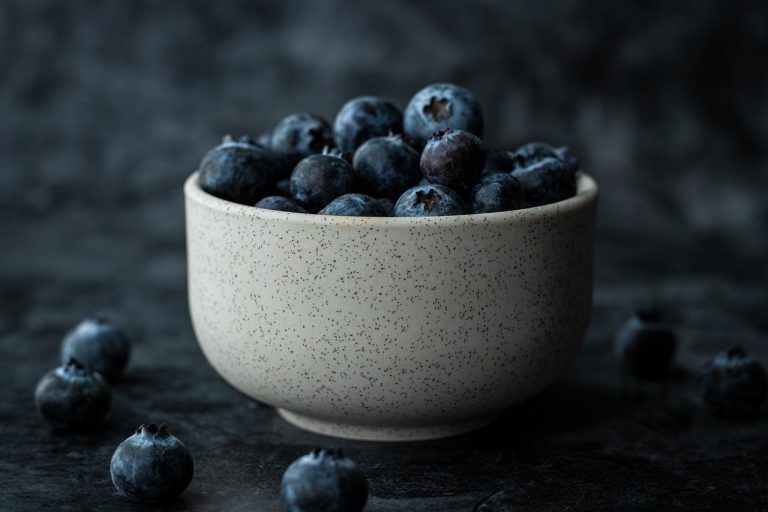
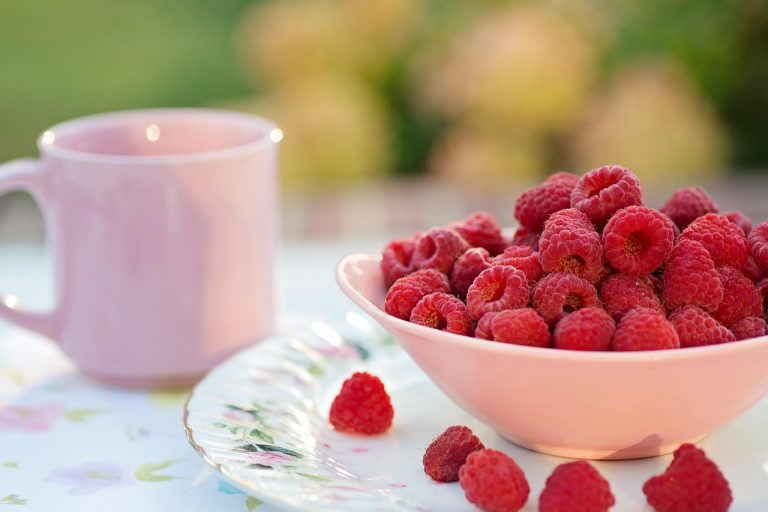
Blueberries, raspberries, strawberries, and blackberries are among the most valuable organic foods for weight loss. They are sweet enough to satisfy cravings but usually lower in sugar than many other fruits. Their fiber content can also help slow digestion, which makes them a smart addition to breakfast, snacks, and desserts.
Try them with:
- Plain Greek yogurt
- Chia pudding
- Oatmeal or overnight oats
- Salads with nuts and seeds
When you want something naturally sweet without derailing your healthy diet, berries are one of the cleanest answers.
4. Apples and Pears
Organic apples and pears are portable, affordable, and satisfying. Their high fiber content, especially when eaten with the skin, makes them excellent for curbing mid-afternoon hunger. They also pair well with nut butter, cheese, or yogurt for a balanced snack.
Have you ever eaten a piece of fruit and still felt hungry five minutes later? That usually happens when the fruit was eaten alone without enough protein or fat. Pairing apples or pears with a more substantial food can make a surprising difference in appetite control.
5. Organic Eggs
Eggs are one of the most practical organic protein sources for weight loss. They are easy to cook, budget-friendly in many regions, and highly versatile. A protein-rich breakfast can help reduce later-day snacking, which is why eggs are a favorite in many healthy lifestyle plans.
Ideas:
- Veggie omelet with spinach and tomatoes
- Hard-boiled eggs with sliced cucumber
- Egg muffins made for meal prep
Eggs are particularly useful if your goal is to create meals that feel satisfying without requiring complicated recipes.
6. Plain Greek Yogurt and Kefir
Unsweetened organic dairy can be a smart part of a healthy diet, especially when you need quick protein. Plain Greek yogurt and kefir are often more filling than sweetened breakfast options, and they work beautifully with fruit, oats, seeds, or herbs. If you tolerate dairy well, these foods can help you build a more balanced and convenient weight loss routine.
Choose varieties with:
- No added sugar
- High protein per serving
- Live cultures if you want a gut-friendly option
For people who want foods that improve digestion while supporting weight loss, kefir and yogurt can be especially helpful when used thoughtfully.
7. Beans, Lentils, and Chickpeas
Organic legumes are among the most underrated weight loss foods. They deliver plant-based protein, fiber, and long-lasting fullness at a relatively low cost. Lentil soup, chickpea salads, bean bowls, and black bean tacos can all fit beautifully into clean eating.
Why they matter:
- Help stabilize appetite
- Support digestion through fiber
- Make plant-based meals more filling
If you have been avoiding legumes because you think healthy eating must be low-carb at all times, it may be time to rethink that idea. For many people, fiber-rich carbs are exactly what make a weight loss plan sustainable.
8. Oats and Quinoa
Organic oats and quinoa are excellent pantry staples for a balanced healthy diet. Oats are comforting, budget-friendly, and easy to prepare in a way that promotes fullness. Quinoa adds protein and texture to bowls, salads, and warm lunches. Both can be paired with vegetables, yogurt, fruit, or eggs for well-rounded meals.
Smart uses:
- Overnight oats with chia and berries
- Quinoa salad with cucumber, herbs, and lemon
- Warm oats topped with cinnamon and nuts
These foods are especially useful for people who struggle with energy dips, because stable energy often reduces impulsive snacking.
9. Avocados
Avocados are calorie-dense, so portion awareness matters, but they remain one of the best organic foods for weight loss when used correctly. Their fiber and healthy fats support satiety, and their creamy texture can make meals more satisfying without needing heavy sauces.
Use them in moderation:
- Quarter or half an avocado on toast
- Sliced into salads
- Mashed into a simple dressing or dip
The key is not to fear avocados but to respect their energy density and pair them with lighter foods that balance the plate.
10. Nuts and Seeds
Organic almonds, walnuts, chia seeds, flaxseeds, pumpkin seeds, and hemp seeds can add crunch, flavor, and nutrition to meals. They are rich in healthy fats and can support fullness, but portion size matters because a little goes a long way.
Best uses:
- A tablespoon of chia in yogurt or pudding
- A sprinkle of pumpkin seeds on salads
- Walnuts with fruit for a balanced snack
When used well, these foods can make clean eating feel more satisfying and less repetitive.
How to Build a Weight Loss Plate with Organic Food
Once you understand the best ingredients, the next step is learning how to combine them. A healthy diet works best when every meal has a structure that supports fullness and energy. You do not need perfection; you need a repeatable formula.
The Simple Plate Method
For many people, this is the easiest way to approach clean eating:
- Half the plate: organic non-starchy vegetables
- One quarter: lean protein or plant protein
- One quarter: high-fiber carbs such as oats, quinoa, beans, or fruit
- Small addition: healthy fats such as avocado, olive oil, or seeds
This balance can help reduce the feeling that you are dieting all the time. Instead of counting every bite, you are building meals that naturally support weight loss.
Example of a Balanced Lunch
Imagine a bowl with organic greens, roasted broccoli, grilled salmon or chickpeas, quinoa, cucumber, a small amount of avocado, and lemon-olive oil dressing. It is colorful, satisfying, and full of nutrition. Most importantly, it is the kind of meal that can keep you full for hours.
[IMAGE: healthy meal]
Example of a Balanced Breakfast
A breakfast of eggs, sautéed spinach, tomatoes, and one slice of whole-grain toast with berries on the side offers protein, fiber, and a touch of natural sweetness. That is a far more strategic start to the day than skipping breakfast and then crashing into snacks later.
Why Portion Control Still Matters
Organic food is not automatically low in calories. Nuts, oils, cheese, granola, and even healthy smoothies can become calorie-heavy when portions grow too large. The good news is that portion control does not have to mean tiny meals. It simply means being aware of balance.
Ask yourself: are you building a plate that supports your energy, or are you accidentally turning healthy ingredients into an oversized meal? A little attention here can make a big difference over time.
Organic Meal Ideas That Make Weight Loss Easier
One of the best ways to stay on track is to stop improvising every meal. When you already know a few dependable combinations, clean eating becomes less stressful. These ideas are not meant to feel restrictive; they are meant to give you a repeatable rhythm.
Breakfast Ideas
- Greek yogurt with berries, chia seeds, and cinnamon
- Veggie omelet with kale, mushrooms, and tomatoes
- Overnight oats with flaxseed and sliced apple
- Smoothie with spinach, berries, protein, and unsweetened yogurt
Breakfast should ideally combine protein and fiber so you feel steady instead of hungry by midmorning.
Lunch Ideas
- Quinoa bowl with roasted vegetables and chickpeas
- Large salad with chicken, avocado, and pumpkin seeds
- Lentil soup with a side of cucumber and greens
- Turkey or tofu lettuce wraps with shredded cabbage
Lunch is often where people either stay on track or start to drift. A filling, colorful meal can reduce the urge to snack unnecessarily later in the day.
Dinner Ideas
- Baked salmon with broccoli and cauliflower mash
- Stir-fried tofu with bok choy, mushrooms, and brown rice
- Chicken breast with roasted Brussels sprouts and quinoa
- Bean and vegetable chili topped with fresh herbs
Dinner does not need to be heavy to be satisfying. It simply needs enough protein, fiber, and flavor to make you feel nourished.
Snack Ideas
- Apple slices with almond butter
- Carrot sticks with hummus
- Boiled eggs with cherry tomatoes
- Plain yogurt with berries
- Pumpkin seeds and a pear
Snacks are not the enemy. In many cases, planned snacks prevent overeating later. The trick is choosing options that actually help with hunger rather than triggering more cravings.
How to Shop Organic Without Overspending
Many people love the idea of organic food but worry that it will be too expensive. That concern is real, but smart shopping can make a major difference. You do not have to buy every item organic to build a healthy diet. A strategic approach often works better than an all-or-nothing mindset.
Prioritize the Foods You Eat Most Often
If you eat apples daily, buy organic apples. If spinach appears in your smoothies every morning, make that a priority. Focus your budget on the foods that show up repeatedly in your routine. This approach gives you the biggest return on investment.
Choose Frozen Organic Produce
Frozen organic vegetables and fruits are often more affordable than fresh versions and can be just as nutritious. They are also convenient, which makes it easier to avoid last-minute takeout or processed snacks. Keep frozen berries, broccoli, spinach, and cauliflower on hand for fast meals.
Buy in Season
Seasonal produce is often better tasting and less expensive. When certain fruits or vegetables are abundant, they usually become easier to buy in organic form. A seasonal mindset is good for your budget and your palate.
Focus on Staples, Not Specialty Products
Organic cookies, chips, and desserts may sound appealing, but they are not the foundation of a weight loss plan. Spend more of your budget on staples like vegetables, eggs, yogurt, oats, beans, and fruit. Those are the foods that support consistent nutrition and a healthy lifestyle.
Detox Diet Thinking: What Helps and What Does Not
The phrase detox diet is everywhere, but it is often used in misleading ways. Your body does not need extreme juice cleanses or starvation plans to detox. Your liver, kidneys, lungs, skin, and digestive system already handle that job every day. What they need is support, not punishment.
A real food approach to detox is much simpler than many people think. It means reducing alcohol, excess sugar, and heavily processed foods while increasing water, fiber, and nutrient-rich organic food. That is it. No dramatic promises, no unrealistic rules.
What a Real Food Detox Supports
- Regular bowel movements through fiber
- Hydration that helps the body function well
- Fewer cravings caused by sugar-heavy eating
- Better energy from balanced meals
In other words, a detox diet should feel like a reset toward better habits, not a punishment. If your version of detox leaves you irritable, weak, and obsessed with food, it is probably not helping your long-term goals.
Better Detox Choices for Weight Loss
Instead of chasing quick fixes, build a day around vegetables, fruit, lean protein, and water. Add soups, salads, herbal teas, and simple meals made from whole ingredients. That kind of reset can help you feel lighter and more in control without creating rebound eating later.
[IMAGE: fitness lifestyle]
Common Organic Diet Mistakes That Slow Weight Loss
Even high-quality foods can work against your goals if they are used carelessly. A clean eating plan becomes much more effective when you avoid these common mistakes.
- Eating too much of calorie-dense healthy foods: nuts, oils, granola, cheese, and avocado are nutritious but still energy-rich.
- Skipping protein: meals built only on vegetables may not keep you full long enough.
- Assuming organic automatically means weight loss friendly: organic desserts are still desserts.
- Not planning meals: good intentions disappear quickly when hunger hits and nothing is ready.
- Relying too heavily on smoothies and juices: these can be easy to overconsume and may not satisfy real hunger.
- Using health as an excuse for constant snacking: even clean snacks should have a purpose.
One practical question can help you stay grounded: is this food helping me feel satisfied and energized, or am I eating it because it sounds healthy? That small check-in can protect your progress more than another trendy rule ever will.
How Organic Food Supports a Healthy Lifestyle Beyond the Scale
Weight loss may be your starting point, but the long-term payoff of organic food is often much bigger. Many people find that cleaner meals improve not only body composition but also daily energy, digestion, and mental clarity. When nutrition is more stable, motivation for exercise, sleep, and self-care often becomes easier to sustain.
A healthy lifestyle does not have to be built around extremes. It can be built around simple routines: a grocery list, a few reliable breakfasts, a vegetable-heavy lunch, a satisfying dinner, and snacks that support rather than derail your goals. That rhythm may sound ordinary, but ordinary habits are usually the ones that last.
Clean eating also creates a ripple effect. Once you start appreciating the taste of real food, you may naturally crave fewer artificial flavors. Once you get used to being full from nourishing meals, you may stop relying on constant grazing. Once you cook more at home, you may begin to see food as care instead of stress.
A Simple One-Day Organic Weight Loss Menu
If you want a practical way to visualize everything in this article, here is a simple sample day. This is not a rigid plan; it is an example of how organic food can support weight loss without feeling complicated.
Breakfast: Greek yogurt topped with organic berries, chia seeds, and cinnamon, plus one boiled egg.
Lunch: Large salad with leafy greens, roasted vegetables, grilled chicken or chickpeas, and a lemon-olive oil dressing.
Snack: Apple slices with almond butter or carrots with hummus.
Dinner: Baked salmon or tofu, broccoli, and quinoa.
Optional evening tea: Herbal tea and water to stay hydrated.
This style of eating is powerful because it is realistic. You are not starving, you are not counting every moment of the day, and you are not relying on processed products to meet your nutrition needs. That balance is often where long-term weight loss finally becomes possible.
Building Consistency Without Burnout
The best clean eating plan is the one you can repeat. If you are constantly chasing new rules, new restrictions, and new short-term challenges, you may lose momentum. Simplicity is your ally. Pick a few breakfasts, a few lunches, and a few dinners that you genuinely enjoy, then rotate them. Buy ingredients that overlap so shopping feels easy rather than overwhelming.
Start with small shifts. Add one extra serving of vegetables a day. Replace one sugary snack with fruit and yogurt. Swap one processed meal for a homemade one. These changes may look modest, but they can create meaningful progress over time, especially when paired with movement, sleep, and stress management. The body responds best to habits that are steady and kind.
And if you have struggled before, ask yourself this: were you really failing, or were you following a plan that was too extreme to maintain? A healthy diet built around organic food does not need to be dramatic to be effective. It only needs to be consistent, practical, and genuinely nourishing. If that approach speaks to you, keep exploring more clean eating and organic nutrition ideas on DietOrganic, where smart choices are always designed to feel livable.
About the Author