
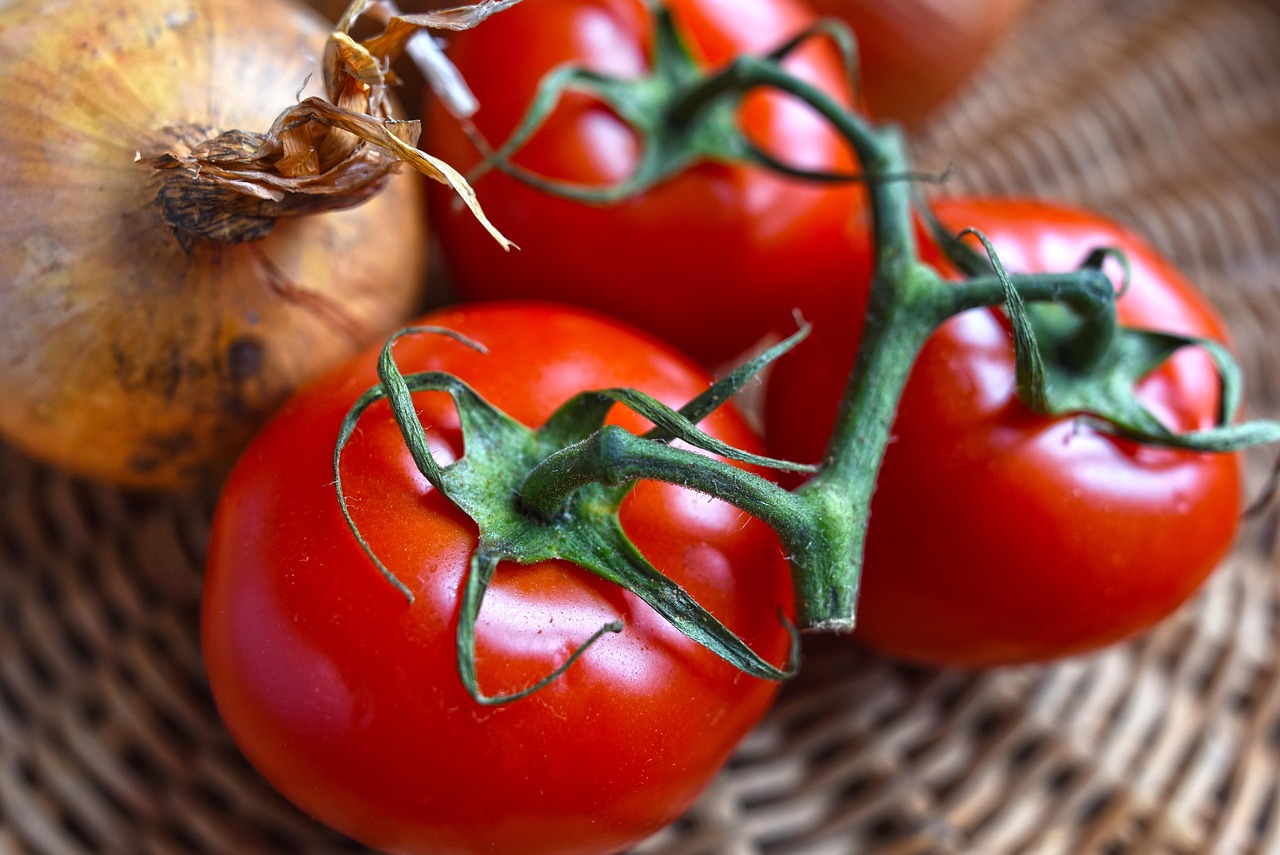
Photo by MabelAmber on Pixabay
What if weight loss did not have to feel like a constant battle of restriction, cravings, and guilt? What if the real turning point was not eating less, but eating smarter with the right organic food choices? That is the heart of clean eating: choosing ingredients that help your body feel satisfied, energized, and naturally aligned with a healthier lifestyle. When your plate is built around high-quality nutrition instead of empty calories, healthy eating stops feeling like punishment and starts feeling like a long-term plan you can actually live with.
Organic foods are not a magic shortcut, and they are not a promise of instant fat loss, but they can make the process easier in a very real way. They often encourage better food quality, fewer additives, and more thoughtful meal choices. They also tend to fit naturally into a detox diet approach that supports digestion, balance, and consistency without extreme rules. If you have been trying to lose weight while still enjoying meals that taste fresh and satisfying, this guide will show you how to use organic food strategically, not obsessively, so your results feel sustainable.
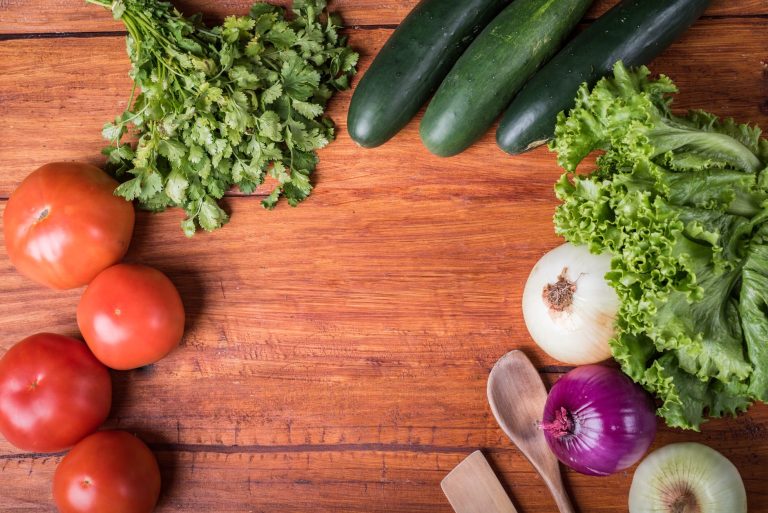
[IMAGE: organic vegetables]
Why Organic Foods Can Support Weight Loss
Weight loss is rarely about one single food. It is the result of patterns, habits, and the quality of the meals you repeat every day. Organic food can support those patterns because it often encourages you to eat closer to nature, which usually means more fiber, fewer refined ingredients, and more meals built from real nutrition. Have you noticed how much easier it is to stay on track after a breakfast that truly satisfies you? That is not an accident. Satiety is one of the most overlooked tools in weight loss.
Nutrient density helps reduce overeating
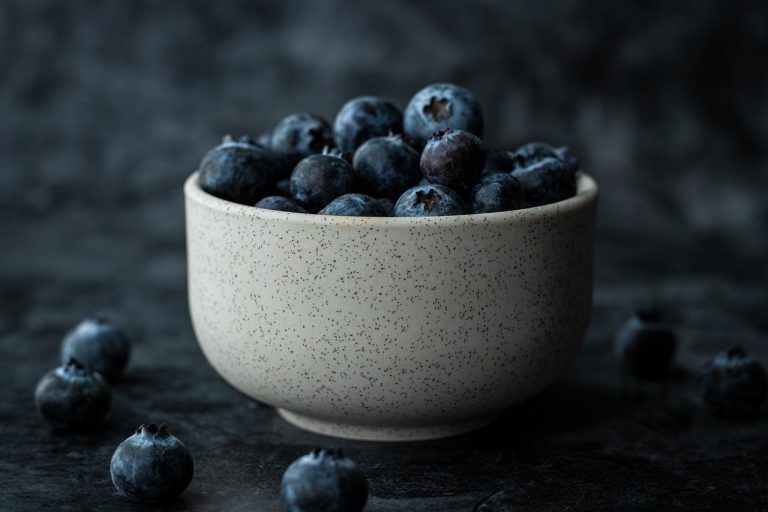
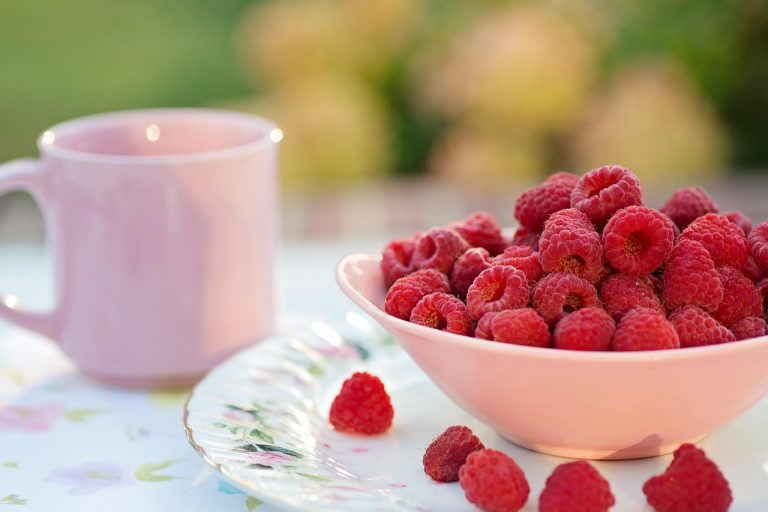
Many organic foods are naturally rich in fiber, vitamins, minerals, and water content. Those qualities matter because they help meals feel substantial without adding too many calories. A bowl of organic berries, spinach, oats, and chia seeds will usually keep you far fuller than a packaged snack with similar calories. When your body gets the nutrients it needs, the signal to keep searching for more food often becomes less intense.
Cleaner ingredients support better habits
Clean eating is not about perfection. It is about making the easy choice a better choice. Organic food often contains fewer artificial colors, synthetic additives, and unnecessary fillers, which can make grocery shopping and meal prep feel simpler. Simplicity matters because the more complicated your diet becomes, the harder it is to maintain. A realistic healthy lifestyle is built on habits you can repeat on busy days, not just ideal days.
Fiber-rich foods naturally encourage balance
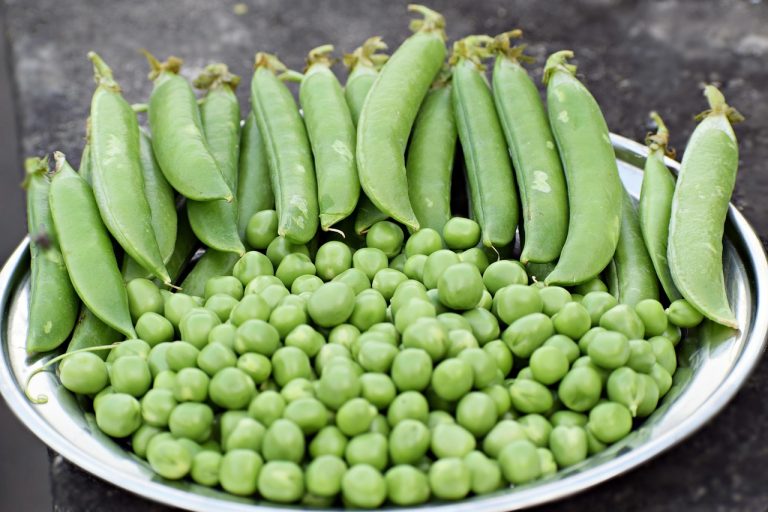
Fiber is one of the most valuable nutrients in any weight loss plan. It supports digestion, helps stabilize appetite, and contributes to a steadier energy curve throughout the day. Organic vegetables, legumes, fruit, seeds, and whole grains can help you build meals that feel balanced instead of heavy. That balance matters more than most people realize. When your meals are balanced, cravings often become easier to manage.
Think about your own eating patterns for a moment. Are you usually hungrier in the afternoon because breakfast was too light? Do evening cravings appear when lunch lacked protein or fiber? Small nutritional gaps can create big swings in appetite. Choosing organic food is one way to build a more nourishing foundation so those gaps become less frequent.
The Best Organic Foods for Weight Loss
The best organic foods for weight loss are not exotic or complicated. They are the foods that give you volume, nutrients, and satisfaction while helping you avoid the
About the Author