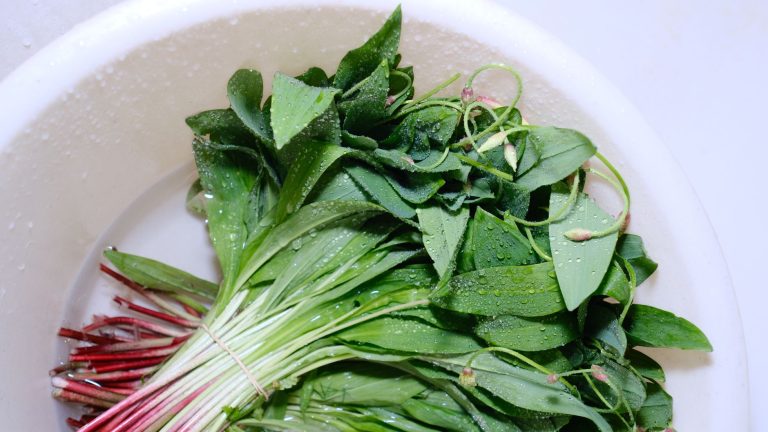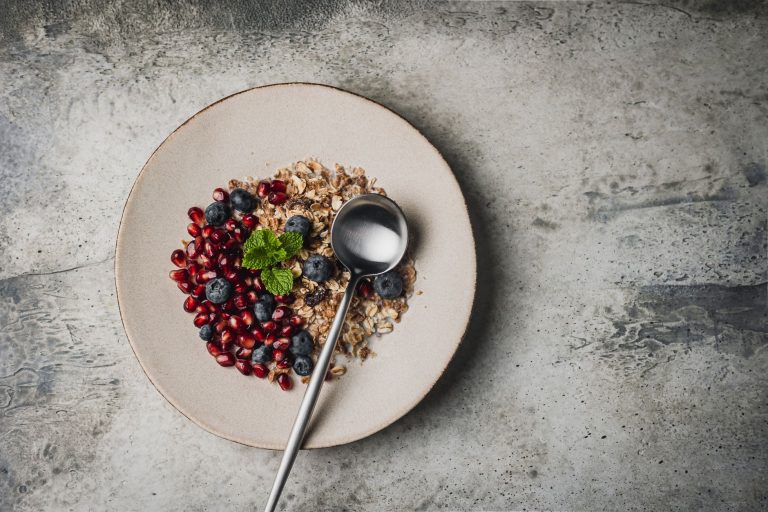


Photo by LoboStudioHamburg on Pixabay
When people talk about healthy eating, they often focus on calories, carbs, or the latest superfood trend. But if you want real, lasting results, there is a better place to start: your gut. The foods you choose every day can shape digestion, energy, cravings, immunity, and even how easily your body manages weight. That is why organic food has become such an important part of a modern healthy diet. It is not just about eating cleaner. It is about feeding the body in a way that supports balance from the inside out.
Have you ever noticed that some meals leave you energized and light, while others make you sluggish, bloated, or hungry again an hour later? That difference is often a gut issue, not a willpower issue. A clean eating approach built around organic food can help reduce unnecessary additives, increase nutrient density, and support a healthier digestive rhythm. For many people, this is the missing link between nutrition goals and real-life results.
[IMAGE: organic vegetables]
This guide explores the best organic foods for gut health, how they connect to weight loss, and how to use them in a practical, satisfying way. You will also learn what to limit, how to shop smart, and how to build meals that support a healthy lifestyle without feeling restrictive. If you have been looking for a detox diet that feels sensible instead of extreme, this is the kind of everyday reset that can make a difference.
Why Gut Health Deserves a Central Place in Your Healthy Diet
Your gut is far more than a digestive tube. It is a complex ecosystem filled with microbes that influence digestion, nutrient absorption, immune response, inflammation, and even mood. When that ecosystem is well nourished, many things tend to feel easier. Food sits better. Energy becomes steadier. Cravings are easier to manage. And yes, weight loss can become more sustainable because the body is working with you rather than against you.
The phrase healthy lifestyle often gets used broadly, but gut health gives it real meaning. A strong digestive system helps you make better use of the nutrition you consume. That matters because even the highest quality organic food cannot help much if your body is not absorbing key vitamins, minerals, and antioxidants effectively.
The Gut and Weight Loss Connection
Why do some people seem to lose weight more easily when they switch to clean eating, while others struggle despite eating less? One major reason is that gut health influences satiety, blood sugar control, and inflammation. The right foods help you feel full longer, support more stable energy, and reduce the rollercoaster that leads to mindless snacking.
- Fiber feeds beneficial gut bacteria and supports regular digestion.
- Fermented foods add live cultures that may improve microbial diversity.
- Whole, minimally processed foods help reduce blood sugar spikes.
- Healthy fats and protein improve fullness and reduce cravings.
- Lower inflammation can make it easier to stay active and consistent.
So if your question is not just how to eat less, but how to feel better while doing it, the answer may be to focus more on the quality of your organic food choices. A weight loss plan built on nourishment tends to be more sustainable than one built on restriction alone.
What Clean Eating Really Means Today
Clean eating is often misunderstood as a strict set of rules. In reality, it is a practical pattern of choosing foods that are closer to their natural form and easier for the body to recognize. That usually means fewer ultra-processed products, fewer artificial ingredients, and more whole organic foods that work with your body rather than against it.
Clean eating does not require perfection. It simply asks a useful question: is this food helping me feel nourished, energized, and balanced? If the answer is yes, it belongs on your plate more often. If the answer is no, maybe it belongs there less often.
The Best Organic Foods for Gut Health
Not all healthy foods have the same effect on digestion. Some nourish the microbiome directly, some calm inflammation, and some help keep your digestive process moving smoothly. The good news is that many of the most powerful gut-supporting foods are easy to find in organic form and easy to turn into everyday meals.
1. Organic Fermented Foods
Fermented foods are among the most valuable additions to a gut-friendly diet. They contain naturally occurring beneficial bacteria that can support microbial diversity and digestive function. If you are trying to improve gut health through organic food, this is one of the smartest places to begin.
- Organic yogurt with live and active cultures
- Organic kefir
- Organic sauerkraut
- Organic kimchi
- Organic miso
- Organic tempeh
Choose unsweetened versions when possible. Many flavored yogurts and drinks contain added sugar that can undo some of the benefits. A small serving with breakfast or lunch can be enough to support the gut without overwhelming your system.
2. Organic Fiber-Rich Vegetables
Fiber is one of the most important nutrients for digestion, yet many people do not get enough of it. Organic vegetables provide not only fiber but also antioxidants and phytonutrients that support overall wellness. The goal is not to force yourself into a massive salad every day. The goal is to build a steady intake of vegetables that actually feels enjoyable.
- Leafy greens such as spinach, kale, and arugula
- Cruciferous vegetables like broccoli, cauliflower, and Brussels sprouts
- Carrots, beets, zucchini, cucumbers, and asparagus
- Sweet potatoes and squash for a more filling option
These vegetables are especially helpful in a clean eating plan because they support fullness without creating the heavy feeling that can come from overly rich meals. They also pair well with protein and healthy fats, making them ideal for balanced weight loss meals.
3. Organic Prebiotic Foods
Prebiotics feed the beneficial bacteria already living in your gut. If probiotics are the helpful guests, prebiotics are their favorite meal. A balanced organic food plan should include both.
- Organic oats
- Bananas, especially slightly green ones
- Organic garlic
- Organic onions and leeks
- Asparagus
- Chicory root and Jerusalem artichokes
These foods are easy to include in soups, salads, breakfast bowls, and roasted vegetable dishes. They may seem simple, but simple is often exactly what your digestion needs.
4. Organic Fruits That Support a Healthier Gut
Fruit can be a wonderful part of clean eating when chosen wisely. Organic fruit offers natural sweetness along with fiber, hydration, and antioxidants. Certain fruits are particularly useful for digestion because they supply compounds that support gut bacteria and regularity.
- Apples with the skin on
- Berries such as blueberries, raspberries, and strawberries
- Kiwi
- Pears
- Citrus fruits
Think of fruit as a support food, not a problem food. If weight loss has made you fear every source of natural sugar, it may be time to reconsider the bigger picture. Whole fruit comes packaged with fiber and water, which makes it very different from refined sweets and processed snacks.
5. Organic Healthy Fats
Healthy fats are essential for hormone balance, satiety, and the absorption of fat-soluble vitamins. They also help meals feel more satisfying, which is key if you are trying to avoid constant snacking.
- Avocados
- Extra virgin olive oil
- Walnuts
- Chia seeds
- Ground flaxseed
- Almonds and pumpkin seeds
A small amount of healthy fat can make a simple bowl of vegetables or oats much more nourishing. The result is often better energy and fewer cravings later in the day.
[IMAGE: healthy meal]
How to Build a Gut-Friendly Organic Plate
One of the easiest ways to stay consistent is to stop thinking in terms of separate healthy foods and start thinking in terms of balanced meals. A gut-friendly organic plate should support digestion, satiety, and stable energy all at once. That usually means combining fiber, protein, healthy fat, and a source of probiotic or prebiotic support.
A Simple Plate Formula
- Half the plate: organic vegetables or a vegetable-rich salad
- One quarter of the plate: quality protein such as eggs, fish, tofu, beans, or chicken
- One quarter of the plate: whole grains, legumes, or starchy vegetables
- Add a small serving of fermented food when possible
- Finish with healthy fat from olive oil, seeds, nuts, or avocado
This style of clean eating works because it naturally balances digestion. If you have ever wondered why some meals leave you calm and satisfied while others lead to bloating and cravings, the structure of the plate may be the answer.
Breakfast Ideas That Support Digestion
Breakfast does not need to be complicated to be effective. A good organic breakfast can stabilize appetite for the entire morning.
- Organic oats topped with chia seeds, berries, and walnuts
- Plain organic yogurt with ground flaxseed and sliced kiwi
- Scrambled eggs with spinach, tomatoes, and avocado
- Smoothie made with kefir, banana, greens, and nut butter
Ask yourself: does your current breakfast actually set you up for a good day, or does it leave you reaching for a snack by mid-morning? That one answer can change the trajectory of your nutrition.
Lunch and Dinner Ideas That Feel Nourishing
Healthy meals should be satisfying enough to prevent the urge to graze all afternoon. They also need to be enjoyable, or no plan will last very long.
- Big salad with leafy greens, chickpeas, cucumber, salmon, and sauerkraut
- Quinoa bowl with roasted broccoli, sweet potato, avocado, and tahini
- Grilled chicken or tofu with asparagus, brown rice, and olive oil dressing
- Vegetable soup with lentils, garlic, onions, and fresh herbs
If you want a detox diet that feels practical, this is it: plenty of color, plenty of fiber, and enough protein to keep the body grounded.
Organic Foods That Support Weight Loss Without Extremes
Weight loss becomes far easier to maintain when it comes from habits that make you feel better, not harsher rules that make you miserable. Organic food supports this process by reducing exposure to lower-quality ingredients and by naturally encouraging more filling, nutrient-dense meals. But organic food is not a magic solution. It works best when it is part of a realistic system.
What does that system look like? It usually includes meals that are high in fiber, moderate in protein, rich in micronutrients, and low in unnecessary additives. This is why many people find that once they shift toward clean eating, their appetite settles down without them having to count every bite.
Smart Swaps That Make a Difference
A practical rule
Instead of trying to overhaul everything at once, start with the foods you eat most often. A few smart swaps can create more momentum than a short-lived extreme plan.
- Swap sugary breakfast cereal for organic oats or chia pudding
- Swap packaged snacks for fruit, nuts, or hummus with vegetables
- Swap refined side dishes for roasted vegetables or quinoa
- Swap sweetened drinks for water, herbal tea, or sparkling water
- Swap heavy takeout meals for simple homemade bowls built around whole ingredients
These changes are effective because they reduce excess calories without making the diet feel punishing. They also help support a healthy lifestyle that you can maintain on busy days, not just perfect ones.
Why Satisfaction Matters More Than Deprivation
Have you ever started a weight loss plan only to abandon it because you felt deprived? That is often a sign that the plan was too aggressive. Organic food can help because it tends to be more flavorful and satisfying when prepared well. Fresh herbs, ripe vegetables, quality oils, and vibrant produce can make healthy meals feel rewarding instead of boring.
Satisfaction matters because satisfied people are more consistent people. If your meals are appealing, you are less likely to chase cravings later.
[IMAGE: fitness lifestyle]
What to Limit if You Want Better Digestion
A gut-friendly eating pattern is not only about what you add. It is also about what you reduce. If you have been eating mostly well but still dealing with bloating, irregular digestion, or stalled progress, the hidden issue may be in the foods that are crowding out the better ones.
Common Gut Irritants to Watch
- Ultra-processed snacks and meals
- Excess refined sugar
- Artificial sweeteners that upset some digestive systems
- Too much alcohol
- Fried foods and heavily refined oils
- Large portions eaten very quickly
You do not need to eliminate every treat forever. The goal is to create a stronger baseline so that occasional indulgences do not become the rule. In other words, let your best habits carry most of the load.
Why Ingredient Lists Matter
One of the easiest ways to improve clean eating is to read labels with a more critical eye. If a packaged item contains a long list of additives, stabilizers, colorings, or hidden sugars, ask a simple question: is this really supporting my nutrition goals, or is it just convenient?
Convenience has its place, but it should not be the foundation of a healthy diet. The more you rely on whole organic foods, the less you need to decode ingredient lists.
Shopping Organic Without Breaking the Budget
A lot of people assume that eating organic every day is too expensive. That can be true if you buy everything without a plan, but it is not true if you shop strategically. In fact, a smart organic shopping routine can reduce waste, save money, and make your meal prep easier.
Where Organic Matters Most
If your budget is limited, prioritize produce that is more likely to retain pesticide residue when grown conventionally. Many people choose organic versions of the following:
- Strawberries and berries
- Spinach and leafy greens
- Apples
- Grapes
- Celery
- Bell peppers
At the same time, some thick-skinned produce can be bought conventionally if needed. The point is progress, not perfection.
Budget-Friendly Organic Strategies
- Buy frozen organic vegetables for convenience and value
- Choose seasonal produce when prices are lower
- Shop farmers markets near closing time for better deals
- Buy pantry staples like oats, beans, and rice in bulk
- Use leftovers creatively instead of letting food go to waste
A clean eating plan becomes much easier when your pantry is already working for you. One well-stocked kitchen can remove a lot of stress from healthy living.
How to Avoid Overbuying
It is tempting to fill the cart with every organic item that looks appealing, but a smarter approach is to plan a few flexible meals first. Then buy the ingredients you know you will use. Ask yourself: what can I turn into breakfast, lunch, and dinner with minimal effort? That question often leads to fewer impulse purchases and more practical success.
Three Easy Organic Meal Ideas for Better Gut Health
Healthy eating becomes easier when you have a few dependable meals on repeat. These meals do not need to be elaborate. They simply need to be balanced, flavorful, and supportive of digestion.
Breakfast: Creamy Oat Bowl
Cook organic oats in water or milk of choice. Top with chia seeds, blueberries, cinnamon, and a spoonful of plain yogurt or kefir. Add walnuts for crunch. This breakfast offers fiber, healthy fat, and probiotics in one bowl.
Lunch: Rainbow Grain Bowl
Build a bowl with quinoa, arugula, roasted carrots, cucumber, chickpeas, avocado, and a small scoop of sauerkraut. Finish with olive oil, lemon juice, and herbs. It is colorful, satisfying, and very friendly to the digestive system.
Dinner: Simple Recovery Plate
Serve baked salmon, tofu, or lentils with roasted broccoli, sweet potato, and a side salad. Add pumpkin seeds or a drizzle of olive oil for a richer finish. This is the kind of healthy meal that supports both recovery and weight loss without leaving you hungry.
If you need a detox diet style reset after a few heavy weeks, these meals can help you feel lighter without resorting to extreme cleansing or juice-only plans.
Organic Clean Eating Mistakes to Avoid
Even people with the best intentions can fall into habits that make healthy eating harder than it needs to be. If your organic food journey has not been producing the results you hoped for, one of these mistakes may be part of the problem.
1. Buying Organic but Staying Processed
Organic cookies are still cookies. Organic chips are still chips. Choosing organic versions of highly processed foods may reduce some ingredients you want to avoid, but it does not automatically create a nourishing diet. The real power comes from whole foods.
2. Forgetting Protein
Many clean eating plans emphasize vegetables and overlook protein. That can lead to cravings, unstable energy, and poor satiety. Protein helps keep meals balanced and supports weight loss by making it easier to feel satisfied.
3. Increasing Fiber Too Fast
Fiber is beneficial, but a sudden jump can create bloating or discomfort if your gut is not used to it. Increase intake gradually and drink enough water. Start with cooked vegetables, oats, and moderate portions of beans before pushing into very high-fiber territory.
4. Ignoring Hydration and Movement
Digestion does not happen in isolation. Water, sleep, stress management, and physical activity all matter. A healthy lifestyle is a system, not a single food choice.
5. Expecting Immediate Transformation
Better digestion and sustainable weight loss often happen in phases. You may notice more energy first, then less bloating, then steadier hunger, then better body composition. The key is to stay patient long enough for the new habits to work.
A Gentle Three-Day Organic Reset for Better Digestion
If you have been eating too much takeout, too many sweets, or simply too much of everything, a gentle reset can help you regain momentum. This is not an extreme detox diet. It is a short, realistic return to simple organic food, plenty of hydration, and meals that are easy on the gut.
Day 1: Keep It Simple
- Breakfast: oats with berries and chia seeds
- Lunch: vegetable soup with beans and herbs
- Dinner: roasted vegetables with chicken, tofu, or fish
- Snacks: apple slices, almonds, or plain yogurt
Day 2: Add More Color
- Breakfast: kefir smoothie with spinach, banana, and flaxseed
- Lunch: salad bowl with avocado, quinoa, chickpeas, and lemon dressing
- Dinner: salmon or tempeh with asparagus and sweet potato
- Snacks: carrots with hummus and berries
Day 3: Focus on Balance
- Breakfast: eggs with greens and tomatoes
- Lunch: rice bowl with roasted vegetables and sauerkraut
- Dinner: lentil stew with garlic, onions, and herbs
- Snacks: kiwi, walnuts, or cucumber with guacamole
The purpose of a reset is not to punish your body. It is to give it a chance to breathe, rebalance, and remind you how satisfying real food can be. Once you experience that feeling, it becomes much easier to keep going.
Daily Habits That Make Organic Food Work Better
The most effective nutrition plan is the one you can live with every day. That is why small habits matter so much. The more supportive your routine becomes, the less you have to rely on motivation alone.
- Eat more slowly and chew thoroughly
- Drink water throughout the day instead of waiting until you are thirsty
- Take a short walk after meals when possible
- Keep meal times fairly regular
- Sleep enough to reduce cravings and stress eating
- Use herbs, lemon, and spices to make healthy meals more enjoyable
Movement matters here too. The fitness lifestyle does not have to mean long workouts every day. Even walking, stretching, yoga, and basic strength training can support digestion and make weight loss more manageable by improving energy and consistency.
What would happen if you treated each meal as a small investment in your future energy? That shift in mindset can be powerful. When you see organic food as part of a larger healthy lifestyle, you stop looking for quick fixes and start building momentum that lasts.
When Organic Food Is Not Enough on Its Own
Although organic food can play a major role in better digestion and weight loss, it is not the only factor. Persistent bloating, pain, major fatigue, unexplained weight changes, or recurring digestive symptoms should be discussed with a qualified health professional. Sometimes the issue is food sensitivity, stress, medication, hydration, sleep, or something else entirely.
Still, even when additional support is needed, nutrition remains a powerful foundation. A diet built around whole organic foods, balanced meals, and clean eating habits gives your body the best possible environment to heal, adapt, and function well.
That is why this approach feels so different from trendy diet plans. It is not about chasing a short-lived result. It is about creating a way of eating that supports digestion, strengthens your healthy lifestyle, and makes weight loss feel more natural over time. If you want to keep building on that foundation, explore more articles on DietOrganic for practical meal ideas, nutrition guidance, and fresh inspiration that makes clean eating feel realistic, enjoyable, and worth repeating day after day.
About the Author