

Photo by Kampus Production on Pexels
Your gut is doing far more than digesting breakfast. It influences how you absorb nutrients, how steady your energy feels, how satisfied you feel after meals, and even how easily you stay on track with a healthy lifestyle. That is why so many people who begin with a simple interest in clean eating end up discovering a bigger transformation: better digestion, less bloating, more stable cravings, and often, easier weight loss. The good news is that supporting your gut does not require complicated rules or extreme restriction. In many cases, the most effective path begins with organic food, thoughtful nutrition, and a few practical changes you can live with every day.
If you have ever wondered why some diets feel harsh and unsustainable while others seem to create quiet, lasting progress, the answer often comes down to digestion. When the body feels overworked by ultra-processed foods, excess sugar, and unnecessary additives, it has to work harder to do the same job. Organic foods can help lighten that load. They are not magic, but they can be a powerful part of a balanced detox diet, especially when the goal is to nourish rather than punish the body. What would it look like if your meals worked with your system instead of against it?
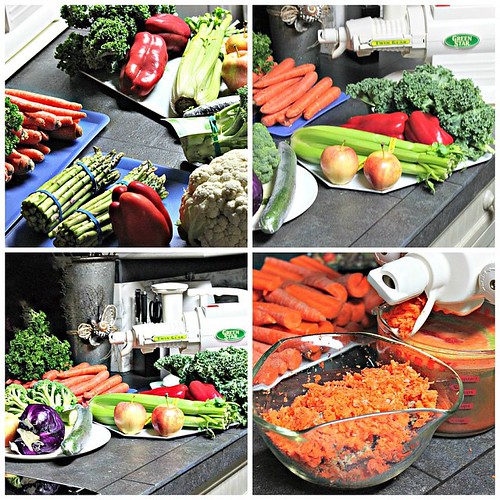
[IMAGE: organic vegetables]
Why Gut Health Matters More Than Most People Realize
The gut is often called the body’s second brain, and for good reason. It helps break down food, supports immune function, and communicates with the nervous system in ways that affect mood and appetite. When digestion is working well, meals feel satisfying, bloating is reduced, and energy tends to stay steadier throughout the day. When it is not working well, even a carefully planned healthy diet can feel disappointing because the body is not fully getting what it needs from food.
Many people begin a weight loss journey by cutting calories, but if the digestive system is sluggish or irritated, the results may be frustrating. Hunger feels louder, cravings become harder to manage, and the body may respond to stress by holding onto water or triggering emotional eating. That is why clean eating is about more than choosing foods that look healthy. It is about choosing foods that the body can actually use well.
A gut-friendly approach can help with:
- More comfortable digestion after meals
- Less bloating and heaviness
- More consistent energy
- Better satiety, which can support weight loss
- Improved nutrient absorption
- A calmer relationship with food
Think about your last few meals. Did they leave you energized and clear, or tired and foggy? That simple question can tell you a lot about whether your current routine supports your gut or stresses it out.
What Makes Organic Food Different in a Clean Eating Plan
Organic food is grown or produced according to standards designed to limit synthetic pesticides, certain fertilizers, and genetically modified ingredients. For many people, that matters because they want a cleaner food supply and a more intentional relationship with what they eat. In a healthy diet focused on long-term wellness, organic choices often feel like a natural upgrade rather than a dramatic lifestyle change.
There are several reasons organic food fits so well into clean eating and a gut-supportive routine. First, organic produce can reduce exposure to pesticide residues, which many people prefer to minimize. Second, organic dairy, eggs, and meat are often produced under stricter standards that some consumers find more aligned with a whole-foods approach. Third, buying organic can make you more mindful about meals overall. When you shop with intention, you tend to cook more, waste less, and rely less on packaged foods that can undermine nutrition.
That said, organic is not a shortcut around healthy habits. A bag of organic chips is still a snack food. A dessert made with organic sugar is still dessert. The real benefit comes when organic food is part of a larger pattern of smart choices: vegetables, fruit, lean proteins, fiber, hydration, and regular movement.
For shoppers on a budget, it helps to prioritize. If you cannot buy everything organic, focus on the foods you eat most often and the produce that tends to carry more residue. Common priorities include:
- Leafy greens
- Berries
- Apples
- Grapes
- Peppers
- Celery
- Milk, yogurt, and eggs if you consume them regularly
The goal is progress, not perfection. A realistic healthy lifestyle is the one you can maintain.
The Best Organic Foods for Gut Health and Weight Loss
When people think about gut health, they often jump straight to probiotics. But a truly supportive approach goes much further. The best organic foods for digestion usually combine fiber, water, natural plant compounds, and in some cases, beneficial fermentation. These foods help nourish the gut lining, support regularity, and encourage a more balanced internal environment. They also happen to fit beautifully into a weight loss plan because they tend to be satisfying without being heavy.
Fermented Foods That Bring Friendly Microbes to the Table
Fermented organic foods can be valuable because they contain live cultures or fermentation byproducts that support digestive balance. Not every fermented food will contain active probiotics after processing, but many still offer benefits as part of a varied nutrition plan.
- Organic yogurt with live cultures
- Organic kefir
- Sauerkraut
- Kimchi
- Miso
- Tempeh
These foods are easy to add to meals in small amounts. A spoonful of sauerkraut beside eggs, a cup of kefir with berries, or a small bowl of miso soup can give your digestive routine a gentle lift without requiring a major overhaul.
Fiber-Rich Organic Foods That Keep Things Moving
Fiber is one of the most underrated tools in clean eating. It supports regular digestion, helps you feel full, and feeds beneficial gut bacteria. Many people chasing weight loss eat too little fiber, which can leave them hungry again too soon. Choosing organic vegetables, beans, and whole grains can help correct that.
- Leafy greens such as spinach, kale, and arugula
- Broccoli, cauliflower, and Brussels sprouts
- Organic oats
- Chia seeds and flaxseeds
- Beans, lentils, and chickpeas
- Berries, pears, and apples
If your digestion tends to feel slow, start gradually. More fiber is helpful, but adding too much too quickly can create discomfort. Are you increasing water intake as you increase fiber? That small detail matters more than many people realize.
Polyphenol-Rich Foods That Feed a Healthy Internal Environment
Polyphenols are natural plant compounds that support overall health and may encourage a healthier gut environment. They are found in colorful fruits, vegetables, herbs, teas, and cocoa. Organic choices are especially appealing here because many of these foods are eaten regularly and lightly processed, which lets their natural quality shine.
- Blueberries
- Blackberries
- Apples with the skin on
- Extra virgin olive oil
- Green tea
- Herbs such as parsley, rosemary, and oregano
- Unsweetened cocoa or dark chocolate in moderation
These ingredients do more than make meals taste better. They can help transform a plain plate into something deeply nourishing, which is exactly what a sustainable healthy diet should feel like.
Gentle Proteins That Support Satiety
Protein plays an important role in weight loss because it helps you feel satisfied and supports muscle maintenance. For a gut-friendly organic food plan, look for proteins that are simple, minimally processed, and easy to digest for your body.
- Organic eggs
- Organic chicken
- Wild-caught fish
- Organic tofu and tempeh
- Organic Greek yogurt
- Organic cottage cheese if tolerated
Pairing protein with fiber is one of the easiest ways to keep meals balanced. A breakfast with eggs and greens, or lunch with grilled chicken and roasted vegetables, can keep you satisfied much longer than a refined-carb meal. That steadier fullness is one reason clean eating often feels so effective.
How a Clean Eating Approach Supports Digestion Without Feeling Extreme
Some detox diet trends rely on deprivation, but a smarter version focuses on reducing what burdens the body and increasing what helps it function well. Your liver, kidneys, digestive tract, and lymphatic system are already responsible for natural detoxification. The goal is not to force a cleanse. The goal is to create conditions that let the body do its job more comfortably.
A clean eating plan based on organic food supports that process by reducing common irritants and adding more nutrient-dense meals. You may notice better digestion when you eat more whole foods and fewer ultra-processed products. Why? Because artificial flavors, excess refined sugar, low fiber, and poor-quality fats can make meals less satisfying and harder to process.
A gentle detox diet built around real food might include:
- Plenty of water throughout the day
- Herbal teas such as ginger, peppermint, or chamomile
- Cooked vegetables as well as raw produce
- Balanced meals with protein, fiber, and healthy fats
- Fewer packaged snacks and sugary drinks
- Consistent meal timing to reduce grazing
Notice what is missing: starvation, juice-only days, and unrealistic promises. A true healthy lifestyle rarely comes from extremes. It usually comes from repeating simple choices often enough that they become second nature.
[IMAGE: healthy meal]
A Smart Organic Grocery List for Gut-Friendly Meal Planning
Meal planning becomes much easier when the right foods are already in your kitchen. If you want to stay consistent with clean eating, build your grocery cart around ingredients that can be mixed and matched across several meals. This approach saves time, reduces stress, and makes healthy choices feel automatic instead of forced.
Produce
- Spinach, kale, romaine, and arugula
- Broccoli, zucchini, carrots, and cucumbers
- Sweet potatoes and beets
- Blueberries, raspberries, apples, pears, and lemons
- Avocados
Protein
- Organic eggs
- Organic Greek yogurt or kefir
- Chicken breast or thighs
- Wild-caught salmon or sardines
- Tempeh, tofu, lentils, and beans
Pantry Staples
- Organic oats
- Chia seeds and flaxseeds
- Brown rice or quinoa
- Extra virgin olive oil
- Almonds, walnuts, and pumpkin seeds
- Herbs, spices, and apple cider vinegar
Fermented and Functional Foods
- Sauerkraut
- Kimchi
- Miso
- Kefir
- Plain yogurt with live cultures
To keep your nutrition strategy practical, choose a few items from each category and build the week around them. The best healthy diet is one you can repeat with confidence.
Simple Organic Meal Ideas That Feel Nourishing and Sustainable
A lot of people overcomplicate meal planning by searching for perfect recipes. In reality, the easiest meals are often the most effective for a healthy lifestyle. They are simple, fast, and built from ingredients that work well together. If your goal is weight loss, better digestion, or a cleaner diet, meal structure matters just as much as ingredients.
Breakfast Ideas
Breakfast can set the tone for the entire day. Choose organic food that gives you energy without causing a sugar crash a few hours later.
- Organic Greek yogurt with berries, chia seeds, and walnuts
- Scrambled organic eggs with spinach and avocado
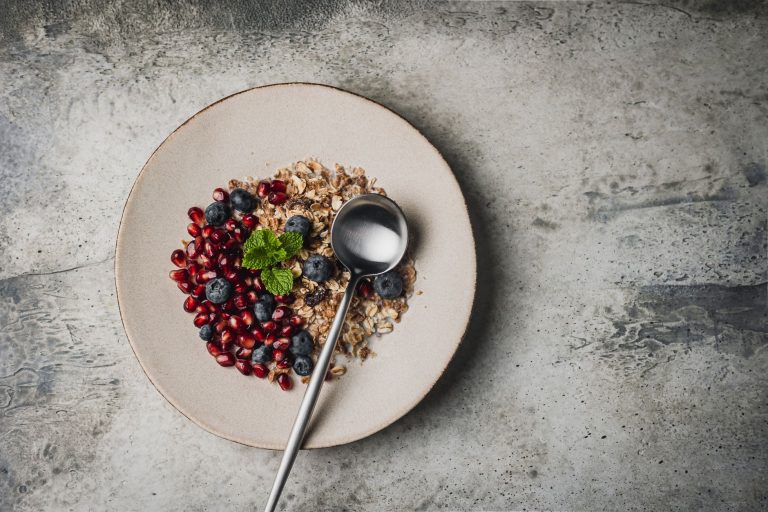
- Overnight oats with kefir, cinnamon, and blueberries
- Green smoothie with organic greens, banana, flax, and almond butter
If you often skip breakfast and then overeat later, try a lighter but protein-rich option. Does your body want a big meal early, or simply a steady source of energy? Listening to that difference can improve your nutrition quickly.
Lunch Ideas
Lunchtime is where many diets go off track because convenience wins. A prepped organic lunch can keep you from relying on processed takeout.
- Grilled chicken with quinoa, roasted vegetables, and olive oil dressing
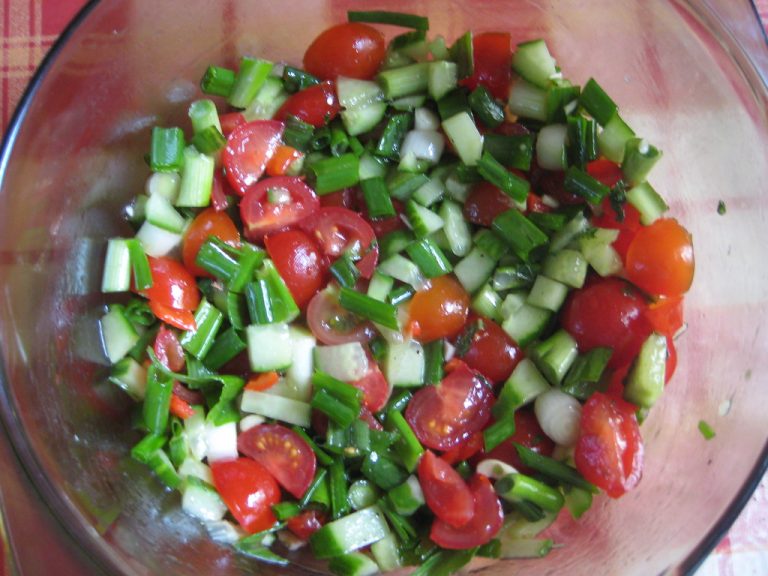
- Lentil salad with cucumbers, tomatoes, herbs, and lemon
- Turkey lettuce wraps with avocado and sauerkraut
- Salmon bowl with brown rice, greens, and sesame seeds
These meals balance protein, fiber, and healthy fats, making them ideal for weight loss support and stable energy.
Dinner Ideas
Dinner should feel satisfying without being so heavy that it disrupts sleep or digestion. A calmer evening meal can support both metabolism and recovery.
- Baked fish with steamed greens and sweet potato
- Organic tofu stir-fry with broccoli, carrots, and ginger
- Chicken and vegetable soup with herbs and quinoa
- Stuffed bell peppers with beans, rice, and tomatoes
If your evenings are the time when cravings hit hardest, look closely at what happened earlier in the day. Were meals too small? Too low in protein? Too low in fiber? Often, the answer is not more willpower but better structure.
Snacks That Support Clean Eating
- Apple slices with almond butter
- Organic yogurt with cinnamon
- Carrot sticks with hummus
- Pumpkin seeds and berries
- Kefir with a few walnuts
Snacking is not the enemy. Mindless snacking is. When snacks are built from organic food and real nutrition, they can support your goals instead of sabotaging them.
How to Create a Practical Detox Diet Using Organic Foods
If the phrase detox diet makes you think of strict liquids or dramatic rules, it may help to reframe the idea. The body already detoxifies through its own systems. Your job is to make that process easier by choosing foods and habits that reduce overload. That is where organic food, hydration, and clean eating come together.
What to Emphasize
- Fresh vegetables at most meals
- Fruit in moderate amounts
- Lean proteins
- Whole grains in reasonable portions
- Herbs and spices such as turmeric, ginger, and parsley
- Plenty of water and unsweetened teas
What to Reduce
- Highly processed snacks
- Deep-fried foods
- Excess alcohol
- Sugar-sweetened drinks
- Heavy late-night meals
- Artificially flavored packaged foods
A detox diet built this way is not about chasing quick fixes. It is about reducing the daily noise that can blur hunger cues, disturb digestion, and make weight loss harder than it needs to be. That subtle shift can be surprisingly powerful over time.
[IMAGE: fitness lifestyle]
Healthy Lifestyle Habits That Make Organic Eating More Effective
Food matters, but it is only one part of the picture. A healthy lifestyle includes sleep, movement, stress management, and regular routines that help the body regulate itself. Without those pieces, even the best organic food plan may feel incomplete. With them, your nutrition strategy becomes far more effective.
Sleep Supports Digestion and Appetite Control
Poor sleep can increase cravings, slow recovery, and make it harder to choose balanced meals. If you are trying to lose weight, sleep is not optional. It is part of the plan. Aim for a consistent bedtime, reduce late-night screen exposure, and keep your evening meal lighter if heavy dinners tend to affect your rest.
Movement Helps the Gut Work Better
You do not need punishing workouts to support digestion. A daily walk after meals, gentle stretching, or a moderate strength session can help stimulate circulation and support regularity. Movement also helps reduce stress, which has a direct effect on the gut-brain connection.
Stress Management Matters More Than People Admit
When stress is high, digestion often slows down or becomes unpredictable. That is why some people notice bloating, discomfort, or cravings during busy seasons. Simple habits like deep breathing, meal breaks away from screens, and a few quiet minutes before dinner can make a real difference.
Healthy lifestyle changes do not need to be dramatic to matter. Small choices repeated consistently can create the calm, steady environment where clean eating feels natural.
Common Organic Diet Mistakes to Avoid
Even a thoughtful plan can stumble if it is built on assumptions instead of evidence. Avoiding a few common mistakes can save time, money, and frustration.
- Assuming organic automatically means healthy: Organic cookies are still cookies.
- Not eating enough protein: This can lead to hunger and poor satiety.
- Overdoing raw vegetables: Some people digest cooked foods more comfortably.
- Ignoring hydration: Fiber needs water to do its job well.
- Expecting fast results: Better digestion and steady weight loss usually take time.
- Buying too many specialty products: Simple staples are often more useful than expensive packaged health foods.
Ask yourself honestly: are you building a plan you can live with for months, or a plan that only looks good for a week? Sustainable nutrition wins almost every time.
What a Balanced Day of Organic Eating Can Look Like
Sometimes the easiest way to imagine a new routine is to see it in action. Here is a simple day of eating that supports gut health, clean eating, and weight loss without feeling restrictive.
Morning
- Warm water with lemon
- Organic yogurt with berries, chia seeds, and cinnamon
Midday
- Grilled chicken or tofu salad with leafy greens, cucumber, quinoa, and olive oil dressing
- Green tea or water
Afternoon Snack
- Apple with almond butter
- Handful of walnuts
Evening
- Baked salmon or tempeh
- Roasted broccoli and sweet potato
- Small serving of sauerkraut on the side
This kind of day works because it is balanced. There is enough protein to keep you satisfied, enough fiber to support digestion, and enough flavor to make it enjoyable. That combination is what makes a healthy diet feel real rather than rigid.
How to Stay Consistent When Life Gets Busy
Consistency is where most healthy habits are won or lost. You do not need a perfect schedule to benefit from organic food. You need a few reliable systems that help you choose well even when your day is full.
- Keep three or four easy meals on repeat
- Wash and store produce as soon as you get home
- Prep one protein and one grain in advance
- Keep healthy snacks visible and ready
- Use frozen organic vegetables for convenience
- Plan one or two restaurant meals instead of eating out impulsively
These small systems lower friction. When healthy food is easy to reach, you are far more likely to use it. That is one of the most practical ways to support weight loss without feeling deprived.
Why This Approach Works for Real Life
The reason organic food-based clean eating remains so appealing is simple: it respects how the body actually works. It does not promise overnight transformation. It offers something better, which is a steady return to balance. Better digestion can make meals feel more satisfying. Better nutrition can improve energy and focus. Better routines can make weight loss feel less like a battle and more like a side effect of taking good care of yourself.
When you build meals around whole ingredients, you are also building trust with your body. You start noticing which foods help you feel light, which ones keep you full, and which patterns make you crave less. That self-awareness is powerful. It is the kind of knowledge no trendy detox diet can deliver on its own.
Look at your next grocery list and ask one simple question: does this support the life I want to live? If the answer is yes, you are already moving in the right direction. A cleaner plate, a calmer gut, and a more sustainable healthy lifestyle often begin with exactly that kind of honest choice. For more practical ideas, nourishing recipes, and expert guidance on organic food, clean eating, and everyday nutrition, keep exploring the latest articles on DietOrganic.
About the Author