
Photo by Nadine Primeau on Unsplash
What if the real starting point for a healthier body was not another complicated diet trend, but the quiet, daily support of your digestive system? When people talk about weight loss, clean eating, or a healthier lifestyle, the conversation often jumps to calories, meal plans, or intense detox routines. Yet the gut plays a much bigger role than most people realize. It influences how you absorb nutrients, how energized you feel, how satisfied you are after meals, and even how easily you maintain a healthy weight. That is why organic food can be such a powerful choice: it often brings you closer to real nourishment, fewer unnecessary additives, and a cleaner plate that your digestive system may appreciate.
Gut health is not a trendy buzzword. It is the foundation of how your body interacts with food. If you have ever felt bloated after eating, sluggish in the afternoon, or stuck in a cycle of cravings, your digestion may be asking for a different kind of support. Could your everyday meals be working harder for you? Could a more organic, whole-food approach help you feel lighter, clearer, and more in control? Those are the kinds of questions worth asking before chasing the next quick fix.
[IMAGE: organic vegetables]
Why Gut Health Deserves a Place in Every Clean Eating Plan
A healthy gut does far more than process food. It helps regulate the immune system, supports nutrient absorption, and influences the way your body responds to inflammation. When your digestion is balanced, your body may handle meals more efficiently, recover more smoothly, and maintain steadier energy throughout the day. That is one reason clean eating works best when it is not just about what you remove, but what you intentionally add.
Organic food fits beautifully into this approach because it focuses on quality over convenience. Fresh organic fruits, vegetables, grains, legumes, and fermented foods can make a meaningful difference in how your meals feel in the body. Instead of reaching for heavily processed options that may be low in fiber and high in additives, you are building a plate that supports a healthier lifestyle from the inside out.
Think about your last few meals. Were they balanced, colorful, and satisfying? Or did they leave you hungry again an hour later? Gut-friendly eating is not about perfection. It is about giving your digestion what it needs to do its job well. That often means choosing food in its most recognizable form and limiting excess sugar, refined oils, and ultra-processed ingredients that can make digestion harder than it needs to be.
How the Gut Connects to Energy, Mood, and Weight Loss
Many people are surprised to learn that the digestive system can influence more than the stomach. A healthy gut helps the body regulate blood sugar more smoothly, which can reduce energy crashes and frequent cravings. It also plays a role in satiety, which is the feeling of fullness that tells you when a meal has done its job. If you are trying to support weight loss without extreme restriction, this matters enormously.
When your meals contain enough fiber, protein, and healthy fats, your body tends to feel more stable. That stability can make it easier to avoid emotional eating, late-night snacking, and the relentless hunger that often comes from highly processed foods. In that sense, gut health is not just a digestion issue; it is a lifestyle issue. It touches your focus, your food choices, and the rhythm of your day.
Some people turn to a detox diet hoping for a reset, but the body already has sophisticated detoxification systems in the liver, kidneys, skin, and digestive tract. The better question is not how to force detoxification, but how to support it naturally. Organic food can help by reducing exposure to certain synthetic pesticides and by emphasizing foods that are rich in fiber, antioxidants, and water content. Does that sound more sustainable than a week of juice alone? For most people, it absolutely is.
What Makes Organic Food So Valuable for Digestion?
Organic food is not a magic solution, but it can be a thoughtful part of a cleaner, more intentional diet. For people who care about nutrition, it offers a way to reduce their exposure to some agricultural chemicals and focus on ingredients that are often grown with soil health and environmental stewardship in mind. That matters because the quality of food is about more than macros and calories. It is also about how food is produced, handled, and preserved.
When you are building a healthy diet for gut support, organic options can help you avoid unnecessary extras that often appear in conventional packaged foods. You are less likely to find long ingredient lists filled with artificial flavors, preservatives, and fillers. Instead, you can focus on ingredients that feel simpler, fresher, and easier to build meals around.
Key Advantages of Choosing Organic Foods
-
They encourage a more whole-food, clean eating approach.
-
They often pair well with a high-fiber, gut-friendly nutrition plan.
-
They reduce reliance on ultra-processed convenience foods.
-
They can make meal planning feel more intentional and premium.
-
They support a healthier lifestyle built on quality ingredients.
Of course, you do not need every item in your kitchen to be organic to improve your diet. Even small changes can create momentum. Swapping a few common items, such as apples, leafy greens, oats, berries, or yogurt, can shift your meals toward a cleaner, more nourishing pattern. The point is not to chase an impossible standard. The point is to make smart, repeatable choices that fit your real life.
The Best Organic Foods for Gut Health
If you want to support digestion naturally, certain organic foods deserve a place at the front of the line. These are the ingredients that make meals feel grounding, satisfying, and easier for your body to use well. You do not need a long list of exotic superfoods. Often, the most effective choices are simple, familiar, and easy to prepare.
1. Organic leafy greens
Spinach, kale, arugula, and romaine are rich in fiber, water, and micronutrients. They help add volume to meals without heaviness, which can be valuable if you want to feel energized rather than weighed down. Leafy greens also fit beautifully into a clean eating pattern because they are easy to blend into smoothies, salads, soups, and sautés.
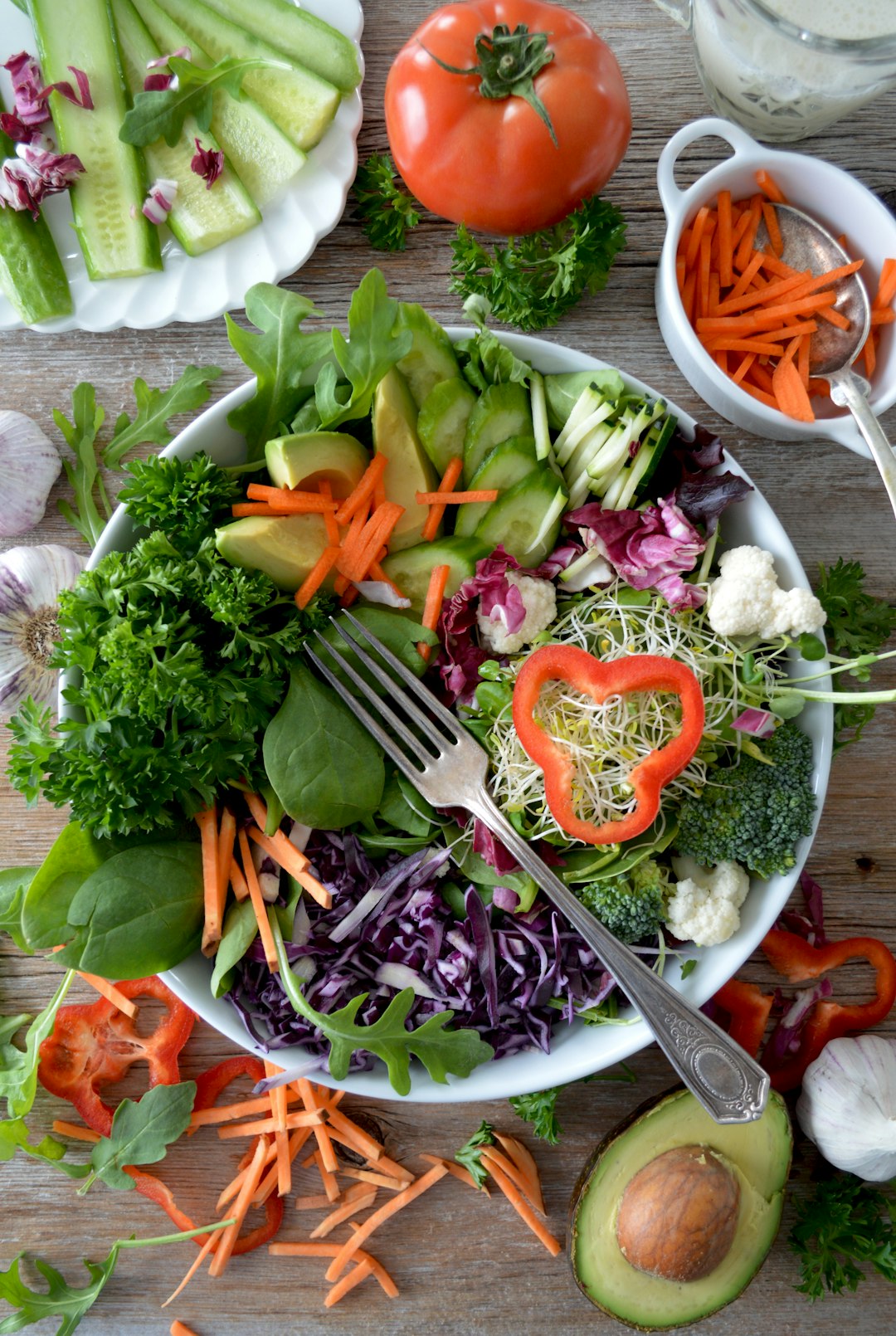
Try adding a handful of organic spinach to eggs in the morning or building a lunch salad with arugula, avocado, cucumber, and grilled chicken or chickpeas. The goal is not to make every meal feel like a chore. It is to make healthy food feel easy enough that you will actually keep doing it.
2. Organic berries
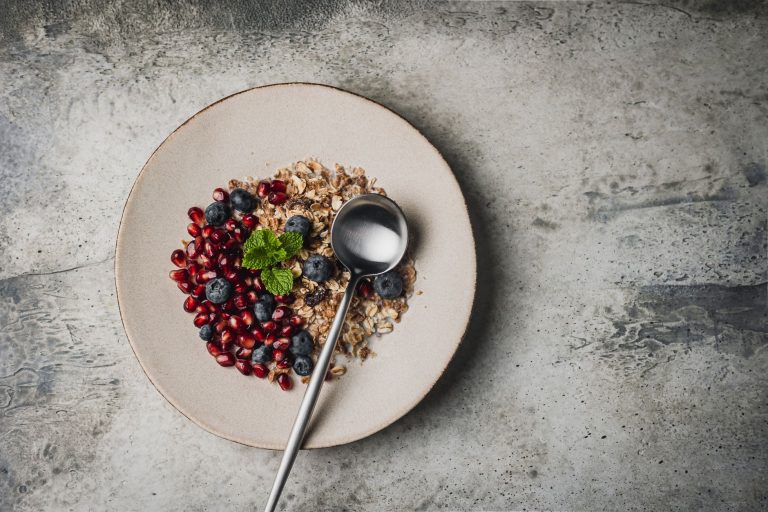
Berries are one of the best organic foods for people who want flavor without relying on added sugar. Blueberries, raspberries, blackberries, and strawberries are packed with antioxidants and fiber. They bring brightness to breakfast and can help satisfy sweet cravings in a way that supports a healthier lifestyle.
If you have been trying to reduce refined sugar, berries are a smart swap. They work in yogurt bowls, oatmeal, chia pudding, and smoothies. They also pair well with nuts and seeds, giving you a balanced snack that supports digestion and steady energy.
3. Organic fermented foods
Fermented foods can be especially useful in a gut health-focused organic diet. Options like plain organic yogurt, kefir, sauerkraut, kimchi, and miso contain beneficial live cultures that may support a balanced microbiome. Not every fermented food will suit every person, but when tolerated well, these foods can be a powerful part of a clean eating routine.
Start small. A spoonful of sauerkraut beside lunch or a small bowl of yogurt with berries may be enough to begin. Have you noticed how small habits often create the biggest changes? That is especially true when it comes to digestion.
4. Organic oats and whole grains
Whole grains such as oats, quinoa, brown rice, and buckwheat provide fiber that helps keep digestion moving smoothly. Organic oats, in particular, are a favorite for breakfast because they are affordable, adaptable, and comforting. They can be turned into overnight oats, warm porridge, or baked breakfast cups.
Fiber matters for gut health because it feeds beneficial bacteria and supports regularity. If your meals are currently low in fiber, adding organic whole grains can make a noticeable difference in how satisfied you feel after eating.
5. Organic legumes
Lentils, chickpeas, black beans, and white beans are nutrient-dense and gut-friendly when prepared well. They are excellent for people who want plant-based protein and more fiber in their diet. For weight loss, legumes are especially helpful because they can be filling without being overly calorie-dense.
To make them easier to digest, rinse canned organic legumes thoroughly, cook them until tender, and pair them with herbs like ginger, cumin, fennel, or turmeric. These small details can change how a meal feels in the body.
6. Organic ginger, turmeric, and herbs
Flavor matters. A healthy diet should not feel bland or punitive. Fresh ginger, turmeric, parsley, dill, mint, and basil can support digestion while making meals more enjoyable. Ginger tea after a heavy meal, turmeric in roasted vegetables, or mint in a cucumber salad can all bring comfort and freshness to your routine.
These ingredients also help turn simple food into something memorable. That matters, because sustainable clean eating is built on meals you look forward to eating.
[IMAGE: healthy meal]
How Organic Foods Support Weight Loss Without Extreme Restriction
When people hear weight loss, they often think of restriction, but the most effective strategies are usually the most sustainable ones. A gut-friendly organic diet supports weight loss by emphasizing fullness, consistency, and nourishment rather than deprivation. If your meals keep you satisfied, you are less likely to fall into the cycle of overeating and guilt.
Organic food can help you build a lower-stress approach to eating because it often leads to more whole ingredients and fewer hidden calories from ultra-processed foods. That does not mean organic food automatically causes weight loss. It means the way you eat matters, and organic options can help you make better choices more naturally.
What actually helps the body feel lighter?
-
Fiber-rich vegetables and whole grains
-
Adequate protein at each meal
-
Hydration from water, herbal tea, and high-water foods
-
Consistent mealtimes that prevent extreme hunger
-
Fewer ultra-processed snacks and sugary drinks
When you combine these habits with a clean eating approach, you create a daily rhythm that supports digestion and energy. You are not forcing your body into a temporary reset; you are giving it better input, day after day. That is what real progress tends to look like.
Why gut-friendly eating can curb cravings
Cravings are often not a sign of weakness. They are a sign that something in your routine is out of balance. Maybe meals are too small. Maybe they are too low in protein. Maybe you are relying on quick snacks that spike and crash your blood sugar. Or maybe your body simply wants more nutrient-dense food.
Organic foods rich in fiber and healthy fats can help you feel settled. For example, a lunch of quinoa, roasted vegetables, avocado, and salmon may keep you fuller than a sandwich made with refined bread and processed fillings. This is where nutrition becomes practical, not theoretical.
Build a Gut-Friendly Organic Plate in Real Life
You do not need a complicated nutrition framework to eat well. A simple plate model can help you make smart decisions quickly, especially on busy days. Think of your meals as having a foundation, a source of protein, a colorful layer of vegetables, and a finishing touch that adds flavor or healthy fat.
A simple formula for balance
-
Half the plate: organic vegetables or mixed salad greens
-
One quarter: protein from eggs, fish, yogurt, tofu, beans, or chicken
-
One quarter: whole grains or starchy vegetables
-
Added extras: olive oil, seeds, herbs, citrus, or fermented toppings
This structure works whether you are preparing a breakfast bowl, a lunch salad, or a comforting dinner plate. It is flexible enough to support a healthy lifestyle while still giving you variety. And variety matters. Would you really want to eat the same bland food every day just to chase health? Probably not.
Breakfast ideas that support digestion
Breakfast can set the tone for the rest of the day. If you begin with highly processed food, you may be more likely to feel hungry and scattered by midmorning. Instead, a gut-friendly breakfast can help stabilize energy and reduce the urge to snack constantly.
-
Organic oats with berries, chia seeds, and almond butter
-
Greek yogurt with ground flaxseed, cinnamon, and sliced kiwi
-
Vegetable omelet with spinach, mushrooms, and herbs
-
Smoothie with organic greens, banana, berries, and plain yogurt
These meals are simple, but they are not boring. They offer the kind of steady nourishment that keeps your body from chasing quick fixes later in the day.
Lunch and dinner ideas that feel light but satisfying
Lunch and dinner should leave you nourished, not overloaded. A healthy diet for gut support usually includes cooked vegetables, lean protein, and a moderate portion of complex carbohydrates. That combination tends to be easier on digestion than oversized meals heavy in cream, sugar, or refined flour.
-
Grilled salmon with roasted carrots, quinoa, and dill yogurt sauce
-
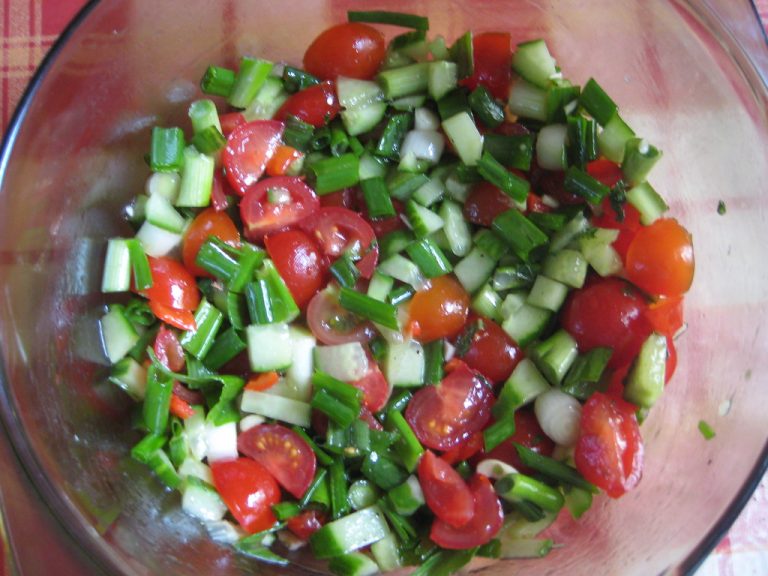
Chickpea and cucumber salad with parsley, lemon, and olive oil
-
Chicken soup with organic vegetables and ginger
-
Tofu stir-fry with broccoli, brown rice, and sesame seeds
Notice how many of these meals are built from recognizable ingredients. That simplicity is part of what makes them effective. Your digestive system does not need trendy complexity; it needs consistency, fiber, hydration, and balance.
Organic Clean Eating Habits That Make the Biggest Difference
People often assume clean eating requires a strict list of forbidden foods. In reality, it is more helpful to focus on patterns. What habits create the biggest change in how your body feels? Which daily choices make your meals more supportive, more nourishing, and less chaotic?
1. Read ingredient labels with intention
One of the simplest ways to improve your nutrition is to look at labels more carefully. If a packaged item contains a long list of ingredients you would not use at home, consider whether it truly belongs in your regular routine. This does not mean every packaged food is bad. It means awareness helps you make better choices.
2. Prepare more food at home
Home cooking gives you control over ingredients, portions, and freshness. It also lets you build meals that support your gut instead of overwhelming it. You can choose organic vegetables, healthy oils, and herbs while avoiding excess sodium or sugar.
3. Keep your kitchen stocked for success
Clean eating becomes easier when the right foods are available. If your kitchen is filled with sugary snacks, you will probably reach for them. If it is stocked with organic fruit, yogurt, nuts, vegetables, and simple proteins, healthy choices become the easy choice.
A practical organic grocery list
-
Organic spinach, kale, and mixed greens
-
Blueberries, apples, pears, and lemons
-
Oats, quinoa, brown rice, and lentils
-
Plain yogurt, kefir, or unsweetened plant-based alternatives
-
Avocados, olive oil, chia seeds, and flaxseed
-
Ginger, garlic, turmeric, parsley, and mint
4. Hydrate regularly
Digestion depends on hydration. Water helps move fiber through the digestive system and supports the body’s natural processes. If you are trying to improve gut health, keep water within reach throughout the day. Herbal teas can also be a soothing part of a detox diet-inspired routine, especially when you choose ginger, peppermint, or chamomile.
5. Eat slowly and without distraction
This may sound almost too simple, but it is one of the most overlooked habits in nutrition. When you eat quickly while scrolling, working, or standing at the counter, it becomes easier to miss fullness cues. Slower eating gives your body time to register what is happening and may help reduce overeating.
Ask yourself during a meal: Am I still hungry, or am I just finishing because the food is there? That small pause can change how you feel after eating.
A Gentle 3-Day Organic Reset for the Gut
If you want a structured starting point without falling into an extreme detox diet, a gentle three-day reset can be a useful bridge. The purpose is not deprivation. It is to simplify your meals, reduce processed food, and give your digestion a calmer environment for a few days.
Day 1: Keep it simple
-
Breakfast: oats with berries and chia seeds
-
Lunch: vegetable soup with lentils and a side salad
-
Dinner: grilled fish or tofu with roasted vegetables and brown rice
-
Snacks: apple slices, yogurt, or a handful of nuts
Day 2: Focus on hydration and fiber
-
Breakfast: smoothie with spinach, banana, berries, and kefir
-
Lunch: chickpea salad with cucumber, parsley, lemon, and olive oil
-
Dinner: chicken or tempeh with quinoa and steamed greens
-
Snacks: cucumber, carrots, or a small bowl of fruit
Day 3: Add fermented foods
-
Breakfast: yogurt bowl with flaxseed and berries
-
Lunch: rice bowl with vegetables and sauerkraut on the side
-
Dinner: miso soup with tofu, greens, and mushrooms
-
Snacks: kefir, walnuts, or sliced pear
This kind of reset can help you notice how your body responds to simpler, cleaner meals. Do you feel less bloated? More alert? Less interested in processed snacks? Those clues are valuable, because they tell you what your body actually likes rather than what advertising tells you to eat.
Organic Foods and the Myth of Quick Fixes
There is a lot of noise online about detox drinks, miracle foods, and rapid weight loss promises. The truth is much more grounded. No single organic food can fix poor sleep, chronic stress, or a diet built around convenience. Health is cumulative. It is shaped by repeated behaviors, not dramatic gestures.
That does not mean detox diet ideas are worthless. It means they work best when reimagined. Instead of looking for a purge, look for support. Instead of trying to force your body into a dramatic change, focus on giving it cleaner food, more water, more fiber, and more rest. That approach may not sound flashy, but it is far more likely to stick.
Common mistakes to avoid
-
Assuming organic automatically means low-calorie or weight-loss friendly
-
Ignoring protein and eating mostly fruit or salad
-
Relying on packaged
About the Author