
Photo by ClarissaBell on Pixabay
Your gut does far more than process meals. It influences how you absorb nutrients, how steady your energy feels, how often cravings show up, and even how easily you maintain a healthy weight. That is why choosing the right organic food can be one of the smartest upgrades you make to your healthy lifestyle. When clean eating is built around foods that support digestion instead of straining it, the results can feel surprisingly powerful: less bloating, more regularity, better appetite control, and a stronger foundation for long-term nutrition.
Many people think of a detox diet as something extreme, but gut-friendly eating is often much simpler than that. It is less about deprivation and more about consistency. Think fresh organic vegetables, fiber-rich fruits, fermented foods, quality proteins, and gentle fats that help your digestive system do its job well. If you have ever wondered why some diets feel easy to sustain while others leave you tired and frustrated, the answer may start in your digestive tract. Could your daily food choices be helping your gut, or slowly working against it?
[IMAGE: organic vegetables]
Why Gut Health Matters for Everyday Wellness
The gut microbiome is the community of bacteria and other microorganisms living in your digestive system. When that ecosystem is balanced, it supports smooth digestion, immune resilience, and even mood stability. When it is disrupted, the signs often show up in very ordinary ways: irregular bowel movements, sugar cravings, sluggishness after meals, bloating, and difficulty losing excess weight. In other words, gut health is not a niche topic for wellness enthusiasts; it is a practical part of daily nutrition.
A healthy gut can help you extract more value from the food you already eat. It also plays a role in how your body responds to inflammation, which matters if your goal is weight loss without the drained, overly restricted feeling that many diets create. This is why a clean eating approach centered on organic food can be so effective. Instead of counting every bite in a stressful way, you focus on feeding your body ingredients it recognizes and uses efficiently.
Signs Your Digestion May Need Support
Not every gut issue is dramatic. In many cases, the body gives subtle warnings long before anything feels serious. If you notice several of these patterns often, your digestive system may benefit from a more thoughtful approach to organic food and nutrition:
- Bloating after meals, especially after heavy or processed foods
- Constipation or inconsistent bowel movements
- Frequent cravings for sugar or refined carbohydrates
- Low energy in the afternoon
- Skin flare-ups that seem connected to food
- A tendency to feel overly full or uncomfortable after eating
- Difficulty sticking to a healthy diet because hunger feels hard to control
Do any of these sound familiar? If so, the next step is not to punish yourself with a harsher detox diet. It is to simplify, upgrade, and support your system with better daily choices.
Why Organic Food Can Be a Smart Choice for Gut Health
Organic food is not magic, but it can be a meaningful part of a gut-supportive routine. One reason many people prefer organic produce is that it reduces exposure to synthetic pesticides and additives that they want to avoid as part of a cleaner diet. Another reason is psychological: when people buy organic groceries, they often become more intentional overall. They cook more at home, shop more carefully, and build meals around whole ingredients instead of packaged products.
That shift matters because gut health is usually improved by patterns, not isolated superfoods. A single green smoothie will not fix a poor eating routine, but a steady habit of choosing organic vegetables, fruits, legumes, fermented foods, and minimally processed staples can create lasting change. This is where clean eating becomes sustainable rather than trendy.
What Organic Choices Bring to the Table
There are several ways organic ingredients can support a gut-friendly diet:
- They often encourage a higher intake of fruits and vegetables, which means more fiber.
- They help reduce dependence on ultra-processed convenience foods.
- They make it easier to build meals around freshness and seasonality.
- They align with a healthier lifestyle that prioritizes whole-food nutrition.
In a weight loss journey, that combination is especially valuable. When meals are built from quality ingredients, appetite tends to stabilize, blood sugar may feel steadier, and overeating becomes less likely. That is a much more realistic strategy than trying to force willpower through every meal.
The Best Organic Foods for a Healthy Gut
If your goal is to eat in a way that supports digestion, start with foods that are naturally rich in fiber, water, enzymes, and beneficial compounds. The best choices are often simple, affordable, and easy to rotate throughout the week. You do not need a complicated detox diet to nourish your digestive system; you need a reliable list of ingredients you genuinely enjoy.
Organic Vegetables
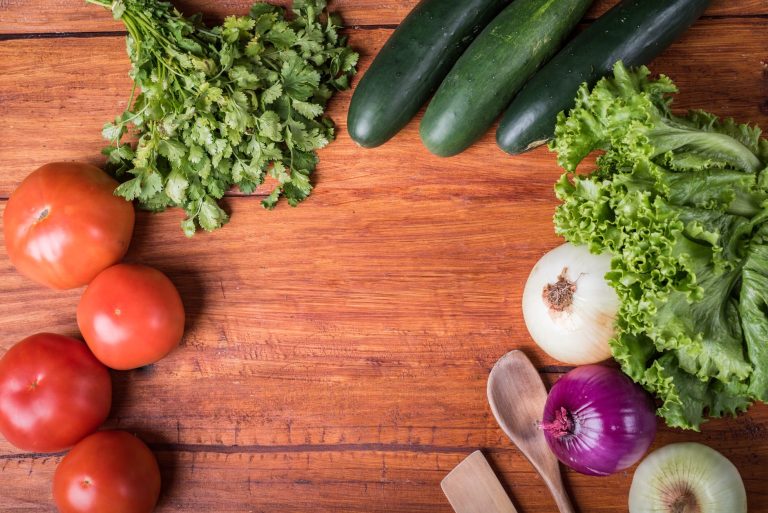
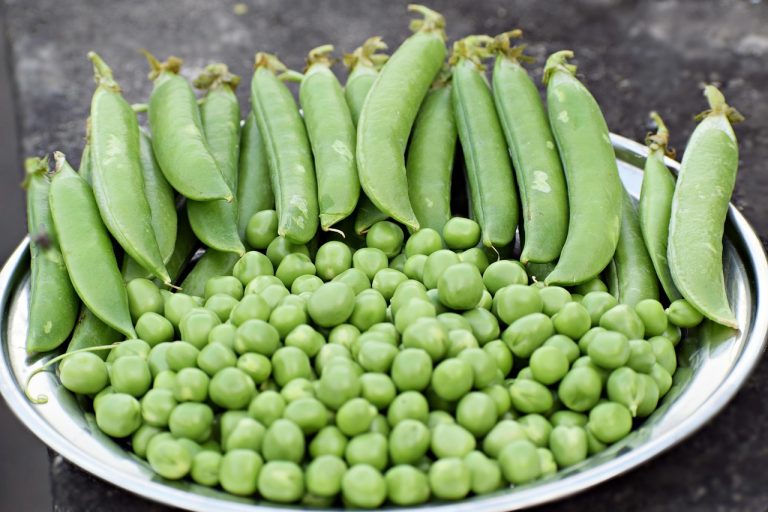
Vegetables are the foundation of most gut-friendly eating plans. They provide fiber, phytonutrients, and hydration, which all matter for smooth digestion. Organic vegetables are especially appealing because they fit naturally into clean eating meals and can be used raw, roasted, steamed, blended, or tossed into soups.
Best options include:
- Leafy greens like spinach, kale, and arugula
- Cruciferous vegetables like broccoli, cauliflower, and Brussels sprouts
- Carrots, zucchini, cucumbers, and bell peppers
- Sweet potatoes for gentle, satisfying fiber
- Beets for variety and natural sweetness
[IMAGE: healthy meal]
If raw vegetables make you feel uncomfortable, cook them. Digestive comfort matters more than following rigid rules. A healthy diet should work with your body, not against it.
Organic Fruit in Moderation
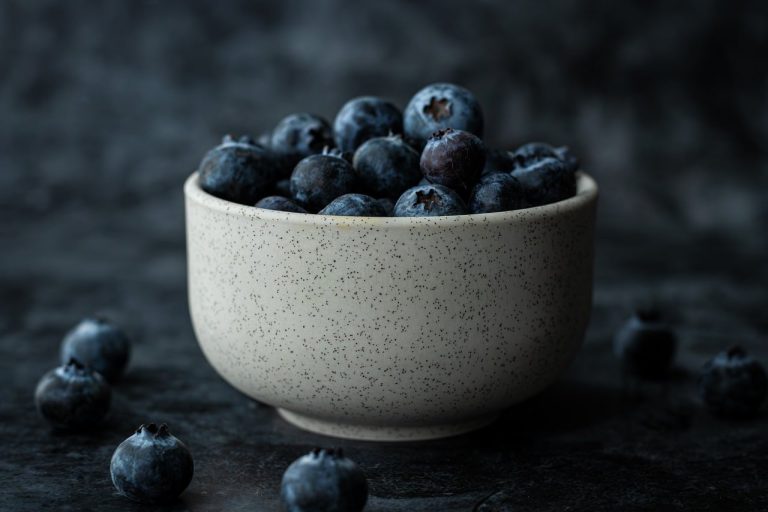
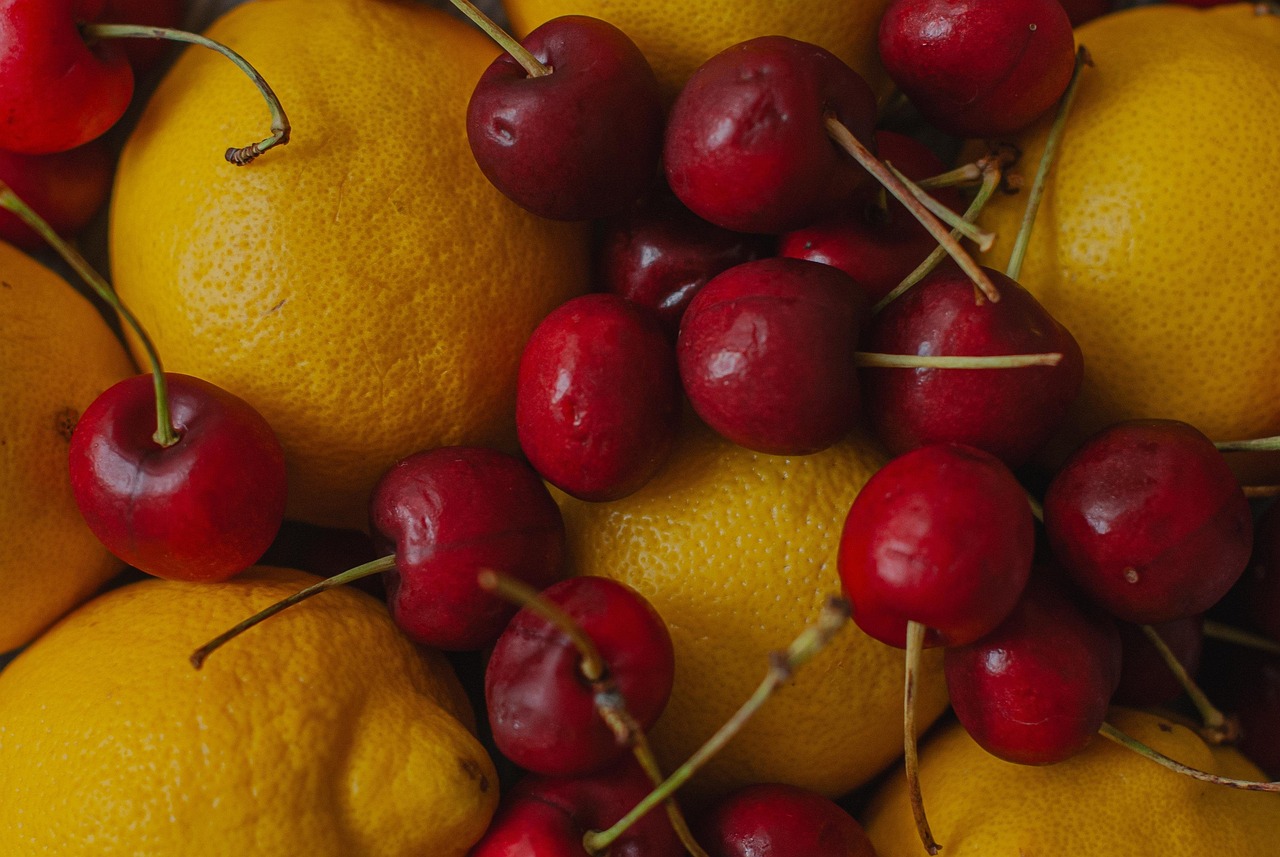
Fruit offers fiber, water, antioxidants, and natural sweetness that can help reduce cravings for packaged desserts. For some people, fruit is also easier to digest than heavy snacks because it feels light while still satisfying. Organic berries, apples, pears, kiwi, and citrus fruits are especially useful in a gut-supportive meal plan.
Try pairing fruit with protein or healthy fat to keep blood sugar stable. For example, apples with almond butter or berries with unsweetened yogurt can make a smarter snack than fruit alone. This is one of the simplest clean eating habits to adopt if you want more stable energy and fewer impulsive cravings.
Fermented Foods
Fermented foods are often the star of a gut health conversation, and for good reason. They can help diversify your diet and may provide beneficial microbes that support a more balanced digestive environment. Organic options are widely available and can fit naturally into breakfast, lunch, or dinner.
Good choices include:
- Organic plain yogurt or kefir
- Sauerkraut
- Kimchi
- Miso
- Tempeh
The key is to choose versions with minimal added sugar and unnecessary processing. If you are new to fermented foods, start small. A spoonful or two is enough at first. Why rush? A healthy lifestyle is built by consistency, not intensity.
Whole Grains and Resistant Starch
Not all carbohydrates are the enemy of weight loss. In fact, the right carbohydrates can support gut health by feeding beneficial bacteria and helping you feel satisfied longer. Organic oats, quinoa, brown rice, and cooled potatoes or rice can all play a role in a balanced nutrition plan.
One particularly useful option is oats. A bowl of organic oatmeal with seeds and berries can be a powerful breakfast for energy and digestion. It is filling, gentle, and easy to customize. For many people, that makes it far more sustainable than skipping breakfast and getting overly hungry later.
Seeds, Nuts, and Healthy Fats
Healthy fats help reduce dryness in meals, increase satisfaction, and support the absorption of fat-soluble nutrients. Seeds and nuts also add texture, minerals, and fiber. In a gut-friendly organic food plan, these ingredients can transform a simple dish into something that feels complete.
Useful options include:
- Chia seeds
- Flaxseeds
- Pumpkin seeds
- Walnuts
- Avocados
- Extra-virgin olive oil
Chia and flax are especially popular in clean eating because they blend easily into smoothies, yogurt bowls, and oats. They also support regularity, which is important if your digestive system tends to slow down.
How Gut Health and Weight Loss Work Together
Many people begin a healthy diet hoping to lose weight, but they often overlook how digestion affects progress. If your gut is not functioning well, you may feel hungrier, crave more processed food, and experience more energy dips that trigger unnecessary snacking. When digestion improves, it becomes easier to follow a calorie-conscious routine without feeling deprived all the time.
This is one reason a smart detox diet is not about liquids alone or extreme restrictions. The real detox support comes from fiber, hydration, sleep, and regular meals made with organic food. That combination helps your body eliminate waste efficiently while also giving you the steady energy you need to stay active.
Why Digestion Can Influence Cravings
When meals are low in fiber and protein, they often pass through too quickly, leaving you hungry again much sooner. That can cause a cycle of snacking, overeating, and frustration. On the other hand, a meal built around organic vegetables, legumes, lean protein, and healthy fat tends to keep you fuller for longer.
Ask yourself this: are you eating because your body needs fuel, or because your last meal was not satisfying enough? That question alone can reveal a lot about your current nutrition pattern.
A Better Plate Method for Weight Loss
If you want a straightforward framework, try this at most meals:
- Half the plate: organic vegetables or salad greens
- One quarter: protein such as eggs, fish, tofu, tempeh, or chicken
- One quarter: whole grains or starchy vegetables
- Small amount: healthy fat such as avocado, seeds, or olive oil
This structure supports satiety, blood sugar stability, and practical weight loss without making food feel joyless. It also works beautifully for people who want to stay close to clean eating principles without counting every gram of food.
Foods That Can Disrupt a Gut-Friendly Diet
Knowing what to emphasize is important, but it is equally useful to know what may be getting in the way. Many common foods make digestion more difficult, especially when they show up often in a busy lifestyle. The problem is not always one ingredient; it is the repeated pattern of ultra-processed meals that crowd out better options.
Items to Limit or Avoid
- Sugary drinks and sweetened coffees
- Refined baked goods and packaged desserts
- Deep-fried foods that feel heavy after eating
- Highly processed snacks with long ingredient lists
- Excessive alcohol, which can irritate digestion
- Frequent artificial sweeteners if they do not agree with you
None of this means you must eat perfectly. It means you should notice patterns. Which foods leave you energized, and which ones leave you foggy, bloated, or hungry again too soon? That awareness is a powerful nutrition tool.
Simple Organic Meal Ideas for Better Digestion
The easiest way to support gut health is to make good food convenient. When healthy meals are quick to assemble, you are more likely to stick with them. That is why meal ideas matter as much as ingredients. You do not need gourmet cooking skills to eat well; you need a handful of reliable combinations you can rotate through the week.
Breakfast Ideas
A gut-friendly breakfast should provide fiber and enough protein to prevent a mid-morning crash. Here are a few options:
- Organic oatmeal topped with chia seeds, berries, and walnuts
- Plain organic yogurt with flaxseeds, sliced kiwi, and cinnamon
- Vegetable omelet with spinach, tomatoes, and avocado
- Smoothie with greens, frozen berries, kefir, and a spoonful of seeds
If mornings feel rushed, prep ingredients the night before. Even a few minutes of planning can make clean eating easier than grabbing something processed on the go.
Lunch Ideas
Lunch is often where digestion falls apart, especially when work gets busy. A simple organic meal can prevent that afternoon slump:
- Quinoa bowl with roasted vegetables, chickpeas, and olive oil dressing
- Mixed greens salad with salmon, cucumbers, pumpkin seeds, and avocado
- Vegetable soup with lentils and a side of fermented sauerkraut
- Brown rice bowl with tofu, broccoli, carrots, and sesame seeds
These meals are balanced enough to support weight loss while still feeling satisfying. That balance is the secret to long-term success.
Dinner Ideas
Dinner should be nourishing but not so heavy that it disrupts sleep or leaves you uncomfortable. Gentle, organic foods often work well here:
- Baked wild fish with roasted sweet potato and asparagus
- Tempeh stir-fry with broccoli, zucchini, and brown rice
- Chicken or tofu lettuce wraps with herbs and crunchy vegetables
- Warm vegetable stew with beans and a drizzle of olive oil
[IMAGE: fitness lifestyle]
Snacks That Support a Healthy Lifestyle
Healthy snacking can prevent overeating later, especially if your meal schedule is irregular. The best snacks are simple, portable, and made from clean ingredients:
- Apple slices with nut butter
- Carrot sticks with hummus
- Organic kefir or yogurt
- Pumpkin seeds and berries
- Cucumber slices with guacamole
When you snack this way, you are not just filling a gap. You are actively supporting your digestion and nutrition goals.
How to Build a Gut-Friendly Organic Shopping List
One of the most practical ways to stay consistent is to shop with intention. If your kitchen is stocked with the right ingredients, healthy meals become much easier to make. A strong shopping list is one of the best tools for clean eating because it reduces decision fatigue.
What to Keep on Hand
- Organic leafy greens
- Broccoli, carrots, cauliflower, and zucchini
- Berries, apples, kiwi, and lemons
- Plain yogurt or kefir
- Oats, quinoa, brown rice, and lentils
- Chia seeds, flaxseeds, walnuts, and pumpkin seeds
- Olive oil, avocado, and nut butter
- Fermented foods like sauerkraut or kimchi
Budget-Smart Tips for Buying Organic
Many people assume organic food always costs more, but that is not the whole story. Strategic shopping can make it manageable. Buy seasonal produce, choose frozen organic vegetables when they are less expensive, and focus on the foods you eat most often. If your budget is limited, prioritize organic versions of produce you typically eat with the skin on.
Another smart strategy is cooking in batches. A tray of roasted vegetables, a pot of grains, and a container of washed greens can support several days of meals. That kind of preparation makes healthy living feel realistic rather than idealized.
Signs Your Gut-Friendly Routine Is Working
When a clean eating plan is aligned with your body, you usually notice changes gradually rather than overnight. The results may not be dramatic at first, but they are meaningful. Better digestion often shows up in subtle ways before you see weight loss or body composition changes.
Positive Changes to Look For
- Less bloating after meals
- More regular digestion
- Fewer sugar cravings
- Steadier energy between meals
- Improved meal satisfaction
- Better hydration and fewer afternoon crashes
These shifts matter because they make your healthy diet easier to sustain. You do not want a plan that only works for a week. You want one that feels good enough to become your normal.
Common Mistakes to Avoid When Eating for Gut Health
Even well-intentioned people can make simple mistakes that slow progress. The good news is that these are easy to correct once you spot them. If you are trying to improve digestion and support weight loss, avoid these common issues:
1. Changing Too Much at Once
Jumping from processed eating to a very strict detox diet can overwhelm the body and your schedule. Start with small upgrades. Add one extra vegetable serving, one fermented food, or one high-fiber breakfast at a time.
2. Ignoring Protein
Gut health is not just about fiber. Protein helps stabilize appetite and supports recovery, especially if you are active. Every main meal should include a source of protein.
3. Overdoing Raw Foods
Some people feel better with cooked vegetables instead of large raw salads. There is no prize for forcing foods that make you feel uncomfortable.
4. Forgetting Hydration
Fiber works best when paired with enough water. If you increase your intake of vegetables, seeds, or legumes, remember to drink more throughout the day.
5. Expecting Instant Results
Improved digestion often happens gradually. Patience is part of the process. Have you ever noticed how the best changes in nutrition are usually the ones you can maintain without stress?
A Practical One-Day Organic Eating Example
If you are unsure how all of this fits together, here is a simple example of a gut-friendly day built around organic food and clean eating principles.
Morning
Start with water and a breakfast of organic oatmeal topped with chia seeds, blueberries, and walnuts. If you prefer savory food, choose an omelet with spinach and tomatoes alongside avocado. Both options support energy without overwhelming digestion.
Midday
For lunch, try a quinoa bowl with roasted broccoli, carrots, chickpeas, and olive oil dressing. Add a small serving of sauerkraut if you enjoy fermented foods. This kind of meal provides fiber, protein, and steady fuel for the afternoon.
Afternoon
If hunger appears, snack on an apple with almond butter or a small bowl of yogurt with flaxseeds. These combinations can help you stay focused without reaching for refined snacks that trigger a crash later.
Evening
Finish the day with baked salmon or tofu, roasted sweet potatoes, and steamed asparagus. Keep the meal simple, satisfying, and easy to digest. A lighter dinner can support better sleep, which in turn supports digestion and weight loss.
Why This Approach Works for Real Life
The best healthy diet is the one you can follow when life gets busy, stressful, or unpredictable. That is why this organic food approach is so effective. It is flexible enough to fit different tastes and schedules, but structured enough to create real results. Whether your goal is weight loss, better digestion, or simply more energy, the path forward is often the same: simplify your food choices, improve your nutrition, and repeat the habits that make you feel your best.
You do not need to be perfect. You need to be consistent. One nourishing breakfast, one balanced lunch, and one thoughtful grocery trip can change the direction of your week. And when those habits keep building, they begin to shape your health in a way that feels natural instead of forced. If you want more ideas for organic food, clean eating, weight loss, and a healthier lifestyle, keep exploring DietOrganic and keep giving your body the kind of food that helps it thrive.
About the Author