
Photo by Gareth Hubbard on Unsplash
When people think about weight loss, they often picture calorie counting, intense workouts, or the latest restrictive trend. But what if the real turning point begins somewhere more fundamental: in your digestive system? A healthy gut does far more than process meals. It helps regulate appetite, supports nutrient absorption, influences inflammation, and can shape how energized or sluggish you feel throughout the day. That is why a smart organic food approach can be so powerful. It supports clean eating, encourages better nutrition, and creates a foundation for sustainable results rather than short-term fixes.
If you have tried to lose weight without much success, have you ever paused to ask whether your digestion, food quality, or daily eating patterns might be working against you? This is where organic food comes in. By choosing foods grown without many of the synthetic chemicals commonly found in conventional agriculture, you may reduce unnecessary exposure while increasing the chances that your meals feel fresh, satisfying, and easier on your system. For many people, that shift alone can change the way healthy diet goals feel in real life.
In this article, we will explore how organic food can fit into a weight loss strategy centered on gut health, clean eating, and practical nutrition. You will learn which foods deserve a place on your plate, how to build meals that support digestion, and what habits can help you feel lighter without feeling deprived. Along the way, we will look at a balanced approach to detox diet thinking, because true wellness should never feel extreme. Instead, it should feel grounded, sustainable, and realistic.
Why Gut Health Matters in a Weight Loss Journey
Your gut is home to trillions of microorganisms that influence more than digestion. These microbes help break down food, produce certain vitamins, and communicate with your immune system. Research continues to show that the gut microbiome can play a role in metabolism, cravings, blood sugar balance, and even mood. That means your weight loss results may depend as much on the quality of your daily food choices as on the number of calories you consume.
When the digestive system is overburdened by highly processed foods, excess sugar, poor hydration, or low-fiber meals, the body can respond with bloating, sluggishness, and unstable hunger. That can make healthy diet progress feel frustrating. In contrast, a pattern built around organic food, fiber-rich produce, and simple clean eating can help create a calmer internal environment. Could that be the missing piece in your nutrition plan?
Consider the signs that your gut may need more attention:
- Frequent bloating after meals
- Irregular bowel movements
- Cravings for sugary or heavily processed foods
- Low energy after eating
- Feeling hungry soon after meals
- Skin flare-ups or inflammation
None of these signs means something is wrong with you. They simply suggest that your food choices, timing, or digestion habits may need support. Organic food can help by bringing more whole ingredients, better nutrient density, and fewer unnecessary additives into your routine.
What Makes Organic Food Different?
Organic food is produced according to standards that limit synthetic pesticides, herbicides, genetically modified ingredients, and certain artificial inputs. While the label itself does not guarantee a perfect food, it often signals a more natural route from farm to table. For anyone focused on healthy lifestyle habits, this can be a meaningful distinction.
Why does that matter for weight loss and clean eating? Because the simpler your food becomes, the easier it may be to recognize hunger, satiety, and true energy needs. Organic produce is frequently purchased in more whole-form ingredients, such as leafy greens, berries, roots, legumes, grains, nuts, seeds, eggs, yogurt, and lean proteins. These foods support nutrition goals in a way that fast food and packaged snacks often do not.
Of course, organic food is not automatically a weight loss solution. A bag of organic cookies is still a cookie. The difference lies in the overall pattern. An eating style centered on whole organic foods can reduce reliance on ultra-processed products and help you build meals with more fiber, more micronutrients, and fewer empty calories. That combination is what makes organic eating especially useful for long-term wellness.
The Connection Between Clean Eating and Better Digestion
Clean eating is not about perfection. It is about simplifying the plate so your body can do its job more efficiently. When meals are built from recognizable ingredients, digestion tends to feel less chaotic. Your body does not have to navigate as many stabilizers, flavor enhancers, or hidden sugars. Instead, it can focus on absorbing nutrients and maintaining balance.
A clean eating approach that includes organic food often brings the following benefits:
- More fiber from vegetables, fruits, legumes, and seeds
- Better hydration from fresh produce with high water content
- Fewer additives that may irritate sensitive digestive systems
- Steadier blood sugar when meals include protein, fiber, and healthy fat
- Improved meal satisfaction, which can reduce overeating
This does not mean every meal has to be elaborate. In fact, one of the most effective clean eating strategies is often the simplest: focus on whole foods, cook more often at home, and keep your ingredients short and clear. The more often you can see what is on your plate, the easier it becomes to trust your food choices.
Organic Foods That Support Gut Health and Weight Loss
Not all foods contribute equally to a healthier digestive system. Some organic foods are particularly valuable because they combine fiber, antioxidants, hydration, and satisfaction in a way that supports weight loss without forcing restriction. Here are some of the best choices to include consistently.
1. Leafy Greens
Spinach, kale, arugula, romaine, and Swiss chard are excellent building blocks for any organic diet. They are low in calories but rich in vitamins, minerals, and fiber. Leafy greens support digestion by helping move things through the gut smoothly, and they work beautifully in salads, omelets, soups, and smoothies.
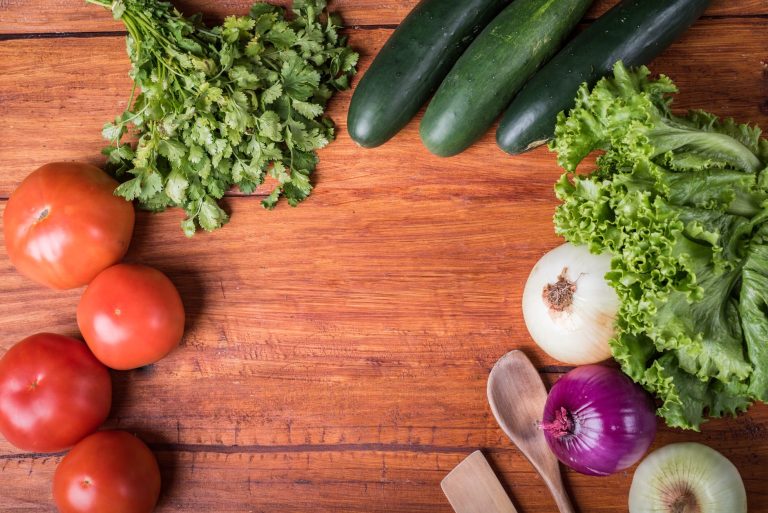
Try adding a handful of greens to breakfast, lunch, and dinner. A bowl with greens, avocado, grilled salmon, pumpkin seeds, and lemon dressing can feel luxurious while staying light and nutrient-dense. [IMAGE: organic vegetables]
2. Berries
Organic berries are one of the most enjoyable choices for healthy weight loss. Blueberries, raspberries, blackberries, and strawberries are naturally sweet, high in fiber, and full of antioxidants. They can help satisfy sugar cravings without leading to the same energy crash as processed desserts.
Because berries are small and delicate, many people prefer buying them organic to reduce exposure to pesticide residues. Add them to yogurt, chia pudding, oatmeal, or simply enjoy them as a snack between meals.
3. Fermented Foods
Fermented organic foods can be especially valuable for gut health. Options such as plain organic yogurt, kefir, sauerkraut, kimchi, and miso may help support a more diverse microbiome when included regularly. While fermented foods are not magic, they can be a smart part of a nutrition plan aimed at better digestion.
Start slowly if you are new to them. A few spoonfuls of sauerkraut or a small serving of kefir is often enough to begin. Too much too soon may cause discomfort for sensitive stomachs, so listen to your body and increase gradually.
4. Cruciferous Vegetables
Broccoli, cauliflower, cabbage, Brussels sprouts, and bok choy are packed with fiber and plant compounds that support detox pathways naturally. In a gentle detox diet context, these vegetables help the body process waste efficiently while contributing to fullness and calorie control.
Roasted broccoli with olive oil and garlic, shredded cabbage in slaw, or cauliflower rice under a protein-rich bowl can make healthy meals feel satisfying rather than sparse. They also work well in meal prep because they hold up during cooking and reheating.
5. Avocados
Avocados provide creamy texture, healthy monounsaturated fats, and a sense of satisfaction that can help prevent overeating later in the day. For people trying to lose weight, this matters more than many realize. A meal that leaves you feeling truly satisfied is less likely to trigger grazing.
Use avocado on toast, in salads, blended into dressings, or paired with eggs and tomatoes. The key is portion awareness. Healthy fat is valuable, but balance still matters.
6. Chia Seeds and Flaxseeds
These tiny seeds are powerhouses of fiber. Chia seeds absorb liquid and form a gel-like texture that can help support digestion, while flaxseeds provide omega-3 fats and lignans that contribute to overall nutrition. Both are easy to add to smoothies, oatmeal, yogurts, and baked goods.
If you want a simple gut-friendly habit, stir a tablespoon of chia seeds into water or plant milk and let it sit. Add berries on top, and you have a breakfast that feels both clean and filling.
7. Apples and Pears
Apples and pears are classic organic food options for a reason. Their fiber content supports digestion, and they offer satisfying sweetness with a relatively low calorie load. Eating the skin can increase fiber intake, so organic versions are often especially appealing if you want to reduce pesticide concerns while keeping the fruit intact.
Pair apple slices with almond butter or add pear slices to salad with walnuts and greens for a refined, balanced snack or side dish.
8. Oats
Organic oats are a gentle, versatile source of soluble fiber, which can support fullness and healthy blood sugar response. For many people, a warm bowl of oats is one of the easiest ways to start a healthy diet day. Add seeds, berries, cinnamon, and a source of protein to make the meal more complete.
Overnight oats, baked oats, and savory oatmeal bowls all make excellent clean eating options. If you often feel hungry mid-morning, oats may help stabilize your appetite better than a pastry or cereal.
9. Legumes
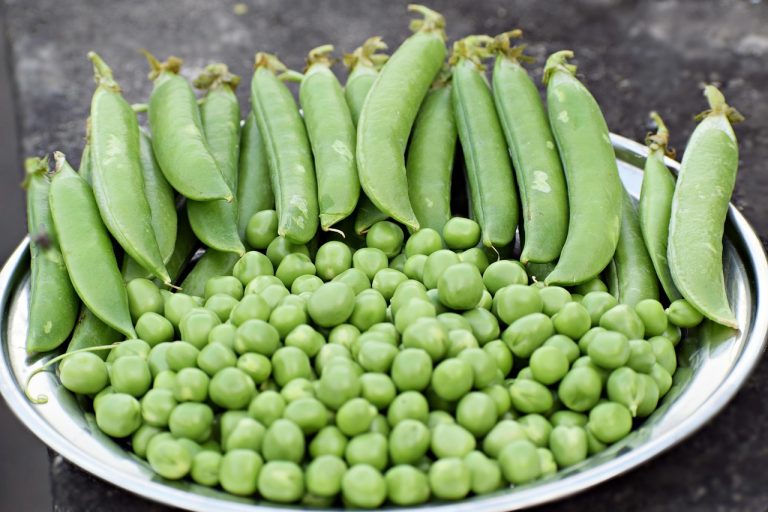
Beans, lentils, and chickpeas are affordable, filling, and rich in fiber and plant protein. They are excellent for weight loss because they help you stay satisfied while keeping meals nutrient-dense. They also support digestion by feeding beneficial gut bacteria.
Try lentil soup, chickpea salads, black bean bowls, or hummus with vegetables. When prepared simply with herbs, olive oil, lemon, and spices, legumes can fit beautifully into an organic food plan.
10. Plain Organic Greek Yogurt
High-protein yogurt can be a smart addition to a healthy lifestyle, especially when you want something quick, creamy, and filling. Choose plain versions with minimal ingredients so you can control sweetness and avoid unnecessary added sugar. Top with berries, seeds, or cinnamon for a balanced snack or breakfast.
For those who tolerate dairy well, yogurt can be a convenient option that supports both gut health and weight management. Just be mindful of portion size and added toppings.
How to Build a Day of Organic Clean Eating
One of the biggest challenges in any nutrition plan is not knowing how to put the ideas into practice. The good news is that clean eating does not have to be complicated. You do not need exotic ingredients or strict rules. You need structure, balance, and a few easy go-to meals.
Here is a simple way to build a day around organic food while supporting weight loss and digestion:
Breakfast
Start with something that combines fiber, protein, and healthy fat. This might be oatmeal with chia seeds and berries, eggs with sautéed greens, or yogurt with fruit and nuts. A balanced breakfast can reduce the urge to snack mindlessly later in the morning.
Lunch
A good lunch should feel energizing, not heavy. A salad bowl with leafy greens, roasted vegetables, grilled chicken or tofu, avocado, and a lemon-olive oil dressing is a strong choice. You could also choose lentil soup with a side of fruit or a quinoa bowl with chickpeas and vegetables.
Snack
Keep snacks simple and intentional. Apples with nut butter, yogurt with cinnamon, carrots with hummus, or a small handful of nuts can keep your energy steady without derailing your healthy diet plan.
Dinner
For dinner, aim for a plate that includes plenty of vegetables, a quality protein, and a moderate portion of whole grains or starchy vegetables if desired. Think salmon with Brussels sprouts and sweet potato, turkey chili with beans, or tofu stir-fry with broccoli and brown rice.
Hydration
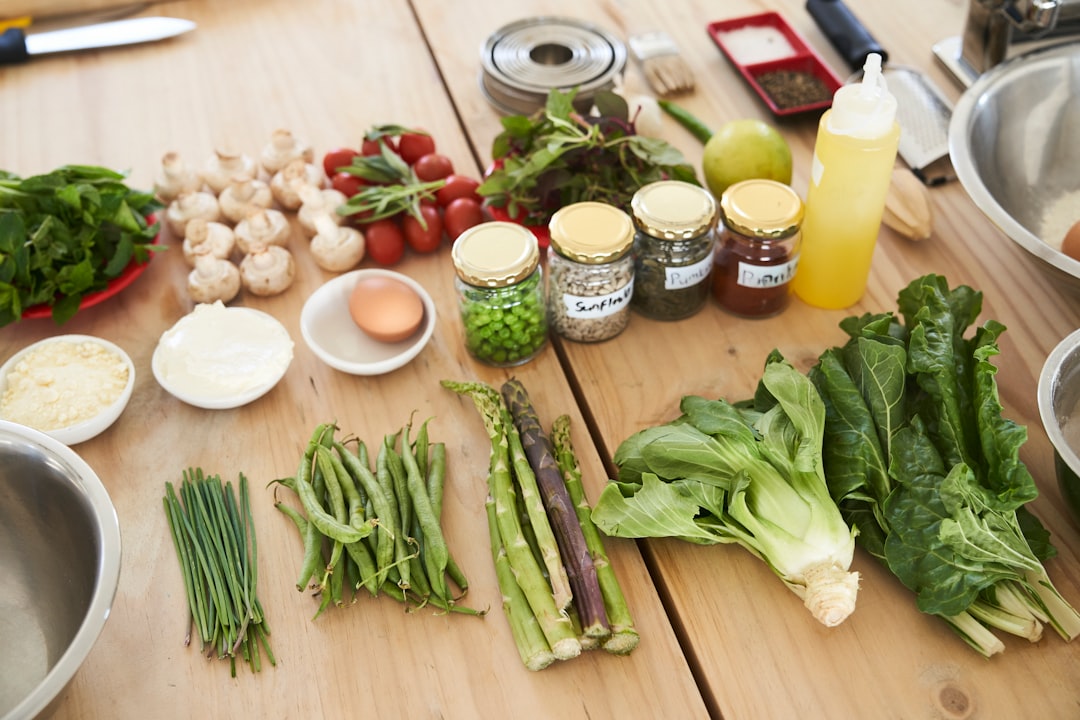
Water matters more than many people realize. Digestion slows when you are dehydrated, and hunger can sometimes be mistaken for thirst. Herbal teas, lemon water, and water-rich fruits and vegetables can all contribute to a more comfortable digestive rhythm. [IMAGE: healthy meal]
Smart Meal Prep Ideas for a Busier Life
Healthy eating becomes easier when your environment supports it. Meal prep is one of the most effective ways to stay on track with organic food, especially if your schedule is packed. The goal is not to spend all Sunday in the kitchen. The goal is to make good choices easier during the week.
Here are a few meal prep strategies that work well for clean eating and weight loss:
- Wash and chop vegetables in advance
- Cook a batch of quinoa, brown rice, or oats
- Roast two trays of mixed vegetables
- Prepare one or two proteins, such as chicken, tofu, salmon, or lentils
- Make a homemade dressing with olive oil, lemon, mustard, and herbs
- Portion snacks into small containers so they are easy to grab
When your fridge is filled with ready-to-use organic ingredients, you are far less likely to turn to processed convenience foods. That alone can make a dramatic difference in your nutrition and weight loss consistency.
Can a Detox Diet Help You Reset?
The word detox is often misused in wellness marketing, which is why many people become skeptical. Your liver, kidneys, digestive system, and skin already work as natural detoxification organs every day. You do not need harsh cleanses or starvation plans to help them function. What you do need is support. Could a gentle detox diet built around organic food be the reset your body actually wants?
A better approach is to reduce the burden on your system by focusing on fresh whole foods, hydration, sleep, and reduced intake of ultra-processed items. This is not about punishment. It is about giving your body cleaner inputs so it can perform better. Leafy greens, cruciferous vegetables, berries, herbs, citrus, and plenty of water can all be part of this approach.
To keep it realistic, think of detox support as a short-term reset that leads into a sustainable pattern, not as a crash plan. If you eliminate all favorite foods too aggressively, the plan usually fails. If you gradually shift toward healthier choices, it can become a new normal.
Common Organic Diet Mistakes to Avoid
Even with the best intentions, it is possible to make your healthy lifestyle more difficult than it needs to be. Organic food is valuable, but how you use it matters. These common mistakes can slow your results or make clean eating feel exhausting.
Eating Too Much of
About the Author

About the Author