
Photo by Clark Douglas on Unsplash
For many people, gut health is the missing link between a diet that looks healthy on paper and one that actually feels good in daily life. You can count calories, shop for the right ingredients, and still struggle with bloating, sluggishness, cravings, and unpredictable energy if your digestion is out of balance. That is where organic food can make a meaningful difference. When your meals are built around clean eating, nutrient density, and fewer unnecessary additives, your digestive system gets a better chance to work the way it should.
This is not about chasing a harsh detox diet or removing every food group overnight. It is about learning how organic foods can support the microbiome, calm inflammation, improve bowel regularity, and create the kind of steady nourishment that supports healthy weight loss over time. What if the most powerful change in your routine was not a complicated supplement stack, but a simpler plate filled with organic vegetables, fiber-rich plants, and gut-friendly meals you genuinely enjoy?
In this guide, you will discover the best organic foods for gut health, how they fit into a healthy lifestyle, and how to build a practical eating pattern that supports digestion without feeling restrictive. If you have ever wondered why some people seem to thrive on clean eating while others feel confused by endless nutrition advice, this article will help you make sense of it all.
Why Gut Health Matters More Than Most People Realize
Your gut is far more than a place where food is broken down. It is a highly active system that influences immunity, mood, nutrient absorption, skin clarity, energy, and even how satisfied you feel after meals. The trillions of microbes in your digestive tract help process fiber, produce beneficial compounds, and maintain a balance that affects nearly every part of your health. When this ecosystem is thriving, digestion tends to feel smoother, cravings often become easier to manage, and your body can make better use of the nutrition you give it.
So why do so many people struggle? Modern eating habits can overload the gut with highly processed foods, excess sugar, artificial additives, and low-fiber meals that leave the microbiome underfed. Add stress, poor sleep, and irregular routines, and digestion can quickly become less efficient. This is why clean eating is not just a trend. It is a strategic approach to nutrition that reduces the burden on the gut and supports better long-term balance.
Organic food matters here because it often aligns with a more whole-foods-based pattern. When you choose organic produce, organic dairy, organic eggs, and minimally processed organic pantry staples, you are often choosing ingredients with fewer synthetic pesticides, fewer unnecessary chemicals, and a stronger connection to naturally nutrient-rich eating. Does that automatically make every organic product healthier? Not always. But as part of a thoughtful diet, it can be a powerful step toward better digestion and a more sustainable healthy lifestyle.
- More fiber from whole organic plants can support regularity.
- Fewer artificial additives may mean less digestive irritation for sensitive people.
- Better nutrient density can help the body recover from stress and fatigue.
- A cleaner eating pattern may reduce the cycles of craving and overeating.
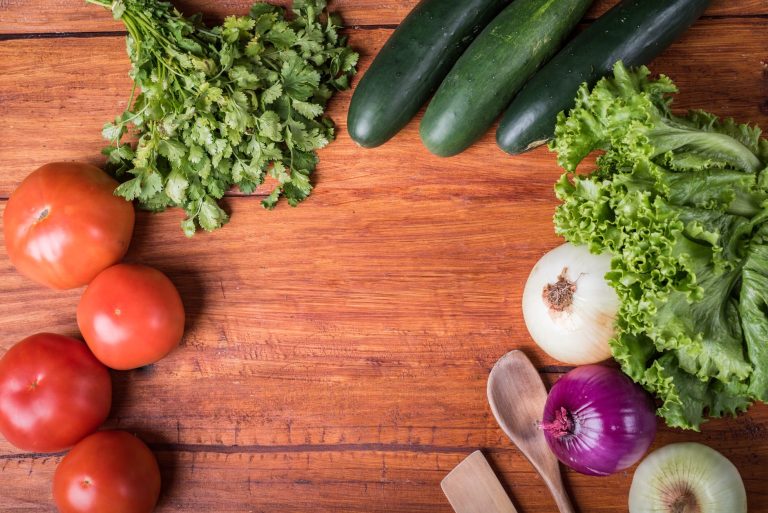
[IMAGE: organic vegetables]
The Organic Advantage for a Happier Digestive System
Organic food is not a magic solution, but it can support a gut-friendly diet in several practical ways. First, organic produce often encourages variety. When you shop the perimeter of the store or visit a local market, you are more likely to fill your basket with colorful vegetables, fruit, herbs, and greens instead of packaged foods that are low in fiber and high in refined ingredients. Variety matters because different plant foods feed different beneficial gut microbes.
Second, organic choices can make clean eating feel more intentional. Many people find that when they invest in better ingredients, they naturally cook more at home, portion more thoughtfully, and pay closer attention to how meals affect digestion. That awareness can be a huge advantage if you are trying to improve nutrition while also supporting healthy weight loss. After all, how often do mindless snacks or rushed meals leave you uncomfortable an hour later?
Third, the organic approach often pairs well with anti-inflammatory eating. A gut that is constantly exposed to highly processed foods, excess refined oils, and sugary snacks may struggle to stay balanced. Organic vegetables, fruits, legumes, whole grains, and quality proteins can create a calmer internal environment. For someone who feels puffy, sluggish, or bloated, that shift can be noticeable within days or weeks when combined with hydration and regular meals.
What makes a food gut-friendly?
A gut-friendly food is not defined by one label alone. It is typically something that offers fiber, hydration, natural enzymes, beneficial bacteria, or nutrients that help the digestive tract function well. Many organic foods fit this profile beautifully. Think leafy greens, berries, oats, chia seeds, fermented vegetables, kefir, plain yogurt, lentils, and sweet potatoes. These ingredients can work together to nourish both your body and your microbiome.
Here is a simple test. When you look at your plate, does it feel like real food, or does it look like a list of ingredients engineered in a lab? The more your meals resemble their natural form, the easier it often becomes for your digestive system to do its job.
Best Organic Foods for Gut Health
Let us get practical. If you want to support digestion, reduce bloating, and build a healthy diet that feels realistic, focus on a balanced mix of fiber, probiotics, prebiotics, hydration, and quality protein. These are the organic foods that deserve a regular place in your kitchen.
1. Organic leafy greens and cruciferous vegetables
Spinach, kale, arugula, broccoli, cauliflower, Brussels sprouts, and cabbage are staples for a gut-friendly plate. They provide fiber, antioxidants, and compounds that support the body’s natural detox processes without extreme restriction. When lightly cooked, many of these vegetables become easier to digest, which is helpful if raw salads tend to leave you bloated.
Try adding a handful of spinach to eggs, roasting broccoli with olive oil, or mixing cabbage into slaws with a simple lemon dressing. These habits are small, but they build a stronger nutritional foundation over time.
2. Organic fermented foods
Fermented foods can be incredibly valuable because they introduce beneficial bacteria that help maintain gut balance. Organic yogurt, kefir, sauerkraut, kimchi, miso, and tempeh are all worth considering if you tolerate them well. Not every fermented food will suit every body, which is why slow experimentation is smarter than dramatic change. Start with a small serving and observe how you feel.
If dairy does not agree with you, try coconut yogurt with live cultures or plant-based fermented options. If you are wondering whether probiotics from food can really help, the answer is yes, especially when they are part of a broader diet rich in fiber and whole foods.
3. Organic fruits that support digestion
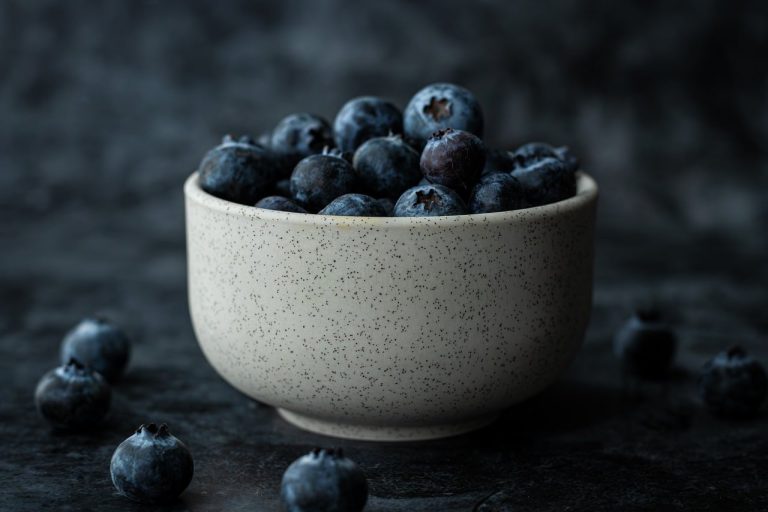
Berries, kiwi, apples, pears, papaya, and bananas can all support gut health in different ways. Berries provide antioxidants and fiber. Kiwi is often praised for helping with regularity. Apples and pears offer soluble fiber, especially when eaten with the skin. Papaya contains natural enzymes that may help some people digest protein more comfortably. Bananas, especially slightly green ones, can provide resistant starch that feeds beneficial microbes.
If you have a sweet tooth, these fruits are a smart way to satisfy it without relying on sugary desserts. Could this be the easiest nutrition upgrade in your routine?
4. Organic oats, chia seeds, flaxseeds, and legumes
These ingredients are some of the most underrated tools for gut health. Oats contain soluble fiber that helps form a soothing, gel-like consistency in the digestive tract. Chia seeds and flaxseeds provide fiber and healthy fats that support regularity. Lentils, chickpeas, and black beans nourish beneficial bacteria and create lasting fullness, which can support weight loss without extreme dieting.
If beans have caused discomfort in the past, start with smaller portions, rinse canned organic legumes thoroughly, and pair them with cooked vegetables instead of heavy sauces. A gradual approach is often more effective than forcing a sudden jump in fiber.
5. Organic healthy fats and proteins
Salmon, eggs, avocado, extra virgin olive oil, walnuts, and almonds can support a healthy digestive system by promoting satiety and reducing the urge to overeat. Protein is especially important because under-eating protein can leave you hungry, unstable, and tempted by quick fixes. Healthy fats help absorb fat-soluble vitamins and make meals more satisfying, which is an overlooked part of clean eating.
Choose organic eggs and dairy when possible, and look for minimally processed protein sources. A balanced gut-friendly meal is not just vegetables; it includes enough protein and fat to stabilize energy and keep you comfortably full.
How Clean Eating Supports the Microbiome
Clean eating is often misunderstood as a rigid list of allowed and forbidden foods. In reality, it is a flexible framework centered on whole ingredients, thoughtful preparation, and fewer processed extras. For the gut, this matters because the microbiome responds to the overall pattern of your diet, not just a single superfood or supplement.
When meals are built around organic food, high fiber, healthy fats, and quality proteins, the digestive system receives steady fuel instead of chaos. That steadiness helps reduce spikes and crashes in blood sugar, which can influence cravings, mood, and energy. It also supports regular bowel movements, one of the most basic signs that digestion is working well.
Many people looking for a detox diet actually do not need a severe cleanse. They need a routine that helps the body naturally do what it already knows how to do: process nutrients, eliminate waste, and maintain balance. Clean eating supports that process by reducing overload and increasing the quality of what you consume. Ask yourself this: are your current meals helping your body recover, or are they asking it to work overtime?
- Choose ingredients with short, recognizable labels.
- Build meals around plants, not processed fillers.
- Include fiber at every meal.
- Pair carbohydrates with protein and healthy fat.
- Make hydration part of the eating plan, not an afterthought.
A Simple Organic Gut-Health Plate Formula
If the phrase healthy diet feels vague, use a simple formula that takes the guesswork out of meal planning. At each meal, try to include one source of fiber, one source of protein, one source of healthy fat, and one colorful vegetable or fruit. This structure supports digestion, keeps energy steady, and helps you stay satisfied longer, which can make weight loss more manageable without feeling deprived.
The plate method in action
Imagine a lunch of roasted organic salmon, quinoa, steamed broccoli, and a side of sauerkraut. Or a breakfast of organic oats topped with chia seeds, blueberries, and plain Greek yogurt. Or a dinner of lentil soup with spinach, carrots, olive oil, and avocado toast on whole-grain bread. None of these meals are extreme. They are simply balanced, nourishing, and easy to repeat.
When meals are built this way, you are less likely to experience the familiar cycle of grazing, overeating, and digestive discomfort. That consistency matters far more than perfection.
One-Day Organic Meal Plan for Gut Support and Energy
It can be helpful to see how all of this works in real life. Below is a simple day of eating designed to support digestion, keep nutrition balanced, and make clean eating feel achievable even on a busy schedule. The exact portions will vary based on your needs, but the structure is what matters most.
Breakfast
Start with organic oats cooked in water or unsweetened milk, then top them with chia seeds, blueberries, cinnamon, and a spoonful of plain yogurt or kefir. This combination offers soluble fiber, probiotics, and gentle sweetness. If you prefer savory breakfasts, try organic eggs with sautéed spinach and avocado on whole-grain toast.
Mid-morning support
Have a piece of fruit, a handful of walnuts, or a small green smoothie with organic cucumber, spinach, lemon, and ginger. Keep it light enough to avoid overloading digestion, but substantial enough to prevent an energy dip.
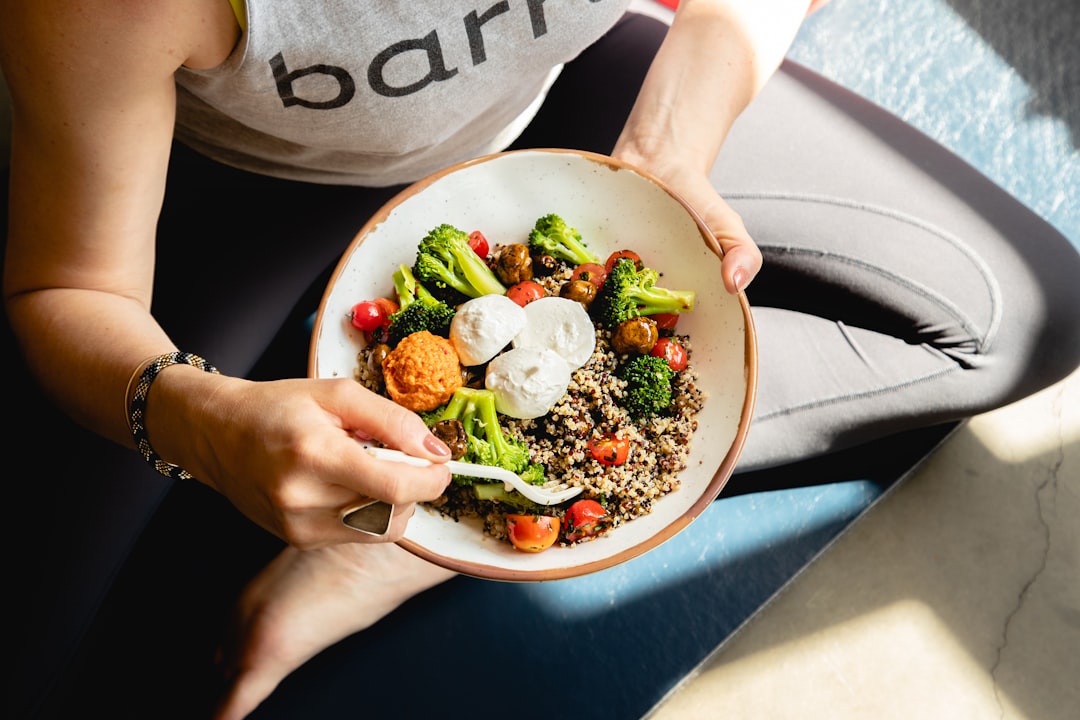
[IMAGE: healthy meal]
Lunch
Build a bowl with organic quinoa, roasted vegetables, chickpeas, leafy greens, olive oil, lemon, and herbs. If you want more protein, add grilled chicken, salmon, or tofu. This kind of meal is ideal for anyone who wants a cleaner way of eating without feeling deprived or hungry an hour later.
Afternoon snack
Choose sliced apple with almond butter, organic yogurt with flaxseed, or carrots with hummus. Snacks should not be random filler. They should have a purpose: support blood sugar, prevent overeating, and keep the digestive system calm.
Dinner
End the day with a soothing meal such as baked organic salmon, sweet potato, steamed asparagus, and a small serving of sauerkraut or cooked cabbage. If you prefer plant-based eating, a lentil stew with turmeric, carrots, and spinach is equally supportive. Warm, simple dinners often digest more comfortably than large, heavily seasoned meals late at night.
Organic Meal Prep Ideas That Save Time and Protect Digestion
Good nutrition is easier when the food is already prepared. One of the best ways to stay committed to a healthy lifestyle is to make gut-friendly choices the default option in your fridge. Meal prep does not need to be complicated. In fact, the simpler it is, the more likely you are to stick with it.
Begin by washing and chopping vegetables, cooking a pot of grains, roasting a tray of organic vegetables, and preparing one or two proteins for the week. Then add fermented foods, fruit, nuts, and simple dressings so you can mix and match meals without getting bored. If you have ever looked in the fridge and reached for takeout because nothing was ready, you already know why planning matters.
Here are a few easy prep ideas that support both clean eating and gut health:
- Roast broccoli, carrots, zucchini, and beets with olive oil and herbs.
- Cook quinoa or brown rice in a batch for grain bowls and soups.
- Prepare a jar of chia pudding with berries for quick breakfasts.
- Keep washed greens, cucumbers, and herbs ready for salads.
- Stock organic yogurt, kefir, and fermented vegetables for easy digestion support.
[IMAGE: organic vegetables]
Meal prep is not about control. It is about creating an environment where healthy choices are effortless. Once the right foods are visible and ready, healthy behavior becomes much easier to repeat.
How Gut Health Can Support Healthy Weight Loss
Weight loss is often discussed in terms of calories alone, but digestion plays a bigger role than many people realize. When the gut is balanced, appetite cues tend to become clearer, nutrient absorption improves, and energy levels are more stable. That does not mean the microbiome is a shortcut. It means your body is better able to respond to a healthy diet when the digestive system is functioning well.
Fiber-rich organic food can support fullness, which makes it easier to eat appropriate portions without feeling constantly hungry. Fermented foods may help improve gut diversity, which some research suggests is linked with better metabolic health. Even the act of cooking more often and eating more whole foods can reduce the ultra-processed patterns that often make weight management difficult.
Still, weight loss should never be framed as punishment. A sustainable approach is better than a dramatic one. The goal is not to eat as little as possible. The goal is to nourish yourself so well that your body has fewer reasons to crave, crash, and compensate. Would you rather chase quick results or build a routine you can live with for years?
Signs your eating pattern may need a gut-health reset
- You feel bloated after many meals.
- You swing between intense hunger and sudden cravings.
- Your energy drops sharply in the afternoon.
- You rely on convenience foods more than fresh meals.
- Your digestion feels unpredictable from one day to the next.
If several of these sound familiar, the answer may be less about stricter dieting and more about upgrading the quality and balance of your food.
[IMAGE: fitness lifestyle]
Foods and Habits That Can Disrupt Gut Balance
Sometimes the most helpful changes come from knowing what to reduce, not just what to add. A gut-friendly plan becomes much easier when you remove the biggest obstacles to digestion and energy. This is especially important if you are trying to avoid the all-or-nothing cycle of detox diet trends that promise dramatic change but rarely create lasting habits.
Common disruptors include highly processed snacks, excessive alcohol, sugary drinks, fried foods, and meals that are very low in fiber. Some people are also sensitive to too much caffeine, large late-night meals, or eating in a rushed and stressed state. Even the healthiest organic food can be hard to digest if it is eaten too quickly or without enough water.
Use this list as a helpful checkpoint rather than a rulebook:
- Too much sugar can feed cravings and crowd out nutrient-dense food.
- Heavy processed meals can slow digestion and cause discomfort.
- Low-fiber eating can make regularity harder to maintain.
- Inconsistent meal timing may confuse hunger and fullness signals.
- Chronic stress can interrupt digestive function even when food quality is strong.
Improving the gut is often less about perfection and more about reducing the daily friction that keeps your system from settling into a rhythm.
Lifestyle Habits That Strengthen Digestion Beyond the Plate
Food is central, but it is not the whole story. Your gut is influenced by sleep, movement, stress, hydration, and even the pace at which you eat. That is why a true healthy lifestyle is always broader than the grocery list. If you want better digestion, you need routines that support your entire system.
Start with hydration. Water helps fiber do its job, supports nutrient transport, and keeps things moving through the digestive tract. Herbal teas such as peppermint, ginger, or fennel can be soothing after meals for some people. Gentle movement, especially walking after eating, can also aid digestion. You do not need an intense workout to help the body process food more efficiently; sometimes a 10-minute walk is enough.
Sleep matters as well. Poor sleep can raise stress hormones and increase cravings, which can make clean eating much harder. If you consistently wake up tired, your digestive system may feel the impact too. That is why the best nutrition plan is one that works with your lifestyle instead of fighting it.
Small habits with a big effect
- Eat slowly and stop when comfortably satisfied.
- Take a short walk after your main meal.
- Build a consistent sleep schedule.
- Reduce screen time during meals.
- Manage stress with breathing, journaling, or stretching.
These habits may seem simple, but they create the conditions for your gut to function at its best. When the body is calmer, food tends to feel more nourishing and less reactive.
Common Mistakes People Make With Organic Clean Eating
Many people start with enthusiasm and then get frustrated because the plan feels too strict, too expensive, or too complicated. The problem is often not organic food itself. The problem is the way the diet is structured. If you want your gut-health approach to last, avoid these common mistakes.
1. Assuming organic automatically means healthy
Organic cookies are still cookies. Organic chips are still chips. Quality matters, but so does the overall nutritional profile. Clean eating works best when organic food is mostly whole food, not just better-marketed snack food.
2. Eating too little fiber
Some people cut calories aggressively and end up under-eating plants, which can backfire on digestion and regularity. If your plate is mostly protein and fat with almost no vegetables, fruit, or legumes, your microbiome may not be getting the fuel it needs.
3. Overdoing raw foods
Raw salads can be refreshing, but too much raw produce may cause discomfort for sensitive digestion. Lightly steaming, roasting, or sautéing vegetables can make them easier to tolerate.
4. Ignoring stress and sleep
You can eat the perfect organic breakfast and still feel off if you are chronically stressed or exhausted. Gut health and nervous system health are closely linked, which is why a sustainable plan must include recovery.
5. Trying to change everything at once
One of the fastest ways to fail is to overhaul your entire diet overnight. Start with breakfast, or add one fermented food, or replace one processed snack each day. Small improvements compound beautifully.
The best plan is the one you can repeat on your busiest weeks, not just on your most motivated days.
Who Benefits Most From an Organic Gut-Friendly Diet?
Almost anyone can benefit from better food quality, but some people are especially likely to notice the difference. If you deal with bloating, irregularity, low energy, cravings, or a general sense that meals never quite agree with you, a gentler, more organic approach may be worth exploring. It can also be helpful for people who want to lose weight in a measured, sustainable way rather than through intense restriction.
Active individuals often benefit too, because better digestion can support steadier energy, recovery, and nutrient absorption. Families may appreciate it because a simple clean eating routine can reduce reliance on takeout and create a calmer rhythm around meals. Even people who already eat fairly well sometimes discover that a few organic swaps improve how they feel after eating.
Of course, if you have a medical condition, persistent digestive symptoms, or food intolerances, work with a qualified professional before making major changes. A personalized nutrition plan is always better than guessing.
How to Start Without Feeling Overwhelmed
If you want better gut health but do not know where to begin, start small and stay consistent. Choose one breakfast, one lunch, or one snack to improve this week. Replace one processed item with a whole organic alternative. Add one extra vegetable serving to dinner. Drink more water. These changes may seem modest, but they are exactly the kind of habits that create lasting results.
Here is a simple starter plan:
- Buy three organic vegetables you enjoy.
- Add one fermented food to your fridge.
- Include a high-fiber breakfast every morning.
- Walk for 10 minutes after one meal each day.
- Prepare one batch of gut-friendly food on the weekend.
That is enough to create momentum. Once your body starts responding positively, you will often feel more motivated to continue. Better digestion is motivating because it is noticeable. You feel lighter, calmer, and more in control of your routine.
Organic food is most powerful when it becomes part of a bigger picture: balanced meals, consistent habits, stress management, and realistic expectations. That is how clean eating turns into a genuine healthy lifestyle rather than a temporary experiment. And if your goal includes weight loss, the real win is not just losing pounds; it is building a way of eating that supports your gut, your energy, and your confidence long after the novelty wears off. If you are ready to keep refining your routine with practical, elevated ideas, keep exploring more articles on DietOrganic and let each meal move you closer to the way you want to feel.
About the Author