
Photo by RitaE on Pixabay
Have you ever noticed how quickly your energy, appetite, mood, and even skin can change when your meals become simpler and more whole? That is not a coincidence. Your digestive system does far more than break down food. It influences nutrient absorption, appetite signals, immune balance, and the way your body responds to stress. When your meals are built around organic food, clean eating becomes easier to sustain, and the path toward a healthy lifestyle starts to feel less like a rulebook and more like a rhythm. This is especially important if your goals include better digestion, a gentle detox diet, or steady weight loss without extreme restriction.
The gut is often described as the quiet engine of wellness because it works in the background, shaping how you feel every day. If it is supported with the right nutrition, you may notice fewer cravings, steadier energy, smoother digestion, and a more comfortable relationship with food. If it is overloaded with highly processed meals, artificial additives, excess sugar, and too little fiber, the opposite can happen. The good news is that you do not need a complicated protocol to help your gut thrive. You need the right ingredients, a few practical habits, and a realistic way to eat well consistently.
Organic foods are not a magic cure, but they can be a smart foundation for a gut-friendly diet. When you choose organic vegetables, fruits, grains, legumes, and fermented foods more often, you are naturally leaning toward fewer ultra-processed products and more nutrient-dense meals. That shift alone can transform how your body feels. So what should you put on your plate if you want better digestion, a cleaner routine, and a healthier relationship with food? Let us look at the foods, habits, and meal strategies that make the biggest difference.
Why Gut Health Matters More Than Most People Realize
Your gut is home to trillions of microorganisms that help process food, produce certain compounds your body needs, and communicate with the rest of your system. This community, often called the microbiome, affects far more than digestion. It can influence immunity, inflammation, mental clarity, and how satisfied you feel after meals. When people talk about a healthy diet, they often focus on calories alone, but digestion quality matters just as much. If your meals are not being tolerated well, even the most carefully counted calories will not feel satisfying.
Have you ever eaten something that looked healthy on paper but left you bloated, tired, or strangely hungry again an hour later? That experience is a reminder that nutrition is personal. The best organic food choices are not only about being pesticide-conscious or environmentally aware. They are also about selecting foods that your gut can handle well and use efficiently. Clean eating helps in this area because it reduces the noise: fewer additives, fewer sugar spikes, fewer mysterious ingredient lists, and more of the foods your body actually recognizes.
Signs Your Gut May Need More Support
Digestive issues do not always announce themselves loudly. Sometimes they show up as subtle patterns that become easy to ignore. If several of the signs below feel familiar, your gut may be asking for more fiber, better hydration, and a more thoughtful approach to nutrition:
- Bloating or discomfort after meals
- Irregular bowel movements
- Frequent cravings for sugar or refined snacks
- Low energy after eating
- Skin flare-ups that seem tied to diet
- Brain fog or sluggish concentration
- Feeling hungry again soon after finishing a meal
None of these symptoms automatically mean something is seriously wrong, but they do suggest that your current eating pattern may not be giving your gut the support it needs. In many cases, the answer is not to eat less. It is to eat better, with more fiber, more variety, and more calming, nourishing foods.
Why Organic Food Is a Smart Choice for a Clean Eating Routine
Organic food earns its place in a gut-friendly lifestyle for several reasons. First, organic farming generally limits synthetic pesticides and certain agricultural chemicals. Many people prefer that simpler approach as part of a clean eating strategy. Second, organic shopping often nudges you toward more whole foods and fewer factory-made snacks. That alone can improve the quality of your nutrition. Third, once you start paying attention to organic produce, you usually become more intentional about what else ends up in your kitchen, from dairy to pantry staples.
This does not mean non-organic foods are automatically unhealthy, or that every organic packaged item is a wise choice. In fact, one of the biggest mistakes people make is assuming that the word organic guarantees a healthy diet. An organic cookie is still a cookie. An organic sugary cereal is still a sugary cereal. The real advantage comes when organic ingredients are used to build meals that support digestion, stable blood sugar, and better satiety. In other words, organic food works best when it is part of a whole-food pattern, not a shortcut label.
There is also a mindset benefit. When people invest in organic vegetables, fruit, grains, and proteins, they often feel more motivated to cook at home and waste less food. That shift can be powerful for weight loss and long-term wellness because it changes the environment around your choices. If your kitchen is stocked with nourishing ingredients, clean eating becomes the default instead of the exception.
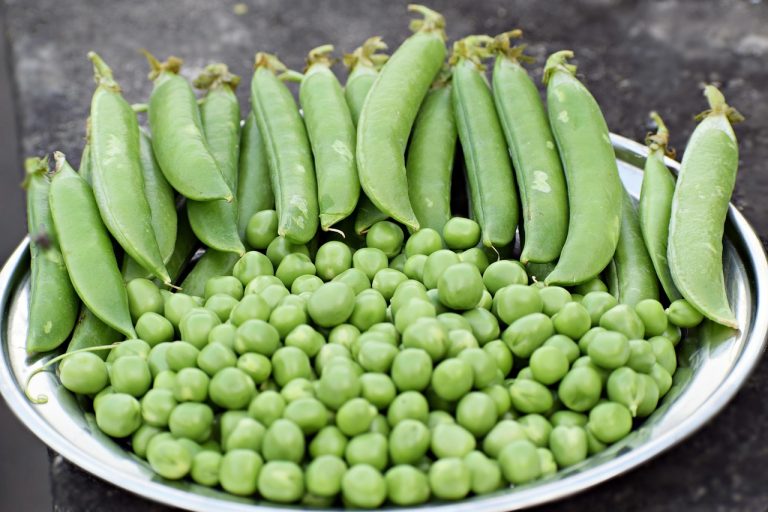
[IMAGE: organic vegetables]
The Best Organic Foods for Gut Health
Not every healthy food affects the gut in the same way. Some foods feed beneficial bacteria. Others calm digestion or provide the fiber that helps your system move smoothly. A few offer a combination of prebiotics, probiotics, antioxidants, and anti-inflammatory compounds. The goal is not to chase one miracle ingredient. The goal is to create a diverse mix of foods that help your body function more comfortably and efficiently.
1. Fermented Organic Foods
Fermented foods are some of the most valuable items you can keep in a gut-supportive kitchen. They can introduce live cultures and support microbial diversity, especially when eaten regularly in small amounts. The most practical options include organic plain yogurt, kefir, sauerkraut, kimchi, miso, and tempeh. These foods are flavorful, satisfying, and versatile enough to appear in breakfast, lunch, or dinner.
If you are new to fermented foods, start slowly. A few spoonfuls of sauerkraut or a small cup of kefir can be enough at first. Why start small? Because even beneficial changes can feel intense if your digestive system is not used to them. Gradual increases give your gut time to adapt and help you notice what feels best.
Easy ways to use fermented foods
- Stir plain organic yogurt into oats or top it with berries and chia seeds
- Blend kefir with banana, spinach, and flax for a quick breakfast smoothie
- Add sauerkraut beside eggs, avocado toast, or grain bowls
- Use miso in warm broth with vegetables and tofu
- Pan-sear tempeh as a plant-based protein for lunch or dinner
Fermented foods are especially helpful when you want a clean eating approach that still feels interesting. They bring brightness and complexity to meals, which can make healthy habits feel less repetitive.
2. Prebiotic Fiber-Rich Organic Foods
If probiotics are the helpful guests, prebiotics are the food that keeps the party going. Prebiotic fiber feeds beneficial bacteria, helping them thrive. Many of the best prebiotic foods are inexpensive, easy to find, and simple to use in daily cooking. Organic oats, apples, bananas, onions, garlic, asparagus, Jerusalem artichokes, lentils, chickpeas, and flaxseed are all excellent examples.
Fiber does more than feed the microbiome. It also helps you feel full, supports regularity, and slows the digestion of carbohydrates so blood sugar rises more gradually. That matters for weight loss because stable blood sugar often means fewer cravings and fewer energy crashes. If you have ever eaten a breakfast that left you hungry by midmorning, the missing ingredient may have been fiber.
Best prebiotic staples to keep on hand
- Organic rolled oats for breakfast bowls and overnight oats
- Organic apples for snacks, salads, or warm cinnamon bowls
- Garlic and onions for soups, stir-fries, and roasted vegetables
- Lentils and chickpeas for soups, stews, and grain bowls
- Flaxseed and chia for pudding, smoothies, and yogurt toppings
A simple way to remember this section is: if a plant food is colorful, fibrous, and minimally processed, it probably belongs in a gut-friendly clean eating plan.
3. Polyphenol-Rich Organic Fruits and Vegetables
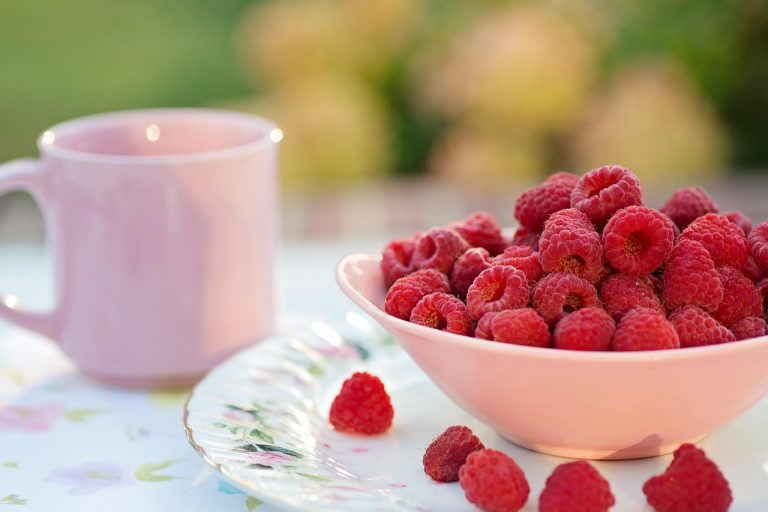
Polyphenols are plant compounds found in berries, herbs, tea, cacao, grapes, and many deeply colored vegetables. They are often discussed in the context of inflammation and long-term wellness, but they also play an important role in digestive balance. Organic blueberries, raspberries, blackberries, leafy greens, beets, red cabbage, and broccoli all provide a mix of fiber and protective compounds that support a healthy lifestyle.
These foods are not only functional; they are satisfying. A bowl of berries with yogurt feels fresh and light. Roasted beets with olive oil and herbs feel earthy and substantial. A salad of greens, cucumber, avocado, and pumpkin seeds can leave you energized instead of weighed down. When your food looks vibrant, you are more likely to enjoy it and continue the habit.
Best produce choices for a brighter plate
- Organic berries for breakfast, snacks, or dessert-style bowls
- Leafy greens like spinach, arugula, and kale for salads and sautés
- Broccoli, cauliflower, and Brussels sprouts for roasting or steaming
- Beets and carrots for sweet, earthy side dishes
- Cucumber and celery for crisp hydration and light snacking
4. Healthy Fats and Clean Protein Sources
Gut health is not only about fiber and fermentation. Your body also needs protein and healthy fats to feel balanced. Protein helps preserve muscle during weight loss and supports satiety, while fats help meals feel satisfying and enjoyable. Organic eggs, plain yogurt, kefir, tempeh, tofu, beans, lentils, walnuts, chia seeds, flaxseeds, avocado, and extra-virgin olive oil all fit well into a gut-conscious routine.
One common mistake in clean eating is building meals that are too light. A salad of leaves alone is not enough for most people. Add protein and fat, and the same meal becomes far more useful for energy and appetite control. Think in terms of balance, not deprivation.
Examples of satisfying combinations include avocado with eggs, yogurt with chia and berries, lentil soup with olive oil and herbs, or roasted vegetables with tempeh and tahini. These meals are simple, but they deliver the kind of nutrition that supports both digestion and weight loss over time.
5. Hydrating Foods and Gentle Soothers
Hydration is often overlooked in discussions about the gut, yet it is essential. Water helps soften stool, supports digestive movement, and can reduce the temptation to confuse thirst with hunger. Organic cucumbers, zucchini, melon, citrus, soups, and herbal teas all contribute to hydration. Ginger tea can be especially helpful for people who want a gentle, warming option after meals.
Herbs and spices such as ginger, turmeric, fennel, cumin, and peppermint can also bring digestive comfort. They are not cures, but they can make a meal feel calmer and more complete. If you enjoy flavor, this is great news because a healthy diet should never taste like punishment.
What a Gut-Friendly Organic Plate Looks Like
One of the easiest ways to put these ideas into action is to build each meal around a simple structure. Instead of asking yourself whether a food is strictly allowed, ask whether the meal is balanced, satisfying, and aligned with your goals. Is there enough fiber to support your gut? Is there enough protein to keep you full? Is there a healthy fat source to improve satisfaction? Is there at least one colorful vegetable or fruit?
A practical plate formula can look like this:
- Half the plate: organic non-starchy vegetables
- One quarter: clean protein such as eggs, yogurt, beans, lentils, tofu, or tempeh
- One quarter: smart carbohydrates such as oats, quinoa, sweet potato, or brown rice
- One small portion: healthy fat such as avocado, olive oil, walnuts, or seeds
- One optional addition: a spoonful of fermented food for extra support
This approach keeps meals filling without becoming overly complicated. It also helps prevent the common cycle of restriction followed by overeating later. When food is balanced, your body is more likely to cooperate with your goals.
For example, breakfast could be organic oats with kefir, berries, chia, and cinnamon. Lunch could be a quinoa bowl with roasted vegetables, chickpeas, greens, and sauerkraut. Dinner might be a plate of baked salmon or tempeh, broccoli, and sweet potato with olive oil. Each meal is different, but the same principles apply: fiber, protein, healthy fat, and plenty of color.
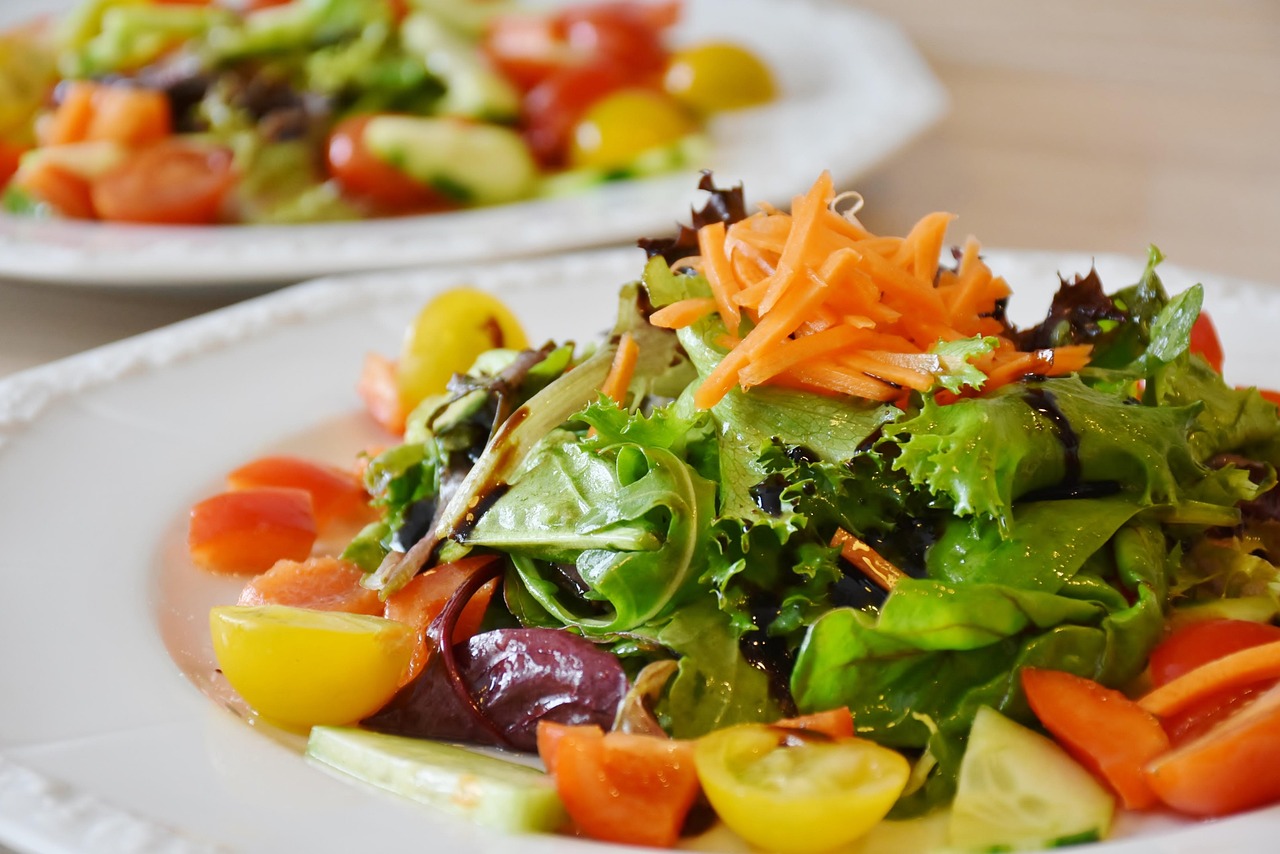
[IMAGE: healthy meal]
How Organic Foods Support Weight Loss Without Extreme Dieting
Organic food does not automatically cause weight loss, and that is an important truth to keep in mind. What it does is make it easier to build habits that support weight management. Why? Because when your meals are made from whole ingredients, you usually get more volume, more fiber, more nutrients, and fewer hidden calories from added sugars and refined oils. That combination can make a noticeable difference in appetite control.
Fiber slows digestion and helps you feel full. Protein helps preserve muscle and improves satiety. Healthy fats make meals satisfying enough that you do not feel deprived an hour later. When all three are present, your body is less likely to send strong hunger signals that drive overeating. In that sense, clean eating is not about being stricter. It is about being better nourished.
There is also a behavioral effect. If a household keeps organic fruit, chopped vegetables, yogurt, hard-boiled eggs, soups, nuts, and batch-cooked grains on hand, the easy choice becomes a better choice. That matters because weight loss is not only a physiological process; it is also an environmental one. What is in the fridge when you are tired at 7 p.m. can determine the direction of your day.
Ask yourself this: when your meals are built around nutrient-dense organic food, do you naturally feel more in control of your appetite? For many people, the answer is yes. And that sense of control often matters more than any short-term diet rule.
Common Clean Eating Mistakes That Can Slow Progress
Even the best intentions can backfire when healthy eating becomes too rigid or too limited. Clean eating should create ease, not anxiety. If you want organic food to support gut health and weight loss, it helps to avoid a few common mistakes.
- Replacing processed food with oversized portions. A giant organic granola bowl can still be calorie-dense if it is loaded with sweeteners and nuts.
- Introducing too much fiber too quickly. A sudden jump in beans, raw greens, and seeds can leave some people bloated. Build up gradually.
- Forgetting protein. Meals made of only fruit or vegetables often leave you hungry soon after eating.
- Relying on packaged organic snacks. Organic chips, bars, and cookies may be better labeled, but they still need to be eaten mindfully.
- Ignoring hydration. Fiber works best when there is enough fluid moving through the system.
- Expecting a detox diet to do all the work. Your body already detoxifies itself. Your job is to support that process, not punish yourself.
- Eating healthy but living stressed. Sleep deprivation and chronic stress can override many nutrition wins.
The best clean eating plan is one you can repeat. It should feel nourishing, not dramatic. If your approach is too complicated, too expensive, or too restrictive, it is unlikely to last long enough to deliver results.
Shopping and Meal Prep Tips for a Realistic Organic Routine
Consistency is much easier when your kitchen is organized around a few reliable ingredients. You do not need fifty different superfoods. You need a compact list of foods you know how to use. Shopping with a plan can save money, reduce waste, and make healthy meals easier to assemble on busy days.
Build a Simple Organic Core List
Start with foods that can be used in more than one way. A versatile list might include:
- Organic leafy greens
- Organic berries
- Apples and bananas
- Carrots, cucumbers, and broccoli
- Rolled oats and quinoa
- Lentils, chickpeas, or beans
- Plain yogurt or kefir
- Chia seeds and flaxseed
- Avocados and extra-virgin olive oil
- Ginger, garlic, turmeric, and cinnamon
With these ingredients, you can create breakfasts, lunches, dinners, snacks, and even a gentle detox diet style of eating that feels calming rather than extreme.
Use a 20-Minute Prep Session
If your week is busy, do not aim for perfection. Aim for preparation. A short prep session can completely change your consistency. Wash and chop vegetables, cook one grain, roast one tray of vegetables, boil a few eggs if you eat them, and portion out snack items. You can also make a simple dressing with olive oil, lemon, and herbs so that salads are never boring.
The more prepared your kitchen is, the easier clean eating becomes. And when clean eating becomes easy, healthy lifestyle habits are far more likely to stick.
Make Budget-Friendly Organic Swaps
Many people assume organic food must be expensive, but there are practical ways to keep it manageable. Frozen organic vegetables are often more affordable than fresh options and can be just as useful in soups and stir-fries. Store-brand organic oats, beans, and carrots are usually budget-friendly. Buying seasonal produce can also reduce cost significantly. You do not need to buy everything organic all the time to make meaningful progress.
What matters most is consistency. One cart of well-chosen ingredients used repeatedly is more valuable than a pantry full of expensive items you never cook.
Gentle Detox Diet Habits That Actually Support Your Body
Detox diets are often marketed as dramatic cleanses, but your liver, kidneys, digestive tract, and skin already handle detoxification every day. The real goal of a detox diet should be support, not punishment. Organic food can play a role here because it reduces the load of heavily processed ingredients and encourages cleaner meals, but the bigger picture includes hydration, fiber, sleep, and movement.
So what actually helps? Eat more plants. Drink more water. Reduce alcohol and added sugar. Get enough sleep. Walk after meals when possible. Choose meals that digest comfortably instead of leaving you heavy and sluggish. These are the habits that help your body do the work it is already designed to do.
[IMAGE: fitness lifestyle]
A detox diet does not need to mean juice fasting or skipping meals. In fact, those approaches can leave you depleted and hungry. A more supportive version might look like this: breakfast with oats and berries, lunch with a vegetable-rich bowl, dinner with lean protein and cooked vegetables, and herbal tea in the evening. Simple, steady, and sustainable usually wins.
Movement also matters. A daily walk, a light strength workout, yoga, or even a few minutes of stretching can aid digestion and improve how your body uses the food you eat. When combined with organic meals and clean eating habits, this creates a strong foundation for well-being.
Three Easy Organic Meal Ideas for Busy Days
You do not need gourmet cooking skills to eat well. You need a few dependable meals that are quick to assemble and satisfying enough to repeat. Here are three ideas that fit an organic food, healthy diet, and weight loss friendly approach.
Breakfast: Berry Kefir Bowl
Layer plain organic kefir with organic berries, chia seeds, flaxseed, and a sprinkle of cinnamon. Add a spoonful of oats if you need more staying power. This breakfast is quick, cooling, and rich in protein, fiber, and beneficial cultures. It works especially well on mornings when you want something light but still filling.
Lunch: Roasted Vegetable Chickpea Bowl
Combine organic greens, roasted broccoli, carrots, and sweet potato with chickpeas, quinoa, olive oil, lemon, and a spoonful of sauerkraut. This bowl delivers color, crunch, comfort, and a steady release of energy. It is the kind of meal that supports both concentration and appetite control through the afternoon.
Dinner: Ginger Garlic Tempeh Plate
Cook tempeh with garlic, ginger, and a splash of tamari, then serve it with sautéed greens and roasted cauliflower or zucchini. Add a small portion of brown rice if you want extra carbohydrates. This meal feels hearty without being heavy, which makes it ideal for a healthy lifestyle that does not leave you overly full at night.
If you prefer to keep things even simpler, think in templates rather than recipes: grain plus vegetable plus protein plus dressing. Once that pattern becomes second nature, healthy cooking stops feeling like a chore and starts feeling like a normal part of life.
How to Stay Consistent When Motivation Drops
Most people do not struggle because they lack information. They struggle because life gets busy, energy dips, and convenience wins. The solution is not to become more disciplined in an abstract sense. The solution is to make the healthy choice easier to repeat. Keep a few staples ready, have one or two fallback meals, and accept that imperfect progress is still progress.
It also helps to focus on how food makes you feel instead of how perfectly it fits a plan. Do you feel calmer after a bowl of vegetables and grains? Do you sleep better when dinner is lighter and less processed? Does a breakfast rich in protein and fiber keep you from thinking about snacks by 10 a.m.? These questions matter because they connect nutrition to real life rather than theory.
Try this approach for one week: choose three organic breakfasts, three lunches, and three dinners you genuinely enjoy. Repeat them as needed. Buy enough fruit and vegetables to keep the week colorful. Drink water consistently. Walk after one meal per day. Then notice what changes in your digestion, energy, and cravings. Small experiments often reveal more than rigid plans ever do.
And remember, the point of clean eating is not to make your life smaller. It is to make your health more reliable. That is a much more satisfying goal than chasing perfection.
If you want to keep building a healthier kitchen and a more confident routine, continue exploring more articles on DietOrganic for practical ideas, thoughtful nutrition guidance, and clean eating inspiration that fits real life. The more your meals are rooted in organic food, balanced habits, and steady nourishment, the more natural healthy choices begin to feel every single day.
About the Author