
Photo by Anelka on Pixabay
If you have ever wondered why some people seem to enjoy steady energy, comfortable digestion, and effortless healthy habits while others struggle with bloating, cravings, and sluggishness, the answer often starts in the gut. A balanced digestive system does more than process food. It influences mood, immunity, metabolism, and even how easily you maintain a healthy weight. That is why organic food has become such an important part of the modern clean eating conversation. When you build meals around organic ingredients that support gut health, you are not simply eating well for today; you are investing in long-term nutrition, resilience, and a more confident relationship with food.
The beauty of this approach is that it does not require extreme restriction or trendy rules. You do not need to punish yourself with an aggressive detox diet or survive on juice alone to feel better. Instead, you can create a sustainable healthy lifestyle by choosing organic food that works with your body rather than against it. The right foods can help feed beneficial gut bacteria, support regular digestion, and reduce the irritation that often comes from highly processed meals. Have you noticed how much calmer your body feels after a week of cleaner, simpler eating? That is not a coincidence. It is biology responding to better choices.
Why Gut Health Deserves a Place in Every Healthy Diet
Gut health is one of the most overlooked foundations of overall wellness. The digestive tract is where nutrients are absorbed, where waste is eliminated, and where a remarkable amount of immune activity takes place. When your gut is functioning well, your body can do its job with less effort. When it is out of balance, even carefully planned nutrition may not deliver the results you expect. That is why people who focus on organic food and clean eating often notice changes that go beyond digestion. Their skin may look brighter, their energy may become steadier, and their appetite may feel more regulated.
The gut is more than a digestion organ
Your gut contains trillions of microorganisms that influence how you process food. This community, often called the gut microbiome, plays a role in digestion, immunity, mood regulation, and metabolic function. A diverse microbiome thrives on fiber-rich vegetables, fruits, seeds, fermented foods, and minimally processed ingredients. By contrast, a diet high in refined sugar, artificial additives, and ultra-processed items can reduce microbial diversity and create more digestive stress. If your meals currently leave you feeling heavy or restless, what would happen if you replaced even one daily processed snack with a bowl of organic fruit, yogurt, or vegetables?
Signs your digestion may need support
People often live with digestive discomfort for years, assuming it is normal. It is common, but it is not ideal. Subtle signs may include bloating after meals, inconsistent bowel movements, frequent cravings, low energy after eating, brain fog, or a general feeling that your body is not fully thriving. These are not always caused by a serious issue, but they are clues that your nutrition may need attention. A thoughtful organic food routine can be one of the simplest ways to begin a gentle reset without overwhelming your system.
- Bloating or a heavy feeling after meals
- Irregular digestion or constipation
- Cravings for sugar and refined snacks
- Low energy in the afternoon
- Feeling uncomfortably full even after modest meals
Why Organic Food Can Make a Noticeable Difference
Not every digestive issue is solved by switching to organic food, but the choice can make a meaningful difference for many people. Organic produce is grown without synthetic pesticides and is often handled with a more minimal approach to chemical inputs. For anyone committed to clean eating, that matters. It is easier to build a truly healthy diet when the foods on your plate are as close to their natural state as possible. Fewer additives, fewer residues, and fewer hidden irritants can make meals feel cleaner and more satisfying.
Less chemical exposure, more peace of mind
One reason people gravitate toward organic food is the desire to reduce exposure to synthetic pesticides and certain processing aids. While the science around direct health outcomes is complex, many consumers appreciate the simplicity of choosing foods that are grown with fewer synthetic inputs. That sense of clarity can be just as valuable as the food itself. Eating should feel nourishing, not confusing. When you know your ingredients are supporting a healthy lifestyle, each meal becomes easier to enjoy and trust.
Cleaner ingredient lists support cleaner habits
Organic packaged foods often use shorter ingredient lists, especially when paired with a clean eating mindset. That simplicity makes it easier to avoid excess sugar, artificial colors, and flavor enhancers that can trigger cravings or leave you feeling unsatisfied. It also encourages you to cook more often, which is a powerful advantage for digestion and weight loss. Home-prepared meals allow you to control fiber, salt, healthy fats, and portion size with far more precision than most restaurant or convenience foods.
[IMAGE: organic vegetables]
The Best Organic Foods for Gut Health
If your goal is better digestion, you do not need an endless list of ingredients. You need a smart collection of organic staples that work together. The following foods are especially helpful because they support the microbiome, reduce digestive friction, and make a healthy diet feel enjoyable instead of restrictive. The best part? They are simple to combine into breakfast, lunch, dinner, and snack routines that fit real life.
Organic vegetables that feed beneficial bacteria
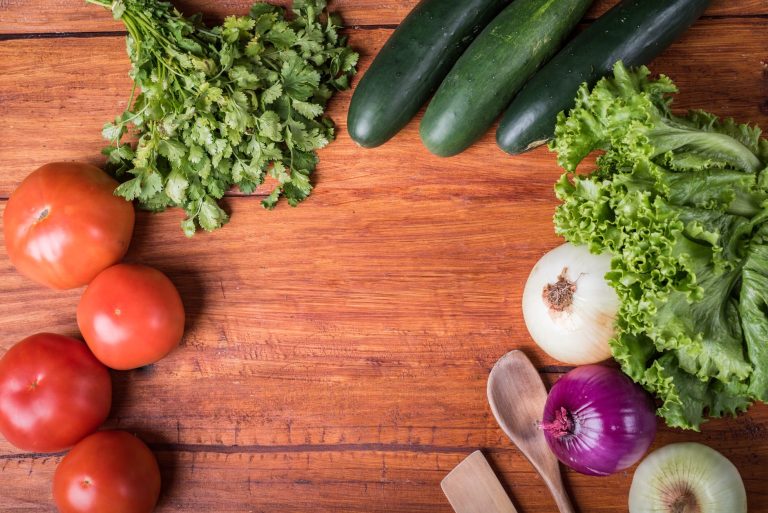
Vegetables are one of the most powerful categories in any gut-friendly nutrition plan. They provide fiber, water, antioxidants, and plant compounds that support both digestion and overall health. Organic vegetables are especially appealing in a clean eating framework because they form the base of so many meals. Leafy greens, cruciferous vegetables, zucchini, carrots, cucumbers, and beets all bring something valuable to the table.
Choose these vegetable groups often
Leafy greens such as spinach, arugula, and kale provide gentle fiber and minerals. Cruciferous vegetables such as broccoli, cauliflower, and Brussels sprouts support detoxification pathways and add volume to meals without excessive calories, which can help with weight loss. Root vegetables such as carrots and beets provide sweetness and satiety, making it easier to stay satisfied on a clean eating plan.
- Spinach, kale, and romaine for easy digestion
- Broccoli and cauliflower for fiber and variety
- Carrots and beets for natural sweetness
- Cucumber and zucchini for hydration and light meals
Fermented organic foods that enrich the microbiome
Fermented foods are a cornerstone of gut health because they can introduce beneficial bacteria while also making nutrients easier to absorb. Organic yogurt, kefir, sauerkraut, kimchi, miso, and tempeh are all excellent options. The key is choosing versions with minimal added sugar and simple, recognizable ingredients. If you are new to fermented foods, start small. A few spoonfuls at a time is often enough to support your system without overwhelming it.
Why do fermented foods matter so much? Because a healthier microbiome can influence digestion, immune response, and the way your body handles certain carbohydrates. For people interested in weight loss, this matters because a stable digestive system often makes it easier to manage hunger and stick to balanced portions. A gut-friendly meal is usually a more satisfying meal, and satisfaction is one of the most underrated tools in nutrition.
Fiber-rich fruits and seeds for regularity
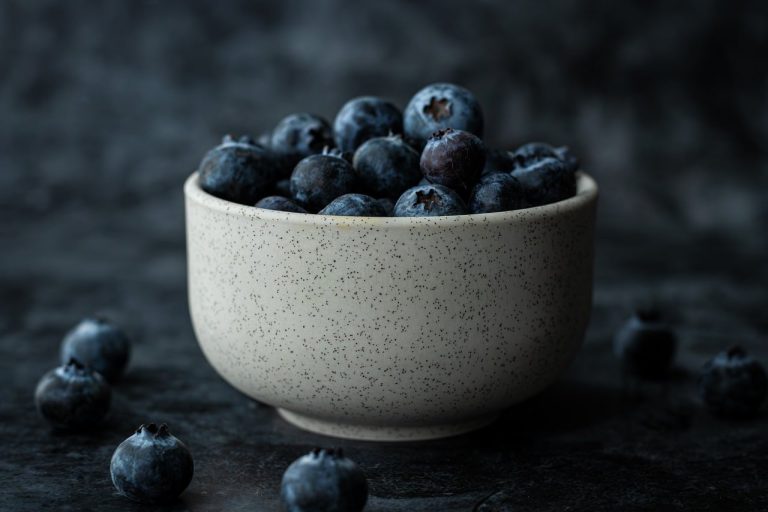
Organic berries, apples, pears, kiwis, flaxseeds, and chia seeds are excellent additions to a healthy diet. They combine soluble and insoluble fiber, which can help support regular bowel movements and a feeling of fullness. Berries are especially useful because they are flavorful without needing much added sugar. Apples and pears provide gentle fiber that many people tolerate well, while chia and flax can be blended into smoothies, puddings, or oatmeal for a simple nutrition boost.
Some people think of fruit as something to limit when focusing on weight loss, but that is rarely the whole story. Whole fruits bring water, fiber, and micronutrients that processed sweets cannot match. When eaten in the context of a balanced organic food plan, fruit can reduce cravings rather than trigger them.
Organic legumes and whole grains for steady energy
Lentils, chickpeas, black beans, quinoa, brown rice, oats, and barley offer slow-digesting carbohydrates that support stable energy and healthy digestion. Because they contain fiber and plant protein, they help you feel full longer. This can make them especially helpful for weight loss when portions are balanced and paired with vegetables and healthy fats. If legumes have made you feel bloated in the past, introduce them gradually and soak or rinse them well. Many people find their tolerance improves when their overall diet becomes cleaner and more consistent.
Healthy fats that keep meals satisfying
Not all fats are created equal. Avocados, olive oil, walnuts, almonds, pumpkin seeds, and ground flax contribute to satiety and can support the absorption of fat-soluble vitamins. A meal that includes healthy fats often feels more complete and less likely to trigger snacking later. That is one reason clean eating works best when it is balanced, not overly strict. Your body needs fuel, and the right fat sources help make organic meals both nourishing and enjoyable.
How to Build a Gut-Friendly Clean Eating Plate
One of the easiest ways to make organic food a daily habit is to stop thinking in terms of diets and start thinking in terms of plate structure. If each meal includes fiber, protein, healthy fats, and hydration-rich produce, your gut usually has what it needs to function well. That simplicity can remove a huge amount of stress from nutrition planning. Instead of asking, What should I eliminate? ask, What can I add that will support my body?
The ideal plate formula
A balanced gut-friendly plate typically includes a generous portion of vegetables, a quality protein source, a slow-digesting carbohydrate, and a source of healthy fat. This formula helps stabilize blood sugar and reduce the roller coaster of hunger that often leads to overeating. It also keeps meals satisfying enough that you are less tempted by processed snacks later in the day.
- Half the plate: organic vegetables or salad greens
- One quarter: lean organic protein or plant protein
- One quarter: whole grains, starchy vegetables, or legumes
- Small amount: olive oil, avocado, seeds, or nuts
What a smart day of eating might look like
At breakfast, you might choose oatmeal with chia seeds, blueberries, and plain organic yogurt. At lunch, a quinoa bowl with roasted vegetables, chickpeas, and tahini dressing can deliver fiber and flavor. At dinner, baked salmon or tofu with steamed broccoli and brown rice offers a satisfying finish. Between meals, a crisp apple, a handful of walnuts, or a small serving of kefir can keep digestion calm and energy stable.
[IMAGE: healthy meal]
A Gentle Detox Diet Approach Without Extreme Rules
The phrase detox diet often gets misused in ways that suggest starvation, liquid cleanses, or unsustainable restriction. But a real detox-friendly approach is far more practical than that. Your liver, kidneys, skin, and digestive system already work hard to process and remove waste. What they need is support, not punishment. That support comes from organic food, hydration, fiber, and less exposure to highly processed ingredients.
What a gentle detox diet really means
Think of detoxing as reducing the burden on your body, not forcing it into a dramatic reset. A smart detox diet focuses on foods that are easy to digest, rich in antioxidants, and free from unnecessary additives. It is a short-term way to return to balance after periods of overindulgence, travel, stress, or inconsistent habits. The goal is not to lose weight overnight. The goal is to feel clearer, lighter, and more in control.
Supportive habits for a cleaner reset
Drink enough water throughout the day. Include at least one large vegetable serving in every meal. Avoid excess alcohol and sugary drinks. Choose organic food when possible, especially for items you eat frequently. Add herbs such as ginger, parsley, and mint for flavor and digestive support. These small choices may seem simple, but they often produce the biggest long-term results.
- Start the day with warm water and lemon if it suits you
- Include cruciferous vegetables several times a week
- Use fermented foods in small, consistent amounts
- Keep your meals colorful and varied
- Sleep well, because digestion and recovery are linked
Organic Foods That May Help with Weight Loss
Weight loss becomes more manageable when your meals are built around foods that satisfy you instead of inflame cravings. Organic food can support this process because it naturally leans toward whole ingredients, better portion awareness, and fewer ultra-processed choices. The best weight loss plan is not one that leaves you constantly hungry. It is one that helps you feel nourished enough to stay consistent.
Why satiety matters more than calorie obsession
Many people focus only on calories and ignore how full or empty they feel after eating. That can backfire quickly. A 300-calorie snack that disappears in five minutes does not support weight loss the same way a 300-calorie meal with fiber, protein, and healthy fats might. Organic foods like vegetables, legumes, berries, eggs, yogurt, and seeds can keep hunger in check naturally. When your appetite stabilizes, the rest becomes much easier.
Smart swaps that reduce excess without feeling deprived
Try replacing sugary breakfast cereal with oats and fruit. Swap fried snacks for roasted chickpeas or sliced vegetables with hummus. Choose sparkling water with herbs or citrus instead of sugary beverages. Use olive oil and lemon rather than creamy bottled dressings. These changes sound small, but over a week they can dramatically improve nutrition and support a healthier relationship with food.
Ask yourself this: are you truly hungry, or are you reacting to boredom, stress, or a blood sugar crash? The more your meals stabilize digestion, the easier it becomes to tell the difference. That awareness is a quiet superpower in any healthy lifestyle plan.
Best Organic Meal Ideas for Busy People
Healthy eating often fails when it becomes too complicated. If you are busy, your goal should be simplicity, not perfection. The most effective clean eating routine is one you can repeat on your busiest days. That means building meals around ingredients you can prep quickly, store well, and combine in different ways. Convenience does not have to mean compromise.
Breakfast ideas that support digestion
Breakfast should feel gentle, energizing, and easy to digest. Overnight oats with chia, yogurt with berries, avocado on sprouted toast, or a smoothie with spinach and flax can all work beautifully. If you prefer savory food in the morning, try eggs with sautéed greens and tomatoes. The point is to start the day with nourishment that keeps your digestive system calm rather than overloaded.
- Organic oats with chia and blueberries
- Plain yogurt with ground flax and walnuts
- Eggs with spinach and tomatoes
- Smoothie with kefir, berries, and greens
Lunch and dinner ideas that are easy to repeat
Meal prep becomes much simpler when you rely on templates. A grain bowl, a hearty salad, a vegetable soup, or a sheet-pan dinner can be customized all week long. For example, roasted carrots, broccoli, and sweet potatoes can be used in wraps, bowls, and side dishes. Cooked quinoa or brown rice can anchor several meals. A small batch of tahini dressing or olive-oil vinaigrette can instantly improve flavor without adding processed ingredients.
A practical meal-prep rhythm
On one day each week, wash greens, roast vegetables, cook one grain, prepare one protein, and portion a few snacks. That small commitment can eliminate decision fatigue and make healthy choices feel automatic. When your fridge is stocked with ready-to-eat organic food, you are far less likely to reach for convenience items that do not serve your goals.
What to Avoid if You Want Better Digestion
It is not only about what you add to your plate. It is also about what you reduce. Digestive discomfort often improves when you cut back on foods that are overly refined, heavily sweetened, or packed with artificial ingredients. A clean eating plan does not demand perfection, but it does ask for awareness. Which foods leave you energized, and which ones leave you regretting your choices an hour later?
Common triggers that can disrupt the gut
Some people are especially sensitive to excess sugar, fried foods, alcohol, large late-night meals, or highly processed snack foods. Others may need to limit certain dairy products or refined grains while their digestion rebalances. The key is to observe patterns, not chase food fear. Keep a simple journal for a week or two and note how different meals make you feel. This kind of self-awareness is one of the most practical tools in nutrition.
- Highly processed packaged snacks
- Excess added sugar
- Large portions eaten too quickly
- Alcohol in excess
- Meals with little fiber or protein
Why eating too fast matters
Digestion begins before the food even reaches your stomach. When you eat quickly, your body has less time to register fullness, and you may swallow more air, which can increase discomfort. Try slowing down, chewing thoroughly, and putting your fork down between bites. This tiny habit often has a surprising effect on bloating and satisfaction. Clean eating is not just about ingredients; it is also about the way you eat.
How Organic Food Supports a Healthy Lifestyle Beyond Digestion
Gut health is the starting point, not the whole story. When people consistently choose organic food, they often notice broader lifestyle improvements. Cooking more often, shopping more intentionally, and eating more mindfully can build momentum in other areas of life. The energy that comes from better nutrition often spills into better workouts, improved sleep routines, and more stable mood patterns. That ripple effect is one reason clean eating becomes so powerful over time.
Energy for movement and fitness
A gut-friendly way of eating supports exercise by giving your body steady fuel rather than dramatic spikes and crashes. Whether you walk daily, lift weights, do yoga, or follow a structured fitness lifestyle, digestion affects performance. Meals that digest comfortably can improve motivation and recovery. [IMAGE: fitness lifestyle] represents more than a workout aesthetic; it reflects the real-life energy that comes from feeding your body well.
Better sleep, better appetite, better choices
There is a strong link between sleep, appetite, and digestion. When you are sleep-deprived, you are more likely to crave sugar, eat quickly, and feel less satisfied. A cleaner dinner built around organic vegetables, protein, and healthy fats can help prevent late-night cravings and support restful sleep. That, in turn, makes it easier to stay on track the next day. Small habits really do build on one another.
Common Mistakes People Make with Clean Eating
Even well-intentioned people can get clean eating wrong. Sometimes they cut too much food too quickly, rely on expensive products they do not actually enjoy, or make the process so rigid that it becomes stressful. The goal is not to create a perfect system. The goal is to create one that fits your life and supports lasting nutrition.
Trying to be too extreme too soon
If you jump from an average diet to a highly restrictive detox diet overnight, your body and mind may rebel. A better strategy is to improve one meal at a time. Add an extra vegetable serving. Replace one snack with fruit and nuts. Cook one more meal at home this week. Consistency beats intensity every time.
Ignoring protein and healthy fats
Some people assume clean eating means only plants and salads. That approach can leave you hungry and frustrated. Protein and healthy fats are essential for satiety, hormone function, and stable energy. Organic food should be part of a full, balanced plate, not a stripped-down version of one. If your meals are too light, your cravings will eventually catch up with you.
Believing every trend is necessary
You do not need every supplement, cleanse, or expensive powder to improve gut health. Most people would benefit more from a consistent routine of organic vegetables, whole grains, fermented foods, enough water, and proper sleep. The basics are often more effective than the latest trend. Simplicity is not boring; it is sustainable.
Practical Steps to Start This Week
The best nutrition plan is the one you can begin immediately. Instead of waiting for the perfect Monday or the ideal shopping list, start with small, achievable actions. What would happen if your next grocery trip included more organic food than packaged food? What if your next lunch was built around vegetables first instead of convenience first?
- Choose three organic vegetables you will actually eat this week
- Add one fermented food to your routine in a small portion
- Replace one processed snack with fruit, nuts, or yogurt
- Prepare one simple grain bowl or salad in advance
- Drink more water and notice how your digestion responds
The aim is not to transform your whole life in a day. It is to create a pattern that supports your body, reduces friction, and makes healthy choices feel natural. Once those habits begin to stack up, weight loss may happen more easily, energy may rise, and your meals may start to feel like a source of comfort rather than conflict.
Organic food is not a magic cure, but it is a smart and elegant foundation for a healthier digestive system. When you combine clean eating with enough fiber, hydration, balanced meals, and patience, your body often responds in ways that feel both subtle and significant. Better digestion can change how you move, think, sleep, and eat. And once you experience that difference, you may find yourself looking at every meal with a little more intention and a lot more confidence. If you enjoyed this guide, take a moment to explore more articles on DietOrganic and keep building the kind of healthy lifestyle that feels as good as it looks.
About the Author