
Photo by TheDesignLady87 on Pixabay
If you have ever finished a meal feeling sluggish, bloated, or uncomfortably full, you already know that digestion can shape the way your whole day feels. Energy, focus, mood, skin clarity, and even appetite are all influenced by what happens in the gut. That is why so many people are turning to organic food and clean eating as a practical way to support a healthier digestive system. When your meals are built from fresh, minimally processed ingredients, your body has a better chance to absorb nutrients efficiently and keep everything moving smoothly.
The appeal of an organic diet goes far beyond avoiding synthetic pesticides. It is also about choosing foods that are naturally rich in fiber, enzymes, antioxidants, and plant compounds that support the microbiome. In other words, the right organic foods can do more than nourish you—they can help calm inflammation, encourage healthy digestion, and support sustainable weight loss without extreme restriction. Have you ever noticed how a simple bowl of vegetables, fruit, seeds, and fermented foods can leave you feeling lighter than a processed meal ever could?
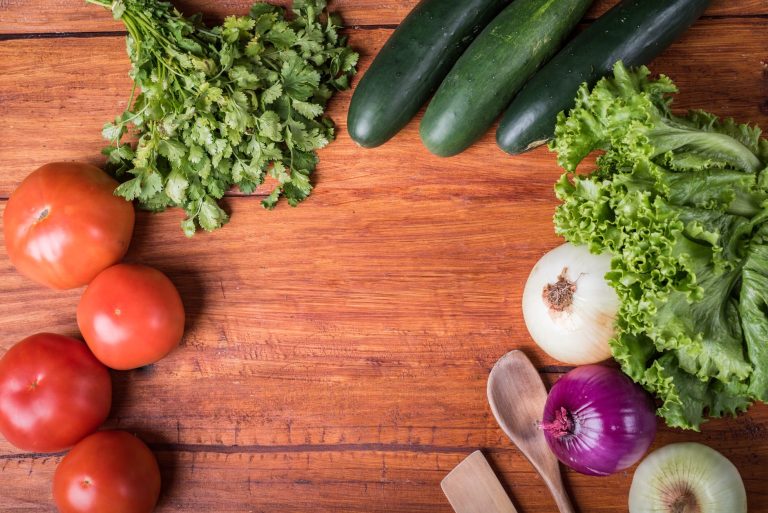
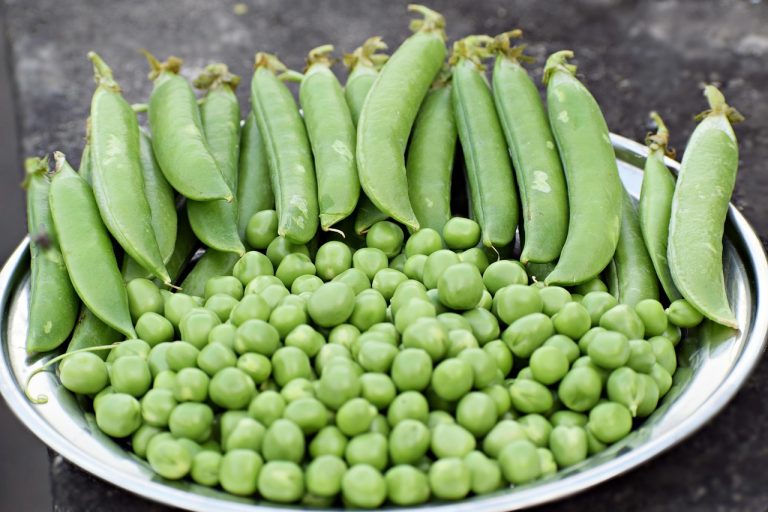
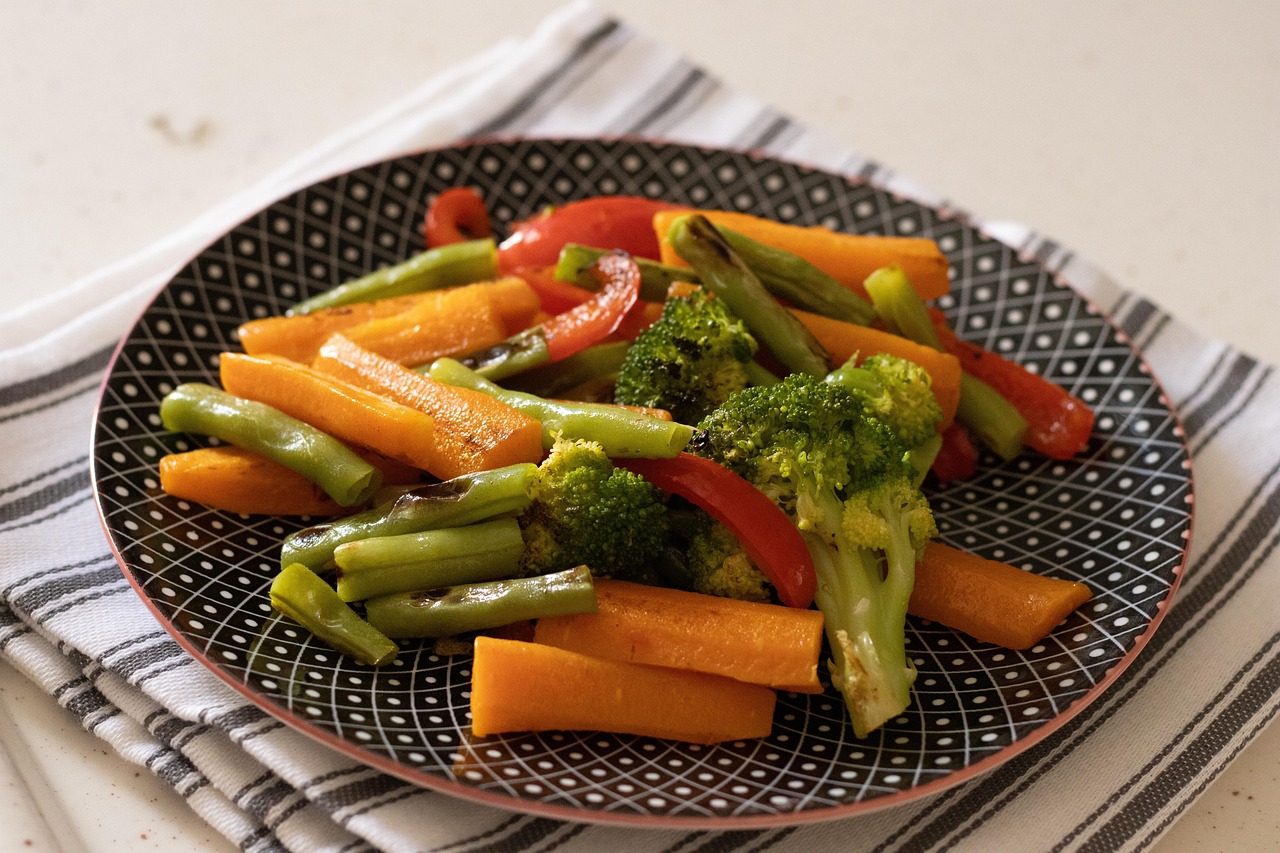
This guide takes a closer look at the best organic foods for gut health, how to build meals that are easy on digestion, and how to make clean eating feel realistic in everyday life. Whether your goal is to reduce bloating, improve regularity, support a detox diet, or create a healthier lifestyle overall, you will find practical strategies here that fit into a busy routine. [IMAGE: organic vegetables]
Why Gut Health Matters More Than You Think
The digestive system does far more than break down food. It is one of the body’s central control systems, influencing immunity, hormone balance, nutrient absorption, and metabolism. A healthy gut can help you feel energized and satisfied after meals, while an irritated gut can leave you dealing with bloating, cravings, fatigue, and inconsistent digestion. That is one reason organic food is often associated with better overall wellness: it usually comes with fewer artificial additives and a more natural nutrient profile.
When digestion is working well, the body can better use the vitamins, minerals, and phytonutrients in food. This can matter for healthy weight loss because poor digestion often leads to poor satiety and unstable appetite. If your meals are not satisfying, you may feel hungry again too soon. If your gut is inflamed, you may also experience discomfort that makes it harder to stay consistent with a nutrition plan. A clean eating approach helps simplify the equation by removing many of the common triggers associated with processed diets.
Think about your daily routine. Do you often eat on the run, skip meals, or rely on convenience foods that are low in fiber and high in sugar? Those habits can throw digestion off balance. The good news is that even small shifts toward organic produce, whole grains, and gut-friendly proteins can create noticeable improvements over time.
The Gut-Brain Connection and Daily Wellbeing
The gut and brain communicate constantly. That is why stress can lead to stomach upset, and why digestion can affect your mood. A diet centered on organic food may help reduce the load of ultra-processed ingredients while supporting steadier blood sugar and more predictable energy. When your meals are balanced, your body is less likely to swing between highs and lows that can affect focus and cravings.
If you have ever asked yourself why one breakfast keeps you full until lunch while another leaves you hunting for snacks an hour later, the answer often comes down to quality and balance. Organic foods that combine fiber, protein, and healthy fats can help stabilize digestion and support a more comfortable eating pattern throughout the day.
What Makes Organic Food Helpful for Digestion?
Organic food is not a magic cure, but it does offer a few advantages that can support a healthier digestive system. Organic farming standards restrict many synthetic pesticides, herbicides, and fertilizers, which some people prefer when building a clean eating plan. More importantly, many organic foods are whole foods by nature: fresh vegetables, fruit, legumes, nuts, seeds, herbs, and minimally processed grains. These are the ingredients that tend to work best in a nutrition plan focused on digestion.
For many people, the digestive benefits come from what organic food replaces. Choosing organic produce, natural proteins, and whole ingredients often means eating fewer additives, less refined sugar, and less industrially processed fat. That shift can be especially helpful if you are trying to reduce bloating, support a detox diet, or maintain weight loss without feeling deprived.
Organic vs Processed: Why Simplicity Matters
Digestive discomfort is often linked less to whether a food is technically
About the Author