
Photo by jhenning on Pixabay
Meal prep is often described as a time-saving habit, but when it is done with organic food, it becomes something more powerful: a practical system for supporting a healthy lifestyle, better nutrition, and steady weight loss without the daily scramble of deciding what to eat. Have you ever noticed how easy it is to stay committed to clean eating when your fridge already contains prepared meals that look fresh, taste vibrant, and fit your goals? That is the real advantage of organic meal prep. It removes friction. It turns intention into routine. And it helps you build meals from ingredients you trust.
For many people, the challenge is not knowing what healthy food looks like. It is making that choice repeatable on a busy schedule. Organic meal prep solves this by organizing your week around nutrient-dense staples, balanced portions, and simple cooking methods that preserve flavor. Instead of relying on last-minute takeout or processed snacks, you create a personal system that supports energy, digestion, and consistency. If your goals include weight loss, more stable appetite, or a cleaner relationship with food, this approach can make a meaningful difference.
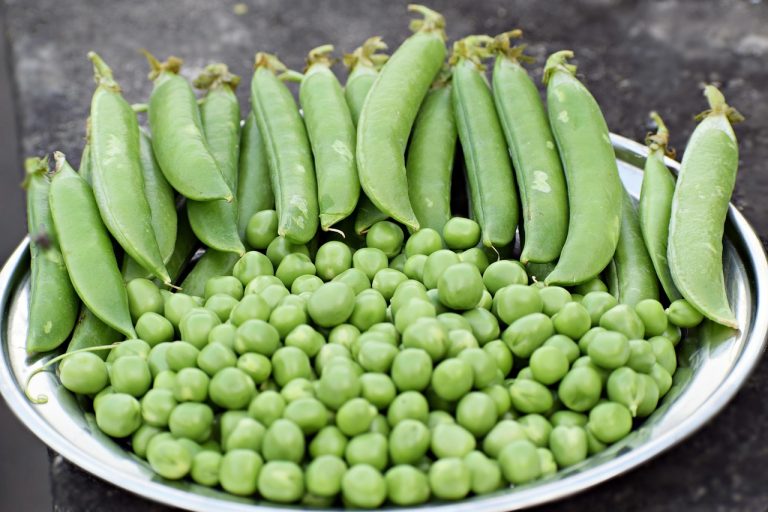
[IMAGE: organic vegetables]
The best part is that meal prep does not have to feel rigid or boring. It can be colorful, flexible, and surprisingly elegant when you use seasonal produce, quality proteins, and smart storage habits. Think of it as designing your week with intention rather than restriction. The result is not just a stocked refrigerator, but a healthier rhythm that makes organic food feel accessible every single day.
Why Organic Meal Prep Fits a Healthy Lifestyle
Organic meal prep works so well because it aligns with the way real life actually unfolds. Most people do not fail at healthy eating because they lack willpower; they struggle because convenience usually wins. When your kitchen is prepared in advance, convenience starts working for you instead of against you. You are less likely to reach for random snacks, skip meals, or settle for something that leaves you tired an hour later. Isn’t that what most people want from a healthy diet: less stress, more energy, and a food routine that feels natural?
Another reason organic meal prep is so effective is that it encourages better awareness. When you plan around organic vegetables, whole grains, legumes, lean proteins, and healthy fats, you naturally create meals with more fiber, more micronutrients, and fewer empty calories. That does not mean every bite must be perfect. It simply means your baseline improves. Over time, those small improvements can support weight loss, better digestion, and a more stable appetite throughout the day.
It reduces decision fatigue
Decision fatigue is one of the hidden barriers to clean eating. After a long workday, few people feel inspired to research recipes, chop vegetables, and cook from scratch. Meal prep removes that burden by making the next healthy choice obvious. When lunch is already portioned and dinner is halfway prepared, you are more likely to follow through. That simplicity is powerful.
- You spend less time wondering what to eat.
- You avoid impulsive food choices driven by hunger.
- You stay more consistent with your nutrition goals.
- You reduce food waste because ingredients have a purpose.
It supports balanced portions for weight loss
Portion control becomes much easier when meals are prepared ahead of time. Rather than guessing at serving sizes, you can build balanced containers that include enough protein, plenty of vegetables, and satisfying carbohydrates in the right amount. This matters for weight loss because consistency often works better than extreme restriction. When meals are balanced, you are less likely to overeat later.
The goal is not to create tiny, joyless portions. The goal is to make meals satisfying enough that you feel calm and energized after eating. That is the kind of structure that helps a healthy lifestyle last.
The Best Organic Foods to Start With
One of the smartest ways to begin is by choosing ingredients that are versatile, affordable enough to buy regularly, and easy to transform into several meals. Organic meal prep becomes much simpler when you build around foods that can be roasted, steamed, blended, grilled, or eaten raw. If you are trying to create a detox diet style reset or a cleaner weekly routine, these ingredients can give you a fresh start without feeling restrictive.
Think in categories rather than isolated recipes. That mindset helps you shop with purpose. Instead of buying ingredients for one specific dish, you buy components that can be mixed and matched. This is where organic food truly shines: the natural flavor often needs less embellishment, so basic cooking techniques can produce meals that taste genuinely satisfying.
Vegetables that hold up well in the fridge
Some vegetables are ideal for meal prep because they stay crisp, roast beautifully, or reheat without becoming mushy. Organic vegetables may cost slightly more, but their freshness and flavor can make your containers feel much more appealing throughout the week.
- Broccoli and cauliflower for roasting or steaming
- Carrots for raw snacks, soups, and grain bowls
- Zucchini for skillet meals and sheet-pan dinners
- Bell peppers for stir-fries, salads, and wraps
- Spinach and kale for quick sautés and breakfast scrambles
- Cucumbers and cherry tomatoes for cold lunches
The trick is to include both raw and cooked vegetables. Raw produce gives you crunch and freshness, while cooked vegetables bring comfort and volume. Together, they create meals that feel complete and easy to enjoy all week long.
Proteins that support satiety
Protein is essential for a weight loss-friendly meal prep strategy because it helps you feel full and preserves meal satisfaction. Organic protein sources can include eggs, Greek yogurt, tofu, tempeh, chicken, turkey, salmon, sardines, lentils, and beans. You do not need to eat the same protein every day, but it helps to prepare two or three options at once so your meals stay interesting.
- Hard-boiled eggs for breakfasts and snacks
- Roasted chicken breast or thighs for bowls and salads
- Baked tofu or tempeh for plant-based lunches
- Cooked lentils for soups, wraps, and cold salads
- Salmon for omega-3-rich dinners
When you pair protein with fiber-rich vegetables, your meals become much more effective at supporting steady energy. That combination is one of the foundations of clean eating.
Carbs and fats that keep meals satisfying
Healthy carbohydrates and fats are often misunderstood in weight loss conversations, but they are crucial if you want meal prep to feel sustainable. Organic brown rice, quinoa, sweet potatoes, oats, avocados, olive oil, nuts, seeds, and natural nut butters can all play a role. These foods do more than add flavor; they help keep meals balanced, so you are less likely to feel deprived.
A smart meal prep plan does not eliminate carbohydrates. Instead, it chooses them carefully and uses them strategically. A serving of quinoa in a lunch bowl, a few slices of avocado in a wrap, or a spoonful of chia seeds in breakfast prep can improve satisfaction and make your routine feel more generous.
[IMAGE: healthy meal]
A Simple Organic Meal Prep Rhythm for the Week
Meal prep is most effective when it follows a rhythm you can maintain. You do not need to spend your entire Sunday in the kitchen, and you do not need to cook every component from scratch. The goal is to create a practical flow that gives you enough structure to stay on track without taking over your life. What if your prep session took only two focused hours and gave you nearly a week of healthy meals in return?
The following rhythm works especially well for people who want weight loss support, cleaner eating habits, and less food-related stress. It is flexible enough for busy professionals, parents, students, and anyone who wants healthier routines without complicated systems.
Step 1: Wash, chop, and sort
Start by washing all produce, trimming greens, slicing vegetables, and portioning ingredients into containers. This step may seem basic, but it has an outsized impact on how likely you are to use the food later. A chopped cucumber is far more likely to be eaten than one still sitting untouched in the crisper drawer.
- Wash leafy greens and dry them thoroughly
- Chop vegetables into snackable pieces
- Portion fruit into grab-and-go containers
- Separate ingredients for breakfasts, lunches, and dinners
Organization turns healthy eating into a simple visual system. When everything has a place, meal prep starts to feel easy rather than overwhelming.
Step 2: Cook the basics in batches
Batch cooking is where the real efficiency begins. Roast one tray of vegetables, cook one grain, prepare one or two proteins, and make a versatile sauce or dressing. That may sound minimal, but those few pieces can be assembled into several different meals. Organic meal prep becomes much more enjoyable when you stop thinking in terms of single recipes and start thinking in layers.
For example, roasted chicken, quinoa, broccoli, and tahini dressing can become a bowl one day and a salad the next. Add avocado and pumpkin seeds, and the meal feels new again. This is how you keep clean eating interesting without spending more time in the kitchen.
Step 3: Prep sauces and flavor boosters
Flavor is what prevents healthy food from becoming repetitive. Sauces, herbs, citrus, and spice blends can transform the same ingredients into different meals. A healthy lifestyle is easier to maintain when your meals taste good enough to look forward to.
- Lemon-tahini dressing for bowls and salads
- Greek yogurt herb sauce for vegetables and proteins
- Salsa or pico de gallo for wraps and eggs
- Olive oil, garlic, and rosemary for sheet-pan dishes
- Ginger-lime dressing for cold noodle bowls
With a few flavor builders prepared in advance, you can create variety without buying a long list of ingredients. That is a major advantage if you are trying to eat organic food on a realistic budget.
Organic Breakfast Ideas That Make Clean Eating Easier
Breakfast often determines the tone of the day. If the first meal is rushed or sugar-heavy, energy can dip quickly, and cravings can follow. Organic breakfast prep gives you a better start by combining protein, fiber, and healthy fats in formats that are easy to grab. These meals are especially useful for anyone trying to lose weight because they help reduce midmorning hunger and improve concentration.
The best breakfast prep ideas are simple, repeatable, and satisfying enough that you do not feel tempted to raid the pantry later. They also work well as part of a detox diet-style reset when you want meals that feel lighter without being under-fueled.
Overnight oats with chia and fruit
Organic oats, chia seeds, almond milk, cinnamon, and berries create a breakfast that is both nourishing and practical. Prepare several jars at once and let them sit overnight. In the morning, they are ready to eat without any cooking at all.
- Add walnuts for extra crunch
- Use unsweetened yogurt for more protein
- Top with sliced banana or kiwi for natural sweetness
This kind of breakfast is especially helpful if you want a healthier replacement for packaged cereals or pastries. It feels comforting, but it still supports your nutrition goals.
Egg muffins with vegetables
Egg muffins are one of the easiest organic meal prep ideas for busy mornings. Whisk eggs with chopped spinach, bell peppers, onions, and a little cheese if desired, then bake in a muffin tin. They store well in the fridge and can be reheated in minutes.
Because they are portable and high in protein, egg muffins are a smart choice for people balancing work, exercise, and family schedules. They also pair beautifully with fruit or avocado for a more complete meal.
Yogurt bowls with seeds and berries
Organic plain Greek yogurt or plant-based yogurt can become a quick breakfast base when topped with fruit, hemp seeds, pumpkin seeds, and a small amount of granola. The key is portioning the toppings ahead of time so you do not overdo the sugar content. A measured, colorful bowl is both satisfying and balanced.
[IMAGE: fitness lifestyle]
Lunch and Dinner Templates That Support Weight Loss
When people talk about weight loss, they often focus on calories alone, but the structure of lunch and dinner matters just as much. Meals that are too light can lead to later cravings, while meals that are too heavy can leave you sluggish. The sweet spot is a plate that feels abundant, nourishing, and stable. Organic meal prep makes that balance easier because you are building meals from whole ingredients rather than ultra-processed foods.
The following templates are not rigid recipes. They are building blocks you can repeat with slight changes throughout the week. That flexibility is what makes them powerful for long-term healthy eating.
Build-a-bowl lunches
A grain bowl is one of the most dependable meal prep formulas. Start with a base, add protein, layer in vegetables, and finish with a sauce or garnish. This approach is simple enough to repeat, yet versatile enough to prevent boredom.
- Base: quinoa, brown rice, or leafy greens
- Protein: chicken, tofu, salmon, or lentils
- Vegetables: roasted broccoli, carrots, cucumber, peppers
- Flavor: lemon dressing, salsa, tahini, or pesto
- Crunch: seeds, nuts, or shredded cabbage
Bowls also make portion control straightforward. Once you know the formula, you can prep several containers in minutes and create a different flavor profile each day.
Sheet-pan dinners
Sheet-pan meals are ideal when you want minimal cleanup and maximum convenience. Arrange organic vegetables and protein on one pan, season well, and roast until everything is tender and flavorful. The oven does most of the work, which is why this format is so popular for clean eating.
Consider combinations like salmon with asparagus and sweet potato, chicken with zucchini and peppers, or tofu with broccoli and red onion. Once cooked, you can portion these dinners for several nights or mix them into salads and wraps the next day.
Soups and stews for deeper nourishment
Soups are often underrated in meal prep, yet they are incredibly effective for supporting a healthy lifestyle. They are hydrating, satisfying, and easy to portion. A pot of vegetable soup, lentil stew, or chicken and greens soup can serve as lunch, dinner, or an in-between recovery meal after exercise.
Because soups often contain a high volume of vegetables, they can be especially useful when you want a lighter eating pattern without feeling deprived. They also align well with a detox diet mindset, not because they magically cleanse the body, but because they help you emphasize hydration, vegetables, and simple ingredients.
Smart Organic Snack Prep to Prevent Mindless Eating
Snacking is not the enemy. Mindless snacking is. When you prep snacks intentionally, they become a useful tool for keeping energy stable and preventing overeating later. This matters if you are trying to lose weight or simply want more control over your day. The key is to choose snacks that are satisfying, nutrient-dense, and easy to grab before hunger becomes urgent.
Healthy snack prep also makes organic food more practical. Instead of buying random packaged items, you can portion whole foods into smaller containers that work with your schedule. That can make a healthier routine feel far less ambitious and far more realistic.
Keep snacks balanced
The most effective snacks combine fiber, protein, and healthy fats. This helps you stay full longer and reduces the chance of reaching for something less nourishing an hour later. If a snack is only sweet or only starchy, it may not carry you far enough.
- Apple slices with almond butter
- Carrot sticks with hummus
- Hard-boiled eggs with cherry tomatoes
- Unsweetened yogurt with berries
- Trail mix with nuts and seeds in small portions
Pre-portion everything
Even healthy foods can become excessive if they are eaten directly from the package. Pre-portioning helps you stay aware and intentional. Use small containers, reusable bags, or divided trays so your snacks are ready when you need them.
This simple habit can quietly support weight loss because it creates a pause between impulse and action. That pause is often enough to keep your nutrition on track.
How to Keep Organic Food Fresh Longer
One common concern with meal prep is spoilage. Organic produce can be more delicate, which is why storage matters so much. If you learn how to manage freshness, you reduce waste and protect your food budget. Better storage also improves flavor and texture, which makes healthy eating more enjoyable throughout the week.
Freshness is not just about temperature. It is also about moisture control, airtight containers, and knowing which ingredients should be stored together and which should be kept apart. A few smart habits can dramatically extend the life of your meals.
Use the right containers
Glass containers are popular for a reason: they hold up well, reheat beautifully, and help you see exactly what is available. Airtight lids keep salads crisp and cooked food fresh for longer. If you are storing sauces separately, mini jars or small containers can prevent sogginess and keep flavors distinct.
- Store dressings separately from leafy greens
- Line containers with paper towels if needed
- Keep fruit and vegetables in separate compartments when possible
- Label containers with prep dates
Know what to freeze
Freezing is one of the most underrated meal prep tools. You can freeze soups, cooked grains, chopped herbs, smoothie packs, and even some proteins in portions. This keeps your organic food from going to waste and gives you backup options on busy weeks.
If your schedule changes, frozen meal components can save the day. A healthy lifestyle becomes much easier to protect when you have a small reserve of ready-to-use ingredients.
Refresh meals midweek
Not every meal needs to be prepared at once. In fact, a quick midweek refresh can keep your food looking and tasting better. Rewash greens, cook a fresh grain, or roast another tray of vegetables on Wednesday. This strategy keeps clean eating from feeling stale and helps you maintain enthusiasm.
Common Organic Meal Prep Mistakes to Avoid
Even the best meal prep plan can backfire if it is too complicated, too restrictive, or too repetitive. The good news is that most mistakes are easy to fix once you notice them. If meal prep has felt frustrating in the past, it may not be because you failed. It may simply be that your system was too ambitious for real life.
Healthy eating should make your week easier, not harder. These adjustments can help you avoid the most common setbacks and make your routine more sustainable.
Trying to prep too many different meals
Variety is good, but too much variety can become exhausting. Preparing eight different recipes in one session often leads to burnout and wasted ingredients. Instead, use a few flexible components that can be rearranged into multiple meals. Would you rather have a complicated plan that looks impressive on paper, or a simple plan you can actually repeat?
Not including enough protein
Meals centered only on vegetables may look healthy, but they may not keep you satisfied for long. If you are aiming for weight loss, protein is essential. It supports fullness and helps your meals feel complete. Make sure each lunch and dinner has a clear protein source, whether animal-based or plant-based.
Forgetting flavor
Healthy food should taste good. If you rely only on plain steamed vegetables and dry chicken breast, your motivation will fade quickly. Add herbs, spices, citrus, sauces, and texture. Flavor is not a luxury; it is part of long-term success.
Buying organic without a plan
It is easy to fill a cart with beautiful organic food and still not know what to cook. A better strategy is to shop with a specific meal framework in mind. Choose ingredients that work across several meals, and your prep sessions will feel much smoother.
When a Detox Diet Mindset Can Be Helpful
Many people search for a detox diet when they feel heavy, tired, or out of sync with their eating habits. The most sustainable approach, however, is not an extreme cleanse. It is a return to simple, nourishing meals built from organic food, plenty of water, and fewer processed extras. That kind of reset can help you feel lighter without putting your body under unnecessary stress.
Think of detox in the practical sense: reduce clutter, increase hydration, and choose foods that support digestion and energy. Organic meal prep fits this perfectly. It removes guesswork and makes it easier to eat meals with fewer artificial additives, more fiber, and better overall quality. For many people, that is enough to create noticeable improvements in how they feel.
Use light meals strategically
On days when you want to feel extra refreshed, focus on meals built around vegetables, lean protein, and simple dressings. Soups, salads, smoothies, and grain bowls can all fit into a lighter eating pattern while still delivering satisfaction.
- Choose vegetables with high water content
- Include gentle herbs like parsley, mint, and dill
- Drink water consistently throughout the day
- Keep added sugar and ultra-processed foods to a minimum
This is not about punishment. It is about making room for foods that help your body feel organized and well-supported.
How Organic Meal Prep Supports a Realistic Healthy Lifestyle
The real value of organic meal prep is not perfection. It is momentum. Once you have a system in place, you spend less mental energy debating food and more energy living your life. That can have a surprisingly positive effect on mood, exercise consistency, work performance, and sleep. Food no longer feels like a daily crisis; it becomes part of a stable background routine.
A healthy lifestyle is built through repeated, ordinary actions. Preparing organic meals, keeping snacks organized, and cooking in batches may not sound glamorous, but these habits quietly shape how you feel all week long. They also make it easier to say yes to other healthy choices, such as moving your body more, drinking enough water, and getting better rest.
Pair meal prep with movement
Food and fitness work best together. When your meals are balanced, you are more likely to have the energy to walk, train, stretch, or take the stairs without feeling depleted. That is why meal prep and movement often reinforce each other. They create a lifestyle rather than a diet.
Protect your routines with simplicity
The easiest healthy habits are the ones you can repeat when you are busy, tired, or distracted. Organic meal prep gives you that kind of simplicity. It protects your intentions during the moments when motivation is low. That protection is what makes it so valuable for long-term weight loss and wellness.
If you want more energy during the day, better food choices at night, and less stress around meals, the path is rarely complicated. It usually starts with a refrigerator full of ingredients you recognize, a few meals prepared ahead of time, and the confidence that comes from knowing exactly what is waiting for you. That is the quiet power of organic food when it is used with purpose, and it is one of the most reliable ways to make clean eating feel both beautiful and sustainable. If you enjoyed these organic meal prep ideas, keep exploring more DietOrganic articles for fresh inspiration, practical nutrition advice, and simple strategies that make healthy living easier to maintain.
About the Author