
Photo by IARA MELO on Pexels
Choosing organic food for weight loss is not about chasing a trend or following a rigid set of rules. It is about making everyday eating simpler, cleaner, and more satisfying so that healthy choices become easier to repeat. When your kitchen is built around whole ingredients, fresh produce, and smart portions, you naturally move closer to a healthy diet that supports energy, digestion, and steady progress without feeling deprived. Isn’t that what most people want from clean eating in the first place?
What makes organic eating especially appealing is that it encourages you to think differently about nutrition. Instead of focusing only on calories, you start paying attention to ingredient quality, meal balance, and how food makes you feel after you eat it. That shift matters. The best weight loss strategies are rarely dramatic; they are the ones you can live with. Organic food can help create that kind of rhythm by keeping your meals closer to nature and further from the heavily processed foods that often derail a healthy lifestyle.
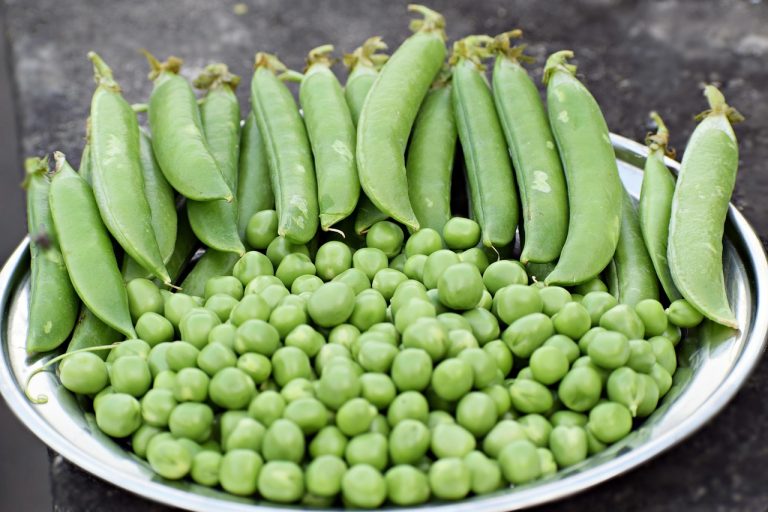
[IMAGE: organic vegetables]
Why Organic Food Can Support Weight Loss Without Feeling Deprived
Organic food does not have magical fat-burning powers, and it should never be marketed as a shortcut. Still, it can play a valuable role in weight loss because it nudges your habits toward better choices. When you fill your cart with organic vegetables, fruit, eggs, grains, legumes, and simple proteins, you are more likely to prepare meals that are nutrient-dense, fiber-rich, and satisfying enough to reduce mindless snacking.
Many people find that a clean eating approach built around organic food naturally lowers their intake of excess sugar, refined flour, and highly processed oils. Those are the foods that often spike hunger, trigger cravings, and make it difficult to stay consistent. By contrast, whole organic ingredients tend to be more filling and more versatile. A bowl of roasted vegetables, a handful of berries, or a plate of lentils and greens may not sound flashy, but these foods support the kind of nutrition that keeps you steady throughout the day.
Less Ultra-Processed Food, More Real Nutrition
One of the biggest advantages of organic eating is that it often pushes you toward real food. That means fewer ingredients you cannot pronounce and more foods that look the way they do in nature. Why does that matter for weight loss? Because real food usually contains more fiber, more water, and more micronutrients, all of which help your body recognize fullness more effectively.
Organic produce, in particular, can make a healthy diet feel more appealing. Crisp cucumbers, sweet tomatoes, leafy greens, and bright citrus fruit can turn a plain meal into something you actually look forward to eating. And when healthy food tastes good, consistency becomes much easier.
Does Organic Automatically Mean Lower Calories?
No, and that distinction matters. Organic cookies are still cookies. Organic chips are still chips. Organic food helps most when it is part of a pattern based on whole ingredients, not when it is used to justify overeating packaged snacks with cleaner labels. If weight loss is your goal, the smartest move is to choose organic options that are naturally low in calories and high in nutrition, such as vegetables, berries, beans, eggs, and plain yogurt.
Ask yourself a simple question before you buy something: will this food help me feel satisfied, nourished, and in control of my appetite? If the answer is yes, it belongs in a weight loss plan. If not, organic branding alone is not enough.
The Best Organic Foods for Weight Loss
The best organic foods for weight loss are not exotic. They are familiar, affordable, and easy to prepare once you know how to use them. The goal is to build meals that keep you full, stabilize energy, and support good nutrition without pushing calories too high.
Leafy Greens That Add Volume Without Adding Many Calories
Organic spinach, kale, arugula, romaine, and Swiss chard are ideal for anyone trying to lose weight. They are low in calories, high in fiber, and rich in vitamins and minerals. You can use them in salads, soups, egg dishes, green smoothies, and grain bowls. Because they add volume to meals, they help you feel like you are eating more even when you are not consuming many calories.
A large salad with greens, cucumber, tomatoes, and a lean protein source can be surprisingly satisfying when it is dressed simply. In a healthy lifestyle plan, that kind of meal can replace something far heavier without feeling like a sacrifice.
Cruciferous Vegetables for Fullness and Fiber
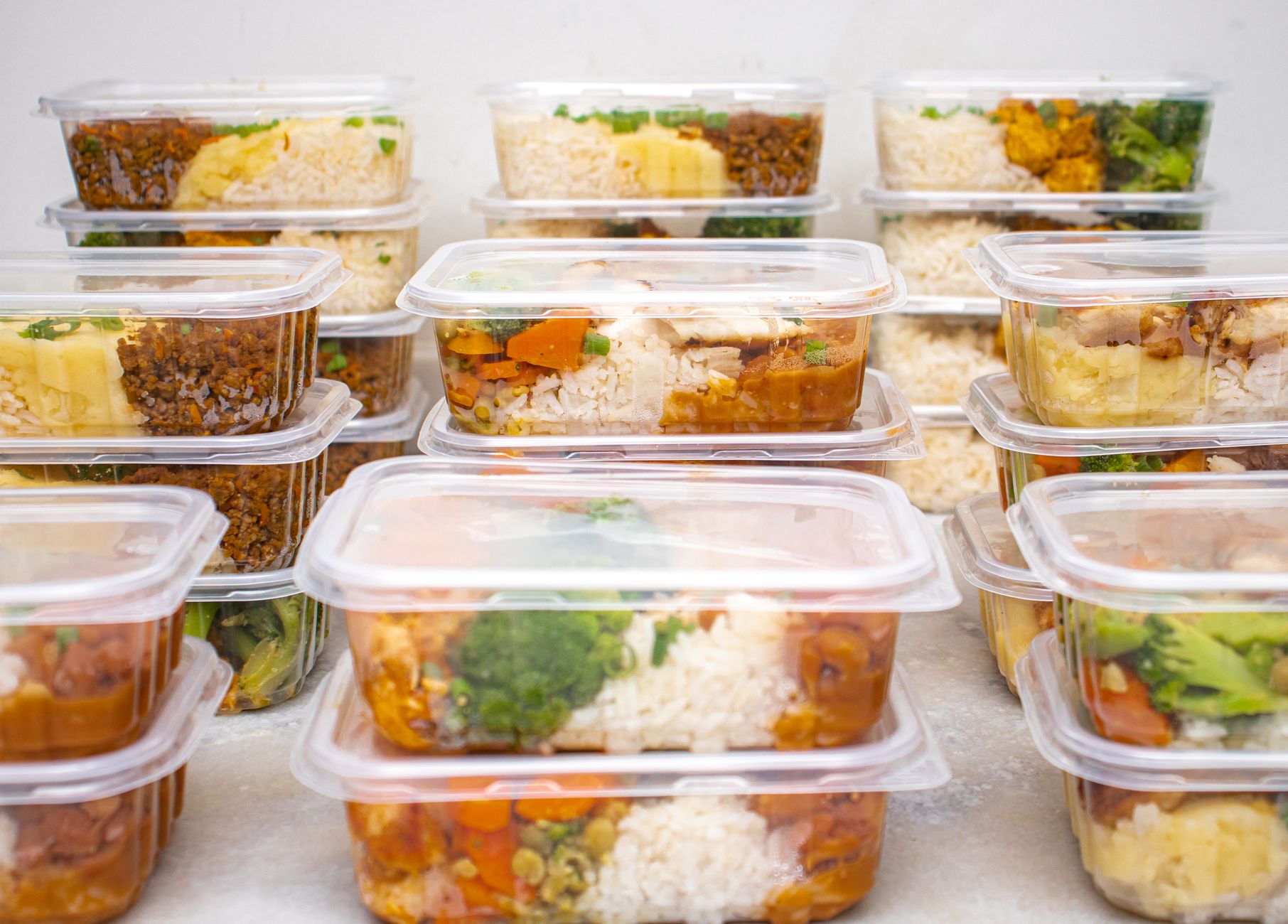
Broccoli, cauliflower, cabbage, Brussels sprouts, and broccoli sprouts are some of the best organic vegetables for weight loss because they are bulky, versatile, and packed with fiber. They also work well in batch cooking, which makes clean eating easier during busy weeks.
Try roasting cauliflower with garlic, steaming broccoli for lunch bowls, or shredding cabbage into a crunchy slaw. These foods can anchor your meals while keeping portions under control. And because they are naturally dense in nutrients, they fit beautifully into any detox diet style of eating that emphasizes simplicity and freshness.
Berries and Citrus for Sweetness Without Overdoing Sugar
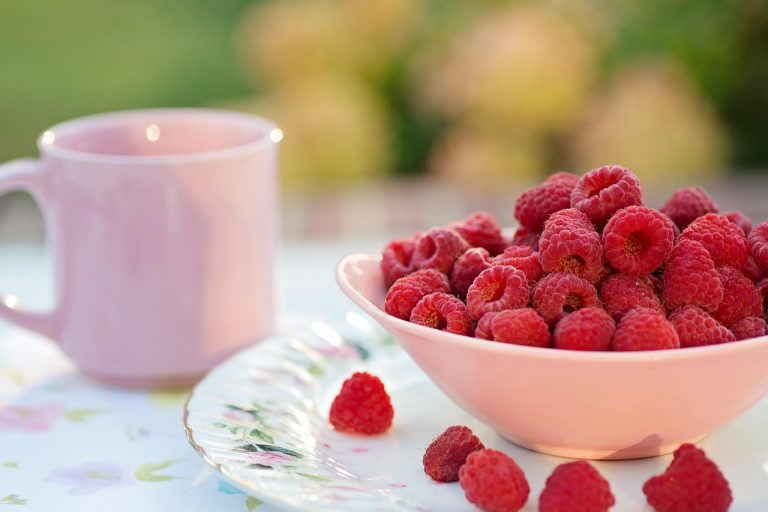
If your sweet tooth is the main challenge in your weight loss journey, organic berries and citrus fruits can help. Strawberries, blueberries, raspberries, grapefruit, oranges, and mandarins provide natural sweetness, hydration, and fiber. They are excellent when you want something fresh after a meal or when you need a snack that feels satisfying without sending your blood sugar on a roller coaster.
Pair berries with plain Greek yogurt, cottage cheese, or a small handful of nuts for a balanced snack. This is a small but powerful clean eating habit because it supports satiety and nutrition at the same time.
Apples, Pears, and Other High-Fiber Fruit
Organic apples and pears are especially useful for weight loss because they are portable, affordable, and naturally portioned. One apple can calm cravings in a way that cookies often cannot. That is because fruit delivers fiber and water alongside sweetness, which helps slow digestion and extend fullness.
Instead of reaching for processed snacks in the afternoon, try slicing an apple and topping it with a thin layer of almond butter. This kind of small upgrade can change the entire tone of your healthy diet.
Organic Protein Sources That Keep You Satisfied
Protein is one of the most important nutrients for weight loss because it supports muscle maintenance, reduces hunger, and makes meals more satisfying. Organic eggs, plain Greek yogurt, cottage cheese, tofu, tempeh, lentils, beans, chicken, turkey, and sustainably sourced fish can all fit into a clean eating plan.
Do you often feel hungry shortly after eating? You may need more protein at breakfast and lunch. A breakfast built on oats alone may not hold you as long as a breakfast that includes eggs or yogurt. A grain bowl without protein may taste good but leave you searching for snacks an hour later. Balance matters.
Smart Fats in Moderation
Organic avocados, nuts, seeds, olives, and extra-virgin olive oil can support weight loss when used thoughtfully. These foods are calorie-dense, but they are also rich in flavor and help meals feel complete. A few slices of avocado or a tablespoon of olive oil can improve satisfaction enough to prevent overeating later.
The key is moderation. Healthy fats are not the enemy, but they do deserve respect. A small handful of walnuts or a sprinkle of chia seeds adds texture and nutrition without overwhelming the plate.
How to Build a Weight-Loss Plate with Organic Foods
One of the easiest ways to make organic eating sustainable is to stop thinking in terms of restrictive dieting and start thinking in terms of plate structure. When your meals are balanced, you feel more in control, and your weight loss efforts stop depending on willpower alone.
The Simple Plate Formula
A practical approach looks like this:
- Half of your plate: non-starchy organic vegetables
- One quarter of your plate: organic lean protein
- One quarter of your plate: whole grains or starchy vegetables
- Small amount: healthy fats for flavor and satiety
This formula works because it keeps calories in check while preserving fullness and nutrition. A meal built this way is less likely to trigger overeating later in the day.
What a Balanced Organic Meal Looks Like
Imagine a dinner of roasted broccoli, grilled salmon, quinoa, and a simple cucumber salad with olive oil and lemon. That plate contains fiber, protein, healthy fats, and enough flavor to feel satisfying. It is the opposite of a crash-diet meal. It is practical, nourishing, and aligned with a healthy lifestyle.
[IMAGE: healthy meal]
You could make a similar plate with tofu, brown rice, and stir-fried vegetables. Or with lentils, sweet potato, and leafy greens. The exact foods may change, but the pattern stays the same: build around whole ingredients and let the protein and vegetables do most of the work.
Portion Control Without Obsession
Weight loss becomes easier when you do not have to weigh every bite. Start with visual cues instead:
- Use a smaller plate when needed
- Fill at least half the plate with vegetables
- Serve fats lightly, not heavily
- Eat slowly enough to notice fullness
- Pause halfway through a meal and assess your hunger
These are small habits, but they create a calmer relationship with food. Clean eating should feel structured, not punishing.
Organic Breakfast, Lunch, and Dinner Ideas That Support Fat Loss
People often focus on what to remove from their diet, but it is far more useful to know what to eat. If you have a handful of dependable meals ready to go, your chances of making consistent progress rise immediately.
Breakfast Ideas That Set the Tone
A strong breakfast can prevent blood sugar crashes and late-morning cravings. Try one of these organic options:
- Organic eggs with spinach, tomatoes, and a slice of whole-grain toast
- Plain Greek yogurt with berries, chia seeds, and a few walnuts
- Overnight oats made with unsweetened milk, cinnamon, and sliced apple
- A vegetable omelet with mushrooms, onions, and herbs
Which breakfast would keep you satisfied until lunch? That is the one worth repeating. Weight loss becomes much more manageable when your first meal is built for stability rather than convenience alone.
Lunch Ideas That Prevent Afternoon Snacking
Lunch should be substantial enough to keep your energy steady. A light salad with no protein may sound healthy, but it often leads to snack attacks later. Instead, create lunches like these:
- Grilled chicken over mixed greens with cucumber, avocado, and pumpkin seeds
- Lentil soup with a side salad and roasted vegetables
- Turkey lettuce wraps with hummus and sliced bell peppers
- Quinoa bowl with chickpeas, kale, and tahini dressing
These meals are simple, but they are not boring. When organic ingredients are fresh and well-seasoned, they can feel deeply satisfying without being heavy.
Dinner Ideas for Light but Complete Evenings
At dinner, many people either under-eat and get hungry later, or overeat because they are exhausted and looking for comfort. The solution is a balanced plate that is easy to digest and pleasant to eat.
- Salmon with asparagus and roasted sweet potato
- Tofu stir-fry with broccoli, carrots, and brown rice
- Chicken zucchini skillet with herbs and olive oil
- Bean and vegetable stew with a side of greens
If you want to make dinner feel more like a ritual than a chore, keep flavors bright. Use herbs, lemon, garlic, ginger, and spices. A healthy diet should taste like real food, not a compromise.
[IMAGE: fitness lifestyle]
Clean Eating Habits That Make Weight Loss Easier
Food quality matters, but habits matter just as much. A beautifully stocked kitchen can still become a source of stress if your routine is chaotic. The good news is that a few well-chosen habits can make clean eating almost automatic.
Plan Your Meals Before Hunger Takes Over
One of the best ways to support weight loss is to decide what you will eat before you are very hungry. When you wait until the last minute, convenience usually wins. That can lead to takeout, oversized portions, or snack foods that were never part of your plan.
Try mapping out three breakfasts, three lunches, and three dinners each week. You do not need a different meal every day. Repetition is not a weakness; it is a strategy. The more predictable your meals, the easier it becomes to stay aligned with your goals.
Keep Your Kitchen Ready for Success
A healthy kitchen makes healthy eating feel natural. Stock your fridge and pantry with:
- Washed organic greens and chopped vegetables
- Fresh fruit in visible places
- Protein staples such as eggs, yogurt, tofu, beans, and chicken
- Whole grains like oats, quinoa, and brown rice
- Flavor builders such as garlic, lemons, herbs, and spices
When good ingredients are easy to see and easy to use, you are much more likely to eat them. That is one of the quiet secrets behind a sustainable healthy lifestyle.
Eat Slowly Enough to Notice Satisfaction
Many people overeat not because they are physically starving, but because they are rushed, distracted, or disconnected from hunger signals. Slowing down gives your body time to register fullness. Put down your fork between bites. Take a breath. Ask yourself whether you are still hungry or simply still eating because the food is there.
This habit is simple, but it can dramatically improve nutrition awareness and reduce unnecessary calories over time.
Use Movement as a Partner, Not a Punishment
Weight loss is not only about food. A walk after lunch, a few strength-training sessions each week, or a short mobility routine can support energy balance and help you feel better in your body. Movement also improves appetite regulation, which can make your eating habits more intuitive.
Think of exercise as part of a complete healthy lifestyle, not as a way to earn food. That mindset is more sustainable and far more kind.
What a Detox Diet Really Means in a Healthy Lifestyle
The phrase detox diet is often used in a confusing way. Some people imagine juice cleanses, severe restriction, or extreme rules. In reality, your body already has a built-in detox system through the liver, kidneys, lungs, skin, and digestive tract. Your job is not to replace that system. Your job is to support it.
What Support Looks Like in Real Life
A realistic detox-friendly approach focuses on hydration, fiber, and nutrient-rich foods. Organic vegetables, fruit, legumes, herbs, and clean proteins help your body do the work it is already designed to do. That does not mean the goal is rapid flushing or deprivation. It means giving your system the raw materials it needs for efficient function.
Examples of supportive habits include:
- Drinking enough water throughout the day
- Eating plenty of vegetables and fruit
- Including fiber-rich foods like beans, oats, and chia seeds
- Reducing alcohol and excess added sugar
- Getting enough sleep so recovery systems can work properly
When people say they feel lighter after a few days of clean eating, what they often notice is less bloating, more stable energy, and fewer cravings. Those benefits come from balanced nutrition, not from starvation.
Organic Foods That Naturally Fit a Detox Diet Mindset
Some foods are especially useful when you want to support digestion and reduce the burden of heavily processed eating. These include leafy greens, cucumbers, celery, citrus, beets, berries, herbs, and cruciferous vegetables. Add ginger, turmeric, garlic, and lemon to enhance flavor without relying on heavy sauces or excess sodium.
These ingredients are not magic, but they do create meals that feel refreshing, light, and easy to digest. That is often exactly what people are looking for when they start searching for a detox diet that is actually realistic.
A Practical Organic Grocery Framework for Weight Loss
Instead of walking into the store and hoping for inspiration, build a simple grocery framework. It saves time, reduces impulse buying, and keeps your healthy diet consistent even during busy weeks.
The Categories to Keep on Hand
- Vegetables: leafy greens, broccoli, cauliflower, carrots, cucumbers, peppers, zucchini
- Fruit: berries, apples, pears, oranges, grapefruit, lemons
- Protein: eggs, yogurt, tofu, tempeh, chicken, fish, lentils, beans
- Carbohydrates: oats, quinoa, brown rice, sweet potatoes, whole-grain bread
- Fats: avocado, olive oil, nuts, seeds, tahini
- Flavor: garlic, ginger, herbs, cinnamon, vinegar, mustard, turmeric
Once these categories are covered, meal planning becomes much easier. You can mix and match ingredients instead of starting from scratch every day.
A Simple Weekly Shopping Strategy
Try this approach:
- Choose three vegetables you will definitely use
- Choose two or three proteins for the week
- Pick one breakfast you can repeat
- Buy one snack that feels satisfying but not tempting in excess
- Keep one or two sauces or dressings on hand for variety
This strategy keeps your grocery cart intentional and your fridge useful. The more intentional your shopping, the easier clean eating becomes.
Common Organic Diet Mistakes That Slow Progress
Even a high-quality organic food plan can stall weight loss if a few common mistakes creep in. Awareness is the fix. Most people do not need a stricter plan; they need a smarter one.
Assuming Organic Means Unlimited
Organic foods can still contribute to weight gain if portions are excessive. Almond butter, trail mix, granola, dark chocolate, and oils are all nutritious, but they are also calorie-dense. If you eat them without paying attention, progress can slow even though the food quality looks good on paper.
The solution is not avoidance. It is portion awareness. Measure high-calorie foods when needed and let vegetables, fruit, and lean proteins do the heavy lifting.
Choosing Packaged Organic Foods Too Often
Organic crackers, cookies, frozen meals, and snack bars can be convenient, but they should not dominate your diet. They are still processed foods, and many of them are designed to be easy to overeat. If your cart contains more snack products than produce, the organic label is probably not helping your weight loss goals in the way you think it is.
Forgetting Protein, Sleep, and Stress
Nutrition is powerful, but it is only one part of the picture. Low protein intake can increase hunger. Poor sleep can intensify cravings. Chronic stress can lead to emotional eating. If your organic food plan is solid but results still feel slow, look beyond the plate.
Ask yourself: am I actually rested? Am I getting enough protein? Am I using food to manage stress? Those answers matter just as much as your grocery list.
Trying to Be Perfect Instead of Consistent
Perfection is not the goal. Consistency is. A single restaurant meal, dessert, or weekend gathering will not erase your progress. What matters is the average of your habits over time. A healthy lifestyle built on clean eating should leave room for real life.
How to Make Organic Weight Loss Results Stick Long Term
The best weight loss plans are the ones that feel like an upgrade to your life, not a temporary punishment. If organic food helps you eat more vegetables, enjoy better meals, and feel more in control of cravings, then it is doing exactly what it should.
Long-term success comes from a few repeatable behaviors: shop with purpose, cook simple meals, keep protein and produce front and center, and use clean eating as a way to support your energy rather than restrict your life. When your meals are built this way, nutrition becomes less stressful and more intuitive.
You do not need extreme rules to see real change. You need a system that you can repeat on ordinary weekdays, busy evenings, and the moments when motivation is low. That is where organic food has real value: it gives you a cleaner starting point, more satisfying meals, and a path that feels aligned with a healthy lifestyle instead of constantly working against it.
If you want more expert-backed ideas on organic food, clean eating, weight loss, nutrition, and practical healthy lifestyle tips, keep exploring DietOrganic for more articles that make healthy eating feel realistic, elevated, and worth repeating.
About the Author