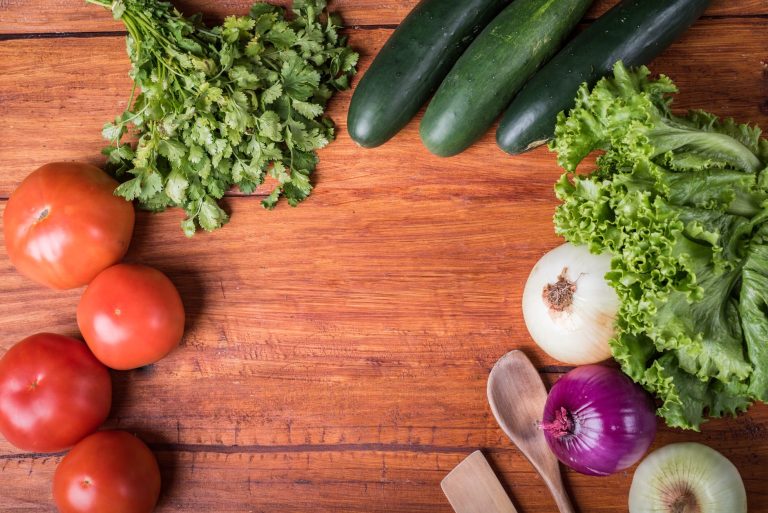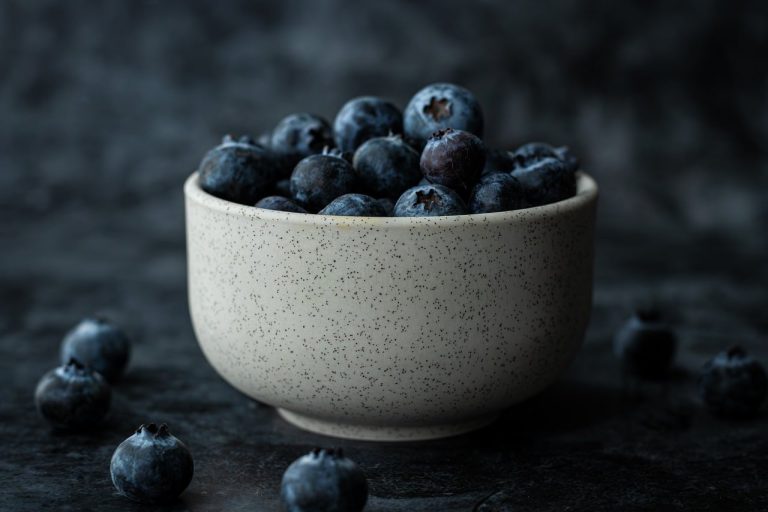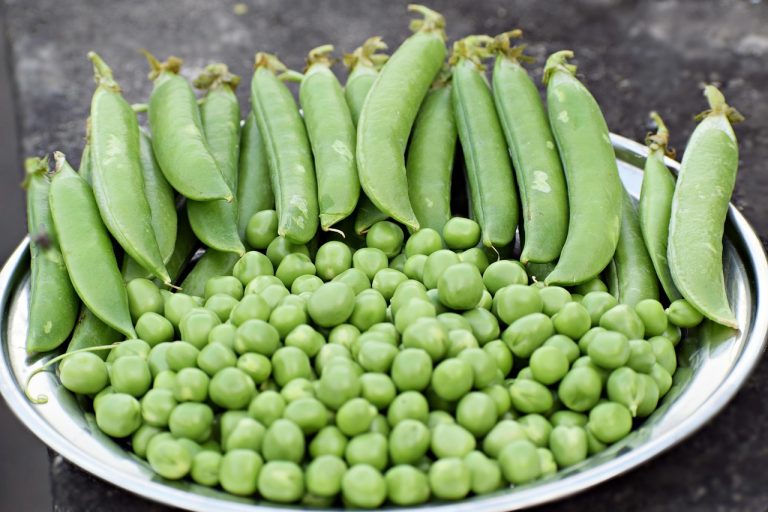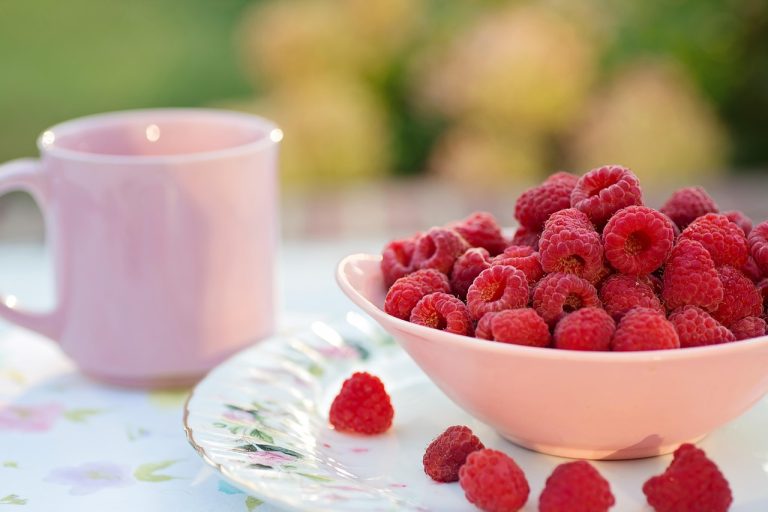

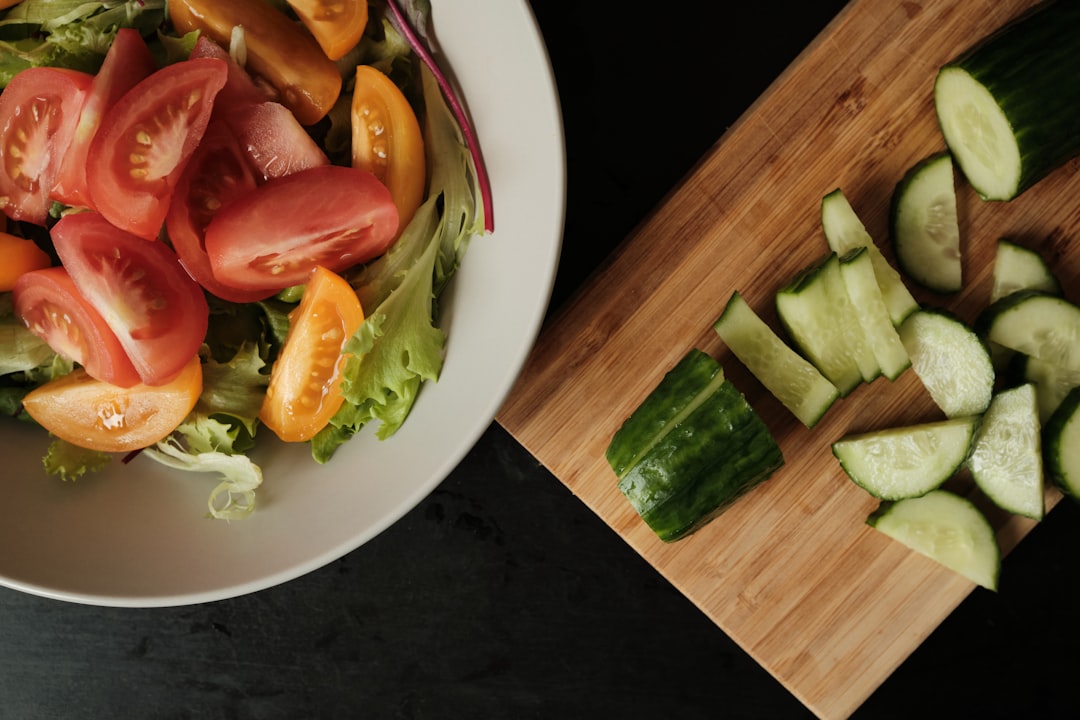
Photo by Victoria Aleksandrova on Unsplash
When people talk about weight loss, the conversation often turns into a maze of extremes: cut everything, count everything, fear everything. But what if a healthier diet did not have to feel punishing? What if the smartest path was not about eating less of everything, but about choosing better-quality food more consistently? That is where organic food enters the picture. For many people, a clean eating approach built around organic produce, wholesome proteins, and simple cooking methods creates the kind of nutrition strategy that feels nourishing instead of restrictive.
This is not a promise of instant change, and it is not a detox diet in disguise. It is a practical way to build meals that support energy, satiety, and long-term habits. Organic food will not magically melt body fat, but it can help you create a healthier lifestyle that makes weight loss easier to maintain. Have you ever noticed how much more in control you feel after a meal made from real ingredients instead of ultra-processed ones? That feeling matters. It shapes your choices for the rest of the day.
In the pages ahead, you will find a clear, realistic guide to using organic food for weight loss without falling into gimmicks. You will learn what to buy, how to build balanced plates, which foods help reduce cravings, and how to stay consistent when life gets busy. If your goal is to eat cleaner, feel lighter, and make better nutrition choices without overcomplicating your routine, this is the place to start.
Why Organic Food Can Support Weight Loss
Organic food is often discussed in terms of farming methods, but its real strength in a healthy diet comes from how it fits into your daily habits. People who eat more organic food often end up eating more whole foods, more vegetables, and fewer packaged products. That shift alone can influence weight loss far more than any single ingredient ever could. The question is not whether organic strawberries are
About the Author