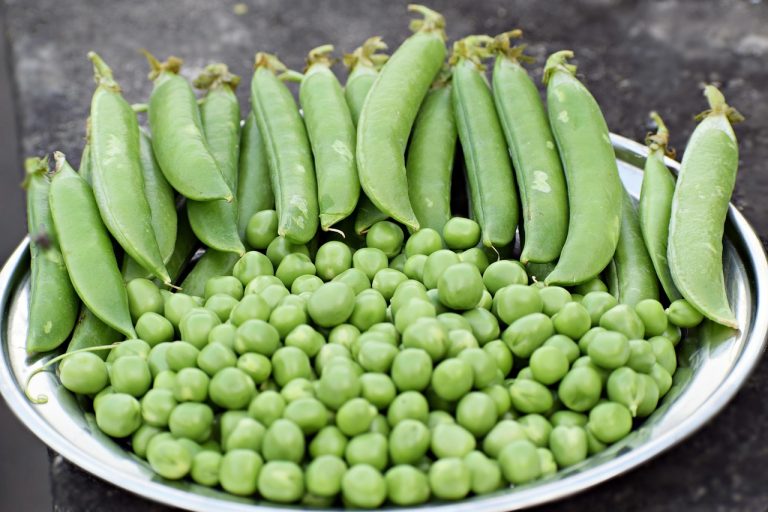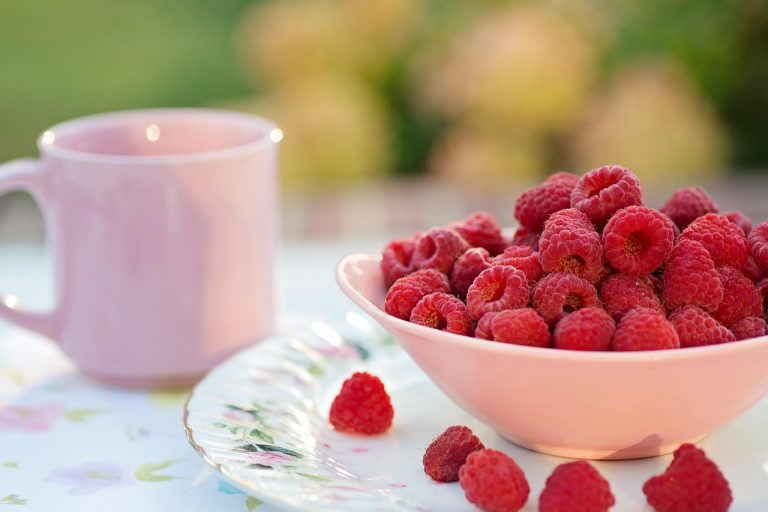

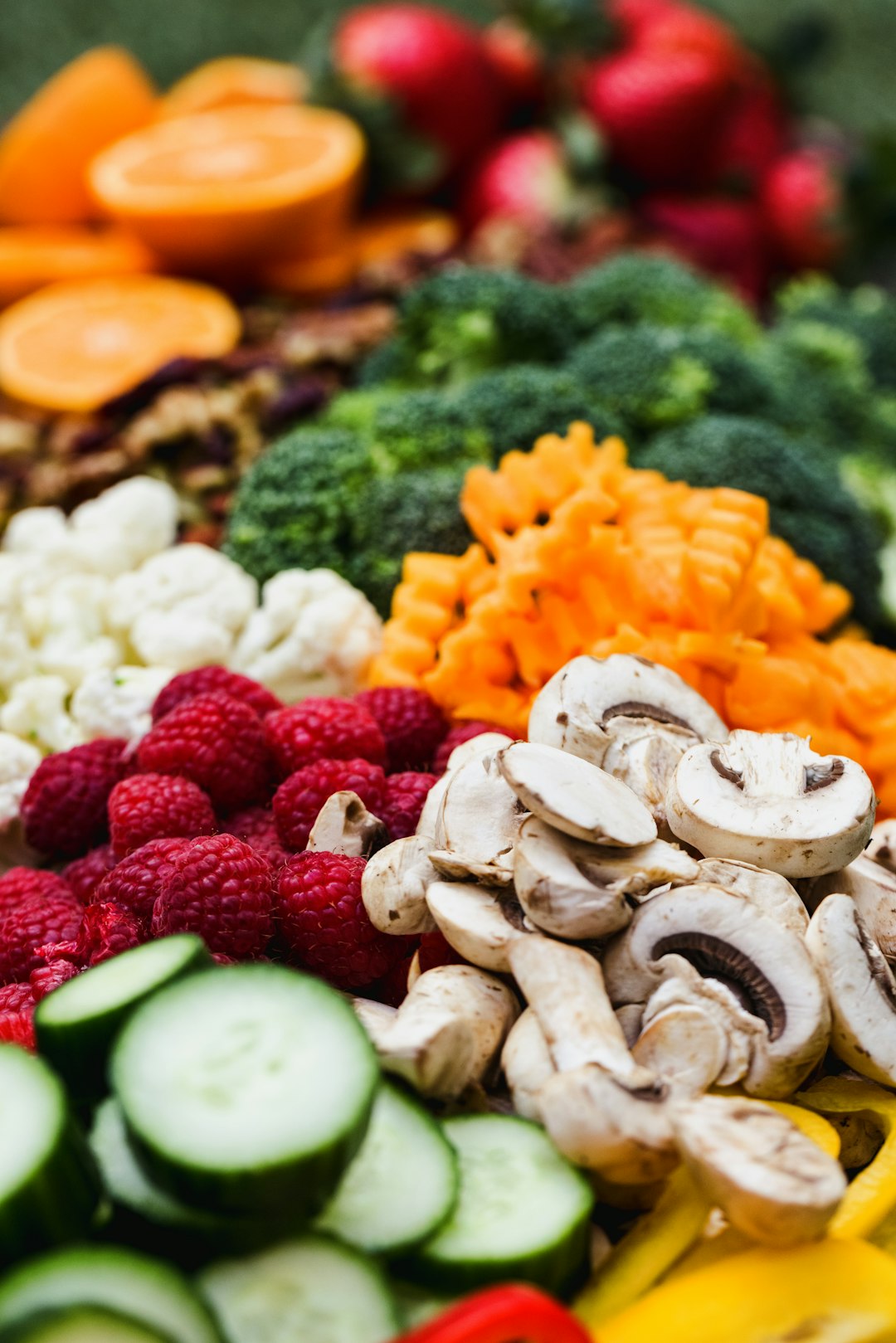
Photo by Nathan Dumlao on Unsplash
If you have ever tried to lose weight and felt trapped between strict rules, bland meals, and short-lived motivation, you are not alone. The good news is that healthy eating does not have to feel like punishment. In fact, when you build your plate around organic food, you often get closer to a natural rhythm of eating that supports energy, digestion, and steady weight loss without the constant sense of deprivation. That is the promise of clean eating done well: not a crash diet, but a sustainable way of living that helps you feel lighter, clearer, and more in control of your nutrition.
The appeal of organic food goes beyond labels and trends. Many people choose organic ingredients because they want fewer synthetic pesticide residues, more recognizable ingredients, and meals that feel fresher and more satisfying. When those foods are combined with a weight loss strategy that emphasizes balance, protein, fiber, and smart portions, the result can be a healthy lifestyle that is easier to maintain. Could the simplest path to better results be the one that tastes the most natural?
In this guide, we will explore how organic food can support weight loss, which foods deserve a regular place in your kitchen, and how to turn clean eating into a realistic routine. You will also find practical meal ideas, expert-backed habits, and simple adjustments that make a meaningful difference over time. If you have been looking for a detox diet approach that feels gentler and more nourishing than the usual quick-fix plan, this article is for you.
Why Organic Food Works So Well for Weight Loss
Weight loss is often presented as a numbers game, but the truth is more nuanced. Yes, calorie balance matters, but food quality strongly influences appetite, energy, cravings, and consistency. That is where organic food can be especially helpful. When your meals are built from minimally processed ingredients, your body often responds with better fullness and less of the blood sugar chaos that drives snacking.
Organic food is not a magic bullet. A cookie made with organic sugar is still a cookie. However, when organic ingredients are used to create balanced meals, they can make clean eating feel naturally more satisfying. Fresh vegetables, fruit, legumes, eggs, yogurt, nuts, seeds, and whole grains can create a nutrient-dense pattern that supports weight loss without extreme restriction.
Better satiety from real ingredients
One of the biggest reasons people struggle with weight loss is not a lack of willpower, but a lack of satiety. Meals that are low in protein and fiber often leave you hungry again within hours. Organic food choices tend to encourage more whole foods, and whole foods are typically more filling than heavily processed options. Think of a bowl of organic roasted vegetables with quinoa and salmon compared with a packaged meal that barely resembles actual food. Which one would leave you more satisfied?
Satiety matters because when you feel full, you are less likely to overeat later. This is especially important for anyone balancing work, family, and a healthy lifestyle. If clean eating helps you feel physically satisfied, your plan becomes easier to sustain.
Cleaner meals often mean fewer hidden calories
Many packaged foods marketed as healthy are deceptively calorie-dense. Salad dressings, granola, snack bars, coffee drinks, and frozen bowls can contain more sugar, oils, and sodium than expected. Organic food prepared at home gives you greater control over ingredients and portions. That control can be a powerful ally for weight loss because it reduces guesswork and keeps meals aligned with your nutrition goals.
When you cook more often, you begin to notice how much better food can taste when it is fresh. A simple dish of organic tomatoes, olive oil, basil, and beans may be far more satisfying than a processed meal with a long ingredient list. Clean eating does not have to be elaborate. Often, it is the simplest food that delivers the strongest results.
Consistent habits beat dramatic detox diets
People often search for a detox diet when they want a reset, but the body already has a sophisticated detoxification system through the liver, kidneys, lungs, and digestive tract. What it truly needs is support: hydration, fiber, sleep, movement, and nutrient-rich food. Organic food can play a role here because it encourages whole, fresh ingredients over heavily refined choices.
Rather than chasing extremes, aim for consistency. Small changes such as swapping sugary breakfasts for protein-rich organic options, or replacing packaged snacks with fruit and nuts, can lead to more stable energy and measurable weight loss over time. Do you really need a perfect detox, or do you need a routine you can actually keep?
The Best Organic Foods for Weight Loss
Not every organic item belongs in a weight loss plan. The most effective choices are those that combine high nutrition with strong satiety and manageable calories. A clean eating approach works best when it is built on foods you can enjoy regularly, not just foods that sound healthy.
Organic leafy greens
Leafy greens such as spinach, kale, arugula, romaine, and Swiss chard are foundational for healthy meals. They are low in calories and high in volume, which means you can eat satisfying portions without overdoing energy intake. They also provide fiber, folate, vitamin K, and antioxidants that support overall nutrition.
Try adding organic greens to omelets, smoothies, salads, soups, and grain bowls. A large salad with protein and healthy fats can be far more filling than a small meal that is low in fiber. If weight loss has felt difficult in the past, this one shift may help you feel more in control.
Organic cruciferous vegetables
Broccoli, cauliflower, Brussels sprouts, cabbage, and bok choy are especially useful in clean eating plans. They are nutrient-dense, versatile, and excellent for meal prep. Roasted cauliflower or steamed broccoli can be paired with almost any protein source, making them easy to keep on repeat.
These vegetables also add texture and substance to meals, which helps with fullness. If you want a healthy lifestyle that feels generous rather than restrictive, cruciferous vegetables are a smart place to start.
Organic berries and low-sugar fruit
Berries are among the most weight-loss-friendly fruits because they provide fiber, antioxidants, and natural sweetness without excessive sugar. Organic strawberries, blueberries, raspberries, and blackberries can satisfy dessert cravings in a more nourishing way. Apples, pears, grapefruit, and kiwi are also excellent choices when you want something refreshing and portable.
Fruit should not be feared in a balanced nutrition plan. In the right portions, it can support clean eating by replacing ultra-processed sweets and helping you stay consistent. A bowl of berries with plain Greek yogurt can feel luxurious while still supporting your goals.
Organic eggs and high-quality protein
Protein is one of the most important nutrients for weight loss because it helps preserve lean muscle and increases satiety. Organic eggs are versatile, affordable, and easy to prepare. They can anchor breakfast, lunch, or even a light dinner. Other strong organic protein sources include plain Greek yogurt, cottage cheese, tofu, tempeh, chicken, turkey, salmon, and sardines.
When building a meal, ask yourself: where is the protein? Without it, even a visually beautiful organic food plate may not keep hunger in check for long. A balanced clean eating plan always includes protein at regular intervals.
Organic legumes and beans
Beans, lentils, chickpeas, and black beans are powerful tools for weight loss because they combine protein, fiber, and lasting energy. They are also budget-friendly, which makes healthy eating more realistic for everyday life. A chickpea salad, lentil soup, or black bean bowl can be both satisfying and nutrient-rich.
For many people, legumes are the bridge between eating well and eating enough. They help prevent the rebound hunger that often follows low-calorie dieting. If your previous attempts at weight loss left you drained, beans may be the steadying ingredient your plan has been missing.
Organic whole grains in modest portions
Whole grains are not the enemy. In fact, when eaten in the right amounts, oats, brown rice, quinoa, farro, and buckwheat can help round out a healthy diet. They supply fiber and slow-burning carbohydrates that are helpful for energy and workout recovery. The key is portion awareness.
Instead of making grains the center of the plate, use them as one part of a larger balance that includes vegetables and protein. This keeps meals satisfying without becoming calorie-heavy. Clean eating does not require eliminating carbohydrates; it requires choosing the right ones and respecting portions.
Organic healthy fats
Avocados, walnuts, almonds, chia seeds, flaxseeds, olive oil, and pumpkin seeds bring flavor and satiety to organic meals. Healthy fats are essential for hormones, brain function, and the absorption of fat-soluble vitamins. They also make food feel complete.
The trick is moderation. A little healthy fat can support weight loss by improving satisfaction, but too much can add calories quickly. Use fats strategically, not carelessly. Drizzle olive oil, do not pour it. Sprinkle seeds, do not bury the salad.
How to Build a Clean Eating Plate That Supports Weight Loss
Clean eating becomes far easier when you stop thinking in terms of rules and start thinking in terms of structure. A well-designed plate creates a predictable balance between fullness, flavor, and nutrition. That structure is what makes organic food practical instead of aspirational.
The simple plate formula
A useful approach is to divide your plate into three parts:
- Half the plate: non-starchy vegetables
- One quarter: lean protein
- One quarter: whole grains or starchy vegetables
- Optional: a small portion of healthy fat
This formula keeps meals visually satisfying and nutritionally balanced. It is one of the easiest ways to reduce overeating without feeling deprived. It also works well for lunch, dinner, and meal prep containers.
Why volume matters
Many people underestimate how much they can eat when meals are built around vegetables and protein. A large bowl of organic roasted vegetables, grilled chicken, and quinoa may contain fewer calories than a small restaurant entrée with heavy sauce and refined starches. Volume helps the brain register fullness, especially when the meal is colorful, textured, and flavorful.
That is one reason clean eating can feel so different from standard dieting. You are not just eating less; you are eating more strategically.
Flavor keeps clean eating sustainable
Healthy meals do not need to be bland to support weight loss. Fresh herbs, garlic, lemon, ginger, turmeric, cumin, paprika, vinegar, and mustard can transform organic ingredients into restaurant-quality food. If you enjoy your meals, you are far more likely to stick with them. And if you stick with them, results tend to follow.
Ask yourself honestly: are your current meals nourishing, or are they merely tolerable? Sustainable nutrition should be enjoyable.
Sample Organic Meals for a Healthier Lifestyle
Practical examples can make the difference between inspiration and action. Below are meal ideas that fit a clean eating approach while keeping weight loss in mind. They are designed to feel satisfying, nutrient-rich, and realistic for busy days.
Breakfast ideas
A balanced breakfast helps set the tone for the day. Instead of starting with sugar and refined carbs, try one of these organic food combinations:
- Organic Greek yogurt with berries, chia seeds, and cinnamon
- Vegetable omelet with spinach, mushrooms, and tomatoes
- Overnight oats with flaxseed, walnuts, and sliced apple
- Avocado toast on whole-grain bread with a poached egg
These meals provide protein, fiber, and healthy fats, which can help control cravings later in the day. A breakfast that supports stable energy can change how the rest of your eating pattern unfolds.
Lunch ideas
Lunch is where many people fall into convenience traps. Fast food, vending snacks, or oversized takeout meals can derail even the best intentions. A meal-prepped organic lunch offers a much more reliable path:
- Quinoa bowl with roasted vegetables, chickpeas, and tahini dressing
- Large salad with grilled salmon, cucumber, avocado, and pumpkin seeds
- Lentil soup with a side of steamed greens and whole-grain toast
- Turkey lettuce wraps with shredded carrots and hummus
[IMAGE: healthy meal]
Lunch should leave you energized, not sluggish. If your afternoon usually includes an energy crash, the composition of your meal may be part of the problem.
Dinner ideas
Evening meals are an opportunity to reset the day, not sabotage it. Keep dinner satisfying but not excessively heavy:
- Grilled chicken with broccoli and sweet potato
- Stir-fried tofu with mixed vegetables and brown rice
- Baked salmon with asparagus and cauliflower mash
- Stuffed peppers with turkey, beans, and herbs
These dinners support nutrition while helping you avoid the late-night heaviness that can interfere with sleep and weight loss goals.
Smart snacks
Snacking can either support clean eating or quietly undermine it. The key is to choose snacks that stabilize hunger rather than spike it. Organic snacks worth keeping on hand include:
- Apples with almond butter
- Hard-boiled eggs
- Carrot sticks with hummus
- Plain yogurt with cinnamon
- A small handful of walnuts
- Cucumber slices with guacamole
Snacks should not be treated as guilt. They are tools. Use them to prevent overeating at meals, not to fill emotional gaps with convenience food.
How Organic Food Supports a Detox Diet Without Extremes
The phrase detox diet often brings to mind juices, fasting, or restrictive cleanses. Yet the more effective way to support detoxification is through daily habits that reduce the burden on the body and improve digestive efficiency. Organic food can help because it prioritizes freshness, fiber, and nutrient density.
Fiber from vegetables, fruit, legumes, and whole grains helps move waste through the digestive tract. Hydration supports kidney function. Cruciferous vegetables supply compounds involved in the body’s natural detox pathways. Healthy fats and protein help maintain balance so your body is not forced into a state of stress.
If you are curious about a detox diet, focus less on elimination and more on nourishment. The body does not need punishing resets; it needs consistent support. That means more real food, fewer ultra-processed ingredients, and a rhythm of eating that your system can handle comfortably.
Hydration matters more than trends
Water is often overlooked in weight loss conversations, yet it plays a major role in energy, digestion, appetite regulation, and recovery. Herbal teas, infused water, and sparkling water with lemon can make hydration feel more enjoyable. Green tea may also be a helpful addition, especially when paired with clean eating and movement.
Sometimes the difference between hunger and thirst is smaller than you think. Before reaching for a snack, pause and ask: am I truly hungry, or do I need water and a few minutes of breathing space?
Use food to simplify your routine
The best detox approach is the one you can repeat. Organic food makes that easier because it encourages a return to basics. Prepare vegetables in batches. Keep washed greens ready in the fridge. Stock protein sources that cook quickly. Build your week around a handful of meals you know well.
When healthy eating becomes routine, your lifestyle becomes lighter in every sense of the word.
Organic Meal Prep Ideas for Busy People
Meal prep is one of the strongest tools for long-term weight loss because it removes decision fatigue. If you already have nourishing food ready to go, you are less likely to rely on whatever is fastest. Clean eating is far more realistic when your future meals have already been simplified.
[IMAGE: organic vegetables]
Start with a weekly prep session
Choose one or two hours each week to prepare the basics:
- Wash and chop vegetables
- Cook one or two grains
- Prepare a protein source
- Make a simple dressing or sauce
- Portion snacks into containers
This creates flexibility. You can mix and match ingredients rather than cooking every meal from scratch.
Batch-cook versatile ingredients
Some foods are especially useful because they fit into many different meals. Think roasted sweet potatoes, quinoa, lentils, grilled chicken, baked tofu, and steamed broccoli. A few staple components can produce multiple combinations during the week, which helps prevent food boredom.
If your meals are interesting, you are more likely to stay committed. The goal is not perfection. The goal is momentum.
Prepare emergency options
Even the best plan needs backup. Keep quick options available for busy days:
- Frozen organic vegetables
- Pre-cooked lentils or beans
- Greek yogurt
- Canned tuna or salmon
- Organic eggs
- Washed salad greens
When life gets hectic, these ingredients can save you from impulsive choices that slow weight loss progress.
Common Organic Diet Mistakes to Avoid
Even a healthy lifestyle can become less effective when hidden habits get in the way. Many people assume that simply buying organic food guarantees success. In reality, quality ingredients still need smart structure.
Thinking organic automatically means low-calorie
Organic cookies, organic chips, and organic frozen desserts may be made with better-sounding ingredients, but they can still be energy-dense and easy to overeat. Be careful not to mistake the word organic for a nutritional free pass. Weight loss depends on the full picture, including portions and frequency.
Ignoring protein
Some clean eating plans are overly plant-heavy without enough protein. While plants are essential, protein remains crucial for satiety and muscle maintenance. If you are active, especially if you train regularly, make protein a non-negotiable part of your meals.
Over-relying on juice or cleansing trends
Juice-heavy detox plans often lack fiber and can leave you hungry, tired, and frustrated. They may also encourage a cycle of restriction and rebound eating. A more effective detox diet approach is built on whole organic food, balanced meals, and sustainable habits that support rather than stress the body.
Forgetting satisfaction
Healthier meals must still taste good and feel adequate. If your plan leaves you constantly wanting more, it is unlikely to last. Add texture, seasoning, and enough food to feel comfortably satisfied. Clean eating should feel like a privilege, not a chore.
Simple Habits That Make Weight Loss Easier
Small daily habits often matter more than big short-term efforts. When these habits are repeated, they create the conditions for weight loss and a healthier relationship with food.
Eat slowly and pay attention
Slowing down allows your body time to register fullness. It also improves your awareness of flavor, which can increase satisfaction. If you tend to eat quickly, try putting your fork down between bites or taking a few breaths halfway through your meal.
Keep your environment supportive
What is in your kitchen shapes what you eat. Keep organic food visible and easy to reach. Place fruit on the counter, vegetables at eye level in the fridge, and snacks in portioned containers. If unhealthy options are present, keep them less accessible.
Prioritize sleep and movement
Nutrition is only one part of the equation. Poor sleep can increase hunger and cravings, while regular movement supports metabolism, mood, and stress control. You do not need extreme workouts to see benefits. Walking, strength training, yoga, and active daily routines all contribute to a healthier lifestyle.
[IMAGE: fitness lifestyle]
Use questions to check in with yourself
Before each meal, ask:
- Am I hungry, or just bored?
- Does this meal have protein, fiber, and color?
- Will this choice leave me energized later?
- Have I eaten enough today to avoid rebound cravings?
These questions create awareness without judgment, which is exactly what clean eating needs to remain humane and sustainable.
A One-Day Organic Food Template for Clean Eating
Sometimes the easiest way to begin is to see an entire day mapped out. This sample framework is simple, realistic, and supportive of weight loss without feeling harsh.
Morning
Start with water or herbal tea, then eat a breakfast that includes protein and fiber. A vegetable omelet with berries or yogurt with oats and seeds works well. If you prefer a lighter breakfast, try a smoothie with spinach, protein, berries, and flaxseed.
Midday
For lunch, build a bowl or salad around protein, vegetables, and a moderate portion of whole grains. Add a simple dressing made with olive oil, lemon, and herbs. Keep the meal satisfying enough to carry you through the afternoon.
Afternoon
If hunger appears between meals, choose a snack that feels intentional rather than impulsive. Fruit and nuts, hummus and vegetables, or yogurt and cinnamon can bridge the gap without derailing your goals.
Evening
Dinner should be balanced and calming. Focus on vegetables first, protein second, and starch in a measured amount. If you enjoy dessert, keep it small and deliberate, not automatic. A few squares of dark chocolate or a bowl of berries can provide closure without excess.
Night
Hydrate, step away from screens, and allow your body to settle. Rest supports every other part of your health plan. The best nutrition strategy in the world cannot compensate for chronic exhaustion.
What Real Progress Looks Like
Progress in weight loss and clean eating is not always dramatic. It may show up as fewer cravings, better digestion, improved mood, more stable energy, or clothes fitting more comfortably. These changes often happen before the scale moves significantly, and they matter just as much.
Organic food can support these shifts because it helps you build meals that are closer to their natural form. That makes it easier to recognize hunger and fullness cues, easier to stick to a plan, and easier to feel proud of your nutrition choices. The best outcome is not simply eating less. It is eating better in a way that you can maintain for years.
If you are ready to make weight loss feel more grounded, more nourishing, and far less chaotic, start with one organic meal at a time. Fill your kitchen with foods that support clean eating, protect your energy, and make you feel capable of showing up for yourself. Then keep going, not perfectly, but consistently. The most powerful health changes often begin with one thoughtful plate and a decision to choose well again tomorrow.
About the Author